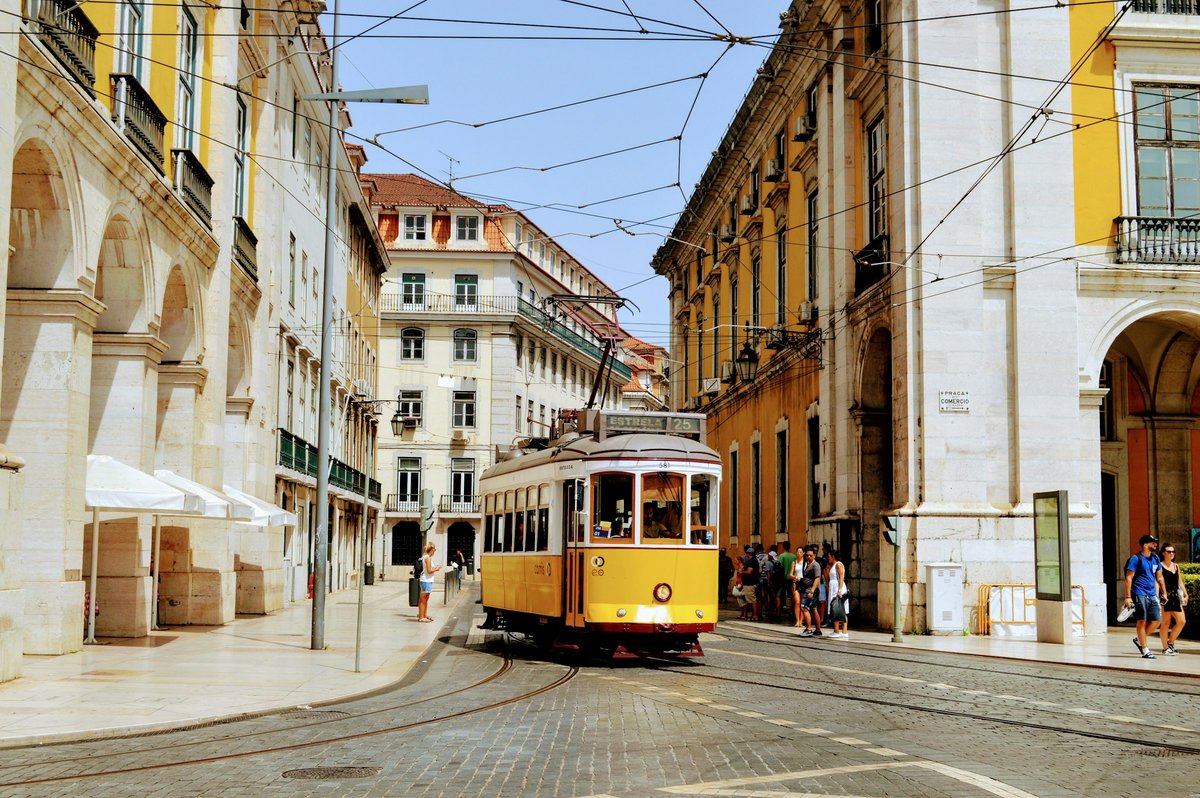
Lisbon's must-see list is not a checklist of postcards; it is a walk through the layered story of a maritime capital that keeps rebuilding itself on the same seven hills. The twelve entries below run from a Moorish castle above the Alfama to a royal palace out at Queluz, taking in a Roman Catholic cathedral, a national opera house, three working theatres, and the fortified tower that guarded the mouth of the Tagus when Portuguese ships were leaving to redraw the world map. Some sit within a short walk of each other in the Baixa and Chiado; others require a ferry, a train, or a bus over the bridge. Every venue here has a verified Wikidata footprint and an official site you can plan against, which matters in a city where opening hours shift with the season and queues form early. This is a list for the visitor who wants the buildings that made Lisbon Lisbon, not the ones that made the guidebook covers, and who is willing to spend a full day or two on the water and the hills to see them properly.
-
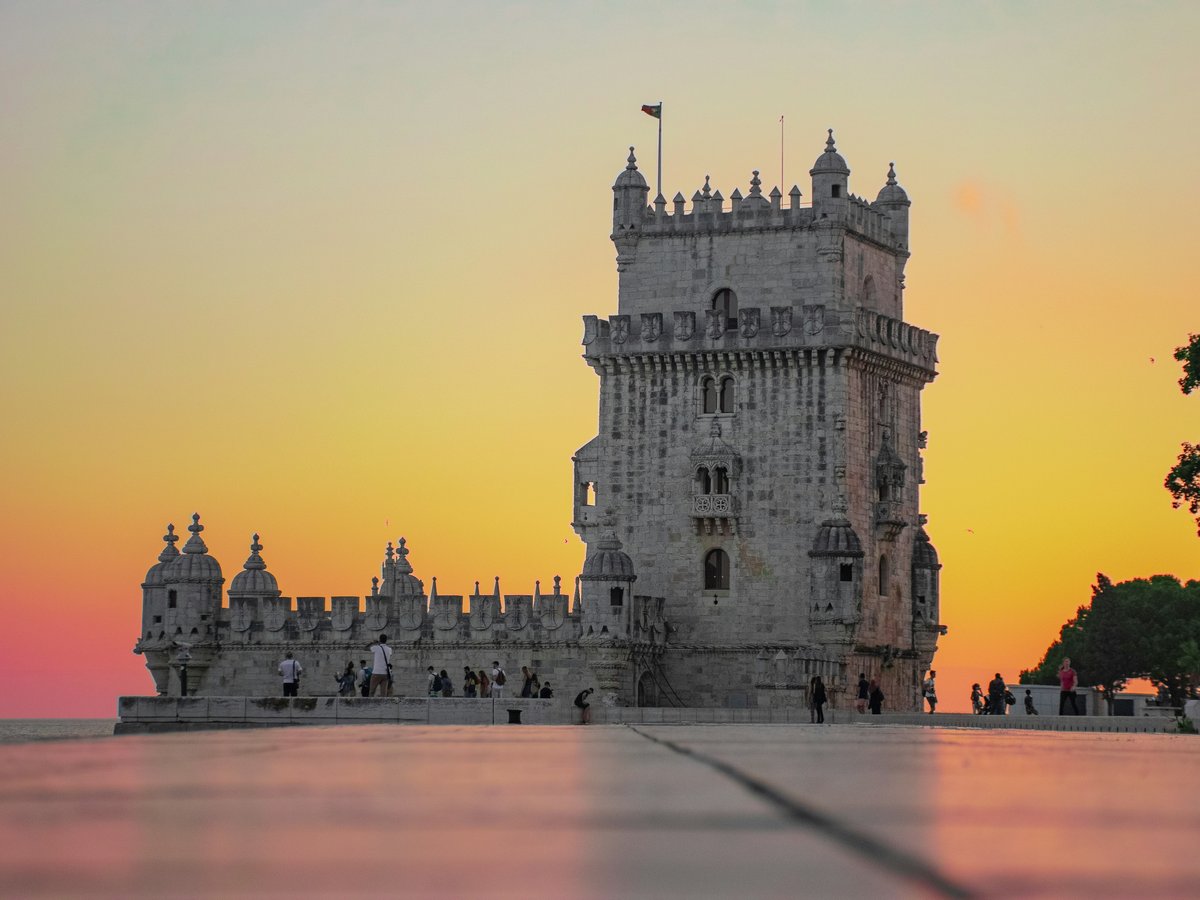
1 Belém Tower
Santa Maria de Belém, LisbonThe fortified river-mouth tower that sent Portuguese ships out to the world
At 38.6914 north, -9.2158 west, Belém Tower catches first light off the Tagus before the rest of the parish is awake. Skip the queue at the ticket window on a summer afternoon; the locals know the morning slot is the only civilised way in. This is the fortified tower of Santa Maria de Belém, and the building itself is the case for the visit: the stone loggias, the rib-vaulted chambers, the parapet walk that looks straight out at where the caravels turned for open water. Check hours and tickets at torrebelem.com before you go, because the tower closes on set days and the last admission is earlier than most visitors expect. It is a small building for its reputation, and better for it.
-
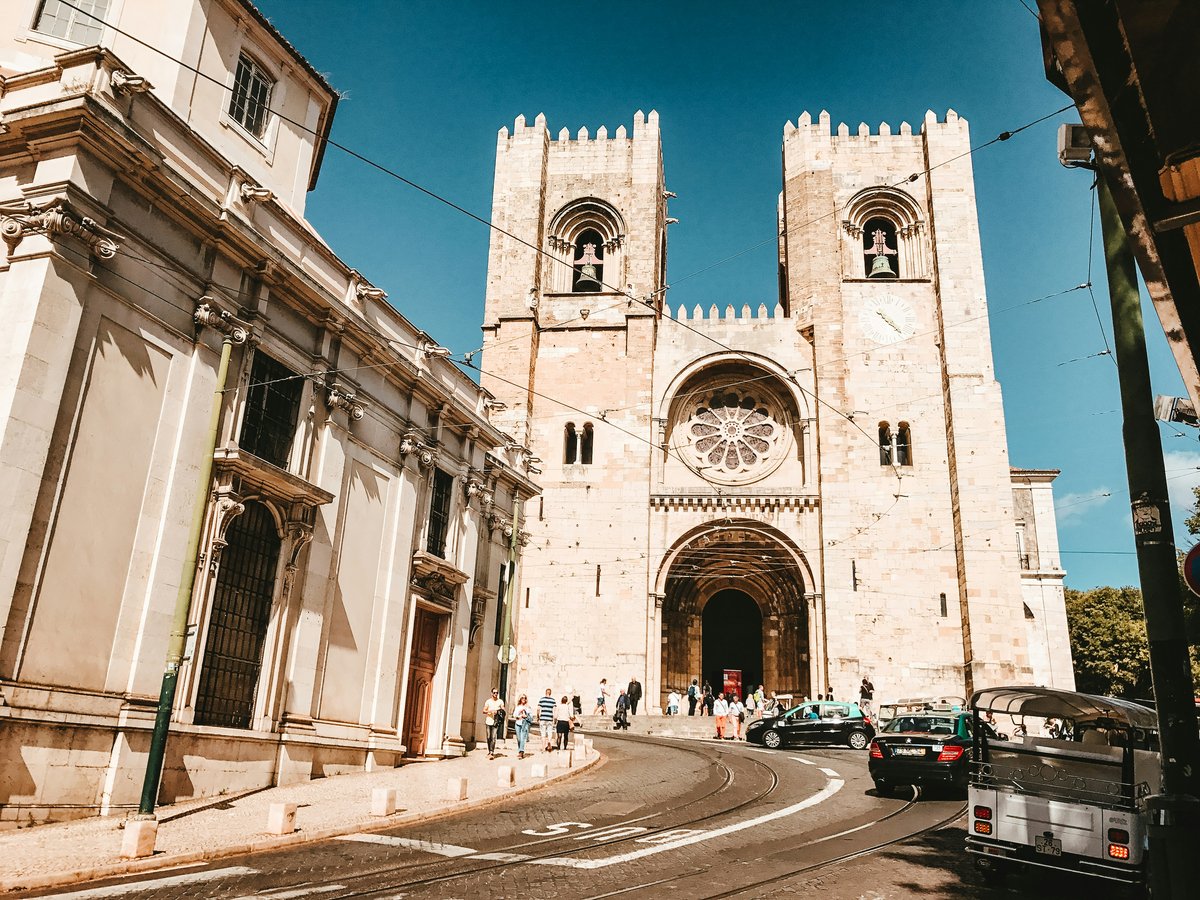
2 Lisbon Cathedral
Lisbon, PortugalThe city's oldest church, still the seat of the Patriarch
Mapped at 38.7099 north, -9.1330 west on the slope below the castle, Lisbon Cathedral, known locally as the Sé, is the Roman Catholic cathedral of the city. Don't bother with the cathedral-hopping bus tours that treat it as a photo stop; the building rewards a slow half hour inside, listening for the tram that grinds past the west front on the 28 line. The Patriarchate keeps the working information at patriarcado-lisboa.pt, and Mass times shift with the liturgical calendar, so check before you climb the hill. Wear shoes with grip: the cobbles on the approach are polished by centuries of feet, and the last stretch is steeper than it looks. Go on a weekday morning when the light through the rose window is at its best.
-
3 Castle of Saint George
Lisbon, PortugalA Moorish citadel with the best rampart view in the city
From the ramparts at 38.7139 north, -9.1333 west, the Castle of Saint George reads the city the way a Moorish castle was meant to: as a hilltop that sees every approach. Avoid the midday coach crowds; the locals go at opening or in the last hour before close, when the light on the tiled roofs below is worth the climb. Buy timed tickets at castelodesaojorge.pt rather than queuing at the gate, because the walk up the Alfama is long enough without wasting it on a slow line. The site is more than a viewpoint; the walls, the archaeological terrace, and the peacocks in the pine shade give a good ninety minutes back. Bring water and wear something with a hood in April, because the wind comes off the river without warning.
-
4 Teatro da Trindade
Rua Nova da Trindade, 9, 1200-301 LisboaA working Chiado playhouse a block off Rua Garrett
The door at Rua Nova da Trindade, 9, 1200-301 Lisboa is easy to miss between the shopfronts of the Chiado, but Teatro da Trindade has been mounting seasons here longer than most of the neighbourhood's bars have been open. Skip the tourist dinner-and-fado package on the same street; a night at the Trindade is what an evening in the Chiado is supposed to be. Programme, cast, and ticketing sit at teatrotrindade.inatel.pt; buy ahead when a headline production goes up, because the room is not large and the good seats disappear within days. The building is a working theatre in Lisbon, not a monument you tour, so plan the visit around an actual performance and give yourself half an hour before curtain to look at the foyer.
-
5 Teatro Politeama in Lisbon
Rua das Portas de Santo Antao 109-115, 1150 LisboaThe Portas de Santo Antão house that runs musicals and cinema seasons
At Rua das Portas de Santo Antao 109-115, 1150 Lisboa, the Politeama sits on one of the last true entertainment streets in the centre, the kind of address where the marquee still tells you what the evening is. The locals head here for the big Portuguese-language musical seasons rather than the international revues that circle the ring road; the Politeama is a theatre and cinema in one building, and the double programming is part of the character. Check what is on at filipelaferia.pt and book a stalls seat if you can; the sightlines from the upper tiers are steeper than the room suggests. Coordinates 38.7166 north, -9.1409 west put it a short walk from Restauradores, which is the sensible way in on a wet night.
-
![boats docked near seaside promenade]](/photos/Prb-sjOUBFs-1200.jpg)
6 Padrão dos Descobrimentos
Lisbon, PortugalThe riverside monument to the age of Portuguese exploration
Rising from the Tagus embankment at 38.6937 north, -9.2057 west, the Padrão dos Descobrimentos is the memorial the city built to the age it made. Don't bother trying to photograph it from directly below; the locals know the compass rose in the pavement and the view from the top platform are what earn the ticket. Hours and access sit at padraodosdescobrimentos.pt, and the lift can queue longer than the monument deserves, so aim for a first-hour slot. Pair it with the tower down the road, or with the Belém Palace behind, and treat the whole strip as a half-day rather than a photo stop. On a windy afternoon the river runs whitecaps right up to the stone, which is the honest version of what those ships were leaving into.
-
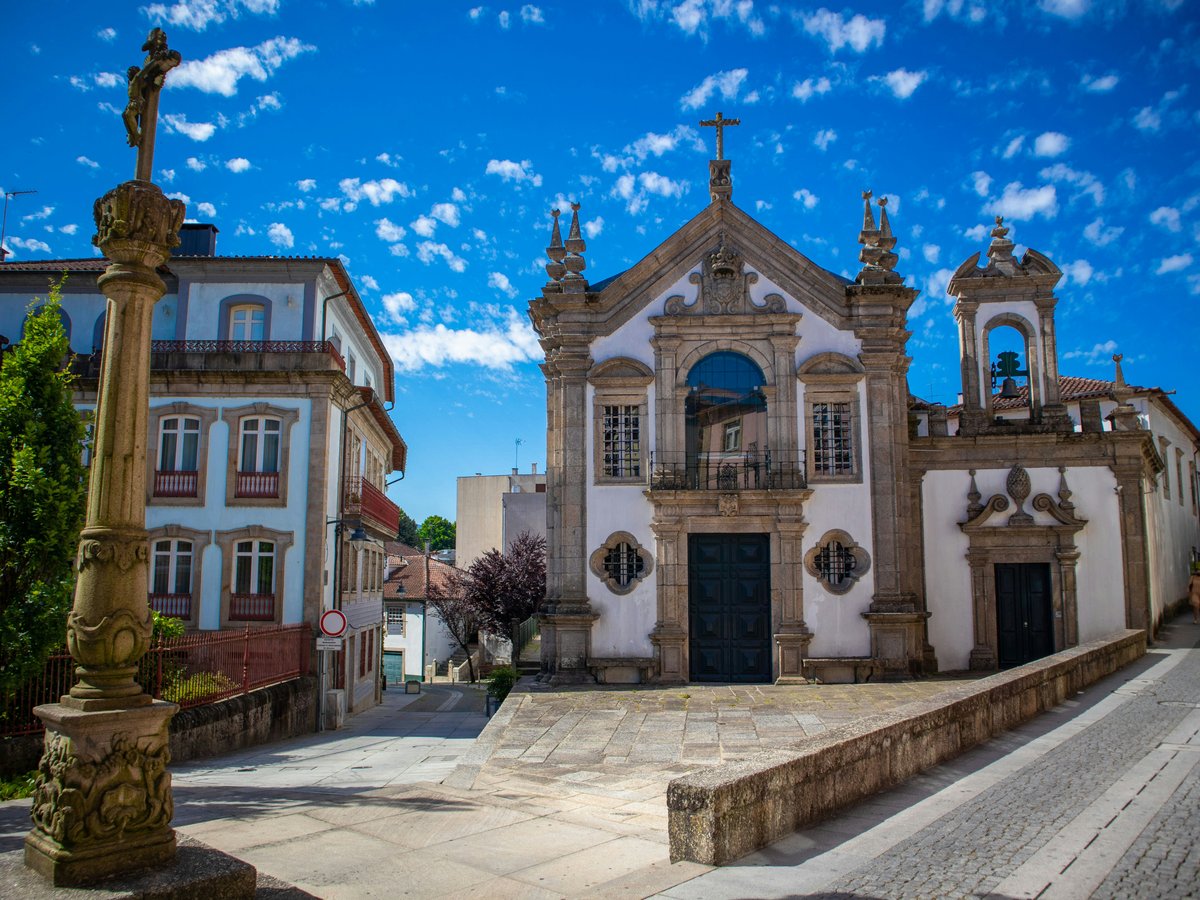
7 Church of Santa Engrácia
LisbonThe domed church that doubles as the National Pantheon
The dome at 38.7150 north, -9.1250 west is the one you keep seeing from the miradouros and cannot quite place; that is the Church of Santa Engrácia, which today serves as the National Pantheon. Skip the tour buses that treat it as a five-minute stop; the interior floor, the tombs, and the roof terrace need a full hour, and the terrace view over the Alfama is worth the climb by itself. Practical information sits at panteaonacional.gov.pt, and the site closes on set days each week, so check before you cross the tram tracks to reach it. Pair the visit with the Feira da Ladra flea market on the same slope on the days the market runs, and you have the honest version of an eastern-Lisbon morning.
-
8 Teatro Nacional de São Carlos
Lisbon, PortugalThe city's opera house, in the heart of the Chiado
Set at 38.7094 north, -9.1417 west in the Chiado, Teatro Nacional de São Carlos is the opera house of Lisbon and the room the city dresses up for. The locals prefer a mid-week performance to a Saturday one; the audience is more serious and the interval bar is less of a scrum. Season, cast, and ticket releases go up at saocarlos.pt well in advance, and the good boxes sell out the week they open, so treat the site as something to check the moment you know your dates. The room itself is small enough that a stalls seat and a cheaper upper-tier seat give genuinely different evenings; take the upper tier once for the ceiling and the sightline down onto the pit.
-
9 Teatro Nacional D. Maria II
Lisbon, PortugalThe neoclassical playhouse anchoring Rossio Square
Facing Rossio at 38.7148 north, -9.1398 west, Teatro Nacional D. Maria II is the dramatic theatre of the capital and the building most visitors walk past without recognising for what it is. Skip the cafés on the square that price the view; the theatre's own foyer is a better place to spend the half hour before a curtain, and the ticket buys you the room as well as the show. The current season and booking go through tndm.pt, and Portuguese-language work fills most nights, which is exactly the reason to go: this is where Lisbon sees itself on stage. Aim for a weekday performance; the Rossio crowds thin after 20:00 and the walk back through the Baixa is one of the good ones.
-
10 Belém Palace
Santa Maria de Belém, Lisbon District, PortugalThe official residence of the President of the Republic
The pink walls at 38.6980 north, -9.2006 west are Belém Palace, the official residence of the President of the Portuguese Republic and a working seat of state rather than a museum. Don't bother trying to walk in without a plan; the palace opens by scheduled visit only, and the Presidency posts the current arrangements at presidencia.pt. The locals know the changing of the guard on the forecourt is the free version and the interior tour is the one that earns the trip out to Belém. Pair the visit with the tower and the discoveries monument on the same waterfront strip and treat the whole thing as a full morning; the palace on its own is a short stop, but as the third point of a Belém triangle it makes the district make sense.
-
11 Sanctuary of Christ the King
Almada, PortugalThe hilltop shrine across the river with the widest view of Lisbon
Across the water at 38.6786 north, -9.1714 west, the Sanctuary of Christ the King is a Catholic shrine dedicated to the Sacred Heart of Jesus, and it stands in Almada rather than in the city itself. Skip the harbour cruises that promise a view of it from below; the locals take the ferry from Cais do Sodré and then a bus up the hill, which is cheaper, faster, and puts you on the viewing platform instead of underneath it. Opening hours and the current programme sit at cristorei.pt, and the platform closes earlier than the grounds, so plan the visit around the platform rather than the shrine. Save it for a clear afternoon: from the parapet the whole of Lisbon, the bridge, and the Tagus estuary lay out in one honest sweep.
-
12 Palace of Queluz
Queluz, Sintra, PortugalThe eighteenth-century royal palace on the way to Sintra
Out at 38.7504 north, -9.2582 west, the Palace of Queluz is a former royal palace and current national palace at Queluz, Sintra, and the honest case for stopping here on the way to the mountain. The locals prefer this to a rushed second palace in Sintra town; the gardens are quieter, the state rooms are set out for slow looking, and the visit fits into a half day rather than swallowing a whole one. Practical planning goes through pnqueluz.imc-ip.pt, and the train from Rossio to Queluz-Belas puts you within a walkable distance of the gate. Don't bother trying to combine it with a full Sintra day; treat Queluz as its own morning, then come back into Lisbon for lunch, and let Sintra have the second day it needs.
Last verified by automated review (v1.7.2_accom-wave-242-20260903070431) on . What is automated review?