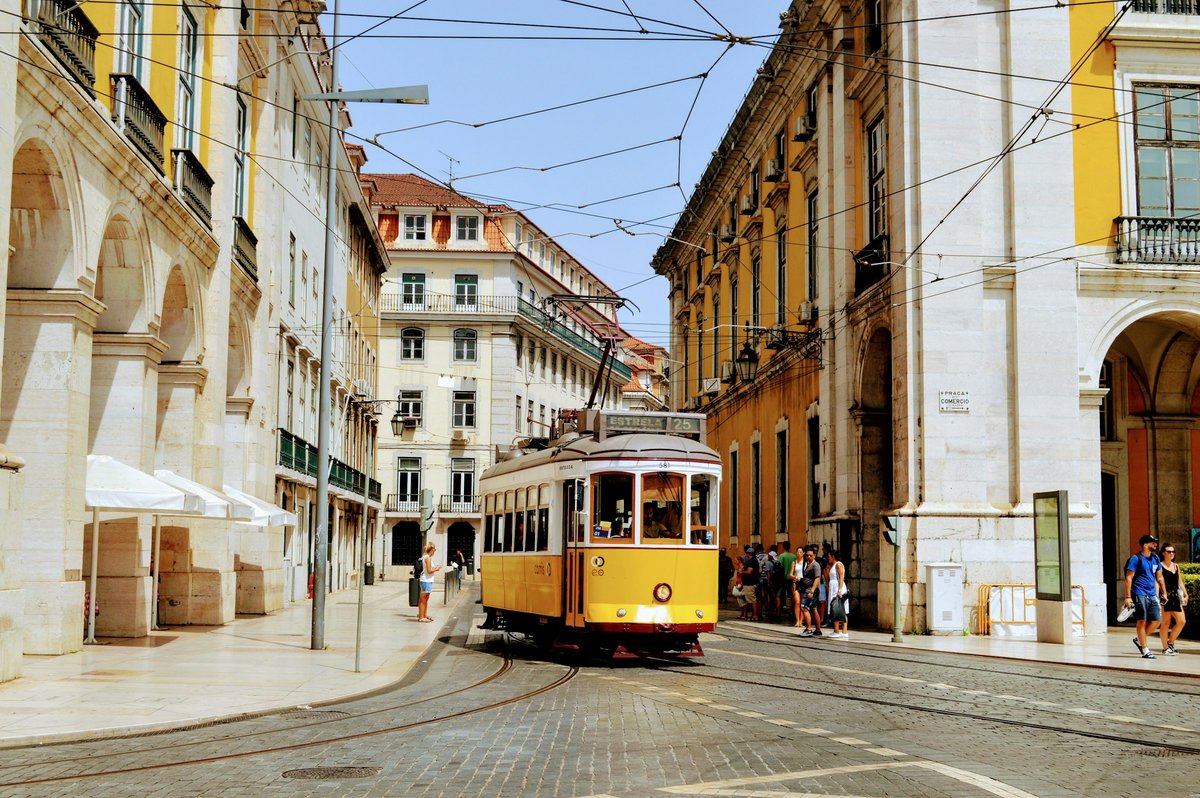
Lisbon for families
Lisbon scores 7.8 out of 10 for families, 48th of the 130 cities TTDI measures. The 3 lists picked for families in Lisbon carry 36 places. Belém Tower, Lisbon Cathedral and Castle of Saint George lead the picks.
Lisbon for families with kids, in numbers
- Score for families
- 7.8 out of 1048th of 130 cities
- Picks on this page
- 36 places across 3 lists, led by Belém Tower, Lisbon Cathedral, Castle of Saint George
Questions families with kids ask about Lisbon
-
Family-friendly
Lisbon is genuinely family-friendly, with hills and cobblestones as the main caveat. Parque das Nações is the flat, stroller-safe hub with the Oceanário and interactive science center. Belém works well for half-days. Avoid Alfama with wheels. Portuguese restaurants welcome kids warmly, and pastéis de nata solve most meltdowns.
Read the full answer → -
Is it safe?
Lisbon is one of the safest capitals in southern Europe for solo travelers. Violent crime against visitors is rare. The real risks are pickpockets on Tram 28 and in Baixa-Chiado, fake-drug sellers in Bairro Alto after midnight, and the slippery cobblestone hills that likely send more tourists to hospital than any street crime does. Emergency: 112.
Read the full answer → -
What to pack
Broken-in shoes with grip: Lisbon's calçada portuguesa cobblestones are polished smooth and turn slick in any rain. Pack layers for 15–28°C swings between shaded alleys and sun-blasted miradouros, a crossbody bag for Tram 28 pickpocket territory, and a 230V Type F adapter. Skip the umbrella: buy one at any Continente for €3.
Read the full answer → -
Getting around
Metro for distances, Bolt for hills, walking shoes for everything in between. Lisbon's four metro lines cover the flat modern city well, but the historic center is all steep cobblestone where no train goes. Load a Viva Viagem card with zapping credit at any station: it scans on metro, bus, tram, and ferry for €1.65 per trip.
Read the full answer → -
Best time to visit
April through May and September through October. Daytime temperatures hover around 22–26°C, rain is scarce, and Lisbon's hills are walkable without the 35°C heat that turns Alfama into a furnace in July. September evenings are still warm enough for outdoor sardines and vinho verde in Bairro Alto. Mid-May brings the jacaranda bloom across Príncipe Real.
Read the full answer →
Curated for families with kids
-
Must-see attractions
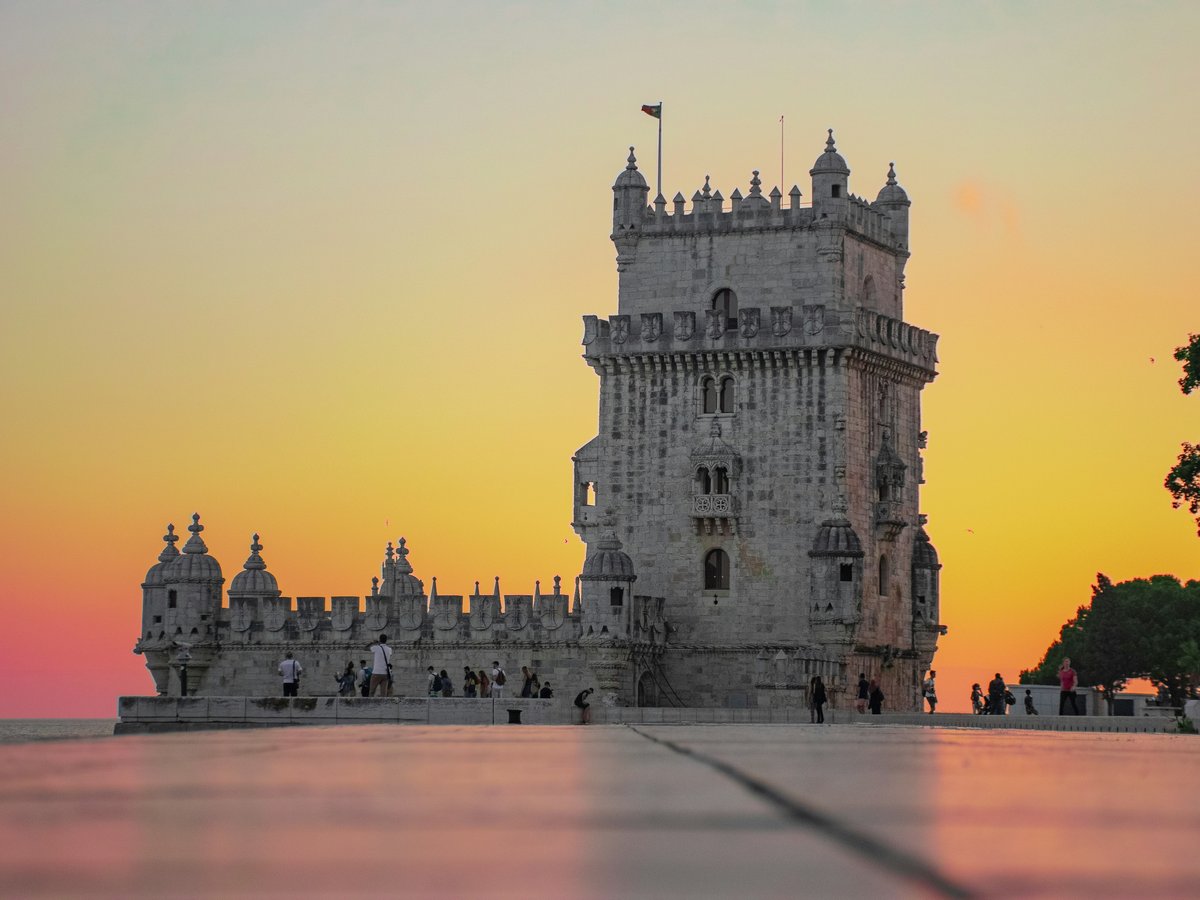
Lisbon's must-see list is not a checklist of postcards; it is a walk through the layered story of a maritime capital that keeps rebuilding itself on the same seven hills. The twelve entries below run from a Moorish castle above the Alfama to a royal palace out at Queluz, taking in a Roman Catholic cathedral, a national opera house, three working theatres, and the fortified tower that guarded the mouth of the Tagus when Portuguese ships were leaving to redraw the world map. Some sit within a short walk of each other in the Baixa and Chiado; others require a ferry, a train, or a bus over the bridge. Every venue here has a verified Wikidata footprint and an official site you can plan against, which matters in a city where opening hours shift with the season and queues form early. This is a list for the visitor who wants the buildings that made Lisbon Lisbon, not the ones that made the guidebook covers, and who is willing to spend a full day or two on the water and the hills to see them properly.
See the picks → -
Best free attractions
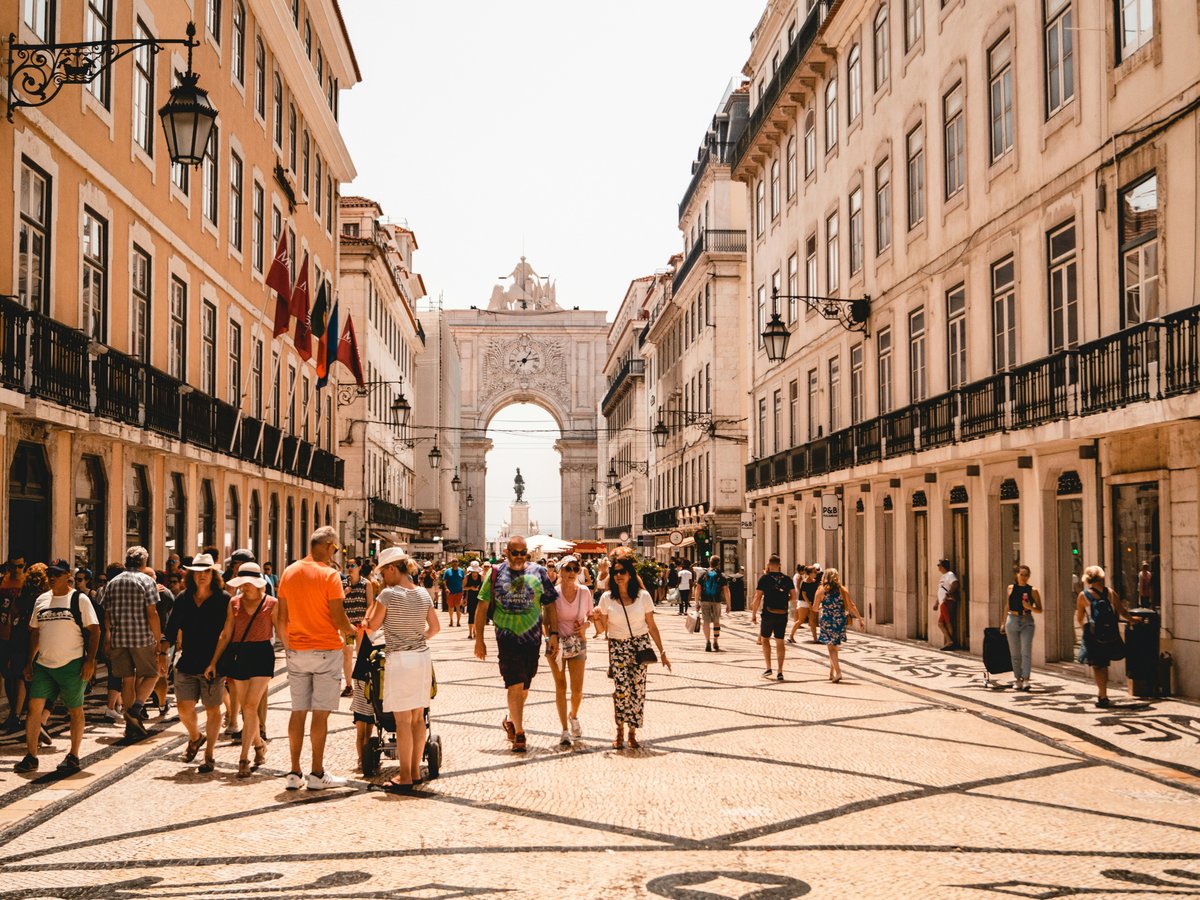
Lisbon rewards the walker who refuses to spend anything. The city's public rooms are its squares and gardens, most of them tied together by the same tiled pavements and the same slow afternoon light, and the twelve places below are the ones a local editor would still route a visiting friend through without apology. They are all squares or gardens, no ticketed monuments, no timed entries, no queues that move by the hour. Some are civic and grand, laid out to be photographed; others are neighbourhood benches under a jacaranda, better for reading than for postcards. The list runs roughly downhill to uphill, waterfront to Amoreiras, and mixes the obvious with the quieter ones the guidebooks skip on the way to a paid viewpoint. It is a list for a walker with a full water bottle and no particular schedule, and it assumes you would rather sit on a bench for an hour than tick a monument in twenty minutes.
See the picks → -
Best museums
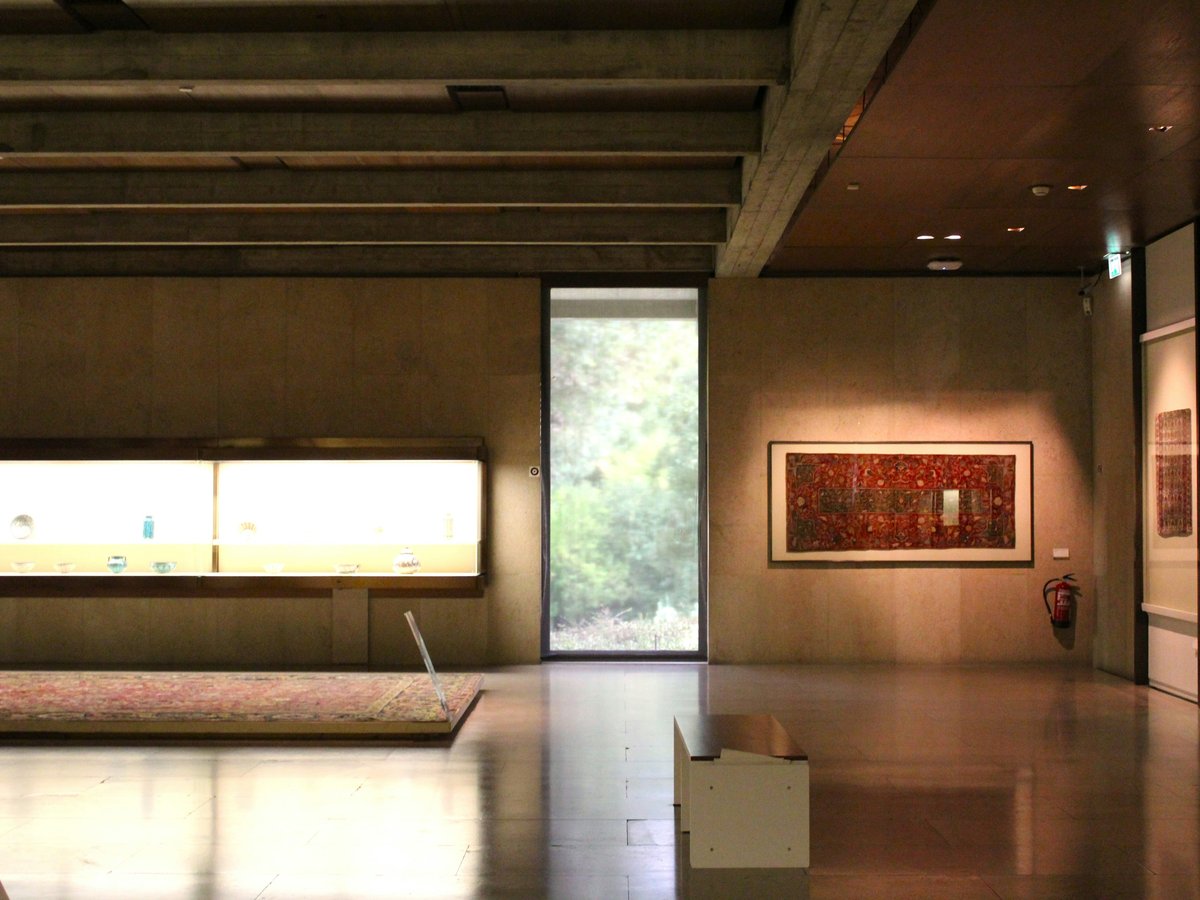
Lisbon's museums are not organised for a single afternoon or a single audience. The city holds one of Europe's most complete private art collections a short walk from a state museum of pre-modern European painting, and both sit within a taxi ride of a house dedicated to a single sung art form. What follows is 12 museums arranged by weight of collection and singularity of subject, from the Calouste Gulbenkian at Avenida de Berna 45A to the film archive on the same axis of the city. The list favours institutions with a defined argument: tile, fado, Portugal's long conversation with China. Some sit in the centre, near the Rua Augusta axis; one is across the estuary in Barreiro, and earns the ferry ride. Skip the reflex of ticking off only the headline names; the smaller specialist rooms often pay back the hour more honestly. Every address, phone number and website below is drawn from the venue's own record, and every factual claim carries a citation you can check.
See the picks →