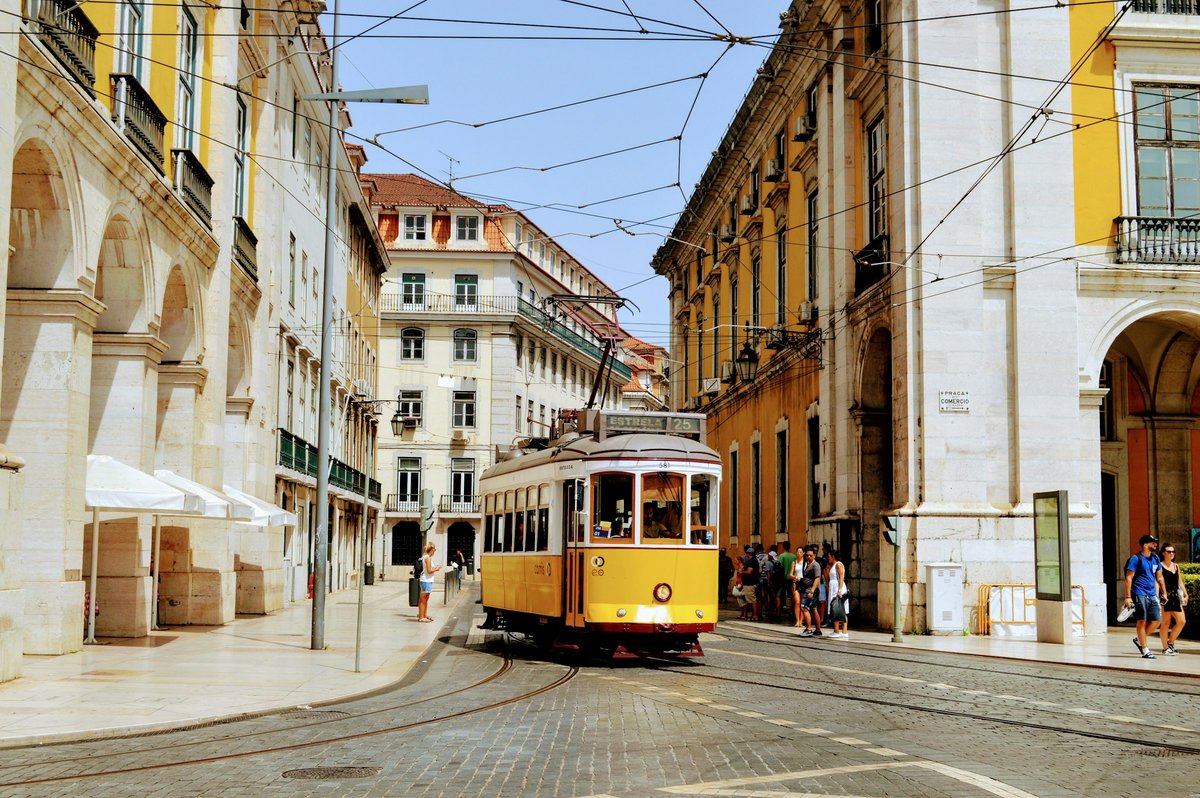
Lisbon for first-time visitors
Of the 24 places on the 2 lists picked for first-time visitors in Lisbon, 8 post opening hours, the earliest opening at 10:30 and the latest closing at 02:00. Belém Tower, Lisbon Cathedral and Castle of Saint George lead the picks.
Lisbon for first-timers, in numbers
- Picks on this page
- 24 places across 2 lists, led by Belém Tower, Lisbon Cathedral, Castle of Saint George
- Posted hours
- 8 picks post hours earliest 10:30, latest 02:00; 0 open by 09:00, 8 past 21:00
Questions first-timers ask about Lisbon
-
Must-see
Jerónimos Monastery in Belém, not the castle. São Jorge has the views everyone photographs, but Jerónimos is where Lisbon's identity as a maritime power becomes physical: 500-year-old limestone columns carved to look like ropes, coral, and sea creatures, all paid for with spice-trade wealth. Go at 10am Tuesday through Saturday. Tickets €10.
Read the full answer → -
Best time to visit
April through May and September through October. Daytime temperatures hover around 22–26°C, rain is scarce, and Lisbon's hills are walkable without the 35°C heat that turns Alfama into a furnace in July. September evenings are still warm enough for outdoor sardines and vinho verde in Bairro Alto. Mid-May brings the jacaranda bloom across Príncipe Real.
Read the full answer → -
Airport to city
Take the Metro Red Line from Lisbon airport directly into the city center: €1.65 per ride plus a €0.50 reloadable Viva Viagem card, roughly 20 minutes to Alameda or Saldanha. Runs 6:30am to 1am. After hours, Uber or Bolt will cost €10-15 to most central neighborhoods. The airport sits just 7km from downtown.
Read the full answer → -
How to get there
Lisbon's Humberto Delgado Airport (LIS) sits just 7 km north of downtown: one of Europe's shortest airport-to-city-center distances. Direct flights connect from the US East Coast (7 hours on TAP, United, Delta), London (under 3 hours), and most European capitals. November through March is the cheap window, with transatlantic round-trips dropping to $550–700.
Read the full answer → -
Getting around
Metro for distances, Bolt for hills, walking shoes for everything in between. Lisbon's four metro lines cover the flat modern city well, but the historic center is all steep cobblestone where no train goes. Load a Viva Viagem card with zapping credit at any station: it scans on metro, bus, tram, and ferry for €1.65 per trip.
Read the full answer →
Curated for first-timers
-
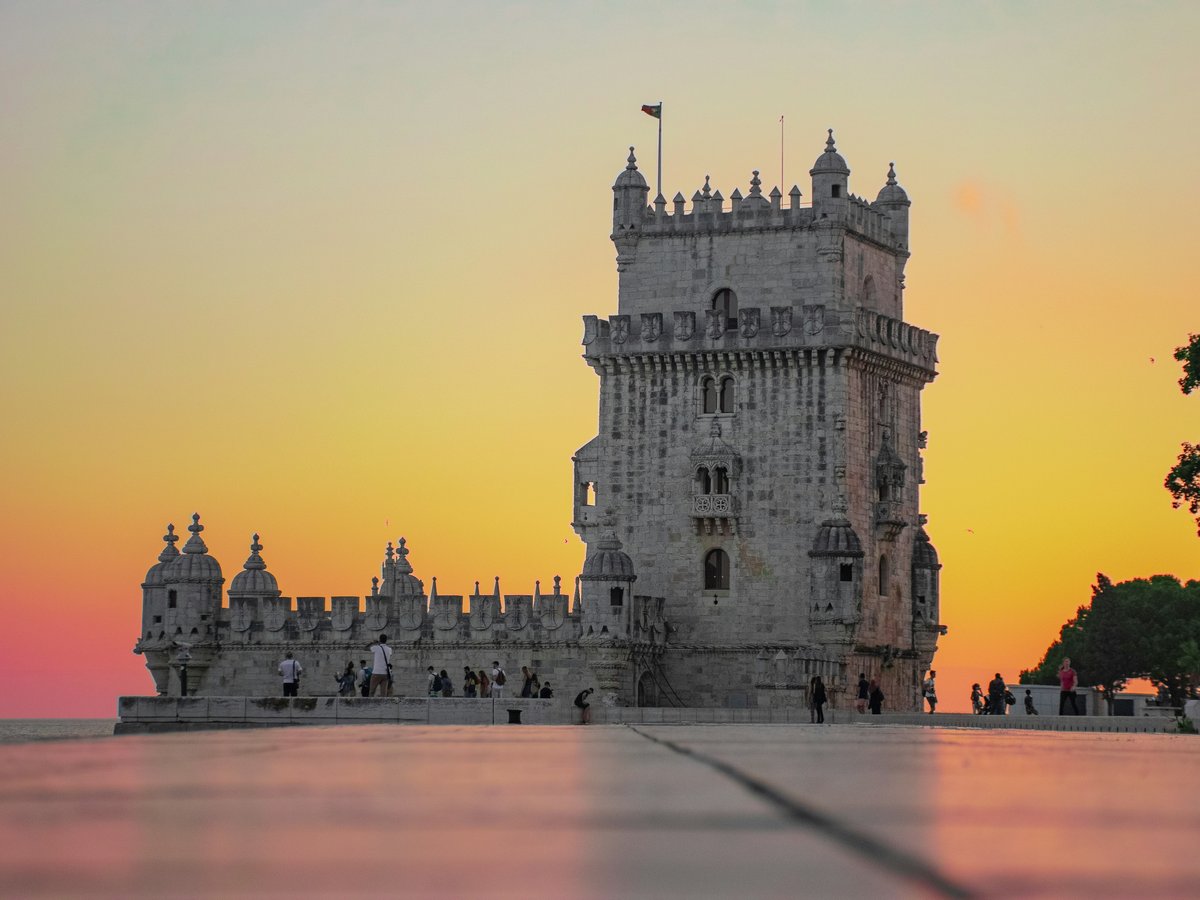
Must-see attractions
Lisbon's must-see list is not a checklist of postcards; it is a walk through the layered story of a maritime capital that keeps rebuilding itself on the same seven hills. The twelve entries below run from a Moorish castle above the Alfama to a royal palace out at Queluz, taking in a Roman Catholic cathedral, a national opera house, three working theatres, and the fortified tower that guarded the mouth of the Tagus when Portuguese ships were leaving to redraw the world map. Some sit within a short walk of each other in the Baixa and Chiado; others require a ferry, a train, or a bus over the bridge. Every venue here has a verified Wikidata footprint and an official site you can plan against, which matters in a city where opening hours shift with the season and queues form early. This is a list for the visitor who wants the buildings that made Lisbon Lisbon, not the ones that made the guidebook covers, and who is willing to spend a full day or two on the water and the hills to see them properly.
See the picks → -
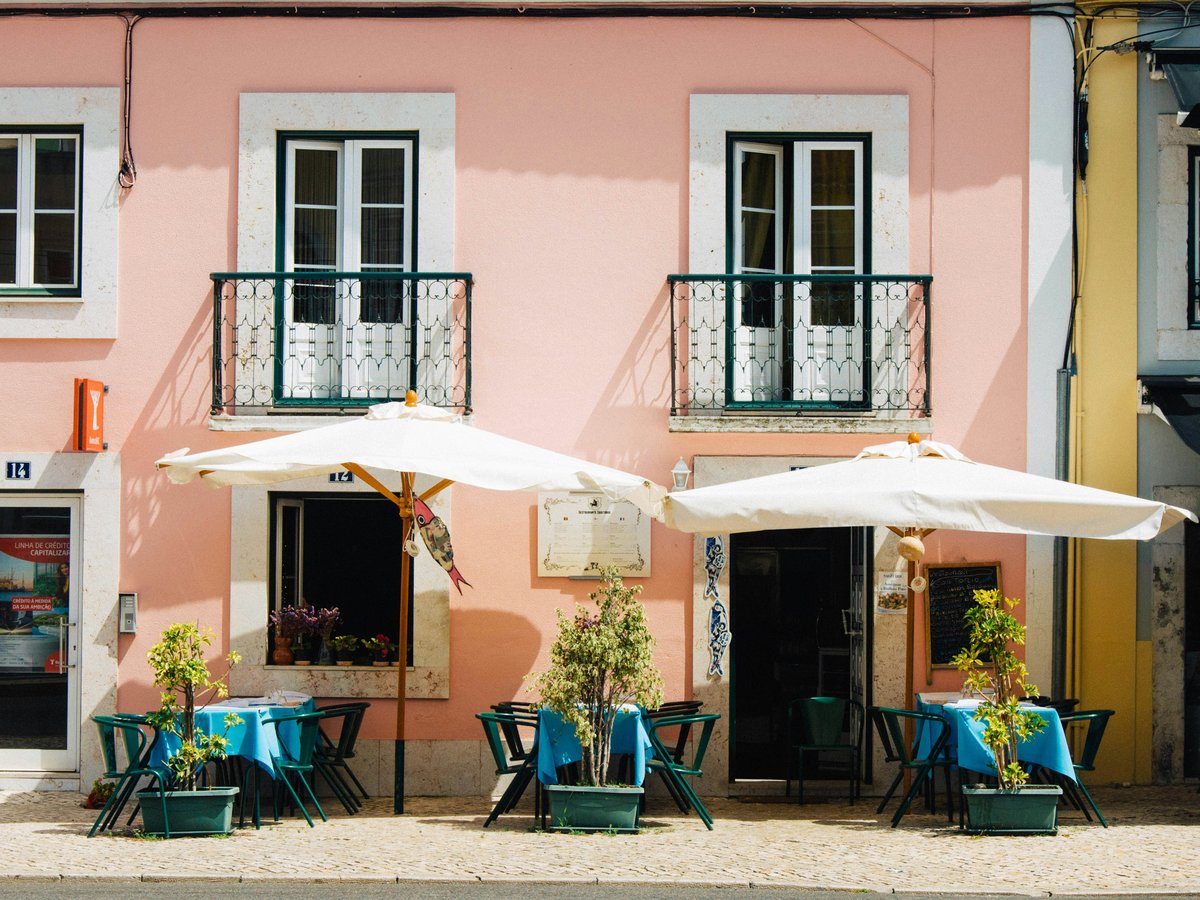
Best restaurants
Lisbon eats late, eats slowly, and rewards the visitor who wanders off the tram-line tourist trail. The twelve restaurants below sit almost entirely in the tight grid of streets running north from Avenida da Liberdade through Anjos and Arroios: a working part of town where lunch service still starts at 12:00 and the room fills with people who work nearby. The list is deliberately un-Instagrammed: a vegetarian dining room that has quietly held its ground for decades, an Ethiopian-Lebanese counter run out of a corner on Rua dos Anjos, a seafood cervejaria whose queue is its menu, and a scatter of small Portuguese, Asian and Levantine kitchens whose only shared trait is that locals book them. Skip the pastel-de-nata queues on Rua Augusta and the fado-with-dinner tourist traps; the cooking that argues for Lisbon happens uphill, in rooms that seat forty and answer their own phone. Every address, hour and telephone number below is cited to the bundle; the opinions are the editor's.
See the picks →