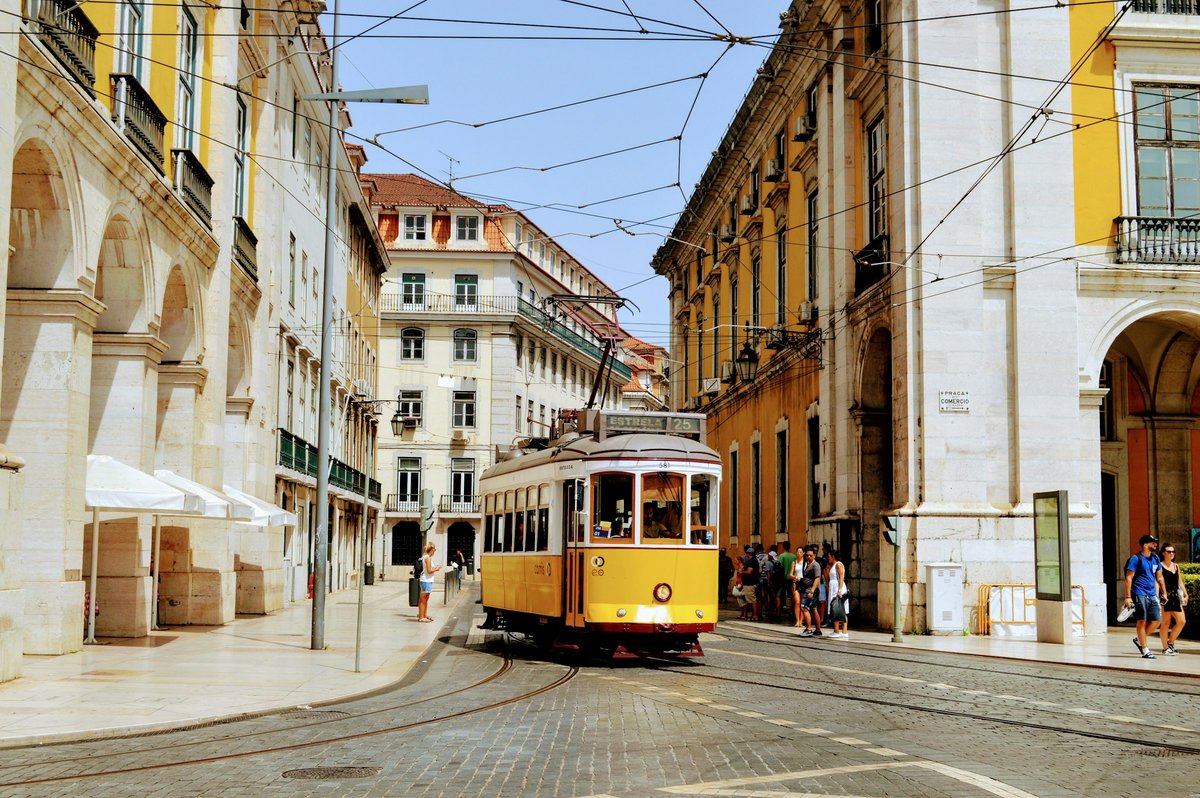
Lisbon on a budget
Lisbon has 13 budget-tier hotels in the Trip.com pool from US$18 a night. The 2 lists picked for budget travelers in Lisbon carry 16 places. The Central House Lisbon Baixa, Independente Príncipe Real and Famous Crows Lisbon Suites lead the picks.
Lisbon for budget travelers, in numbers
- Picks on this page
- 16 places across 2 lists, led by The Central House Lisbon Baixa, Independente Príncipe Real, Famous Crows Lisbon Suites
- budget-tier hotels
- 13 in the Trip.com poolfrom US$18 a night
Questions budget travelers ask about Lisbon
-
Cost per day
Lisbon costs €45-50/day ($53-58) at the budget floor. A hostel dorm, three meals at neighborhood tascas, and pay-as-you-go Metro fares fit inside that number. Midrange lands at €110/day ($130) with a 3-star room and one museum entry. Couvert charges and tourist-area restaurant markups are the two drains first-timers miss.
Read the full answer → -
What to avoid
Skip Tram 28 between 10am and 5pm (pickpocket teams work the boarding crush between Martim Moniz and the Sé), skip laminated-menu restaurants on Rua Augusta, and never eat the couvert bread and olives without asking the price. The Belém waterfront sights sell out by 11am on weekends, so book timed entry or go Tuesday morning.
Read the full answer → -
Getting around
Metro for distances, Bolt for hills, walking shoes for everything in between. Lisbon's four metro lines cover the flat modern city well, but the historic center is all steep cobblestone where no train goes. Load a Viva Viagem card with zapping credit at any station: it scans on metro, bus, tram, and ferry for €1.65 per trip.
Read the full answer → -
Airport to city
Take the Metro Red Line from Lisbon airport directly into the city center: €1.65 per ride plus a €0.50 reloadable Viva Viagem card, roughly 20 minutes to Alameda or Saldanha. Runs 6:30am to 1am. After hours, Uber or Bolt will cost €10-15 to most central neighborhoods. The airport sits just 7km from downtown.
Read the full answer → -
Food culture
Lisbon's food culture runs on salt cod, charcoal-grilled sardines, and custard tarts eaten standing up. Lunch hits around 1pm; dinner rarely before 8:30. The best meals are in tascas: small, family-run spots in Mouraria and Alfama where the menu is whatever the cook decided that morning. Eat where the tile walls are cracked and the wine comes in a jug.
Read the full answer →
Curated for budget travelers
-
Best hostels
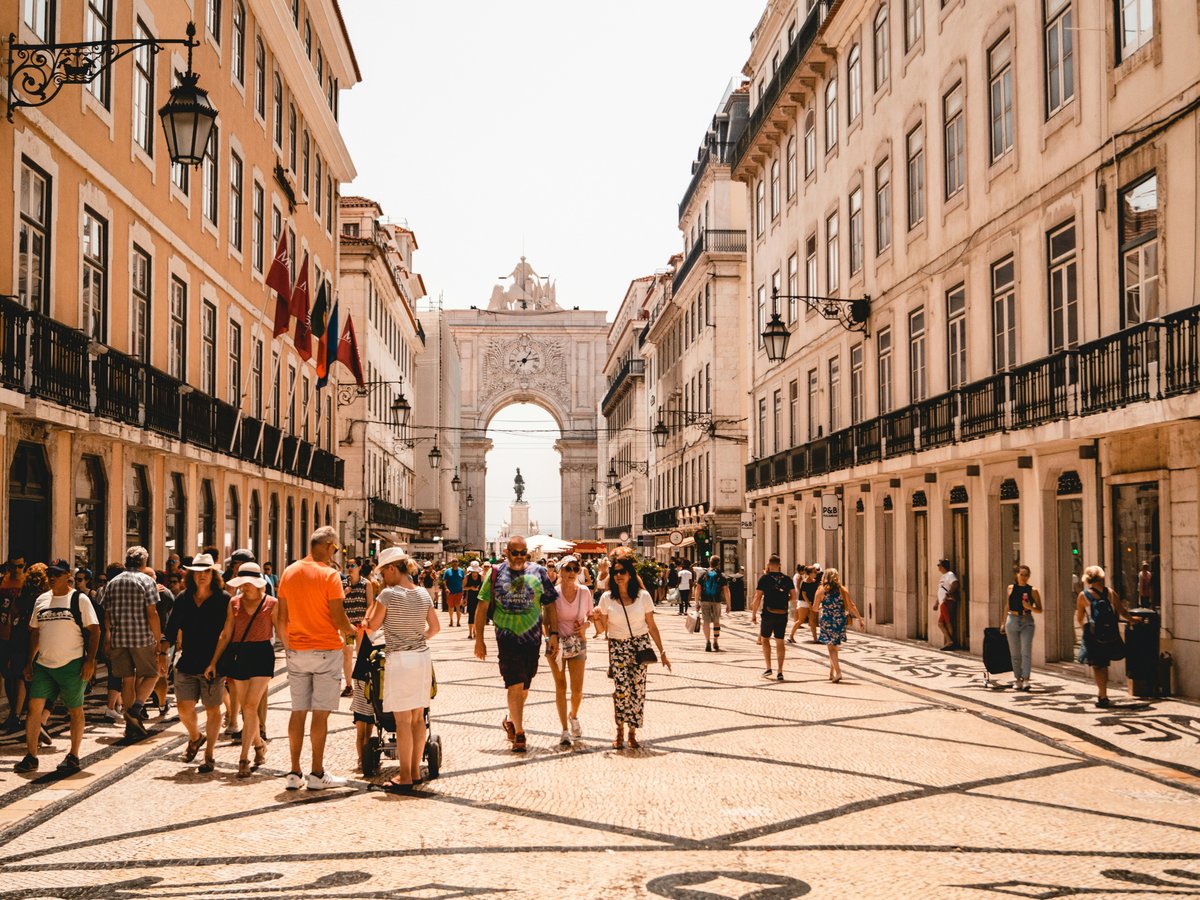
Lisbon's hostel scene spreads across four distinct pockets, each with its own pace and price floor. The grid streets of Baixa put you at the center of the transit web, where trams and metro lines converge beneath the Arco da Rua Augusta. West along the river, Belém trades density for breathing room and monument-scale open space. The Old Town climbs the hills above Baixa in narrow lanes where laundry lines cross between buildings and fado bars stay open past midnight. Ratings across all four areas sit above 8.5 on Trip.com, and nightly prices for a hostel bed start under $20 in the densest quarters. The differences are not about quality; they are about what you want outside your door. Pick Baixa for flat walking and fast connections, the Old Town for atmosphere and altitude, or Belém for the quiet end of the waterfront. Each area below names a specific hostel that anchors the budget tier, with its rating and price, so you can compare the floor before you compare the rooms.
See the picks → -
Best free attractions
Lisbon rewards the walker who refuses to spend anything. The city's public rooms are its squares and gardens, most of them tied together by the same tiled pavements and the same slow afternoon light, and the twelve places below are the ones a local editor would still route a visiting friend through without apology. They are all squares or gardens, no ticketed monuments, no timed entries, no queues that move by the hour. Some are civic and grand, laid out to be photographed; others are neighbourhood benches under a jacaranda, better for reading than for postcards. The list runs roughly downhill to uphill, waterfront to Amoreiras, and mixes the obvious with the quieter ones the guidebooks skip on the way to a paid viewpoint. It is a list for a walker with a full water bottle and no particular schedule, and it assumes you would rather sit on a bench for an hour than tick a monument in twenty minutes.
See the picks →