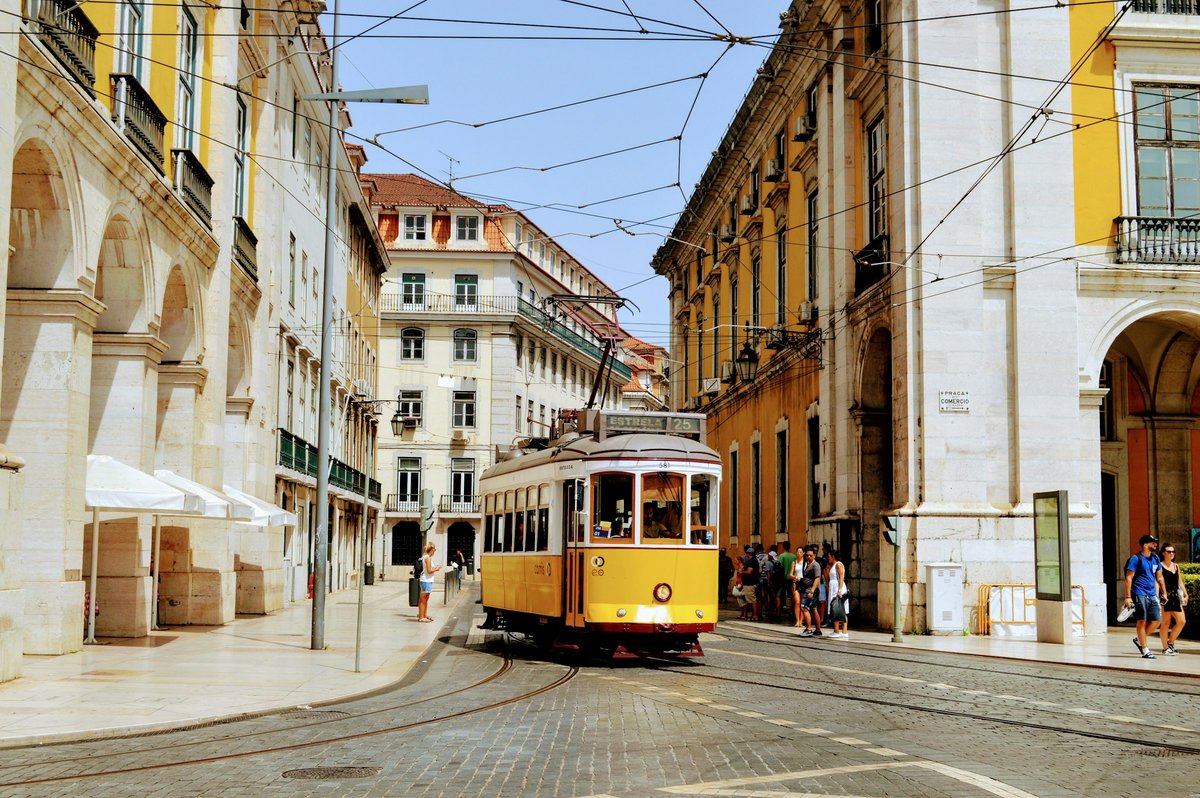
Lisbon runs late. That's the first thing you need to understand about going out here. Dinner rarely starts before 9 PM, and the idea of arriving at a bar before 11 feels almost rude. The city has this slow-burn approach to nightlife: people ease into the evening over wine and petiscos, drift toward a bar around midnight, and might not set foot in a club until 2 AM. To be fair, the warm climate has a lot to do with it. On summer nights the whole city seems to spill outdoors, congregating on miradouros with cheap beer and tinny speakers, or filling the narrow alleys of Bairro Alto shoulder to shoulder. There's no velvet-rope pretension to most of Lisbon's nightlife. The dress code at all but a handful of spots is basically "wear shoes." You'll find suited bankers drinking ginjinha from plastic cups next to art students in paint-stained jeans. That mix: old money, new creative class, Erasmus students, and a growing community of remote workers: gives the city its particular after-dark character. It's unpretentious but not unsophisticated. People here know their wine, they know their music, and they tend to know exactly which street to be on at which hour. The challenge for visitors is that a lot of this knowledge is unwritten. Bars don't always have signs. Clubs rarely advertise their lineups outside of Instagram. The best nights often happen in places you stumble into sideways.
Where Lisbon Drinks: From Corner Tascas to Terrace Cocktails
The bar scene here has layers, and they don't always overlap. Start with the tascas: those tile-walled neighborhood joints where the wine comes from unmarked bottles and the bartender has been pouring since before you were born. These aren't tourist attractions. They're where locals drink on weeknights, standing at the counter with a glass of tinto for a couple of euros. You'll find them scattered across Alfama, Graça, and the backstreets of Mouraria. No cocktail menu. No garnish. Just wine, beer, maybe a brandy if you ask. Then there's the cocktail bar tier, which has grown considerably over the past few years. The speakeasy trend arrived in Lisbon a bit later than in London or New York, but it landed with commitment. Several places in Príncipe Real and Santos now do serious craft cocktails: think house-made syrups, Portuguese spirits like medronho and ginjinha worked into original recipes, proper ice programs. Expect to pay somewhere around eight to fourteen euros for a well-made drink, which still feels reasonable if you've been to Copenhagen or Zurich lately. Rooftop bars are everywhere now, which makes sense given the topography. Lisbon is all hills, and the views from up high (terracotta rooftops tumbling toward the Tagus, container ships sliding past) are genuinely striking at sunset. The catch is that the most publicized rooftop spots tend to lean touristy, with inflated prices and DJs playing safe house music. The better ones are usually attached to hotels in less obvious neighborhoods, or perched on parking garages in areas like Intendente where the crowd skews local. Wine bars deserve their own mention because, well, this is Portugal. The country produces some of the most interesting wines in Europe at prices that still feel like a secret. Natural wine bars have taken hold in neighborhoods like Anjos and Arroios, often tiny rooms with hand-chalked menus and staff who genuinely want to walk you through what's open. Port and Moscatel by the glass are common even in casual spots. Worth noting: Portuguese wine culture leans toward sharing. Ordering a bottle for two or three people is the norm, and splitting it is just what you do.
The Club Scene: Slow Starts and Long Finishes
Lisbon's club culture currently sits at an interesting crossroads. The city earned a reputation as a serious electronic music destination over the past decade, particularly for techno, and that scene is still very much alive. But it's shifted geography and mood a few times, and the post-pandemic landscape doesn't look quite like 2018. The riverfront corridor along Santos and Cais do Sodré has been the traditional clubbing axis. Warehouses and converted industrial spaces near the docks host nights that lean toward techno, minimal, and house. The sound tends toward the darker, more hypnotic end of the spectrum: Berlin-adjacent, if you want a shorthand, though locals might bristle at that comparison. Things genuinely don't start until 2 AM at the earliest. Showing up at midnight means you'll be standing in a mostly empty room watching the DJ warm up. Peak energy tends to hit around 3:30 or 4 AM, and some spots run until 8 or later on weekends. Dress codes are relaxed at most electronic music venues. Trainers are fine. Dark clothing is common but not required. The one consistent rule is that bouncers at the more curated nights will turn away groups that look like stag parties or people who seem excessively drunk. Door policies can feel opaque: some nights use a loose "right to refuse" system where the bouncer makes a judgment call. Going as a smaller group, being calm and friendly at the door, and showing genuine interest in the music all help. Outside the techno world, there are clubs playing a wider mix: Afrobeat and kuduro nights reflect Lisbon's deep connections to Angola, Cape Verde, and Mozambique. These tend to happen in spaces around Martim Moniz and Intendente, sometimes as weekly residencies, sometimes as pop-ups announced on social media a few days before. The energy is completely different from a techno night: louder conversation, more dancing in pairs, warmer lighting. If you only do one club night in Lisbon, honestly, a kuduro or kizomba party might give you something you can't find anywhere else in Western Europe. Cover charges vary. Smaller clubs and bar-clubs in Bairro Alto and Cais do Sodré often have no cover or charge five to ten euros that includes a drink. The larger electronic venues charge more for special events and international bookings: fifteen to twenty-five euros is common for a headline night, occasionally more. Advance tickets through resident platforms tend to be cheaper than paying at the door.
Live Music: Fado Houses, Jazz Cellars, and Everything Between
You can't talk about live music in Lisbon without talking about fado, though the relationship between fado and nightlife is more complicated than guidebooks suggest. Traditional fado houses in Alfama and Mouraria are dinner-and-show affairs: you eat, you listen, you're expected to be quiet during performances. The music itself is haunting, built around the Portuguese guitar's metallic shimmer and vocals that seem to pull emotion out of the walls. But it's more of a cultural experience than a night out. Most fado houses wrap up by 11 PM or midnight, and the atmosphere is contemplative rather than social. That said, a newer generation of musicians has been pulling fado's melancholy DNA into more contemporary settings. You'll occasionally find late-night sessions in bars around Alfama where younger fadistas perform in a looser format, no fixed setlist, audience talking between songs, someone ordering a round of shots during the guitar break. These feel more like stumbling into someone's living room than attending a concert. They tend not to be heavily promoted; asking bartenders in the neighborhood is the most reliable way to find them. Jazz has a solid foothold. There are a few dedicated jazz clubs in the Príncipe Real and Santos areas that book both Portuguese and international acts. Sets usually start around 10 or 10:30 PM, and the rooms are small enough that you're close to the musicians. Portuguese jazz has its own flavor: you might hear a saxophone player weaving in phrases that sound suspiciously like fado melodies, or a rhythm section pulling from African musical traditions that arrived via Lisbon's former colonies. For rock, indie, and everything else, the venues cluster around a few zones. Converted warehouses east of Santa Apolónia host larger touring acts. Smaller rooms in Anjos and Arroios book local bands most weeknights: garage rock, post-punk, experimental electronics, hip-hop showcases. The Portuguese hip-hop and rap scene has grown enormously and is worth catching live if you're into it; the lyrical tradition draws heavily on the experiences of second-generation immigrants from the former colonies, and performances carry a political charge you don't always get in anglophone hip-hop. Thursday and Friday tend to be the strongest nights for live shows across genres. Monday and Tuesday are quiet almost everywhere.
Nightlife neighborhoods
-
Bairro Alto
Narrow cobblestone streets that fill with people from about 10 PM onward, noise bouncing off tiled facades, the smell of spilled beer and grilled sardines mixing in the humid air. Dozens of tiny bars crammed into a grid roughly six blocks square. The crowd is young, international, and loud.
- Best for
- Casual bar-hopping with a big group, Thursday through Saturday. The go-to if you want variety without committing to one place.
- Standouts
- Most bars here are small, independently run, and change hands frequently. The streets themselves (Rua da Atalaia, Rua do Norte, Rua da Barroca) are the attraction more than any single venue.
-
Cais do Sodré
The waterfront strip that reinvented itself from a rough sailors' quarter into Lisbon's most concentrated nightlife corridor. Rua Nova do Carvalho (the famous Pink Street) is the spine. The air smells like the river when the wind shifts. Louder and more curated than Bairro Alto, with proper sound systems and later closing times.
- Best for
- Late-night dancing, DJ sets, and the transition from bars to clubs without changing neighborhoods. Friday and Saturday peak around 1 AM.
- Standouts
- The Pink Street bars are the obvious draw, but the side streets and the waterfront warehouses south of the railway line are where the more serious music programming happens.
-
Alfama
Steep, labyrinthine streets that feel almost medieval after dark. Quieter than Bairro Alto, more atmospheric. The sound of a fado singer drifting through an open window. Cobblestones slick from the evening dew. A neighborhood that rewards wandering without a plan.
- Best for
- Fado houses, intimate wine bars, and a slower, more contemplative kind of evening. Best midweek when the tourist density drops.
- Standouts
- Traditional fado houses line the streets around Largo do Chafariz de Dentro. Small tascas on the way up to the Castelo serve cheap wine with views.
-
Príncipe Real
Lisbon's most polished neighborhood after dark. Tree-lined streets, well-dressed crowd, the clink of cocktail glasses on terrace tables. More conversational than chaotic: people come here to sit and drink well rather than stumble between spots.
- Best for
- Cocktail bars, wine bars, and a quieter night out with good food nearby. Thursday through Saturday, starting around 9 PM for dinner and staying.
- Standouts
- The streets radiating from the Jardim do Príncipe Real park hold most of the cocktail spots. Several wine bars have opened on Rua da Escola Politécnica in recent years.
-
Santos and Madragoa
The stretch between Cais do Sodré and Alcântara, running along the river. Old warehouses converted into late-night venues. The smell of salt air and diesel from the docks. Less foot traffic than Bairro Alto, which means the crowds that do show up tend to be more intentional about where they're going.
- Best for
- Serious clubbing, especially electronic music. Friday and Saturday, arriving no earlier than 1:30 AM if you want to catch the room when it's properly full.
- Standouts
- Riverside warehouse venues host the city's most notable electronic music nights. The programming leans toward techno, house, and experimental: check local listings and Instagram for weekly schedules.
-
Intendente and Anjos
The grittier, more creatively charged part of Lisbon's nightlife map. Still rough around the edges, which is part of the appeal. Street art on crumbling facades, the thump of bass from a basement bar, the smell of food from Cape Verdean restaurants mixing with cigarette smoke. A neighborhood that feels like it's being built in real time.
- Best for
- Live music, African-rooted club nights, and a crowd that skews local, younger, and more diverse than the tourist-heavy zones. Any night of the week can surprise you.
- Standouts
- Venues along Avenida Almirante Reis and the side streets around Largo do Intendente book live acts and DJ nights. The programming changes quickly: follow local promoters on social media.
-
LX Factory and Alcântara
A former industrial compound under the 25 de Abril bridge, now a curated mix of shops, restaurants, and bars. The daytime market crowd clears out by evening and the bars take over. The bridge overhead hums with traffic. Views across the river to the Cristo Rei statue lit up against the dark.
- Best for
- An early-evening drink with a view before heading to Santos or Cais do Sodré, or a weekend afternoon that drifts naturally into night. Best on Saturdays.
- Standouts
- The complex hosts several bars and occasional live music events. More of a starting point than a destination for a full night out.
Safety after dark
Lisbon is generally quite safe after dark, even in the central nightlife areas, but common sense still applies. Pickpocketing is the main concern: crowded bars in Bairro Alto and packed trams are the usual contexts. Keep your phone in a front pocket and don't leave bags unattended on bar counters or chair backs.
Getting home is straightforward. The metro runs until about 1 AM, which is early relative to when things get going. After that, ride-hailing apps work reliably throughout the city center, though surge pricing kicks in around 3 to 4 AM on weekends. Traditional taxis are plentiful: stick to licensed ones with meters. The night bus network covers some routes, though frequency drops off considerably after 2 AM.
Drink spiking is rare but not unheard of, same as any European city with a heavy nightlife scene. The usual precautions: don't accept drinks from strangers, keep your glass in sight, go out with people you trust. If something feels wrong, the staff at most Lisbon bars are approachable and will help.
One Lisbon-specific note: the hilly terrain plus cobblestones plus alcohol is a combination that catches people out. Wear shoes you can walk in. A twisted ankle on a steep Alfama street at 3 AM is a common and entirely preventable injury. The streets can also be genuinely slippery when wet: those beautiful limestone pavements turn into ice rinks after rain.
Around Martim Moniz and parts of Mouraria, you might get approached by people offering drugs. A firm "não, obrigado" and walking on is all that's needed: it's low-pressure compared to some other European cities. Avoid buying anything; quality is unreliable and undercover police do operate in the area.
Practical tips
- Cover charges
- Most bars in Bairro Alto and Cais do Sodré have no cover. Clubs range from free entry on quieter nights to five to twenty-five euros for bigger events, often including one or two drinks. Check promoter pages for advance tickets: they're almost always cheaper and sometimes the only way to guarantee entry on popular nights.
- Tipping
- Tipping isn't expected in bars the way it is in the US. Rounding up or leaving a euro or two for good table service is appreciated but not obligatory. At cocktail bars with table service, ten percent on the total is generous. Nobody will chase you down for not tipping.
- What locals drink
- Wine is the default. A glass of house tinto or branco at a tasca costs between two and four euros and is almost always drinkable. Super Bock and Sagres are the two main beers: ordering one over the other is roughly as contentious as the Coke-Pepsi debate. Ginjinha, the sour cherry liqueur, is the traditional Lisbon shot: sweet, slightly medicinal, served in tiny glasses. Imperial means a small draft beer in Lisbon specifically; in Porto they call it a fino.
- Timing your night
- Dinner at 9 PM. Bars from 11 PM. Clubs from 2 AM. Leaving a club at 5 or 6 AM and walking to a pastelaria for a fresh pastel de nata and a coffee is a Lisbon ritual. The bakeries that open at dawn near nightlife areas know exactly who their early morning customers are.
- Language at the door
- English is widely spoken in nightlife areas, especially by younger staff. That said, a few words of Portuguese go a long way: "uma cerveja, por favor" and "obrigado" will earn you a warmer reception than launching straight into English. Lisbon locals tend to be patient with attempts at Portuguese, even bad ones.
- Smoking
- Smoking indoors is restricted in Portugal, but enforcement varies. Smaller bars sometimes look the other way, and many venues have open-air sections or terraces where smoking is the norm. If smoke bothers you, check whether a bar has outdoor seating before settling in. Rolling tobacco is common here: the sweet, slightly herbal smell of hand-rolled cigarettes is part of the Bairro Alto atmosphere whether you like it or not.
FAQ
What time do bars and clubs close in Lisbon?
Most bars in Bairro Alto close around 2 to 3 AM. Cais do Sodré spots tend to run a bit later, some until 4 AM. Proper clubs stay open until 6 AM or later on weekends. The city enforces noise ordinances in residential areas like Bairro Alto, which is partly why closing times there are earlier than in the warehouse districts along the river.
Is Lisbon nightlife expensive compared to other European cities?
It's still relatively affordable, though prices have climbed in the past few years. A beer in a casual bar runs two to four euros, cocktails eight to fourteen. Club entry ranges from free to around twenty-five euros for big events. Compared to London, Paris, or Amsterdam, you'll likely spend noticeably less on a night out, though the gap has narrowed, especially in tourist-heavy areas.
What should I wear to go out in Lisbon?
Casual is fine for the vast majority of places. Jeans, trainers, and a decent shirt will get you into almost any bar and most clubs. A few upscale cocktail spots and certain club nights might expect slightly more effort: dark, clean, put-together. Heels are a brave choice given the cobblestones, and locals tend to favor flats or low-heeled boots for practical reasons.
Is Bairro Alto safe at night?
Generally yes, and it's one of the most populated nightlife areas so there's safety in numbers. The main risks are pickpockets working the crowds and the occasional noise-related tension with residents who live above the bars. Stick to the main streets, keep valuables secure, and you'll likely have no issues. The police maintain a visible presence on busy nights.
Where do locals go out in Lisbon?
It depends on the local. The Bairro Alto and Cais do Sodré corridor draws a mixed crowd but skews younger and more international. Locals who've outgrown the Bairro Alto scene tend toward Príncipe Real for drinks, Santos for late-night clubs, or increasingly the Intendente and Anjos area for live music and a less tourist-oriented atmosphere. Many lisboetas simply rotate between a few favorite spots rather than bar-hopping widely.
Can I hear fado as part of a night out, or is it more of a dinner thing?
Traditional fado houses are structured as dinner experiences with set performance times, usually wrapping up by 11 PM or midnight. They're worth doing but feel more like a cultural outing than a night on the town. For something looser, look for bars in Alfama that host informal late-night sessions: these are less predictable but feel more spontaneous. You might also catch younger artists blending fado elements into other genres at venues in Intendente or Anjos.
Last verified by automated review (v1.7.1) on . What is automated review?