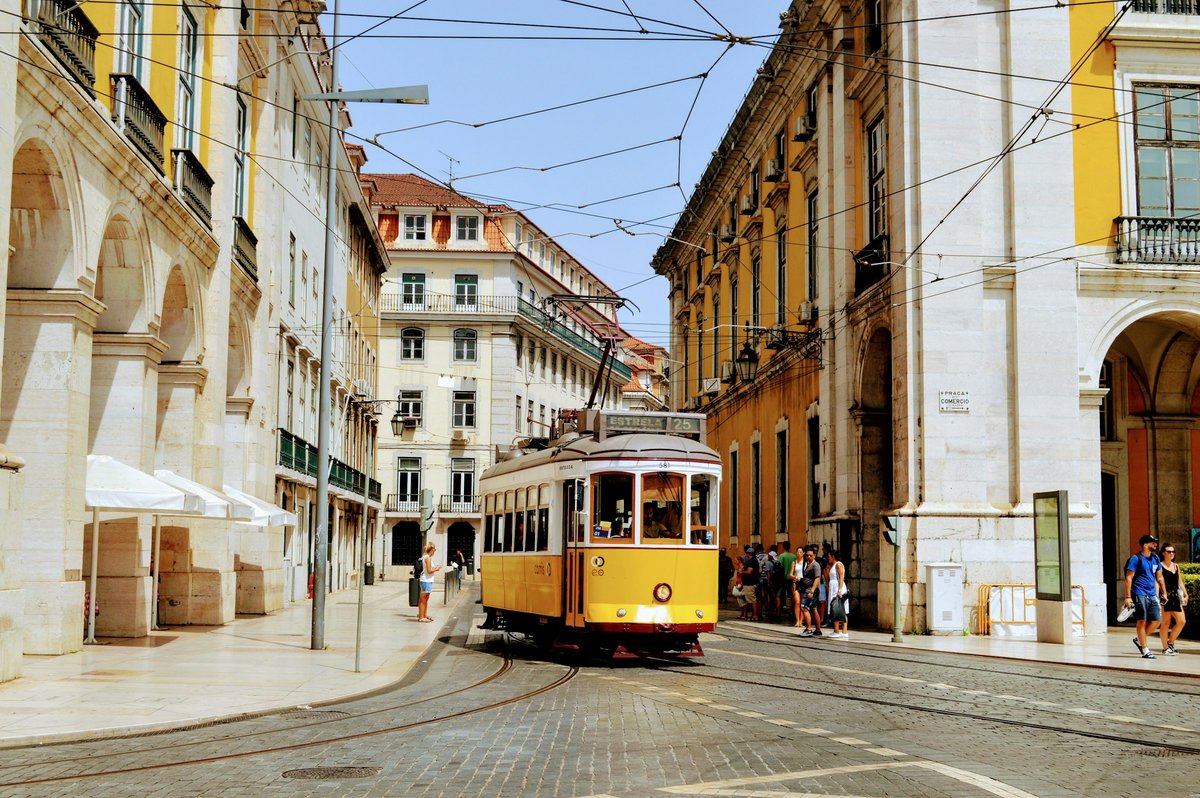
Lisbon has never really been about flashy retail or designer-label pilgrimages. What it does well (and has done for centuries) is craft. Tiles, tinned fish, cork, leather, linen. The kind of goods that carry the smell of the workshop where they were made. You'll find Portuguese ceramics in every tourist zone, sure, but the gap between a hand-painted piece from a small atelier in Príncipe Real and a mass-produced plate near Rossio is something you can feel in your hands. The city's shopping culture still leans heavily on independent stores and family businesses, especially once you step off the main commercial arteries. Shopping hours tend to start late and stretch into the evening, with a lingering lunch gap at smaller shops that catches visitors off guard. Credit cards work almost everywhere now, though market vendors and some older shops in Alfama or Mouraria still prefer cash. One thing worth knowing: Lisbon is not a bargain city for European visitors the way it was a decade ago, but it remains genuinely affordable compared to Paris or London, and the quality of artisan goods relative to what you pay is still striking.
Shopping districts
-
Baixa-Chiado
mid-range to upscaleThe main commercial spine of the city, running from Rossio down through Rua Augusta to the river. Baixa is the grid of broad pedestrian streets rebuilt after the 1755 earthquake, and it has that formal neoclassical feel: wide sidewalks, tiled facades, shoe shops that have been in the same family for generations sitting next to international chains. Rua Augusta is the obvious pedestrian artery, always crowded, with buskers and the smell of roasting chestnuts in winter. The side streets are where things get more interesting. Rua da Prata and Rua do Ouro still have traditional goldsmiths and silversmiths, though they're thinning out. Chiado, uphill to the west, shifts the tone: bookshops, design stores, Portuguese fashion labels. The Bertrand bookshop on Rua Garrett has been operating since 1732, and whether or not that claim is perfectly continuous, the space itself feels weighted with time. Chiado tends to attract a slightly older, better-dressed crowd than Baixa. Worth noting: the whole area gets genuinely packed on Saturday afternoons.
Best for: Portuguese fashion labels, traditional goldsmiths, bookshops, and general browsing
-
Príncipe Real
upscaleThis is where Lisbon's design-conscious crowd gravitates. The neighborhood sits on a hill above Chiado, centered around a garden with a massive cedar tree that locals sit under. The streets around here (Rua da Escola Politécnica, Rua Dom Pedro V) are lined with concept stores, vintage furniture dealers, independent Portuguese designers, and the occasional gallery that doubles as a shop. The energy is quieter than Chiado, more curated. You'll find cork goods done with actual design sensibility here, not the tourist-trap cork handbags that populate Alfama. There's a good cluster of antique shops along Rua Dom Pedro V where you might spend an hour picking through old azulejo tiles, colonial-era furniture, and Portuguese silverware. Prices are higher than the city average, but you're paying for curation and quality. The Embaixada shopping gallery, housed in a 19th-century neo-Moorish palace, gathers small Portuguese brands under one roof: it's a useful starting point if you want a concentrated dose of what local designers are doing.
Best for: Portuguese design, concept stores, antiques, and curated homeware
-
Rua de São Bento
mid-range to highThe antiques street. Or it was, fully: these days it's a mix of antique dealers, vintage shops, and a few newer design studios that have moved into the gaps. The walk down from Príncipe Real toward the São Bento Palace takes you past window after window of old tiles, religious art, colonial furniture, brass hardware, and the kind of ornate mirrors that would cost a fortune to ship home. The dealers here tend to know their stock well and some speak limited English, but they're patient if you're genuinely browsing. Prices are negotiable on bigger items, though nobody's expecting aggressive haggling. The street has a dusty, unhurried feel: the sort of place where you lose track of time pulling open drawers in a cabinet from the 1940s.
Best for: Antiques, vintage furniture, azulejo tiles, and decorative arts
-
Mouraria and Intendente
budget to mid-rangeThis area has changed faster than almost anywhere else in Lisbon over the past decade. Mouraria is historically one of the city's most multicultural quarters: tight streets, laundry on lines overhead, the sound of fado drifting out of doorways alongside Bangladeshi and Chinese grocery shops. Intendente, at its edge, was rough not long ago and now hosts creative studios, small galleries, and a growing cluster of independent shops. The shopping here is not polished. You'll find fabric stores run by South Asian merchants, cheap housewares, African hair salons, and then suddenly a ceramics studio or a vinyl record shop tucked into a former warehouse. The prices are the lowest in the central city. It feels real in a way that Chiado and Príncipe Real no longer quite do, though gentrification is visibly working its way through.
Best for: Multicultural goods, fabric, street-level browsing, and emerging creative studios
-
Avenida da Liberdade
luxuryLisbon's answer to the Champs-Élysées, though narrower and lined with jacaranda trees that turn the whole avenue purple in late May. This is where the international luxury brands cluster: the usual suspects occupy the ground floors of grand 19th-century buildings. The avenue itself is pleasant for walking, with a shaded central promenade and mosaic-paved sidewalks, but the shopping is largely interchangeable with any European luxury strip. That said, a few Portuguese brands hold their own here. If you're after high-end Portuguese leather goods or tailored clothing, this is where to look. The side streets off the avenue, especially toward Rua de São José, have smaller shops with more personality.
Best for: International designer brands, high-end Portuguese leather, and luxury retail
-
Alfama
budget to mid-rangeAlfama is where most tourists end up buying souvenirs, and honestly, a lot of what's on offer is forgettable: mass-produced ceramic roosters, fridge magnets, tea towels. But if you're selective, there are genuine finds. The neighborhood's tight medieval streets hide a handful of small ateliers producing hand-painted azulejos, and a few shops specialize in canned fish from Portuguese brands that have been tinning sardines since the early 1900s. The conserveira shops (sardine and seafood tins stacked floor to ceiling in retro packaging) are genuinely charming and the products are legitimate pantry staples, not just novelty gifts. Mind you, the closer you get to the Castelo de São Jorge, the more generic things become. The lower streets near the Sé cathedral tend to have better-quality shops.
Best for: Azulejo tiles, canned fish, traditional souvenirs, and small ceramic workshops
-
LX Factory
mid-rangeA converted industrial complex under the 25 de Abril bridge in Alcântara. LX Factory is Lisbon's most concentrated cluster of independent shops, design studios, bookshops, and food stalls, all housed in repurposed factory buildings with exposed brick and steel beams. The bookshop Ler Devagar, set inside a former printing press with books stacked up to the ceiling and a bicycle suspended in mid-air, tends to be the headline draw. The rest of the complex mixes Portuguese craft brands, streetwear, vinyl, vintage clothing, and handmade jewelry. It skews young and creative. Weekends bring live music and food markets that make the whole space feel more like a festival than a shopping center. It's become touristy (no getting around that) but the quality of what's sold here is generally higher than what you'll find in Alfama's souvenir shops.
Best for: Independent design, vintage clothing, books, and weekend market atmosphere
Markets
-
Feira da Ladra
fleaLisbon's flea market, and one of the oldest in Europe. It sprawls across the Campo de Santa Clara, uphill from Alfama near the Panteão Nacional. The name translates roughly to 'thieves' market,' which gives you a sense of the original atmosphere. These days it's a mix of professional antique dealers with proper stalls and locals who lay out blankets covered in whatever they've cleared from their attics: old keys, chipped porcelain, VHS tapes, military medals, vinyl records with water damage. The quality is uneven, which is the point. You might find a beautiful hand-painted tile from the 1920s sitting next to a broken lamp. Arrive early: by mid-morning the good stuff has been picked over by dealers. The surrounding streets have permanent antique shops that are worth browsing if the market itself feels picked clean.
Tuesdays and Saturdays, roughly 6:00 to 17:00
-
Mercado da Ribeira (Time Out Market)
foodThis one needs a caveat. The ground floor of the Mercado da Ribeira has been taken over by the Time Out Market, which is essentially a curated food hall: it's packed, it's loud, and it's very much geared toward visitors. The food is generally good but overpriced by Lisbon standards. That said, if you go early on a weekday morning, the original market section on the opposite side still operates with local vendors selling produce, fish, flowers, cheese, and cured meats. The fish counter alone is worth the visit: glistening sardines, monkfish, octopus laid out on ice, and the briny smell hits you from across the hall. The produce side has seasonal fruit that tastes like something: Algarve oranges in winter, cherries from Fundão in early summer. It's two completely different experiences depending on which entrance you use.
Daily, roughly 6:00 to 14:00 for the traditional market; Time Out Market side open until late evening
-
Mercado de Campo de Ourique
foodIf you want to see where Lisbonites do their food shopping (or at least the ones in this residential neighborhood) Campo de Ourique is it. The market building is smaller and calmer than Mercado da Ribeira, with stalls selling cheese, charcuterie, fresh fish, bread, and wine. There's a handful of prepared food counters where locals eat lunch at the counter, which tends to be cheaper and more relaxed than the Time Out Market. The surrounding neighborhood is pleasant and walkable, with independent shops and the Cemitério dos Prazeres nearby if you're the kind of person who finds old cemeteries interesting. Which, in Lisbon, you should be.
Monday to Saturday, roughly 7:00 to 20:00
-
Mercado Biológico do Príncipe Real
artisan and organicA small organic farmers' market held in the Jardim do Príncipe Real, under the big trees. Local producers sell seasonal vegetables, goat cheese, honey, preserves, bread, and sometimes wine. It's not large (maybe twenty or thirty stalls on a good day) but the quality is high and it has a neighborly feel. You'll hear as much Portuguese as English, which is increasingly rare in central Lisbon markets. Good place to pick up local honey or a wedge of Serra da Estrela cheese to eat that evening.
Saturdays, roughly 9:00 to 14:00
-
Feira de Carcavelos
generalNot in central Lisbon, but a short train ride down the Cascais line. This is one of the larger weekly markets in the greater Lisbon area, and it's almost entirely local: clothing, shoes, household goods, produce, plants, and the odd antique stall. Prices are noticeably lower than anything in the city center. It's not curated or photogenic, just a functional weekly market where families do their shopping. Worth the trip if you want to see how Portuguese markets work outside the tourist bubble.
Thursdays, roughly 7:00 to 14:00
-
LX Market
artisan and vintageA weekend market held at LX Factory that leans toward handmade and vintage goods: jewelry, ceramics, prints, upcycled clothing, leather goods. The vendors rotate, so repeat visits turn up different things. It tends to draw a younger crowd and has a relaxed, browsing-friendly energy. Street food stalls line the edges. The quality of craft work is generally solid, though you'll want to be discerning: some stalls sell generic imported goods dressed up as artisan.
Sundays, roughly 10:00 to 19:00
Souvenirs worth bringing home
Skip the ceramic roosters unless you genuinely like them: the Galo de Barcelos is from the Minho region, not Lisbon, and most of what you'll see is factory-made in China. What's genuinely worth bringing home: hand-painted azulejo tiles, either vintage from Feira da Ladra or newly made by Lisbon ateliers. A single tile, properly wrapped, travels well and costs very little. Canned fish is the other standout: Portuguese conservas are a legitimate culinary tradition, not a gimmick. Brands like Conserveira de Lisboa have been tinning sardines, mackerel, and codfish since the 1930s, and the retro packaging makes them easy gifts. Cork products are everywhere, and some of it is quite good: Portugal produces roughly half the world's cork, so the provenance is real. Look for wallets, bags, or notebook covers from shops that source Portuguese cork rather than the mass-produced tourist pieces. Pastéis de Belém don't travel, but a bag of Portuguese coffee beans does. Ginjinha (the sour cherry liqueur) comes in small bottles that pack easily. A bottle of decent ginjinha runs well under ten euros at a supermarket, so don't overpay at a tourist shop. Portuguese wool blankets from Alentejo are bulky but last decades. Portuguese olive oil is world-class and still underpriced compared to Italian or Spanish equivalents: look for single-estate bottles at specialty food shops rather than the supermarket blends. For something unexpected, Portuguese salt from the Algarve or Aveiro salinas has a clean mineral quality and comes in handsome packaging.
Practical tips
- Bargaining
- Fixed prices are the norm in shops, and nobody expects you to negotiate. At Feira da Ladra and other flea markets, there's some room for gentle negotiation: especially if you're buying multiple items or something has been sitting unsold. Don't push hard; a polite counter-offer of ten to fifteen percent less is fine. Antique shops along Rua de São Bento will sometimes negotiate on larger pieces, but it's a conversation, not a bazaar.
- Tax-free shopping (VAT refund)
- Non-EU residents can claim a VAT refund on purchases over a threshold: currently around fifty euros at a single shop, though this can shift. Look for the Tax Free sign or ask the shopkeeper for a tax-free form. You'll need to get the form stamped at customs when leaving the EU, before you check your bags, and then claim the refund at one of the processing desks at the airport. The refund is typically around twelve to fourteen percent of the purchase price after the processing fee. Keep the goods unused and accessible in case customs wants to inspect them. The queue at Lisbon airport can be long, so allow extra time.
- Opening hours
- Larger shops and chains open around 10:00 and close at 19:00 or 20:00, Monday through Saturday. Shopping centers stay open later, often until 23:00 or midnight, and open on Sundays. Smaller independent shops, especially in residential neighborhoods, may close for lunch between 13:00 and 14:30 and keep shorter Saturday hours. Sunday closures are still common outside of tourist zones and malls. Markets start early (Feira da Ladra serious buyers arrive by 7:00) and wind down by early afternoon.
- Payment methods
- Credit and debit cards are accepted almost everywhere in central Lisbon, including most market stalls in the larger food markets. Contactless payment via phone or card is widespread. At flea markets and smaller vendors, cash is still preferred: have some coins and small bills ready. ATMs (called Multibanco) are common and generally charge reasonable fees, though your home bank may add its own. Avoid the Euronet-branded ATMs that cluster around tourist areas: they offer unfavorable exchange rates and push dynamic currency conversion.
- Getting purchases home
- Portugal's postal service (CTT) is reliable and relatively affordable for shipping within Europe. For fragile items like tiles or ceramics, some shops will pack and ship for you: always ask, as it's often cheaper than you'd expect. For larger antique furniture, dealers on Rua de São Bento are accustomed to arranging international shipping and can recommend freight companies. Cork and canned goods travel well in checked luggage. Olive oil should be bubble-wrapped and packed in a sealed plastic bag in case the bottle cracks under pressure.
- Neighborhood timing
- If you want to shop with fewer crowds, hit Alfama and Baixa on weekday mornings before the cruise ship passengers arrive: the big ships typically dock before 9:00 and disgorge thousands into the historic center by 10:00. Príncipe Real is calmer in general, though weekends bring the organic market crowd. LX Factory is most alive on weekends but most comfortable to browse on a Friday afternoon. The Feira da Ladra is best at opening: serious collectors and dealers pick through the blanket sellers before 8:00.
FAQ
Is Lisbon a good city for vintage and secondhand shopping?
It's getting better. Príncipe Real and LX Factory both have dedicated vintage shops, and the Feira da Ladra remains the classic option for secondhand goods. Mouraria and Intendente have seen a few vintage stores open in recent years. The selection is more focused on homeware, tiles, and furniture than on clothing: Lisbon's vintage clothing scene is still developing compared to cities like Berlin or London, though a handful of curated shops in Chiado and Príncipe Real carry well-edited selections.
Are the canned fish shops worth visiting or just a tourist trap?
They're worth it, genuinely. Portuguese conservas are a culinary tradition that predates tourism by about a century. The fish is high quality (sardines, mackerel, tuna, octopus, cod roe) and the vintage-styled packaging is attractive without being kitschy. The conserveira shops in Baixa have been operating for decades and stock dozens of varieties you won't find in a regular supermarket. A tin costs anywhere from two to six euros depending on the fish and the brand, which makes them one of the better-value souvenirs in the city. They're shelf-stable for years.
What's the best area for Portuguese ceramics and tiles?
For hand-painted azulejos, Alfama has a few small workshops producing original designs, and some stalls at Feira da Ladra sell vintage tiles salvaged from demolished buildings. Príncipe Real has higher-end ceramic studios. For factory-produced but still Portuguese-made tableware, shops along Rua do Alecrim in Chiado carry well-known brands. The Museu Nacional do Azulejo has a small but well-curated gift shop with quality reproduction tiles if you want something with historical design authority behind it.
Should I visit a shopping center in Lisbon or stick to street shopping?
The major shopping centers (Centro Colombo, Amoreiras, El Corte Inglés) are functional and air-conditioned, which matters in July and August when the streets are baking. They carry the usual international brands and a decent selection of Portuguese ones. That said, Lisbon's street shopping is more distinctive and more rewarding. The independent stores in Príncipe Real and Chiado sell things you won't find in a mall. If you need practical items like adapters, phone chargers, or basic clothing, a shopping center is efficient. For anything that should remind you of Lisbon specifically, stay on the streets.
How do I know if azulejo tiles are genuinely handmade?
Handmade tiles have slight irregularities in the glaze and brushwork: the lines aren't perfectly uniform, the colors may vary slightly between tiles, and the back is often unglazed and rough. Machine-made tiles are glossy, perfectly even, and identical to each other. Ask the seller about the production method; artisans making their own tiles are typically happy to explain the process. Price is a rough guide too: a genuine hand-painted decorative tile from a Lisbon atelier might run eight to twenty-five euros depending on size and complexity, while factory-made tourist tiles sell for one or two euros.
Is it worth going to Feira da Ladra, or is it mostly junk?
Both, honestly. The market has a lot of low-value goods (broken electronics, stained clothing, plastic toys) especially at the blanket-seller end near the Panteão. But scattered among the junk are genuine finds: vintage azulejos, old photographs, brass hardware, mid-century ceramics, first-edition Portuguese books. The professional dealers in the covered section tend to have better-curated stock at higher prices. Whether it's worth it depends on your tolerance for rummaging. If you enjoy the hunt and arrive early, you'll likely find something. If you want a curated shopping experience, Príncipe Real is a better use of your time.
Last verified by automated review (v1.7.1) on . What is automated review?