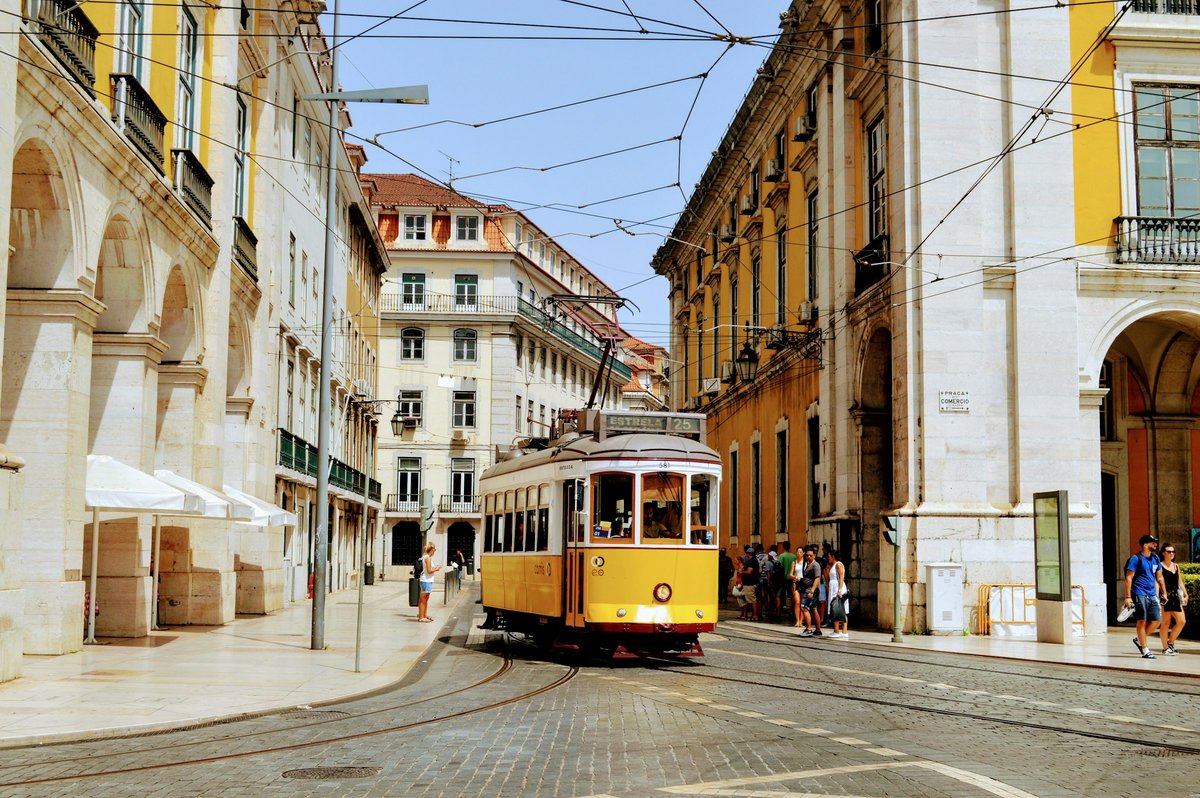
Where should I stay in Lisbon?
Baixa-Chiado for first-timers: flat streets, Metro access at Baixa-Chiado station, and you're ten minutes on foot from both Rossio and the Tagus waterfront. Budget €80–140 for a decent hotel; €150–250 for a renovated apartment with a river view. Alfama has the atmosphere but the cobblestone hills will punish your suitcase on arrival day.
Baixa-Chiado sits on the flat grid between Rossio Square and the Tagus riverfront: the rare Lisbon neighbourhood where you won't need to negotiate a 15% gradient with a rolling suitcase. The green Metro line stops at Baixa-Chiado station, putting Belém about twenty minutes away and the airport thirty. Mornings smell like roasting coffee from the shops along Rua Augusta. By evening the calçada limestone holds the day's warmth under your sandals. Hotels in the €80–140 range are solid: Hotel Borges or the Internacional Design Hotel, both within five minutes of Praça Luís de Camões. Push to €160–220 and you'll find renovated apartments on Rua do Carmo with terraces facing the river. The trade-off is noise: Rua Augusta's pedestrian traffic runs late, and Friday nights along Cais do Sodré carry bass through open windows until 3am. Ask for an upper-floor interior room if you're a light sleeper.
Alfama is where most people picture themselves when they think of Lisbon: narrow alleys barely wide enough for two, fado leaking out of doorways past 10pm, laundry lines strung between buildings three metres apart, the char and salt of grilled sardines rising from the tascas below São Jorge Castle. It earns that mental image. The hills, though, are steep. Not postcard-steep: polished calcário stone that gets slick after rain, with gradients that have you bracing a hand against a wall. Dragging luggage up from Tram 28's nearest stop involves stairs with no railing. Budget €60–100 for a guesthouse on Rua de São Miguel or a converted townhouse near Largo das Portas do Sol. Mind you, Alfama's restaurant density is lower than Baixa's, and the spots closest to the Miradouro da Graça viewpoint tend to charge a 20–30% premium for the same grilled fish you'd get three streets downhill. Eat low. Walk up after.
Príncipe Real is the pick for a return trip, or for anyone who wants neighbourhood life over tourist geography. It sits uphill from Bairro Alto, calmer, with old plane trees shading the garden at Praça do Príncipe Real where you might find yourself sitting longer than planned, listening to someone's guitar practice drift down from an open window above. The food here tilts toward places locals use on a Tuesday night: A Cevicheria on Rua Dom Pedro V does Peruvian-Portuguese plates that smell like lime and aji amarillo the moment you walk in, or you can take the seven-minute ferry from Cais do Sodré to Cacilhas and eat at Ponto Final for grilled fish at half the tourist-centre price. Hotels run €100–170; apartments with a kitchen €90–130 on most booking platforms. The walk downhill to Baixa takes fifteen minutes. The walk back up will make you reconsider that second glass of vinho verde. The Elevador da Glória funicular covers part of the climb: when it's running, which at the moment seems to be about four days out of five.
Two areas to think twice about. Parque das Nações, out by the old Expo site, shows up in hotel searches because rates run 30–40% cheaper than the centre. The Oceanarium is there and it's good, but the neighbourhood feels like any European business district: chain restaurants, wide silent boulevards, a twenty-minute Metro ride to anything you'd want to walk through. You'll spend the savings on transit and lost time. The blocks around Martim Moniz square have gotten rougher over the past few years; the daytime food market is fine, but after dark the area between the square and upper Mouraria can feel uncomfortable, and pickpocketing reports cluster here. On timing: Lisbon's high season runs June through September, and hotel prices jump 40–60% over shoulder months. Late April, May, or October give you 20–25°C afternoons, thinner crowds at Jerónimos Monastery, and rates that still leave room for a proper shellfish dinner at Cervejaria Ramiro in Intendente, which you should not skip.
Recommended neighborhoods
Baixa-Chiado
Flat streets, direct Metro, ten minutes from Rossio and the riverfront. The best base for a first visit: walkable, well-connected, and loud only if you face Rua Augusta.
Alfama
Fado bars, castle views, steep cobblestone alleys. Worth the calves for the atmosphere, punishing to arrive in with luggage. Eat downhill, sleep uphill.
Príncipe Real
Neighbourhood restaurants under plane trees, strong coffee, residential calm. Fifteen minutes downhill to Baixa; the Glória funicular saves your knees coming back.
Cais do Sodré / Santos
Mercado da Ribeira food hall plus the bars along Pink Street. Noisy on weekends, convenient on weekdays, with direct train service to Belém and Cascais.
Graça
Lisbon's highest miradouro, local bakeries, the Feira da Ladra flea market on Tuesdays and Saturdays. Feels residential. Tram 28 passes through but every direction involves a hill.
Skip these areas
- Parque das Nações: Corporate district by the old Expo grounds. Cheap hotel rates but isolated from everything worth walking to: you'll spend the discount on taxis and Metro time.
- Martim Moniz (after dark): The daytime food market is fine. After dark the blocks between the square and upper Mouraria feel rough, with clustered pickpocketing reports. Pass through, don't base here.
Top-rated hotels in Lisbon
Highly rated stays you can book on Trip.com. Prices are indicative: tap through for live availability and the current rate.

Lisbon City Hotel by City Hotels
from $88/night View deal
Ibis Lisboa Parque Das Naçoes
from $117/night View deal
VIP Executive Arts Hotel
from $93/night View deal
Turim Terreiro do Paço Hotel
from $164/night View deal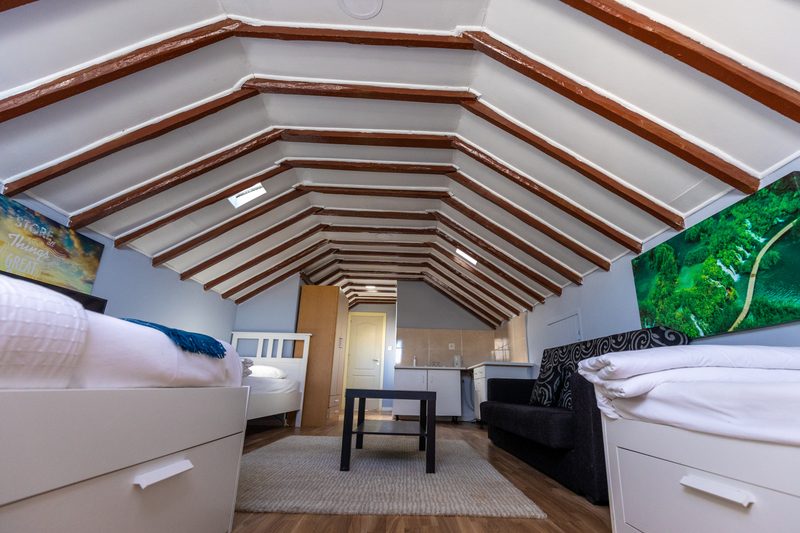
The Delight Hostel
from $17/night View deal
Secret Patio Lisbon
from $83/night View deal
Hotel Lisboa
from $161/night View deal
Select Liberdade
from $165/night View deal
TTDI earns a commission on bookings made through these links, at no extra cost to you. We never accept payment for placement.
Where runners stay in Lisbon
5K from the door
- 1Pestana Palace Lisboa Hotel & National Monument - the Leading Hotels of the WorldLuxury Score 90.8 Connecting streets 353 m; crossings 0; longest car-free stretch 848 m. Door-to-door GPX Check rates on Trip.com
- 2The Central House Lisbon BaixaBudget Score 90.3 Connecting streets 0 m; crossings 1; longest car-free stretch 229 m. Door-to-door GPX Check rates on Trip.com
- 3Altis Belem Hotel & Spa, a Member of Design HotelsLuxury Score 85.0 Connecting streets 0 m; crossings 2; longest car-free stretch 898 m. Door-to-door GPX Check rates on Trip.com
Score = 100 − 0.05 × connecting streets (m) − 12 × major-road crossings + 0.01 × longest car-free stretch (m), never below 0, on each hotel's best measured loop. Ranked among bookable hotels only; policy d087a3e943a6. The running page lists the top 5 for both distances.
Last verified by automated review (v1.5.J.2) on . What is automated review?