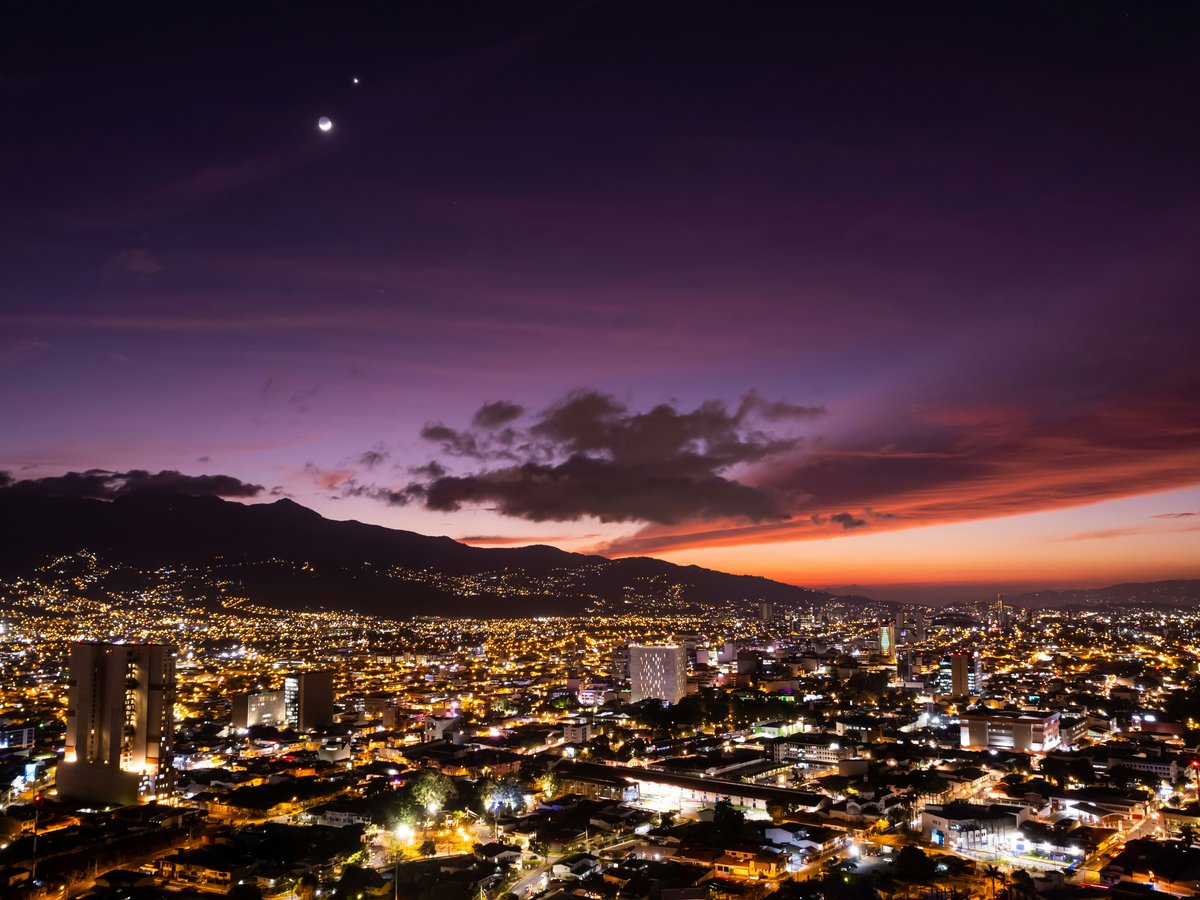
Stay in San José in March
Opens Trip.com on Fri 5 Mar to Sun 7 Mar 2027; change the dates there.
March in San José is the last gasp of the dry season, and honestly, that's the single most useful thing to know. You're getting warm days around 27°C (81°F) that cool to a comfortable 16°C (61°F) once the sun drops behind the mountains: a reminder that this city sits at 1,100 meters in the Central Valley, not at sea level. The air tends to be drier and hazier than earlier dry-season months, partly because sugarcane farmers and ranchers are burning fields before the rains arrive. On some afternoons you'll catch the faint, sweet-acrid smell of cane smoke drifting across the valley. It's not choking, but it softens the mountain views.
This is a solid time to visit, though not quite the best. February edges March out on sheer dryness (just 17mm of rain versus March's 52mm) and January often offers better post-holiday deals. But March has its own character. The Christmas crowds have thinned out, hotel rates have eased off their December peak, and you're still comfortably inside the window when hiking trails are dry, volcanoes have clear sightlines, and you can eat outdoors in Barrio Escalante without checking the radar every twenty minutes. The city feels lived-in rather than overrun.
One thing to watch for: if Semana Santa falls in late March (and some years it does) San José empties. Josefinos head to the coasts in a proper exodus, and you'll find shuttered storefronts in parts of downtown, reduced bus schedules, and a strange quiet over the city. Whether that's a pro or a con depends entirely on what you're after.
Why visit in March
- Tail end of the dry season: reliable weather with only about 9 rainy days all month, making it easy to plan day trips to volcanoes and coffee farms without worrying about mud or washed-out trails
- Temperatures sit in a genuinely comfortable range, warm enough for short sleeves by day but cool enough at night that you'll sleep well without air conditioning: something the coastal towns can't promise
- Tourism crowds have thinned from the December-January peak, so popular spots like the Museo de Jade and Teatro Nacional feel less like queuing exercises
- Produce markets are at their richest: mangoes, jocotes, and marañón fruit are coming into season, and the tail end of coffee harvest means you can still tour a working finca
Worth knowing
- Agricultural burning in the Central Valley creates hazy skies on some days, especially in the afternoons: the views toward Volcán Barva and Volcán Irazú can look washed out
- Rainfall starts ticking up compared to February, with the occasional late-afternoon shower catching you off guard if you've gotten complacent about the dry season
- If Semana Santa lands in late March, government offices close, some restaurants shutter for the week, and bus schedules get unreliable: the city can feel strangely abandoned
- The dry-season dust and lower humidity can bother travelers with sensitive sinuses, particularly around the more traffic-heavy corridors of Paseo Colón and downtown
Best for
Think twice if
March is the warmest month in San José's dry season, with clear mornings that build into warm afternoons. The sun at 1,100 meters elevation feels sharper than you'd expect from a 27°C reading: it's the kind of warmth that sneaks up on you if you're walking without shade. Evenings cool noticeably once the sun sets behind the western mountains, and you'll likely want a light layer by 8pm. Rain is still relatively sparse at 52mm across roughly 9 days, typically arriving as brief late-afternoon showers rather than anything that ruins a day. Humidity at 67% is comfortable: nothing like the coastal dampness.
Seasonal caution
- Late dry-season agricultural burning (quemas) in the Central Valley can reduce air quality on some afternoons, creating a visible haze and a faintly smoky smell: travelers with asthma or respiratory sensitivities should monitor conditions
- UV index at San José's 1,100-meter elevation is higher than the moderate temperatures suggest: sunburn risk is real even on overcast days
Year-round climate
Averages from the last 5 years.
| Month | Avg high (°C) | Avg low (°C) | Rainfall (mm) |
|---|---|---|---|
| Jan | 25 | 16 | 30 |
| Feb | 26 | 16 | 17 |
| Mar | 27 | 16 | 52 |
| Apr | 27 | 17 | 145 |
| May | 26 | 17 | 317 |
| Jun | 24 | 17 | 458 |
| Jul | 25 | 17 | 354 |
| Aug | 25 | 16 | 452 |
| Sep | 25 | 16 | 456 |
| Oct | 24 | 16 | 546 |
| Nov | 24 | 16 | 355 |
| Dec | 25 | 16 | 72 |
Holidays and festivals in March
Public holidays
- Maundy Thursday(Jueves Santo)25 March 2027
- Good Friday(Viernes Santo)26 March 2027
Best things to do in March
Coffee finca tour in the Central Valley
culturalMarch is the tail end of the coffee harvest in the Central Valley highlands around Barva and Santa María de Dota. You can still see the last rounds of picking, wet-milling, and drying on patios: the sweet, fermenting smell of processing coffee is something roasted beans never prepare you for. By April the mills go quiet until November.
Last month to see active coffee processing before the harvest ends and mills shut down for the seasonBooking tipMost fincas take walk-ins on weekdays but fill up on Saturday mornings: arrive before 9am or book a day ahead
Volcán Poás crater viewpoint
natureThe dry season gives Poás its clearest sightlines into the turquoise crater lake. March mornings (especially early, before 9am) tend to be cloudless at the summit, and you can see clear down to the fumaroles venting sulfur from the crater walls. The acid smell is real. By mid-morning, clouds typically roll in and the view closes.
March's dry weather gives some of the clearest crater views of the year before April's rains bring persistent cloud coverBooking tipEntry requires advance reservation through the SINAC website: slots sell out for weekends, so book at least a week ahead
Día del Boyero festivities in San Antonio de Escazú
culturalOn the second Sunday of March, the hillside town of San Antonio de Escazú fills with painted oxcarts for the Día Nacional del Boyero: a celebration of Costa Rica's traditional ox-cart drivers. The carts are works of folk art, geometric patterns in orange and blue and red, and the parade route winds through narrow streets lined with food stalls selling chicharrones and tamales. It's as local as it gets.
The Día del Boyero is held exclusively on the second Sunday of March: this is the only time of year to see the full paradeBooking tipNo tickets needed: it's a free public event. Take the bus from San José to Escazú and walk uphill to San Antonio; parking is chaotic
Explore Barrio Escalante's restaurant corridor on foot
foodSan José's most interesting dining neighborhood stretches along Calle 33 and the surrounding blocks, with a concentration of independent restaurants, cafés, and bakeries that's hard to match elsewhere in Central America. March's warm, dry evenings make it ideal for the kind of wandering where you end up eating at three different places.
Dry-season evenings are warm enough for outdoor seating without the humidity or sudden downpours that make it uncomfortable from May onwardMorning bird walk at Parque La Sabana
natureSan José's largest urban park draws a surprising number of bird species, and March's dry conditions concentrate them around the park's water features. Early morning (before 7am, when the joggers arrive) you might spot clay-colored thrushes (the national bird), blue-gray tanagers, and crimson-fronted parakeets in the eucalyptus canopy. Bring binoculars.
Dry-season conditions concentrate bird populations around remaining water sources in the park, making sightings easier than during the dispersal of the wet monthsHike the trails above San Antonio de Escazú toward Cerro San Miguel
natureThe foothills above Escazú offer surprisingly wild hiking just twenty minutes from downtown San José. In March the trails are dry and firm, the grass is golden-brown, and on clear mornings you can see both Volcán Barva to the north and the Central Valley spread below. The terrain gets muddy and overgrown once the rains start in May.
Dry, firm trails with clear valley views: by May the paths turn to mud and the grass grows head-high, obscuring the sightlinesBooking tipNo booking needed, but start before 7am to beat the midday heat at altitude: there's almost no shade on the upper ridgeline
Browse the Saturday Feria Verde de Aranjuez
foodThis weekly organic market in Barrio Aranjuez is where Josefinos who care about food come on Saturday mornings. Vendors sell seasonal produce, artisanal cheeses from Turrialba, fresh-pressed cane juice, and prepared food ranging from empanadas to gallo pinto plates. March means the first jocotes and mangoes appear alongside the year-round staples.
Early dry-season fruits (jocote, marañón, the first mangoes) start appearing at stalls in March, alongside the tail end of coffee-harvest samples from highland producersWhat to eat in March
In season: fruit
Jocote
These small, tart stone fruits hit their stride in the late dry season. Street vendors sell them green with salt and lime, or ripe and sticky-sweet with a flavor somewhere between plum and mango. Look for them at Mercado Borbón or any roadside stand between San José and Escazú.
Marañón
The cashew fruit (yes, the actual fruit that grows around the cashew nut) peaks in March. Most visitors have never tasted one. It's intensely aromatic, slightly astringent, and makes a tart-sweet fresco natural. The fruit itself is too fragile to export, so this is genuinely a here-only experience.
Mango
Mango season is just getting started in March, and the early varieties tend to be smaller and more fibrous than the fat honey mangoes of May. Still, you'll see them piled in pyramids at the Feria del Agricultor, and the first mangoes of the year carry a kind of anticipatory sweetness.
Street food peaks
Churchill
Costa Rica's answer to shaved ice, but heavier: a mound of ice drenched in syrup, condensed milk, and sometimes powdered milk, topped with ice cream. Named after a vendor in Puntarenas, but you'll find versions in San José as temperatures climb in March. It's excessive. Worth it.
What to drink
Agua de sapo
A cold ginger-lime drink sweetened with tapa de dulce: unrefined cane sugar from the Central Valley. It's the unofficial drink of the dry season. The ginger hits your throat, the lime cuts through the sweetness, and on a warm March afternoon in Barrio Escalante it makes more sense than any craft beer.
Regular events in March
Día Nacional del BoyeroFree
Costa Rica's national oxcart-driver celebration, held in San Antonio de Escazú with a parade of elaborately painted oxcarts, folk music, traditional food, and craft stalls. UNESCO recognized the tradition as Intangible Cultural Heritage.
Second Sunday of MarchInternational Women's Day march and eventsFree
March 8 brings organized marches and cultural events around downtown San José, typically proceeding along Avenida Segunda toward the Parque Nacional. Local organizations host talks, film screenings, and art installations in the days surrounding the march.
March 8 and surrounding daysFeria Verde de AranjuezFree
Weekly Saturday organic and artisan market in Barrio Aranjuez, running year-round but especially lively in March as dry-season produce peaks. Live music, prepared food, and a community atmosphere.
Every Saturday morning, year-roundTransitarteFree
A monthly open-air cultural walk along streets in Barrio Escalante and surrounding areas, featuring live music, performance art, food vendors, and gallery openings. The route changes but typically anchors around Calle 33.
One Saturday per month, dates varyBest places this March
Mercado Central
marketSan José's oldest public market is a dense, humid labyrinth of food stalls, spice vendors, and soda counters where you can eat a full casado lunch for a few thousand colones. March is a comfortable time to navigate the narrow aisles: it's warm outside but the covered interior stays cool, and the dry season means the floor isn't slick. The smell of frying plantains and brewing coffee fills the place by 7am.
DowntownTeatro Nacional de Costa Rica
landmarkThe city's most beautiful building, modeled after European opera houses and finished in 1897. March's dry weather makes the surrounding Plaza de la Cultura a pleasant place to sit before or after a tour. The marble lobby and painted ceiling are genuinely impressive: this isn't a participation-trophy landmark.
DowntownMuseo de Jade
museumFive floors of pre-Columbian jade artifacts in a modern building near the Asamblea Legislativa. The collection is the largest of its kind in the world. Worth noting that the top floor has panoramic views of the city that look best on clear March mornings before the afternoon haze settles in.
DowntownBarrio Amón
neighborhoodA residential neighborhood just north of downtown filled with turn-of-the-century Victorian and art deco houses, many converted into boutique hotels, galleries, and cafés. March's dry evenings make it a good area for aimless walking: the architecture rewards slow attention and the streets are quieter than the commercial center.
Barrio AmónParque La Sabana
parkThe city's central park, built on the old international airport site. It's where Josefinos jog, play fútbol, and gather on weekends. March mornings here are cool and clear: the kind of weather where sitting on the grass with a coffee from one of the surrounding cafés is enough of an activity. The Museo de Arte Costarricense sits at the eastern end in the old airport terminal building.
La SabanaMercado Borbón
marketA smaller, rougher-edged market a block from Mercado Central, with more focus on produce and butcher stalls than the tourist-friendly sodas. This is where you'll find the best seasonal fruit in March: piles of jocotes, cas, and early mangoes. The lighting is fluorescent, the floors are wet, and the vendors are direct. Feels like the real city.
DowntownBarrio Escalante
neighborhoodSan José's most interesting food neighborhood, with a concentration of independent restaurants, roasteries, and bakeries along Calle 33 and the surrounding blocks. Dry March evenings mean you can eat outdoors and walk between spots comfortably. The neighborhood has changed rapidly: five years ago it was residential.
Barrio EscalanteMuseo Nacional de Costa Rica
museumHoused in the old Bellavista military fortress: the bullet holes from the 1948 civil war are still visible in the exterior walls. The butterfly garden in the courtyard is at its liveliest in March's warm weather. The history exhibits cover Costa Rica's abolition of its army, which is more interesting than it sounds.
Downtown
Your packing checklist
Tick items off as you pack. Your progress saves in this browser.
All packed — have a great trip.
Insider tips
The Feria del Agricultor in Zapote (Saturday mornings) sells the same seasonal fruit as the tourist-friendly markets at roughly half the price: jocotes and mangoes especially. It's a bus ride from downtown but the savings are real, and you'll be the only foreigner there.
If you're visiting Volcán Poás, eat breakfast in the town of Poasito on the way up rather than at the park entrance: the roadside sodas serve better gallo pinto and the coffee is from farms you can literally see from the table.
Barrio Escalante's restaurant scene is walkable but spread across about eight blocks: ask any local which places opened in the last six months and go there. The neighborhood turns over fast and the newest spots tend to be trying hardest.
The free Sunday concerts at the Parque Morazán bandstand have been a tradition for over a century. March weather makes them especially pleasant: bring a blanket, buy a granizado from the cart by the entrance, and sit. Josefinos have been doing exactly this since the 1890s.
For the Día del Boyero in Escazú, skip the main parade route and walk uphill to the church in San Antonio: the carts gather there before the procession starts, and you can see the painting details up close without fighting for a view.
Avoid these mistakes
- Booking a midday walking tour of downtown without shade planning: the 27°C reading doesn't capture how the sun feels at 1,100 meters between 11am and 2pm. Schedule outdoor exploration for mornings or late afternoons, and use the museums as midday refuges.
- Assuming everything runs normally during Semana Santa if Easter falls in late March: banks close, bus schedules shrink, many restaurants shutter, and the city feels abandoned. Check the calendar before booking that last week of March.
- Dressing for tropical beach weather: San José's Central Valley elevation means March evenings are genuinely cool. Travelers who pack only shorts and tank tops end up buying overpriced hoodies at souvenir shops by the second night.
- Trying to drive in downtown San José: the one-way street grid is confusing, parking is scarce, and the system of vehicular restrictions (restricción vehicular) limits driving on certain days based on license plate numbers. Use taxis, rideshare apps, or walk.
Practical tips for March
March in San José runs on a split schedule: shops and government offices open early (8am or even 7:30am) and many close by 5pm. Restaurants in Barrio Escalante tend to open later, with dinner service really starting around 7pm. Banks are open weekday mornings but expect longer waits on Fridays. If Semana Santa falls in late March, plan your last few days carefully: supermarkets close Thursday afternoon and don't reopen until Saturday, bus routes drop to holiday schedules, and inter-city travel gets swamped as everyone heads to the coast simultaneously. Book any coastal day trips for earlier in the month. Colones and US dollars are both widely accepted at restaurants and hotels, but ferias and sodas typically only take colones: have small bills ready. Uber and similar rideshare apps work well and are generally preferred over street taxis for price transparency. The dry season means construction crews are finishing projects before the rains: expect some street closures and detours downtown, especially around the pedestrian boulevard on Avenida Central.
FAQ
Is March a good time to visit San José, Costa Rica?
March is a good time: likely the third-best month after February and January. You're still in the dry season with only about 52mm of rain across 9 days, temperatures are warm but manageable at 27°C (81°F), and crowds have thinned from the holiday peak. The main drawback is some afternoon haze from agricultural burning in the valley, and if Semana Santa lands in late March, the city's rhythm gets disrupted. But for general sightseeing, food exploration, and using San José as a base for Central Valley day trips, March works well.
What is the weather like in San José in March?
Warm and mostly dry. Average highs reach about 27°C (81°F) with lows around 16°C (61°F): that overnight drop is thanks to the city's 1,100-meter elevation. Humidity sits at a comfortable 67%, and you'll see roughly 52mm of rainfall, typically as brief late-afternoon showers. Mornings tend to be clear and sunny. The air can get hazy on some afternoons due to dry-season agricultural burning, but it's rarely severe enough to limit activities.
Is San José crowded in March?
Moderately. The December-January peak has passed, so you won't face the worst of the tourist-season crowds at places like Museo de Jade or Teatro Nacional. That said, it's still dry season, so international visitors are present and popular day-trip destinations like Volcán Poás can fill up, especially on weekends. If Semana Santa falls in late March, the dynamic flips: foreign tourists remain while Josefinos evacuate to the coasts, leaving the city itself oddly quiet.
What should I wear in San José in March?
Layers are the key. Daytime calls for light, breathable fabrics: cotton or linen, short sleeves or light long sleeves. But evenings genuinely cool down to around 16°C (61°F), so bring a jacket or long-sleeve layer for after-dark dining. Good walking shoes matter more than sandals here: downtown sidewalks are uneven. Carry sunscreen and a hat; the UV at altitude is stronger than the temperature suggests. A light rain shell covers the occasional afternoon shower.
Is it worth visiting San José, or should I head straight to the coast or rainforest?
San José deserves at least two or three days: more than most travel forums suggest. The Museo de Jade and Museo Nacional are genuinely world-class, the food scene in Barrio Escalante has matured into something worth exploring on its own, and the Mercado Central is one of the best urban markets in Central America. March specifically rewards a San José stay because the dry weather makes it a perfect base for day trips: Volcán Poás, Volcán Irazú, coffee farms in Barva or Tarrazú, and the Orosi Valley are all within 60-90 minutes. Use the city, don't skip it.
Things to Do in San José in March
 Free cancellation
 Arenal Volcano Full-Day Combo Tour with Lunch and Dinner
Outdoor experience: 14 hours, free cancellation.
via Viator Free cancellation
 Arenal Volcano Experience Full-Day Tour from San Jose
Day trip: 14 hours, free cancellation.
via Viator Free cancellation
 Manuel Antonio National Park Sightseeing and Wildlife Day Tour from San Jose
Day trip: 12 hours, free cancellation.
via Viator Free cancellation
 Full Day Poas Volcano, La Paz Waterfall Gardens and Coffee Plantation Experience
Outdoor experience: 10 hours, free cancellation.
via Viator Free cancellation
 Tortuga Island Full Day Tour from San José with Lunch
Day trip: free cancellation.
via Viator Free cancellation
 Zip Line, Rappel, Hiking La Carpintera Tour in San Jose
Outdoor experience: 3 hours, free cancellation.
via ViatorFind a flight to San José
Live fares to San José appear here once cookies are accepted.
Last verified by automated review (v1.7.2) on . What is automated review?