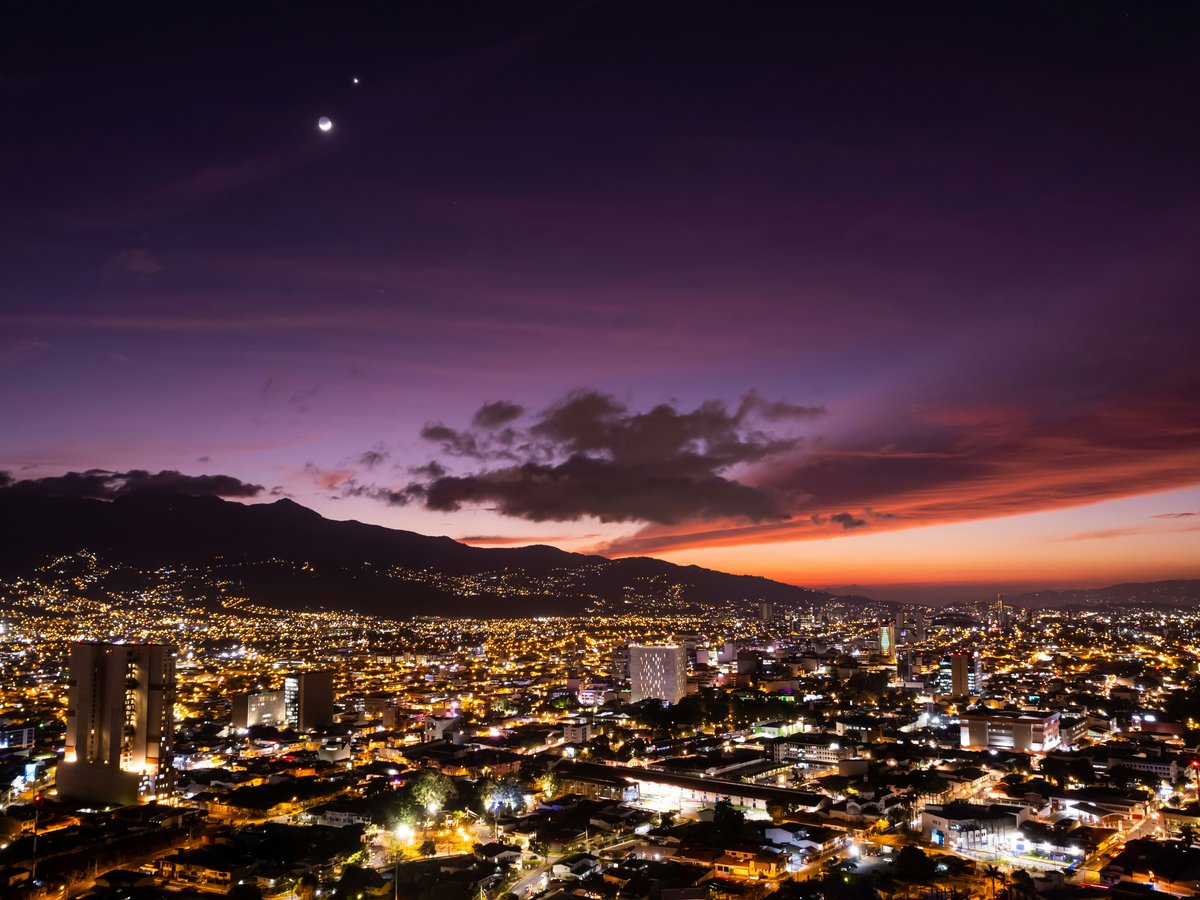
San José is not a city that reveals its nightlife easily. You won't find it on the main tourist drag or in the lobby bar of your hotel. It hides in converted houses in Barrio Escalante, in basement spots near the university in San Pedro, in the chaotic tangle of El Pueblo on a Saturday at 1 AM. Ticos tend to start their nights late: dinner at 8, maybe 9, then drinks with friends that don't really pick up momentum until 11. The whole thing runs on guaro, Imperial tallboys, and a social rhythm that prizes the group over the scene. There's a growing craft cocktail movement, sure, but the heart of chepe nightlife is still a table full of friends splitting a bottle of Cacique with Fresca chasers, somebody's phone connected to a speaker playing reggaeton or rock en español, and nobody checking the time. The city has rougher edges than the beach towns, and it doesn't pretend otherwise. That honesty is part of what makes a night out here feel real: you're not in a tourist bubble, you're in someone's city, and the night belongs to whoever shows up.
The Bar Scene: From Craft Cocktails to Corner Cantinas
San José's bar landscape has split into two worlds over the past decade, and they barely acknowledge each other. On one side, Barrio Escalante has become the city's cocktail district: repurposed old houses with exposed brick, bartenders who know their way around shrubs and bitters, menus that change with whatever tropical fruit is in season. You'll find drinks built around cas, guanábana, or chan seeds, served in ceramic cups or recycled glass. The prices aren't cheap by Tico standards, maybe 5,000 to 8,000 colones for a cocktail, but the craft is genuine and the sourcing tends to be local. Then there's the other San José: the cantinas. These are the old-school spots, some of them decades old, with sticky floors, fluorescent lighting, Imperial on tap, and bocas that come free with your beer. Bocas are the thing outsiders miss: small plates of ceviche, chicharrones, or black bean dip that arrive at your table just because you ordered a round. The food isn't an afterthought: it's part of the drinking culture. You eat while you drink. Nobody nurses one cocktail for an hour here. The rhythm is rounds, shared plates, conversation that gets louder as the night goes on. Rooftop bars are still relatively new to the scene. A few have opened in Sabana and Escazú, and they tend to draw a slightly older, more polished crowd: couples, small groups, the after-work set that shifts to wine and gin-tonics around sunset. Worth noting: Costa Rica's wine culture is mostly imported, so expect South American and Spanish labels at a markup. The selection has improved, but this is still fundamentally a beer-and-guaro country. Dive bars (or what Ticos would call bares de mala muerte) cluster around the centro and parts of Paseo de los Estudiantes near UCR. They're cheap, loud, and honest about what they are. A tall Imperial might run you 1,500 colones. The crowd skews young, the music comes from a jukebox or somebody's phone, and the bathroom situation is what it is. Not every traveler will feel comfortable, but for those who do, these spots offer a window into everyday chepe social life that the curated cocktail bars can't replicate.
Clubbing in Chepe: Reggaeton, Dress Codes, and the 1 AM Surge
The club scene in San José revolves around a few realities that first-timers should know up front. First: things don't start until late. Showing up at 10 PM means you'll have the dance floor to yourself and the bartender's full attention, which sounds nice until you realize the energy won't build for another two hours. Most clubs hit their stride around midnight or 1 AM and keep going until 3 or 4, sometimes later on holiday weekends. Reggaeton dominates. That's the baseline. You'll hear Bad Bunny, Feid, Karol G, and whatever else is climbing the charts, mixed with older dembow and perreo tracks that get the floor moving. Some nights lean into electronic music (house, techno, the occasional drum-and-bass set) particularly at spots in Barrio Amón and the warehousey venues that pop up in the industrial pockets west of Sabana. But if you walk into a random club on a Saturday, you're getting reggaeton and Latin pop, and honestly, the crowd wouldn't have it any other way. Dress codes exist but they're inconsistently enforced. The general rule: closed-toe shoes for men, no tank tops, no shorts. Women get more latitude, as usual. That said, the enforcement tends to depend on how full the club is: a slow Wednesday is forgiving, a packed Friday less so. Sneakers are generally fine as long as they look intentional rather than like you just came from a hike. El Pueblo (Centro Comercial El Pueblo, technically) is the closest thing to a dedicated nightlife complex. It's a cluster of clubs and bars in a faux-colonial commercial center in Barrio Tournón, and on weekend nights the parking lot fills with taxis and the corridors fill with groups bouncing between spots. The scene has had its ups and downs over the years, and at the moment it feels like it's in a rebuilding phase. Some of the old anchor clubs have closed, new ones have opened. The crowd skews young, the cover charges vary, and the energy depends heavily on which night you pick. A few things to know about entry: cover charges are common on weekends, typically somewhere in the 3,000 to 10,000 colones range depending on the venue and the night. Ladies' nights still happen, usually midweek. Most clubs accept cash only for cover, even if they take cards at the bar. Bouncers tend to be firm but not aggressive: have your cédula or passport ready, don't argue about the dress code, and you'll be fine.
Live Music: Jazz in Barrio Amón, Rock en Español, and the Calypso Thread
San José has a live music scene that's deeper than most visitors expect, partly because it doesn't advertise itself well. You have to know where to look, or know someone who does. Jazz has a surprisingly strong foothold. Barrio Amón, with its crumbling colonial mansions and art galleries, hosts small-venue jazz nights (usually Thursday through Saturday) where local combos play standards mixed with Latin jazz and sometimes Afro-Caribbean rhythms. The rooms tend to be intimate, maybe 40 or 50 people, and the musicianship is genuinely strong. Costa Rica has a conservatory tradition, and you can hear it in the chops of the players who show up to these sessions. Cover is minimal or nonexistent at some spots, with the expectation that you'll order drinks. Rock en español is the other pillar. San José has had a local rock scene since at least the '90s, and while the venues have shifted (places open and close, that's the nature of it) the community stays. You'll find bands playing anything from grunge-inflected rock to ska-punk to indie folk, mostly in San Pedro near the UCR campus or in converted spaces in Barrio Escalante. The crowds at these shows are loyal. People know the bands, know the lyrics, and the energy of a packed room singing along to a local group's chorus at midnight is something that sticks with you. Friday and Saturday are the obvious nights, but keep an eye on Wednesday and Thursday lineups too: some of the better acts play midweek when the venue pressure is lower. Calypso and Afro-Caribbean music are less visible in San José than on the Caribbean coast (Limón is the heartland for that) but threads of it show up in the city through cultural events, university concerts, and the occasional DJ set that pulls from soca, dancehall, and Caribbean bass traditions. It's not the dominant sound in chepe, but it's part of the musical fabric, and when it surfaces, it brings a different kind of warmth and rhythm to the room. Cumbia and Latin folk acts rotate through smaller venues too, often tied to cultural centers or bar-restaurant hybrids. The merenguero tradition is less present than in, say, the Dominican community spots in other Central American capitals, but you'll still hear it at certain family-run dance halls that have been around for decades. These places don't have Instagram accounts. You find them by asking around.
Nightlife neighborhoods
-
Barrio Escalante
Gastro-cultural corridor that's become the cocktail and craft beer epicenter of the city, set among converted houses with warm lighting and open-air patios. The smell of coffee and grilled meat lingers on the sidewalks.
- Best for
- Couples, foodies, and anyone who wants to drink well without the club chaos. Thursday through Saturday nights.
- Standouts
- The Escalante strip along Calle 33 and Avenida Central clusters a dozen spots within walking distance: bar-hop without needing a taxi.
-
San Pedro and the UCR Area
University-district energy with cheap beers, loud bars, and a young crowd that fills the sidewalks on weekend nights. The streets around the UCR campus feel like a block party when classes are in session. Gritty, fun, and unpretentious.
- Best for
- Budget nights out, live rock shows, and anyone who wants to feel the student pulse of the city. Best during the academic year.
- Standouts
- The strip along Calle de la Amargura has been the university nightlife artery for decades: the specific bars change names and owners, but the street itself is the constant.
-
Barrio Amón
Faded colonial grandeur repurposed as galleries, jazz clubs, and moody cocktail bars. The architecture does half the atmosphere work: wrought iron, tiled floors, high ceilings. Quieter than Escalante, more contemplative after dark.
- Best for
- Jazz nights, date nights, and the kind of evening where conversation matters more than volume. Thursday through Saturday.
- Standouts
- Look for the small venues tucked into restored mansions along Avenida 9 and Calle 3 Bis: the jazz scene congregates in these intimate rooms.
-
El Pueblo (Barrio Tournón)
The old-school dedicated nightlife complex: a cluster of clubs and bars in a commercial center that gets loud and crowded on weekends. The corridors echo with competing bass frequencies from different venues, and the parking lot turns into a social scene of its own around midnight.
- Best for
- Group nights out, club-hopping, and anyone who wants multiple options without committing to one spot. Friday and Saturday are the real nights.
- Standouts
- The complex itself is the draw: the specific clubs rotate, but the infrastructure of a dozen venues in one walkable cluster is what makes it work.
-
Escazú
The upscale western suburb where the professional crowd goes. Rooftop bars, wine lists, gin menus, and dress codes that get enforced. Cleaner and more controlled than the centro, with correspondingly higher prices. The air is a touch cooler up here.
- Best for
- Upscale evenings, the 30-and-over crowd, and anyone who prefers a polished night without the downtown grit. Any night of the week.
- Standouts
- The commercial strips along the main Escazú road and the area near Multiplaza host the bulk of the options: a taxi from centro runs 15 to 20 minutes depending on traffic.
-
La California
A transitional strip between downtown and Escalante that's carved out its own identity with a mix of LGBTQ-friendly bars, dive-ish spots, and late-night hangouts. The crowd is eclectic, the pretension is low, and the music choices tend to be more interesting than the mainstream clubs.
- Best for
- LGBTQ nightlife, eclectic crowds, and late-night wandering after the main Escalante spots start winding down.
- Standouts
- The cluster along Calle 21 and the surrounding blocks has historically been the LGBTQ nightlife hub of the city.
Safety after dark
San José at night requires the same street awareness as any Central American capital, not paranoia, but not naivety either. Stick to well-lit streets and established nightlife zones. The areas between neighborhoods can feel empty and poorly lit after midnight, and walking alone through quiet blocks is an unnecessary risk.
Uber and DiDi both operate here and are the safest way to move between neighborhoods after dark. Official red taxis are fine too, but make sure the maria (the meter) is running. Unmarked cars offering rides outside clubs should be avoided, full stop.
Drink spiking does happen, though it's not as commonly reported as in some other capitals. Still, standard precautions apply: watch your drink, don't accept open drinks from strangers, and stay with your group. If someone in your party seems suddenly and disproportionately intoxicated, take it seriously.
Petty theft is the more common issue. Phones left on bar tables, bags hung on chair backs, wallets in back pockets: these are the targets. Keep valuables close and carry only what you need for the night. Leave your passport at your hotel and carry a photocopy or a photo on your phone.
One local scam worth knowing: some bars in tourist-adjacent areas have been known to inflate tabs, particularly if you're running a card. Check your bill carefully, especially at places you weren't specifically recommended to. Paying in cash for rounds as you go is a reasonable hedge.
The emergency number is 911. Police presence in the main nightlife zones is generally visible on weekends, and most established venues have their own security.
Practical tips
- Currency and Payment
- Costa Rica runs on colones, and while some upscale bars accept US dollars, you'll overpay on the exchange. ATMs are common near nightlife zones. Carry cash for cover charges and smaller bars: card acceptance has improved but is still inconsistent at older spots and cantinas.
- Cover Charges
- Expect covers of roughly 3,000 to 10,000 colones at clubs on weekends. Many bars don't charge cover at all. Ladies' nights and midweek promotions can waive or reduce covers. Cash is almost always required for entry, even at places that take cards for drinks.
- Tipping
- Restaurants and bars add a 10% service charge to the bill by law, so tipping on top of that is appreciated but not expected. If you're at a bar without table service, tipping the bartender 500 to 1,000 colones per round is a kind gesture that tends to improve your service noticeably as the night goes on.
- Drinking Culture
- The national spirit is guaro: specifically Cacique, usually mixed with Fresca or fruit juice. Ordering a guaro con Fresca marks you as someone who's been paying attention. Imperial is the default beer, served cold in tall bottles. Craft beer has arrived in Escalante and San Pedro, but suggesting it at a cantina might earn you a raised eyebrow.
- Timing Your Night
- Dinner happens between 7 and 9 PM. Pre-drinks (often at someone's house, which Ticos call a previ) run from 9 to 11. Bars pick up around 10 or 11 PM. Clubs don't fill until midnight or later. Leaving a club before 1 AM feels premature to most locals. Plan accordingly and don't waste energy arriving early to an empty room.
- What to Wear
- San José's nightlife dress code is casual-smart for the cocktail and rooftop circuit, and genuinely casual for the university and cantina scenes. Jeans and clean sneakers work almost everywhere. Flip-flops and athletic wear will get you turned away from clubs. Bring a light layer: chepe sits at around 1,100 meters elevation and the temperature drops into the mid-teens Celsius after midnight.
FAQ
What time do bars and clubs close in San José?
Most bars start winding down around 1 to 2 AM, though some push to 3 AM on weekends. Clubs generally close between 3 and 4 AM, occasionally later on holiday weekends or special events. The legal closing time has shifted over the years, and enforcement varies, but as a rough guide, plan for 2 AM at bars and 3 to 4 AM at clubs.
Is San José safe for going out at night?
The main nightlife zones (Barrio Escalante, San Pedro, El Pueblo, Escazú) are generally fine if you stay aware of your surroundings. The risks are mostly petty theft and the occasional inflated bar tab, not violent crime in the nightlife areas themselves. Use Uber or DiDi between neighborhoods, don't flash expensive gear, and travel in groups when possible. It's a real city with real city issues, but responsible nightlife visitors rarely have problems.
What do locals drink on a night out in San José?
The short answer is Imperial beer and guaro with Fresca. Imperial is the national lager: light, cold, and everywhere. Guaro is a sugarcane spirit, and Cacique is the default brand. Mixed with Fresca or fruit juice, it's the backbone of Tico nightlife. Craft cocktails and local craft beers are growing in Barrio Escalante, but the classic order at most bars is still a round of Imperials and a bottle of Cacique for the table.
Do I need to speak Spanish to enjoy the nightlife?
It helps significantly. Outside of the more tourist-oriented spots in Escazú and a few bars in Escalante, English is limited. Bartenders and bouncers might have basic English, but the social scene runs in Spanish. Even a handful of phrases (ordering drinks, asking for the bill, basic small talk) goes a long way. Ticos are generally patient and friendly with language gaps, but you'll connect with the night much more deeply if you can follow the conversation.
What is the legal drinking age in Costa Rica?
The legal drinking age is 18. Bars and clubs are supposed to check ID, and enforcement has tightened in recent years, particularly at larger venues. Carry your passport or a photocopy: a foreign driver's license might not be accepted everywhere. The fines for serving minors have increased, so established venues tend to take it seriously.
How much should I budget for a night out in San José?
It depends heavily on where you go. A night at cantinas in San Pedro might cost 10,000 to 15,000 colones total including beers and bocas. A cocktail-bar evening in Escalante runs closer to 25,000 to 40,000 colones for several rounds. Add a club cover and a couple of Ubers between neighborhoods and a full Friday night might land between 20,000 and 50,000 colones: roughly 35 to 90 USD at current rates. Escazú is the priciest; the university area is the most forgiving on the wallet.
Last verified by automated review (v1.7.2) on . What is automated review?