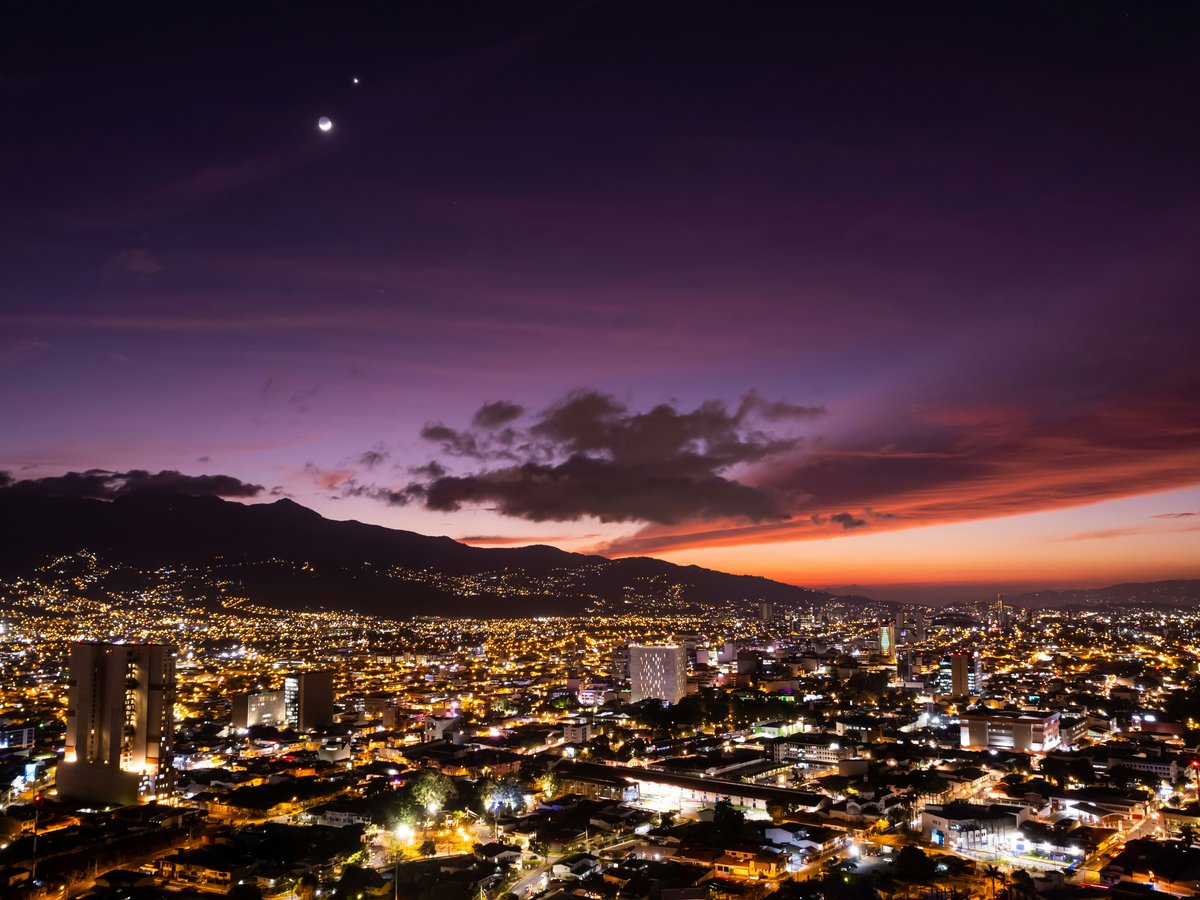
When's the best time to visit San José in 2026?
Mid-January to mid-March is the window we'd point you toward first. Those weeks bring dry skies, clear mornings over Volcán Irazú, and normal bus and museum hours, all before Holy Week closes much of the city. December runs a close second, worth it for the parades. September and October are the ones to sidestep: afternoon storms are at their worst then, and many flights land into a downpour.
For a first trip, book between mid-January and mid-March. The dry season usually starts around 15 December, and by January the Central Valley can go weeks without measurable rain. At 6am, the walk to the bus stop in Barrio Amón calls for a light fleece, and by noon the sidewalks along Avenida Central are warm and dusty. January also brings the alisios, gusty trade winds that rattle the tin roofs in Barrio México and keep the sky clear over Volcán Irazú. That matters because Irazú is the day trip most first-timers take, about 55 km east by road. Cloud usually covers the 3,432-metre summit by 10am, even in February, so leave San José by 6:30am. The downside is cost: hotels in Barrio Escalante and around La Sabana charge peak rates from Christmas to Easter. Holy Week is the one dry-season stretch to skip. On Holy Thursday and Good Friday (25 and 26 March 2027), most shops and museums close and many bus routes stop running.
December is the runner-up, and the right pick if you want the city at its loudest. The Festival de la Luz parade runs east from La Sabana along Paseo Colón and Avenida Segunda on the second Saturday of December, with brass bands from all seven provinces. On 26 December, the Tope Nacional sends a few thousand horses clopping down the same avenues. From Christmas to New Year, the Zapote fairgrounds run toros a la tica, carnival rides, and stalls frying churros you can smell from the parking lot. Bear in mind that between 24 December and 1 January, government offices, many family restaurants and some museums close, and Juan Santamaría airport fills with Ticos coming home for the holidays. The first two weeks of December also tend to bring a few late-season showers.
The green season runs from May to November, and it is more manageable than its name suggests. From May, mornings usually stay clear until about 11am, then around 1pm clouds build over the Cordillera Central, and by 2pm rain hammers the corrugated roof of the Mercado Central loudly enough to drown out conversation at the sodas inside, where a casado costs about ₡3,500, roughly US$7.70. Finish outdoor plans before noon and save afternoons for the National Museum inside the old Bellavista barracks or the café in the National Theatre's gilded foyer. Hotel rates tend to drop 20 to 30% from the dry-season peak. On the night of 1 to 2 August, Route 2 toward Cartago fills with pilgrims walking about 22 km to the Basílica de Nuestra Señora de los Ángeles for the Romería, and late June and July often bring the veranillo de San Juan, a dry spell of one to three weeks that makes July the best of the wet months.
September and October are the months to avoid. October is the wettest month of the year, with storms that sometimes arrive before noon and last into the night, flooding the underpasses on the Circunvalación ring road. Many flights from North America land at Juan Santamaría between 1pm and 5pm, right into the rain, so the 20 km ride into the centre on Route 1 can take an hour instead of 30 minutes. Book a transfer ahead, or take an orange Taxi Aeropuerto from the official rank outside arrivals. At 11am on 17 October 2026, the city read 25.4°C (feels like 29.6°C), overcast, at 66% humidity, which is a typical October morning before the afternoon rain. If September is unavoidable, come for Independence Day on 15 September: on the evening of the 14th, children carry homemade faroles (lanterns) through every barrio.
Month-by-month outlook
- Jan Ideal
- Feb Ideal
- Mar Ideal
- Apr Shoulder
- May Shoulder
- Jun Shoulder
- Jul Shoulder
- Aug Shoulder
- Sep Avoid
- Oct Avoid
- Nov Shoulder
- Dec Shoulder
Year-round climate
Averages from the last 5 years.
| Month | Avg high (°C) | Avg low (°C) | Rainfall (mm) |
|---|---|---|---|
| Jan | 25 | 16 | 30 |
| Feb | 26 | 16 | 17 |
| Mar | 27 | 16 | 52 |
| Apr | 27 | 17 | 145 |
| May | 26 | 17 | 317 |
| Jun | 24 | 17 | 458 |
| Jul | 25 | 17 | 354 |
| Aug | 25 | 16 | 452 |
| Sep | 25 | 16 | 456 |
| Oct | 24 | 16 | 546 |
| Nov | 24 | 16 | 355 |
| Dec | 25 | 16 | 72 |
Highs of 24 to 27°C all year and nights of 15 to 18°C. January to March usually sees under 20 mm of rain a month. September and October bring 250 to 300 mm, mostly in afternoon storms.
Go deeper into San José
Last verified by automated review (v1.7.2) on . What is automated review?