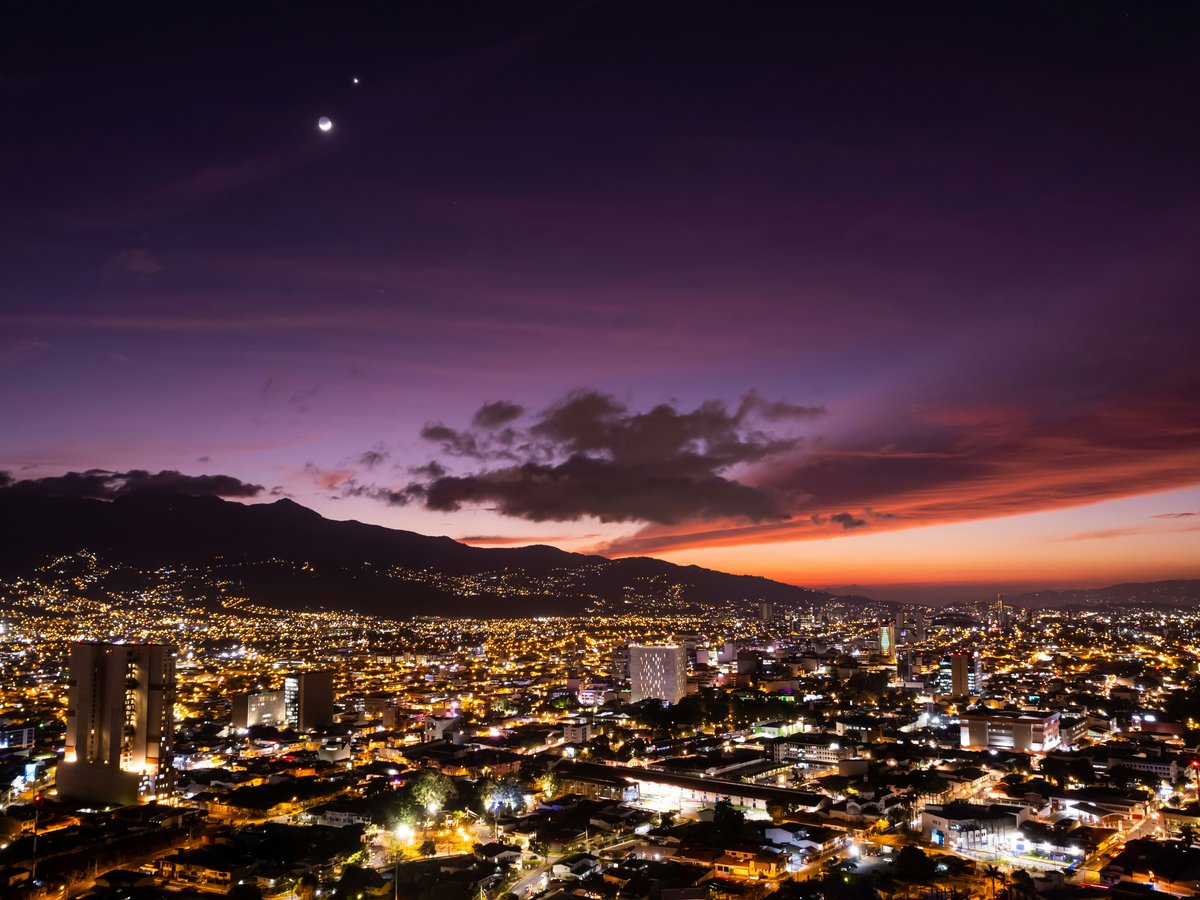
San José doesn't really announce itself the way other Latin American capitals do. There's no grand colonial grid, no obvious tourist center pulling you in one direction. The city sprawls across the Central Valley floor, hemmed in by mountains you can see from most rooftops on a clear morning. The layout is roughly a series of barrios fanning out from a downtown core that runs along Avenida Central: the pedestrian stretch between the Mercado Central and the Plaza de la Cultura is still the city's spine, even if locals spend less time there than they used to. East takes you through Los Yoses toward San Pedro and the university crowd. West follows Paseo Colón out to Parque La Sabana, the old airport grounds that now function as the city's green lung. North of downtown sits the cluster of historic barrios (Amón, Otoya) where the coffee barons built their mansions a century ago. The whole thing is maybe six kilometers end to end, which sounds walkable until you factor in the hills, the sidewalks that disappear without warning, and the fact that street addresses here are basically folklore. You'll hear directions like 'two hundred meters south of the old fig tree' and yes, they mean it. Getting oriented takes a day or two, but the city is small enough that a wrong turn usually just lands you somewhere interesting.
Neighborhoods
-
Barrio Amón
The old money neighborhood, though the money moved to Escazú decades ago. What remains is a street grid of Victorian and neoclassical houses: some meticulously restored, others crumbling behind iron fences with bougainvillea spilling over. The architecture here is genuinely surprising if you're expecting Central American concrete. You'll find former mansions converted into boutique hotels, a few galleries, and restaurants that feel like they're operating out of someone's living room, because they kind of are. The pace is slower than downtown, which is three blocks south. Mornings smell like coffee from the roasting operations nearby, and the light through the old trees along Calle 3 has a quality to it: filtered, almost European. At night it gets quiet. Maybe too quiet for some people.
- Best for
- First-time visitors who want walkable access to downtown without staying in the noise of it, architecture enthusiasts, couples looking for boutique hotel character over resort amenities
- Key streets
- Calle 3 and Calle 3 Bis between Avenida 7 and Avenida 11 form the heart of it: walk slowly. Avenida 9 connects east toward Parque España, where the Jade Museum anchors the corner. The alley behind the old Hotel Don Carlos has a cluster of small galleries that rotate shows.
-
Barrio Escalante
This is where San José's food scene landed, and it landed hard. What was a quiet residential neighborhood east of the Fuente de la Hispanidad roundabout has turned into the city's densest restaurant district over the past decade. Calle 33 is the main artery (locals call it Paseo Gastronómico) and on weekend evenings the sidewalks fill with people moving between craft beer spots, Japanese-Peruvian fusion places, and old-school Costa Rican sodas that somehow haven't been priced out yet. The buildings are still mostly low-rise residential, painted in pastels, with the occasional mid-century modern house that an architect clearly fought to preserve. It smells like wood-fired pizza and grilled plantain, depending on which block you're on. The energy is young professional, mid-thirties, people with opinions about single-origin coffee. During the day it's calm: a neighborhood where people live. After seven it shifts.
- Best for
- Food-focused travelers, younger couples, anyone who wants to eat extremely well without leaving a four-block radius, remote workers who want good coffee within stumbling distance
- Key streets
- Calle 33 (Paseo Gastronómico) is the obvious one: walk it end to end. Calle 35 runs parallel and has quieter spots that the weekend crowds skip. The intersection at Avenida 11 and Calle 33 is the densest cluster. Worth noting: the side streets between 31 and 35 have residential Airbnbs that put you in the middle of everything.
-
La Sabana
The neighborhood wraps around Parque Metropolitano La Sabana, which used to be the national airport until the 1950s. The park itself is massive by San José standards: trails, a lake, soccer fields, the Estadio Nacional on the south side, and the Museo de Arte Costarricense in the old terminal building. The surrounding blocks are a mix of mid-rise condos and older homes, with Paseo Colón feeding in from downtown on the east end. It feels residential and slightly removed from the city center, which is exactly the point for the people who live here. The noise level drops noticeably once you cross the park boundary. Mornings, the trails fill with joggers and people doing tai chi on the grass. The western edge bumps up against Rohrmoser and gets more commercial. There's a Walmart and a bunch of car dealerships, which tells you something about the vibe: functional, not picturesque, but genuinely livable.
- Best for
- Runners and anyone who needs green space daily, families with kids who want the park as a backyard, longer-stay visitors who prefer residential calm to tourist-district energy
- Key streets
- Paseo Colón is the main connector east toward downtown: lined with car dealerships and a few old restaurants that have been there forever. The north edge of the park along Sabana Norte has a cluster of mid-range hotels. Calle 68 on the western boundary leads toward the hospital district.
-
Los Yoses
A transitional neighborhood in the best sense. It sits between downtown and San Pedro, straddling the line between diplomatic-residential and student-adjacent. The embassies give it a certain quietness during the day: you'll see gates, guards, manicured hedges. But the restaurants and cafés along the main roads serve everyone from ambassadors to UCR students cutting through on their way to class. The houses are mostly mid-century, some modernist, set back from the road with actual yards, which is unusual this close to downtown. The Centro Cultural Costarricense Norteamericano is here and brings a trickle of cultural programming (film screenings, lectures) that keeps the neighborhood from feeling purely residential. It smells like exhaust on the main drag during rush hour, honestly, but step one block off the Circunvalación and it's birdsong and someone's grandmother's cooking.
- Best for
- Mid-range budget travelers who want quiet without isolation, people attending events at UCR, anyone who values being between things: walkable to San Pedro's nightlife, Uber-close to downtown, near the highway east toward Cartago
- Key streets
- The stretch of Avenida Central through Los Yoses has a run of good restaurants: Isolina for Italian, several cafés. The Fuente de la Hispanidad roundabout at the east end is the landmark everyone uses for orientation, even though the fountain itself is forgettable. Calle 37 heading south toward the Circunvalación has a few hidden gems.
-
San Pedro
University town energy dropped into the middle of a capital city. The Universidad de Costa Rica campus anchors everything: the main gate on the west side opens onto a strip of cheap restaurants, copy shops, bookstores, and bars that have that worn-in student quality. The Mall San Pedro is here too, which is where a lot of josefinos spend their weekends whether they'll admit it or not. At night the bars along Calle de la Amargura fill up, the music leaks out onto the sidewalk, and the whole thing has the slightly chaotic feel of a college town on a Friday. During the day it's calmer but still busy: people running errands, students between classes, the bus stops packed. The architecture is utilitarian. Nobody comes here for the buildings. You come here because the food is cheap, the beer is cold, and nobody's trying to impress you.
- Best for
- Budget travelers, backpackers, students, anyone who wants nightlife without the curated feel, Spanish-language learners looking to be around actual Costa Rican daily life rather than tourist infrastructure
- Key streets
- Calle de la Amargura is the nightlife strip: the name translates roughly to 'Street of Bitterness,' which tells you something. The main gate of UCR on Avenida Central is the orientation point. Mall San Pedro on the Circunvalación has practical shopping if you need anything from a SIM card to decent sushi.
-
Barrio Otoya
Amón's quieter neighbor to the north, and the one that hasn't been discovered by the boutique hotel crowd yet. The streets are narrower, the trees older, and the houses (while similar in vintage to Amón's) tend to be in a more honest state of gentle aging rather than careful restoration. The Galería Nacional sits on the east edge in the old liquor factory building, which is worth seeing for the architecture alone. Parque España borders the south side, and on weekday mornings you might be the only person sitting on those benches. There's a stillness here that downtown San José otherwise doesn't offer. The downside is that options for eating and drinking are limited: you'll walk into Amón or Escalante for dinner. But if what you want is a quiet base in an old neighborhood where the biggest sound at 9 PM is tree frogs, Otoya delivers.
- Best for
- Travelers who prioritize peace over convenience, art lovers near the Galería Nacional and Jade Museum, anyone who finds Amón already too polished and wants something rawer
- Key streets
- Calle 7 running north from Parque España is the main axis. Avenida 11 crosses through and connects west toward the hospitals. The block around the Galería Nacional (old Fábrica Nacional de Licores) on Calle 15 is the cultural anchor.
-
Downtown (El Carmen / La Merced)
Loud, dense, and unapologetically a working city center. This is where the buses converge, where the Mercado Central has been selling everything from pig heads to medicinal herbs since 1880, and where the Teatro Nacional still anchors the Plaza de la Cultura with a European grandeur that feels slightly incongruous surrounded by electronics shops and street vendors. Avenida Central's pedestrian stretch is the closest thing San José has to a paseo: people move through constantly, the noise is a wall of bus engines and cumbia from phone speakers and someone yelling about lottery tickets. The architecture ranges from ornate 19th century to brutalist government buildings to glass-fronted fast food chains, sometimes on the same block. It smells like diesel and fried food and, near the Mercado, an impossible layering of spices, raw meat, and fresh-cut flowers. Mind you, most tourists pass through downtown rather than staying in it, and that's probably the right call for sleeping, but skipping it entirely means missing the actual pulse of the city.
- Best for
- Day exploration, not necessarily overnight stays, though budget hostels here put you at the center of everything, useful for travelers with early buses to catch or limited time who want maximum density of experience per hour
- Key streets
- Avenida Central pedestrian mall between Calle 6 and the Plaza de la Cultura is the spine. The Mercado Central entrance is on Avenida 1 between Calles 6 and 8: go in, get lost, that's the point. Calle 2 south of the Teatro Nacional has a few old cantinas that still feel like the 1970s.
-
Rohrmoser
The neighborhood that makes no effort to be interesting and is comfortable with that. Northwest of La Sabana, Rohrmoser is where embassies, gated residential compounds, and shopping plazas replaced the old coffee farms. The streets are wider, the buildings newer, and the sidewalks exist and connect to each other, which is a genuine luxury in San José. It feels safe (probably the safest neighborhood in the city proper) and correspondingly a bit sterile. There are good restaurants here, scattered along the main roads, but you'll drive between them rather than walk. The US Embassy's presence shapes the area: security cameras, concrete barriers, a certain watchfulness. For visitors who want something that functions more like a North American suburb than a Central American capital, Rohrmoser delivers that without apology.
- Best for
- Business travelers, families prioritizing safety above all else, anyone with a car who wants a comfortable base for day trips to volcanoes and cloud forests rather than urban exploration
- Key streets
- Boulevard Rohrmoser is the main commercial axis: banks, pharmacies, restaurants. Calle 76 connects south toward La Sabana park. The area around Plaza Mayor has practical shopping and a few chain restaurants.
FAQ
Is it safe to walk between neighborhoods in San José?
During daylight, walking between adjacent neighborhoods (say Amón to Escalante, or Los Yoses to San Pedro) is generally fine and the most practical way to get a feel for the city. The sidewalks are inconsistent and you'll occasionally step into the street to get around a parked car or a missing slab, but the routes are populated and busy. After dark the calculus changes. Stick to main avenues, skip poorly lit side streets in downtown, and use Uber or InDriver for anything more than a few blocks at night. The red taxis are fine too but negotiate the fare first or insist on the meter: la maría, they call it. The neighborhoods north of Avenida 7 and the area around the Coca-Cola bus terminal deserve extra caution at any hour.
Which neighborhood should I stay in if I only have two or three days?
Barrio Escalante or Barrio Amón, depending on what matters more to you. Escalante puts you in walking distance of the best food in the city and has a younger, livelier energy at night. Amón gives you the historic architecture and a quieter base with downtown three blocks south. Either way you're central enough to see the main sights on foot during the day. Los Yoses splits the difference if both are booked: slightly less character but well-positioned between downtown and San Pedro.
How do street addresses and navigation work in San José?
They mostly don't, at least not in any way that will make sense your first day. San José uses a grid system of calles running north-south and avenidas running east-west, but most locals navigate by landmarks: many of which no longer exist. You'll hear 'from the old Higuerón tree, 200 meters north and 50 east,' and the tree was cut down in 1990. Waze and Google Maps work reasonably well for driving and walking. For taxis, give the driver a landmark near your destination rather than a street number. Barrio Amón from the Aurola Holiday Inn, Escalante from the Fuente de la Hispanidad, San Pedro from Mall San Pedro: these are the reference points people use.
What is the public transit situation for getting between neighborhoods?
Buses are cheap (under 500 colones for most city routes) but the system is confusing even for residents. There's no metro, no centralized map, and the routes are identified by destination signs in the windshield that assume you already know where things are. The buses heading west along Paseo Colón to La Sabana are straightforward. The ones heading east to San Pedro run along Avenida Central. Beyond that, Uber is likely your best option for cross-city trips, and it's affordable by most standards: a ride from Amón to San Pedro runs about 2,500 to 3,500 colones. The city has been talking about a commuter rail revival for years. Still talking.
Is San José worth spending time in, or should I just pass through to the beaches and mountains?
Most guidebooks treat it as a necessary layover, and a lot of travelers follow that advice straight to Arenal or Manuel Antonio. That said, skipping it entirely means missing the Mercado Central, the Museo del Jade, the food scene in Escalante, and the general experience of a Central American capital that isn't performing for tourists. Two nights is enough to get the flavor. The city's altitude (about 1,100 meters) keeps it cooler than the coasts, which is a genuine relief if you're arriving from sea level. The coffee is better here than anywhere else in the country, partly because roasters sell their best lots locally before exporting. It's not a city that overwhelms you with beauty, but it rewards curiosity.
Last verified by automated review (v1.7.2) on . What is automated review?