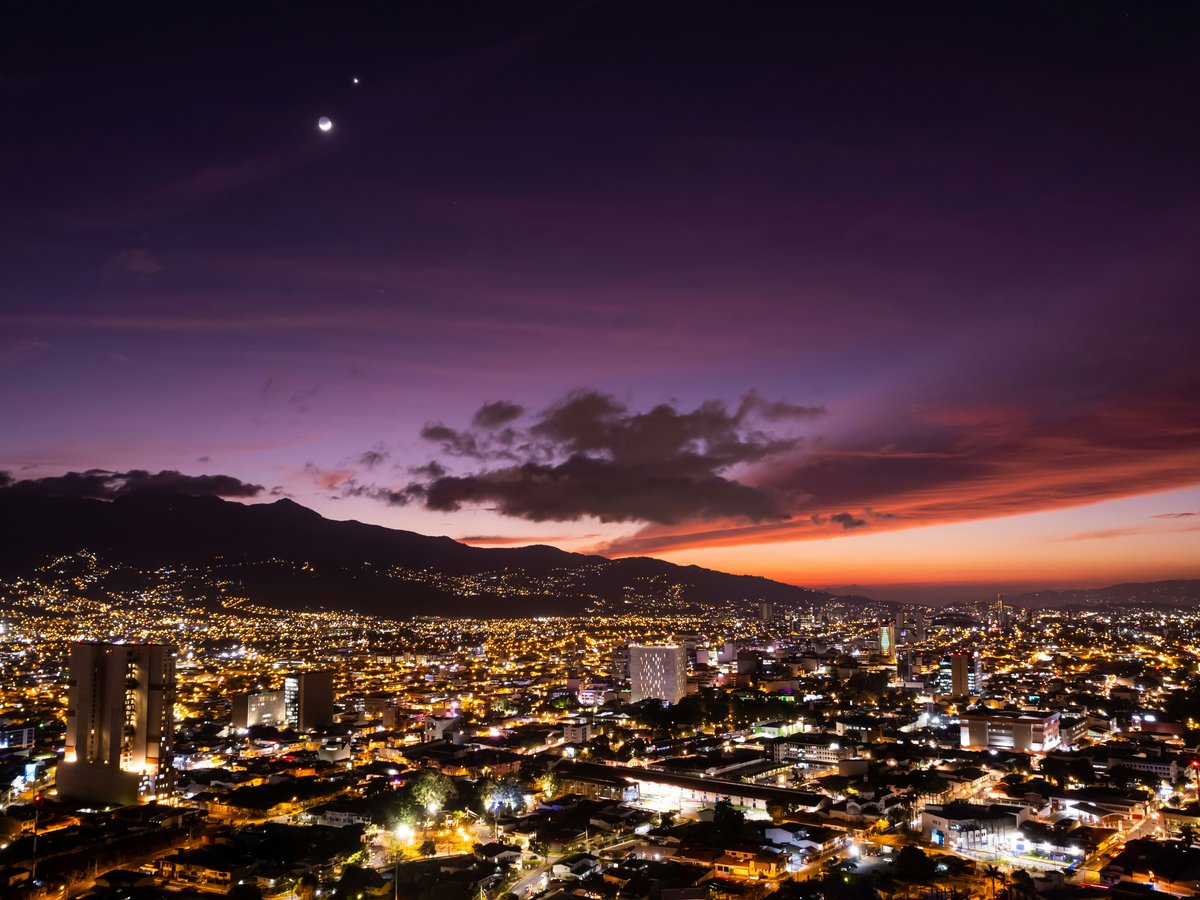
Is San José safe?
San José scores 5.2 out of 10 for solo-traveler safety (see the TTDI Solo-Safety Index). Petty theft, not violence, is the main risk, concentrated near the Coca-Cola bus terminal and south of Avenida 2. Base yourself in Barrio Escalante or Los Yoses after dark. Use Uber or official red taxis at night. Call 911 for emergencies.
San José scores 5.2 out of 10 for solo-traveler safety (see the TTDI Solo-Safety Index), and that figure is earned. The city sits in the Central Valley at 1,170 meters, where September evenings drop to around 20°C. The thick 83%-humidity air carries diesel fumes and the smell of rain-soaked concrete after the 3pm downpour clears. In the centro, petty theft is the primary risk, not violent crime. Bag-snatching and phone grabs from motorbikes are the most common incidents tourists report near Parque Central. Costa Rica's homicide rate reached roughly 17 per 100,000 in recent years, but that violence concentrates in peripheral barrios like La Carpio, Pavas, and outer Desamparados that tourists have no reason to visit. The blocks south of Avenida 2 between Calles 12 and 16 are the worst corridor for street crime inside the tourist zone. Violent crime targeting foreigners in Barrio Escalante or Los Yoses remains rare. The emergency number is 911. Same system as the U.S. The Tourist Police patrol the centro and can communicate in basic English.
Barrio Escalante is the best base for solo travelers. The restaurant strip along Calle 33 and Calle 35 has enough foot traffic until about 10pm that walking alone feels routine. You'll hear cumbia and the clink of Imperial bottles from open-front patios most evenings. Los Yoses runs south from there toward the UCR campus in San Pedro, and the hostel density along Calle de la Amargura draws backpackers and language students. Escazú, west of the city center, feels like suburban Florida transplanted to the tropics, safe but car-dependent. A solo traveler without a rental will spend 8,000 to 12,000 CRC ($18 to $26 USD) per Uber ride back to anywhere social. For meeting people on day one, Costa Rica Backpackers on Avenida 6 in Barrio Amón charges about 5,000 CRC ($11 USD) for a walking tour and runs communal dinners nightly. That said, San José is a transit city for most visitors. Solo travelers spending 2 or 3 nights before Monteverde or Manuel Antonio will find the Escalante-Amón corridor covers about 1.5 km on foot.
The blocks around Mercado Central and the area near the Metropolitan Cathedral along Avenida 2 empty out by 8pm. I'd walk Barrio Escalante until 10pm without a second thought, but I would not walk the 15-minute stretch from Escalante to downtown after 9pm. The route crosses poorly lit blocks near Parque Nacional, where the evening air cools sharply and you can hear your own footsteps on the wet concrete. Uber and DiDi both operate in Costa Rica and are the safest option after dark. Official red taxis use meters called 'marías,' and a ride from Juan Santamaría International Airport to downtown runs about 15,000 to 20,000 CRC ($33 to $44 USD). Never take an unmarked pirata cab, and never accept a flat-rate quote at SJO. Solo women report the Escalante and Los Yoses neighborhoods as comfortable during the day. The Coca-Cola bus terminal area and the blocks west of Mercado Central should be avoided entirely after sunset.
For longer solo stays, Barrio Escalante's café strip is where San José's remote-worker community clusters. Franco on Calle 35 fills with laptop workers by 9am on weekday mornings, and the warm, grassy smell of Costa Rican single-origin pour-overs drifts out to the sidewalk from at least 4 roasters in a 3-block radius. Selina San José in Barrio Amón offers coworking for about $15 USD per day and hosts social events on Thursday evenings. Group day tours out of San José tend not to charge single supplements, which is a relief for solo budgets. A small-group trip to Poás Volcano or Irazú Volcano typically runs $55 to $75 USD per person with hotel pickup, in groups of 8 to 12. An anti-theft daypack with lockable zippers is not paranoia in this city, where phone-snatch theft along Avenida Central between Calle 2 and Calle 9 is a documented pattern. A cross-body bag with a wire-reinforced strap, available for $25 to $40 USD, eliminates the most common grab scenario on that corridor.
Emergency number: 911
Official travel advisories
Exercise increased caution the most cautious of 3 government assessments
- Government of CanadaLevel 2Exercise a high degree of caution View advisory
- UK Foreign OfficeLevel 1No FCDO travel restriction View advisory
- US State DepartmentLevel 2Exercise Increased Caution View advisory
Verified from the issuing governments' own feeds.
Areas to avoid
- Coca-Cola bus terminal and surrounding blocks
- South of Avenida 2 between Calles 12 and 16
- La Carpio
- Pavas (southern sections)
- Outer Desamparados
- Avenida Central west of Mercado Central after dark
- Blocks around Parque Nacional after 9pm
Common concerns
- Phone grabs from motorbikes in the centro
- Bag-snatching near Parque Central
- Unlicensed pirata taxis at SJO airport
- Red taxi drivers refusing the meter or quoting flat rates
- Empty streets in the centro after 8pm
- Bag slashing on intercity buses to the Caribbean coast
Last verified by automated review (v1.7.2) on . What is automated review?