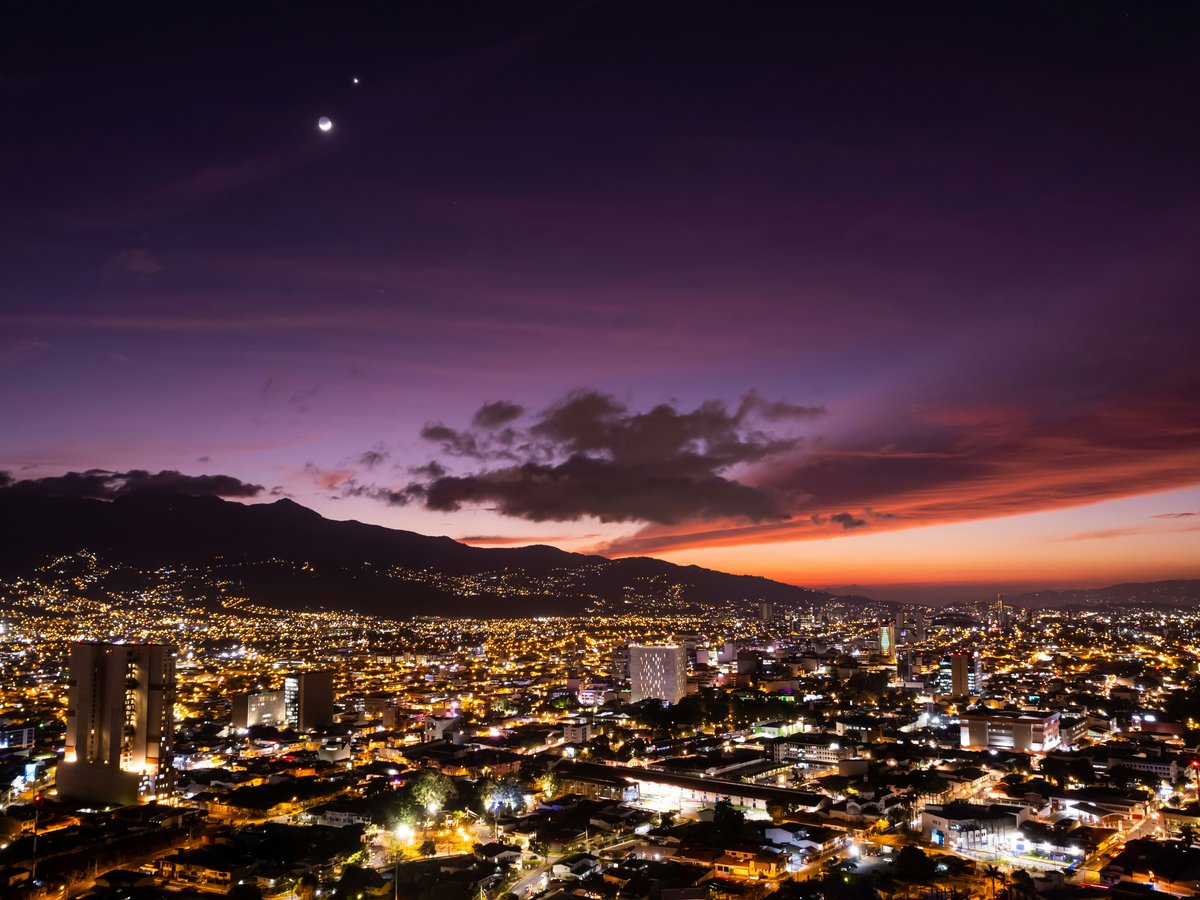
San José's must-see roster is not a skyline; it is a ledger of stone, tile, and stagecraft written across the Central Valley. The capital's own core holds the set pieces, a theatre and a cathedral pinned within a few blocks of each other in the 10104 postal zone, and the list widens outward the way locals move on a weekend, out to Heredia's colonial fort, up to Alajuela's twin churches, down to the Cartago basilica that anchors the country's pilgrimage calendar. Skip the tour-bus loop that treats these as identical photo stops; the buildings argue with each other, in scale and in intent, and the argument is worth an afternoon. This is a list for a visitor who wants the built record of Costa Rica in one clear pass, cross-referenced to Wikidata so every address you follow lands on the door it promises. Twelve entries, each one mapped, each one worth the walk or the short bus ride, and each one delivering something you cannot photograph from the sidewalk.
-
1 National Theatre of Costa Rica
0003 Calle 3 Manuel María Gutiérrez, San JoséThe country's premier stage and its most photographed civic interior.
Step through the door at 0003 Calle 3 Manuel María Gutiérrez and the National Theatre of Costa Rica does the work no postcard can, in marble, gilt, and a lobby scaled to make you feel small on purpose. Catch a performance over the daytime walk-through; the room reads differently when the house lights drop and the stage does what it was built to do. It sits at 9.9332, -84.0770, which in practical terms means you are two minutes from the cathedral and one from the plaza that fills on weekend evenings. The programme runs through the official site at teatronacional.go.cr, and buying a ticket ahead is the difference between seeing the building and seeing it working. Wikidata catalogues it as Q1138822, a theatre in San José, Costa Rica, which undersells what an hour inside delivers.
Dates from 1897
-
2 Costa Rican Center of Science and Culture
Calle 4, San JoséA former penitentiary reworked into the country's flagship children's museum.
At Calle 4 the Costa Rican Center of Science and Culture, better known locally as the Museo de Los Niños, occupies a building that looks nothing like a museum and everything like the fortress-prison it used to be, which is exactly the point. Skip the assumption that this is a stop for families only; the architecture alone earns the visit, and the interior does not soften the bones of the place, it just puts exhibits inside them. Coordinates run to 9.9411, -84.0802, about ten minutes on foot north of the downtown theatre cluster, which makes it a natural pairing on the same day. Programmes and hours live at museocr.org; check them before you go, because rotations change what you see inside. Wikidata files it as Q5174891, a museum in Costa Rica, and the description undersells how strange and good the reuse is.
Dates from 1994
-
3 Metropolitan Cathedral of San José
0003 Calle Central Alfredo Volio, San José, 10104The seat of the archdiocese and the anchor of the historic core.
The Metropolitan Cathedral of San José stands at 0003 Calle Central Alfredo Volio in the 10104 postal area, and it earns its slot on this list less by height than by centrality; the building organises the streets around it. Go for the daily mass over the sightseeing tour; the building reads more honestly when it is being used than when it is being photographed. Coordinates 9.9328, -84.0788 put it a short walk from the National Theatre, which is the pairing every first-time visitor should make. Wikidata catalogues it as Q6825031, described plainly as a cathedral in Costa Rica; that spare description is a fair warning that the drama here is civic, not baroque. Come in, sit for ten minutes, and let the room do its work before you photograph it from the plaza outside.
-
4 Melico Salazar Theatre
0004 Avenida 2 - Libertador Juan Rafael Mora, San JoséThe city's working stage for popular concerts and touring productions.
Built into the row at 0004 Avenida 2 - Libertador Juan Rafael Mora, the Melico Salazar Theatre is the room the National Theatre's grandeur tends to overshadow, and the locals prefer it for exactly that reason; the programming leans popular, the acoustics are honest, and the crowd shows up to listen. Coordinates 9.9335, -84.0794 place it within a two-minute walk of the cathedral and the national stage, which means you can walk the whole civic cluster in an hour without ever crossing a major avenue. Wikidata files it as Q3357547, a theatre in San José, Costa Rica, and that flat description is fine, because the case for the room is made on any night the marquee is lit. Check what is on before you go; the daytime facade is not the point.
Dates from 1928
-
5 Iglesia de La Merced
0003 Avenida Libertador Juan Rafael Mora Porras, San JoséA neo-Gothic parish church that reads differently from the city's baroque cathedrals.
Anchored at 0003 Avenida Libertador Juan Rafael Mora Porras, Iglesia de La Merced is the historic church most visitors walk past on their way to the cathedral, which is a mistake worth correcting. Duck inside for the light and the quiet; the room rewards the ten minutes it takes. Wikidata records it as Q18170729 and coordinates 9.9333, -84.0837 put it a few blocks west of the Melico Salazar, close enough that adding it to the downtown loop costs you nothing. Don't bother with the assumption that one church stop is enough in a city with this many; the contrast between La Merced and the metropolitan seat is the whole point of walking both. Come at a quiet hour and let the interior do its own arguing.
-
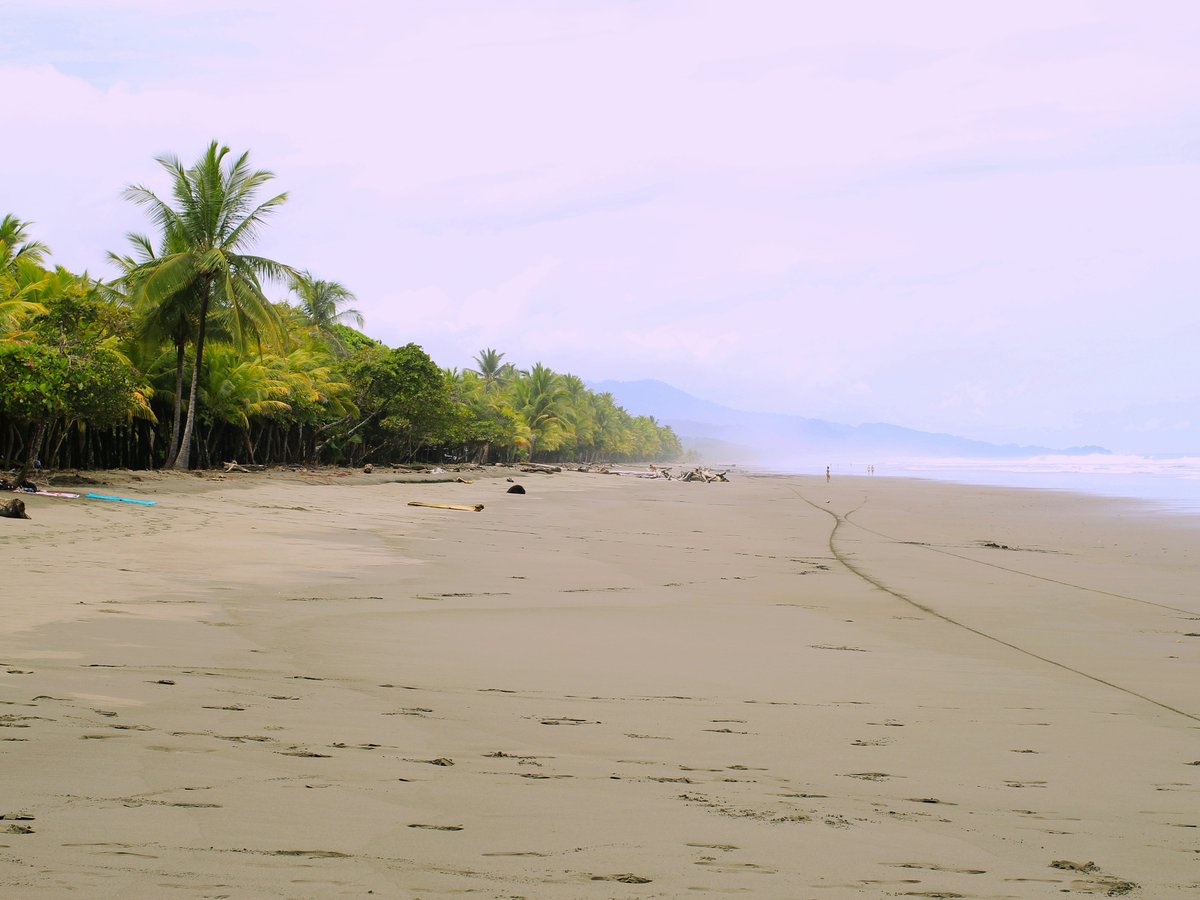
6 Nuestra Señora de los Ángeles
Calle 15, Cartago, 30101The Basilica of Cartago, the country's Marian pilgrimage anchor.
Out at Calle 15 in Cartago, 30101, Nuestra Señora de los Ángeles is the reason the highway east of San José fills on the second of August, and the reason a list of the capital's must-sees has to leave the capital. Don't assume the downtown cathedral will do the same work; this is a church building in Cartago that carries the country's pilgrimage calendar on its shoulders, and the room feels like it. Coordinates 9.8639, -83.9128 put it about an hour east by bus from central San José, an easy half-day round-trip. The parish keeps schedules and pilgrimage information at santuarionacional.org, and checking the calendar is the difference between visiting an empty nave and seeing the building at work. Wikidata catalogues it as Q3445644; treat the trip as part of any serious San José itinerary.
Dates from 1924
-
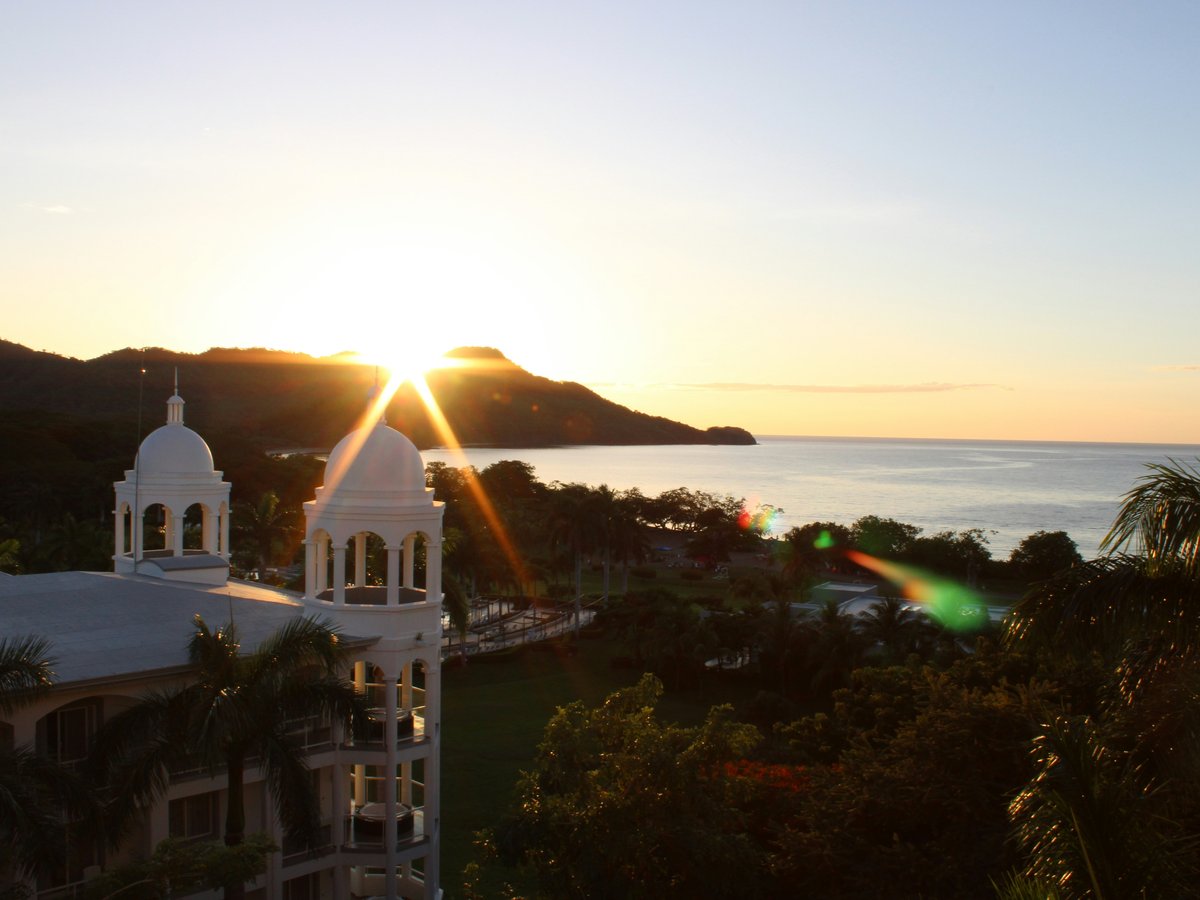
7 Parroquia Nuestra Señora de los Desamparados
Avenida Central, DesamparadosThe parish anchor of Desamparados, on the capital's southern edge.
On Avenida Central in Desamparados, the parish church of Nuestra Señora de los Desamparados sits at 9.8977, -84.0647, a short ride south from the downtown core and a useful correction to the assumption that San José's religious architecture ends at the metropolitan cathedral. Locals eat and shop around this square on a Sunday, and the building organises that traffic the way parish churches are supposed to; visit at midday and you see the neighbourhood, not a monument. Skip the impulse to rate every church against the Cartago basilica; this is a church building in San José, Costa Rica, and its case rests on the fact that it is a working parish in a district most tourists never see. Wikidata catalogues it as Q20671484 for the trip planners who want the pin on their map.
-
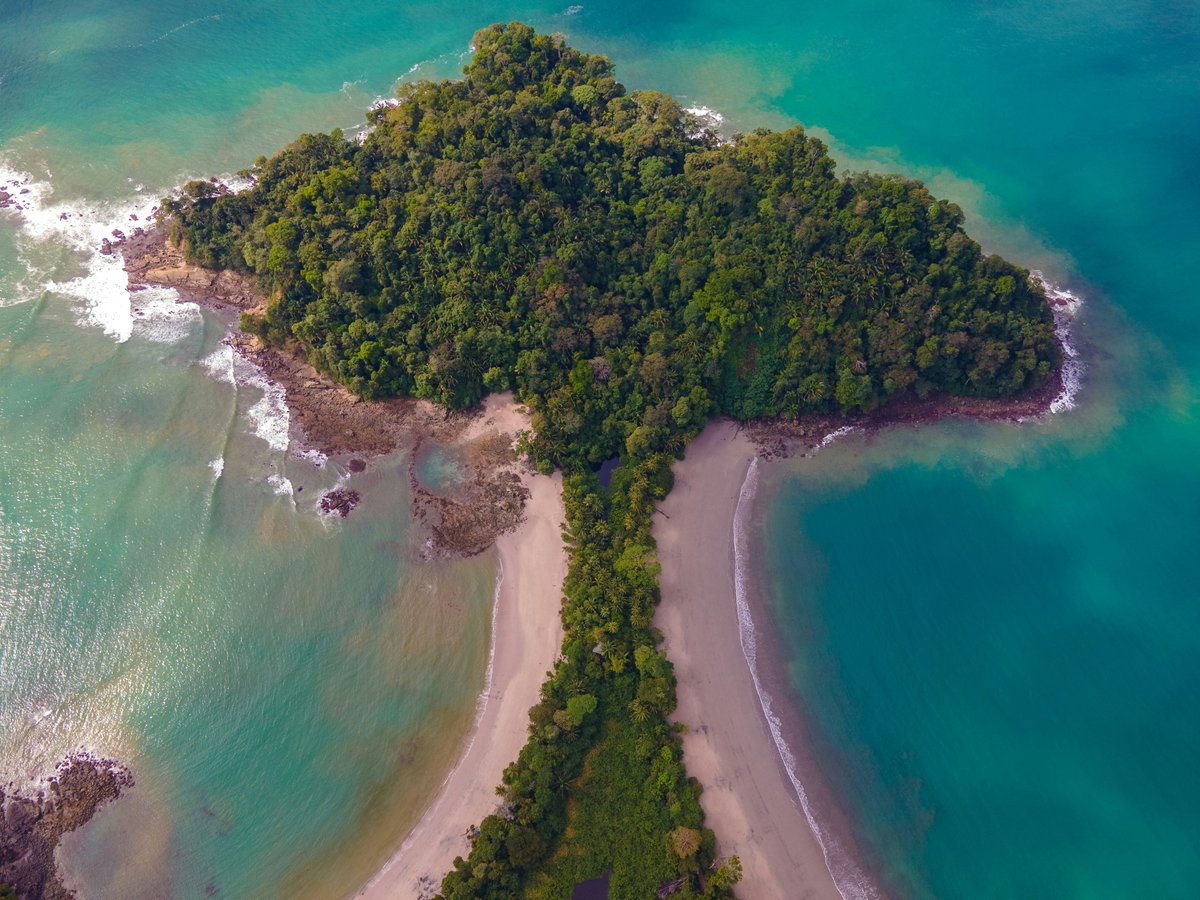
8 Fortín de Heredia
Avenida Central Rafael Moya Murillo, HerediaA small colonial fortification that has become Heredia's civic emblem.
Facing the park on Avenida Central Rafael Moya Murillo in Heredia, the Fortín is a squat, thick-walled tower that survived long enough to become the town's shorthand, catalogued at Wikidata as Q5864272. Don't bother trying to go inside; the case for the visit is what it does to the plaza around it, and the plaza is where the town lives on a weeknight. Coordinates 9.9992, -84.1171 put it about a half-hour bus ride north of central San José, which makes it the easiest colonial detour on this list. Described plainly as a monument in Heredia, Costa Rica, the building repays the ten minutes it takes to walk the square around it with a view of a coffee-country capital that never quite lost its centre.
-
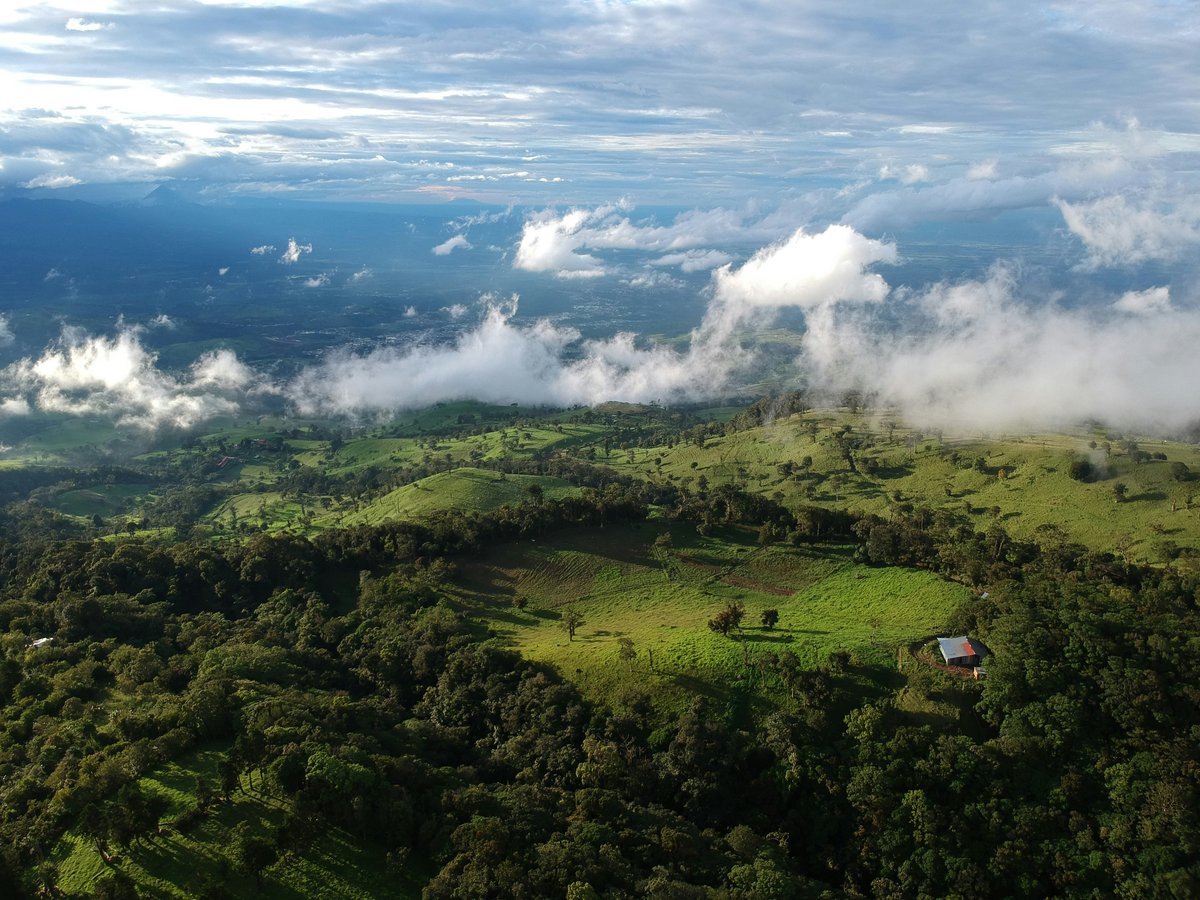
9 San José Costa Rica Temple
A Latter-day Saint temple set into the hills west of the capital.
Set into the hillside at 9.9864, -84.1848, the San José Costa Rica Temple is a building most guidebooks miss entirely, and the omission tells you more about the guidebooks than the site. The locals passing on the western ring road know it as a landmark; the temple grounds are described plainly as a Temple of the Latter Day Saints at Wikidata entity Q3846757, and the interior is not open to the public. Skip the assumption that the doors open to walk-in tourism; the case here is the grounds, the exterior, and the drive out through the western suburbs, which shows you a San José the downtown core does not. Programme information and visitor guidance sit on the official page at churchofjesuschrist.org; check it before you plan the trip.
-
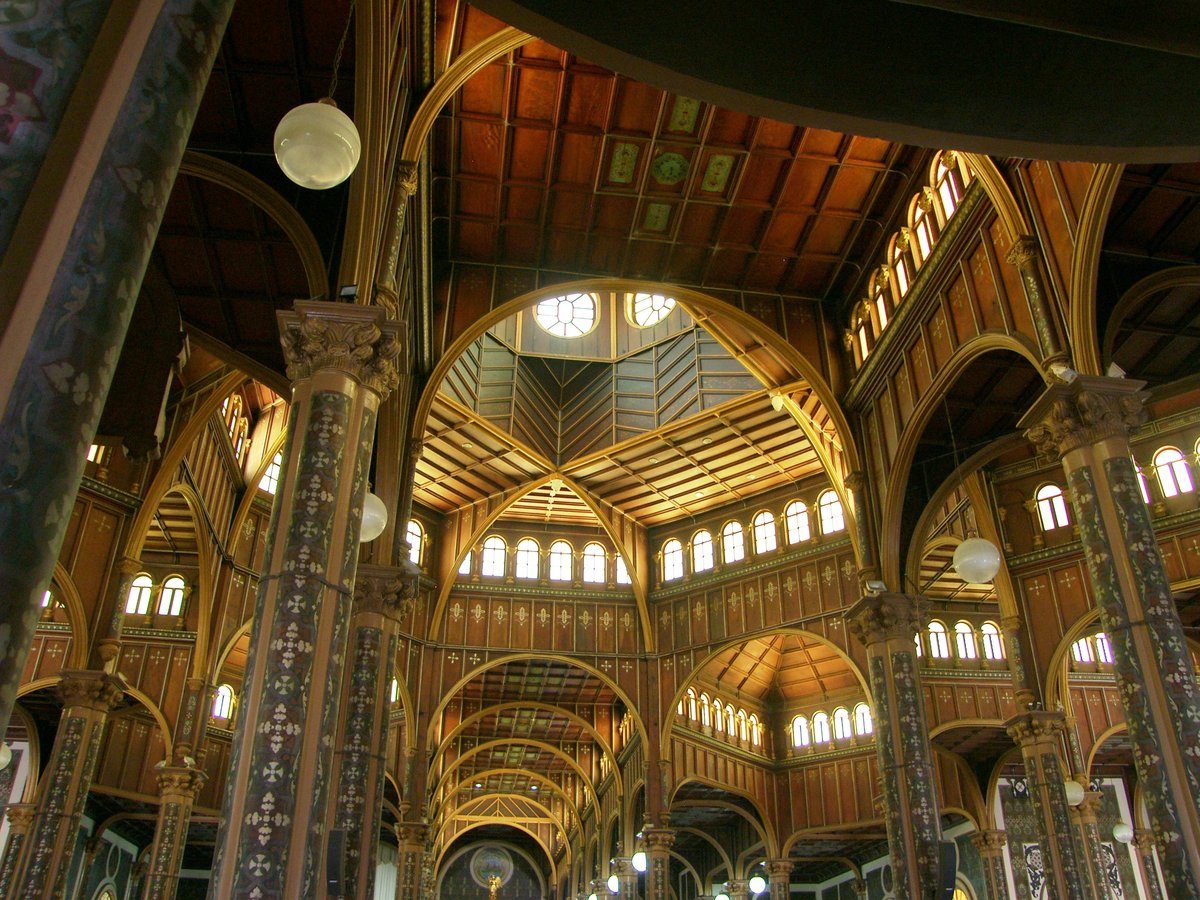
10 Our Lady of the Pillar Cathedral, Alajuela
Calle Central, Alajuela, 20101Alajuela's cathedral, the anchor of the Central Valley's second-largest city.
Facing the park at Calle Central, Alajuela, 20101, Our Lady of the Pillar Cathedral does the civic work every provincial capital's main church is supposed to do, and it does it well enough that locals treat the plaza around it as the town's actual centre. Coordinates 10.0167, -84.2129 put it a short ride from the international airport, which makes it the single easiest add-on for a traveller with an afternoon before a flight; skip the airport-hotel bar and walk the square instead. Wikidata catalogues it as Q27430732, described as a church in Alajuela, Costa Rica, and the plainness of that description is a fair guide to the building, which is honest rather than ornate. Come at a quiet hour and let the room work on you before the plaza fills.
-
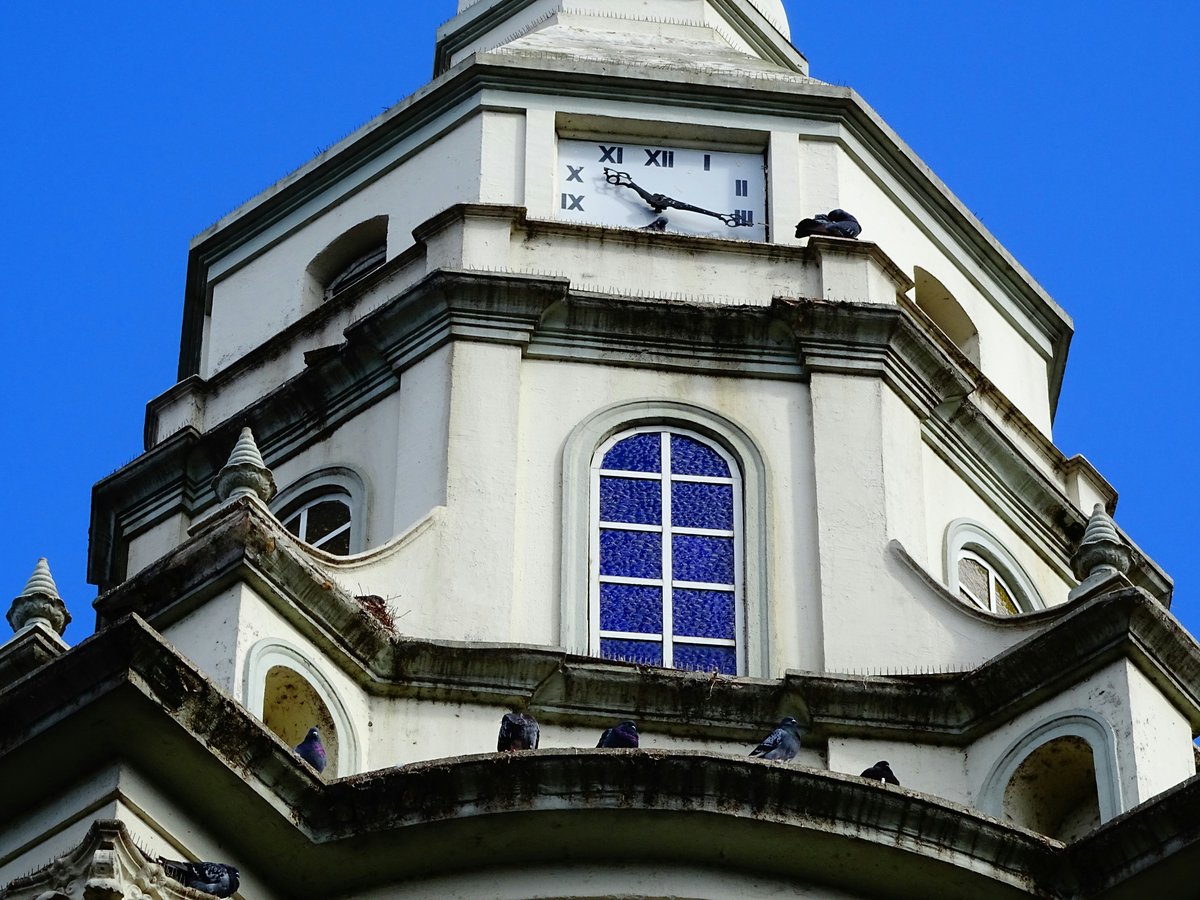
11 Our Lady of Carmel Cathedral, Cartago
Avenida Central, Occidental, 30102Cartago's other principal church, in the historic centre near the basilica.
On Avenida Central in Cartago, 30102, Our Lady of Carmel Cathedral occupies the block that most day-trippers walk past on their way to the basilica, and the locals know to stop; the room is quieter, the scale is more human, and the visit costs you fifteen minutes. Coordinates 9.8653, -83.9226 put it within easy walking distance of Nuestra Señora de los Ángeles, which makes the pairing obvious for any half-day trip out of the capital. Don't treat Cartago as a single-stop errand; the two churches read as a conversation about scale and intent, and you cannot hear the conversation if you only visit one. Wikidata catalogues this one as Q27430494, described as a church in Cartago, Costa Rica.
-
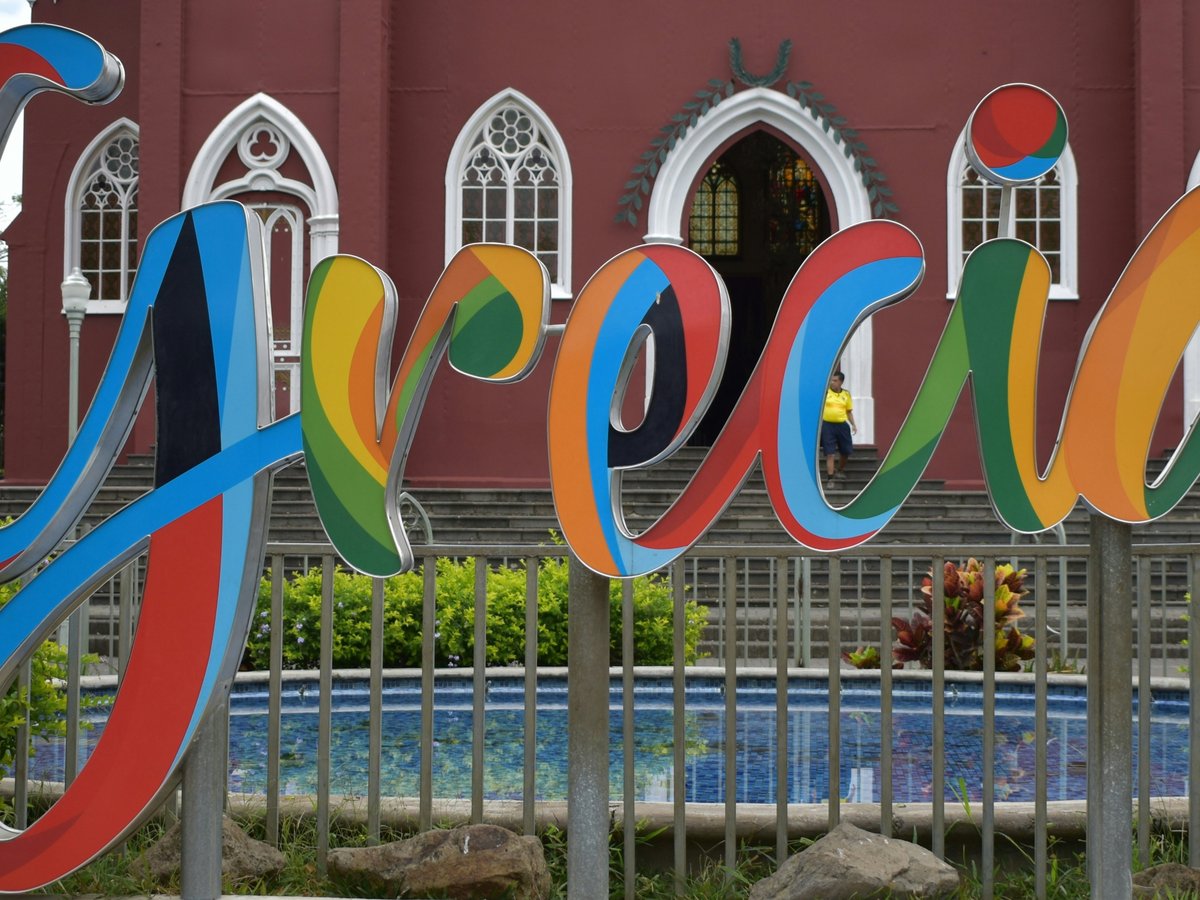
12 Iglesia de la Agonía
Alajuela's older, quieter parish church, a short walk from the cathedral.
Mapped at 10.0175, -84.2087, Iglesia de la Agonía sits within a short walk of Alajuela's main square and completes the trio of church visits any serious Central Valley itinerary should include. Locals treat it as a working parish rather than a monument, which is why it repays a quiet visit better than the cathedral does on a busy afternoon; skip the assumption that older automatically means grander, and let the room set its own pace. Wikidata catalogues it as Q15228010, described plainly as a church building in Costa Rica, and that spare entry is a fair marker of a building that has not been polished up for tourism. Pair it with the cathedral and Fortín de Heredia, catch a bus back to San José before dark, and you have walked the built record of the valley in a single day.
Last verified by automated review (v1.7.2_accom-wave-692-20260905070041) on . What is automated review?