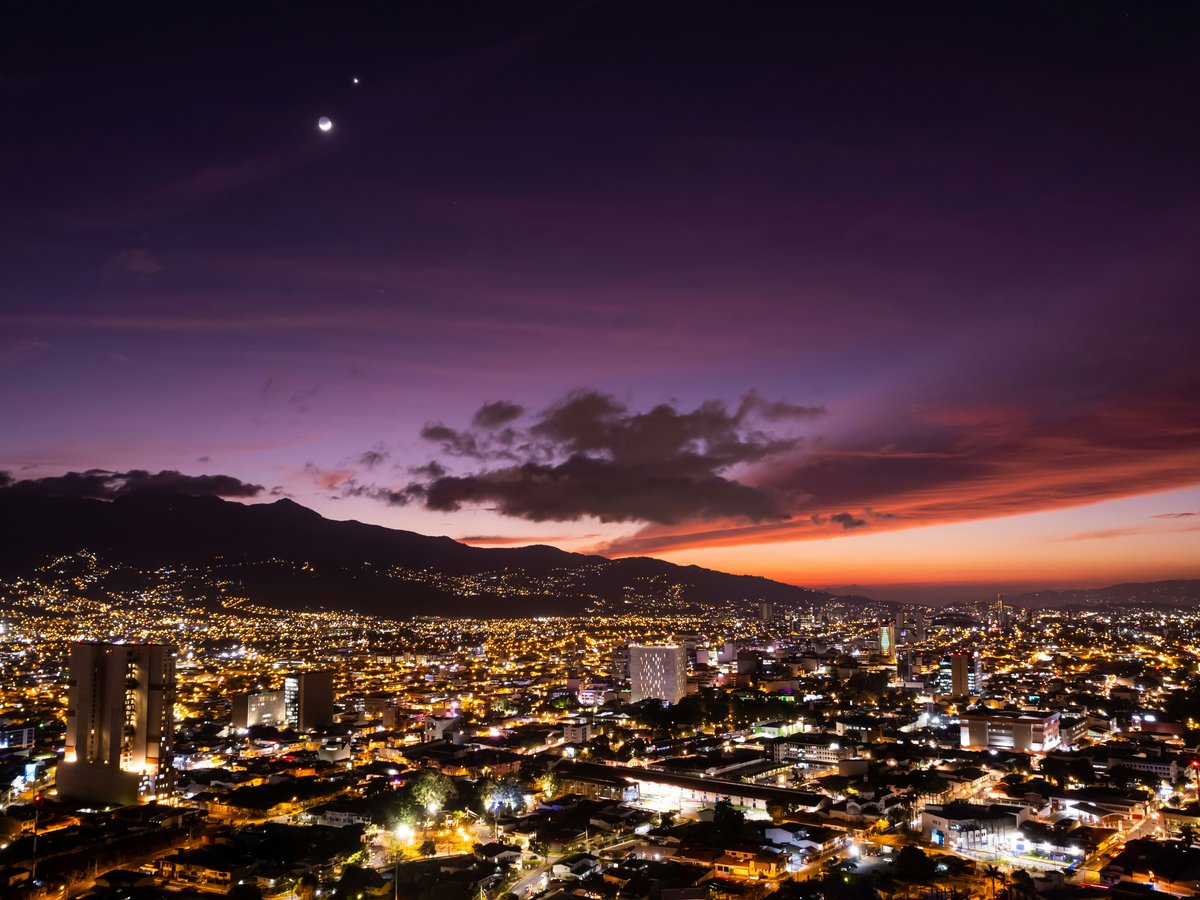
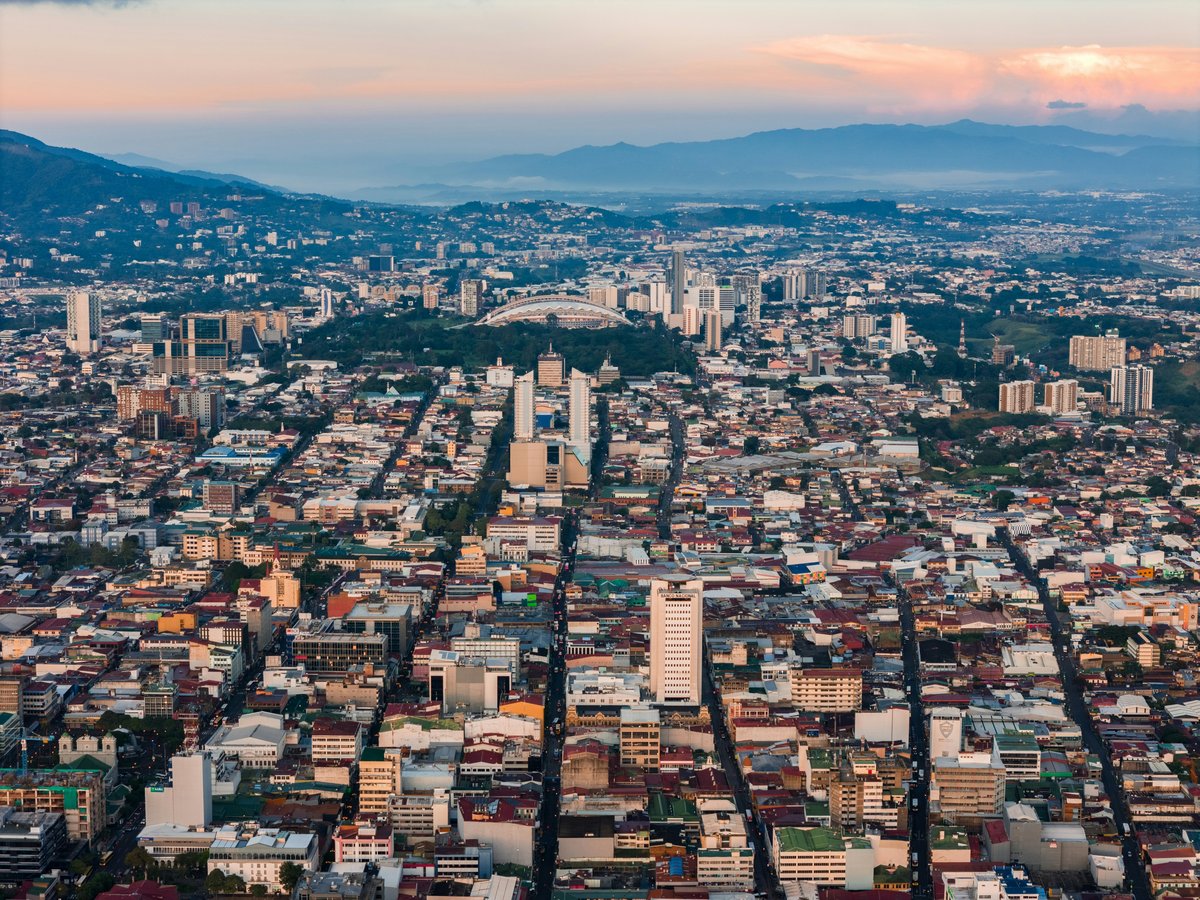
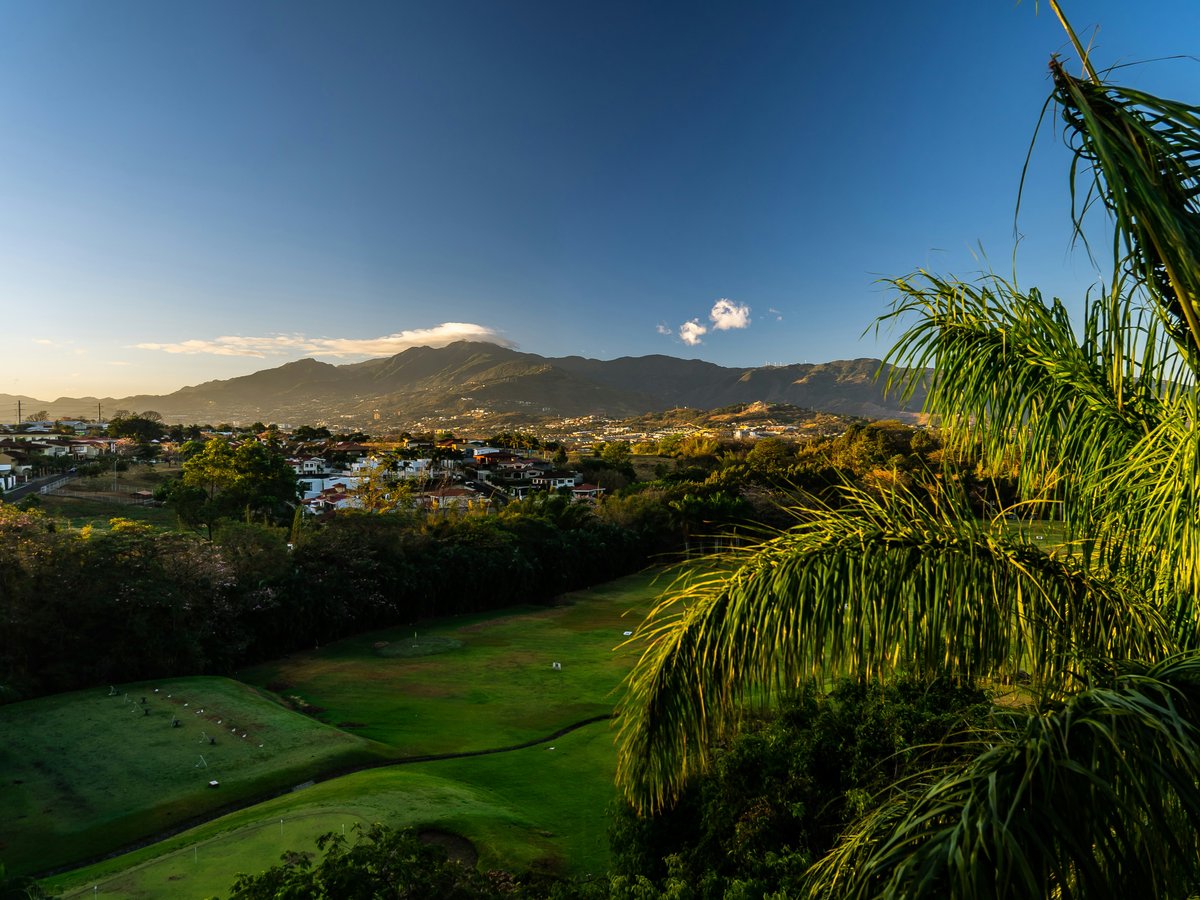
San José sits at roughly 1,170 metres above sea level in Costa Rica's Central Valley, ringed by volcanic ridges that trap clouds against the cordillera most afternoons, and this elevation gives the city a permanent-spring climate that rarely drops below 15°C or climbs above 28°C: a fact that catches first-time visitors off guard, since they packed for the tropics. The city became the capital almost by accident: after independence from Spain in 1821, a short civil conflict in 1823 settled the question in San José's favour over the older colonial seat of Cartago, and the coffee wealth that followed through the nineteenth century paid for the Teatro Nacional, a neoclassical theatre on Avenida Segunda whose marble floors and painted ceiling were financed by a voluntary export tax the coffee barons imposed on themselves. That same money built the mansions of Barrio Amón, now converted into boutique hotels and galleries north of Avenida 7, where you walk past carved wooden doors and imported Italian tile in various states of restoration. Mornings tend to start at the Mercado Central, a block-wide market operating since 1880 where a casado (rice, black beans, plantain, salad, and a protein) costs under three thousand colones at a soda counter. By mid-morning the crowds shift south toward the Plaza de la Cultura, underneath which the Museo del Oro Precolombino holds one of the hemisphere's largest collections of pre-Columbian goldwork in a windowless underground vault. East of downtown, Barrio Escalante has become the city's strongest restaurant district over the past decade, its former residential blocks now lined with independent kitchens cooking everything from Peruvian-Japanese nikkei to wood-fired Costa Rican dishes. Late afternoons end at La Sabana, a former airfield turned park on the western edge, where joggers circle the lake and pickup football matches run until light fails.
San José in photos
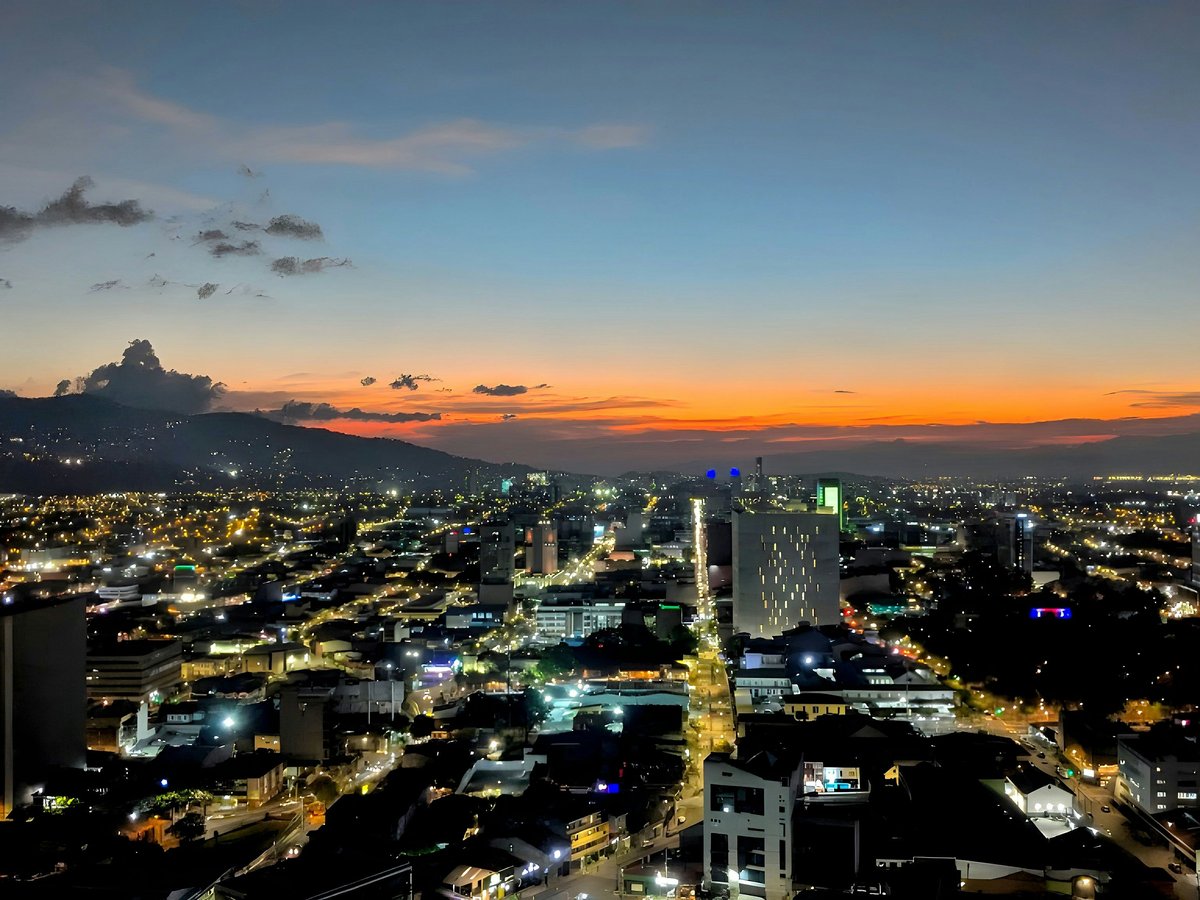
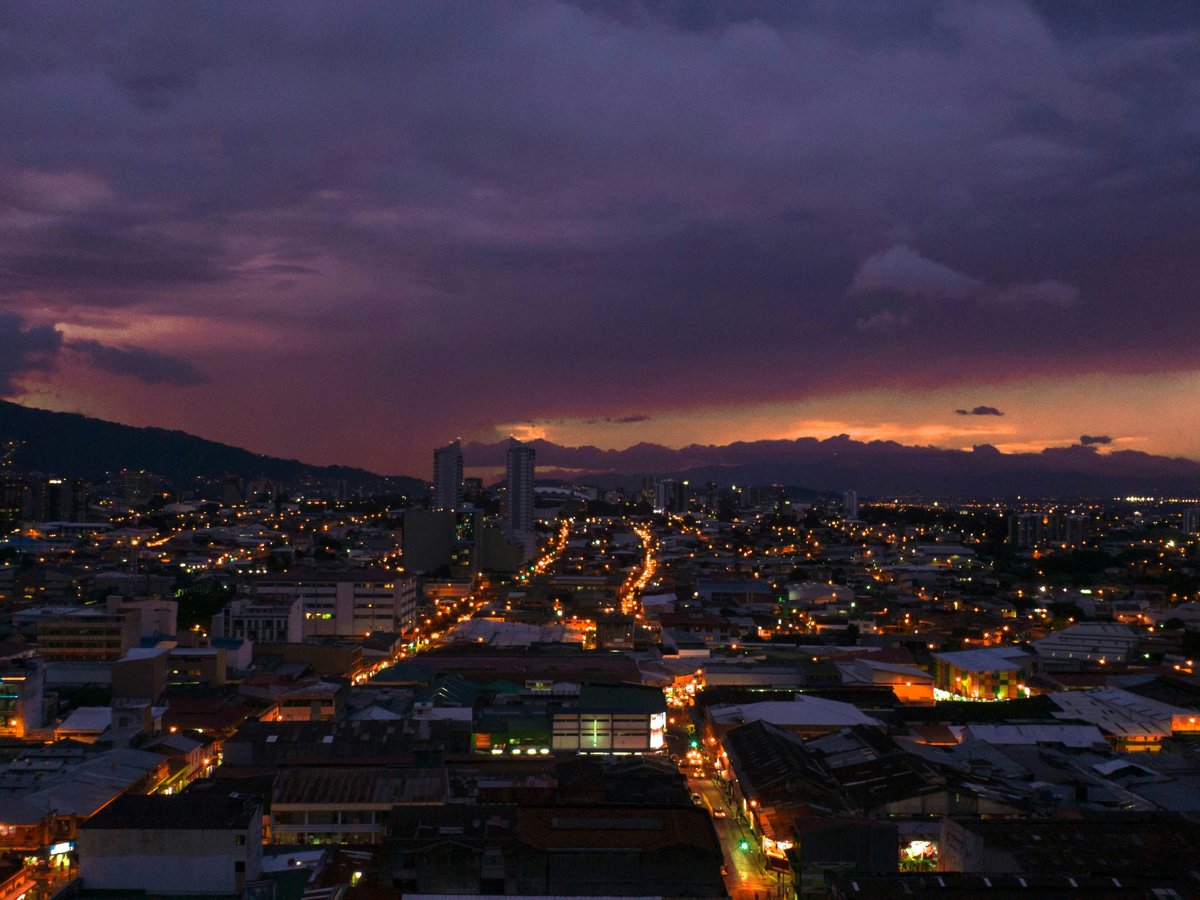
San José right now
Answers about San José
-
Airport to city
From Juan Santamaría Airport (SJO) in Alajuela, take an official orange taxi from the stand outside arrivals: fixed fare around 14,000–18,000 colones ($27–35 USD), 25–40 minutes to downtown San José depending on traffic. Uber and DiDi work and cost less, but need mobile data and operate in a legal gray zone. Skip the public bus with luggage.
Read the full answer → -
Best time to visit
Mid-January to mid-March is the window we'd point you toward first. Those weeks bring dry skies, clear mornings over Volcán Irazú, and normal bus and museum hours, all before Holy Week closes much of the city. December runs a close second, worth it for the parades. September and October are the ones to sidestep: afternoon storms are at their worst then, and many flights land into a downpour.
Read the full answer → -
Cost per day
Budget travelers can get through San José on $35/day (₡15,900 CRC). A hostel dorm in Barrio Amón runs $10-13, casado plates at neighborhood sodas cost $6-8, and city buses are under $1.30 per ride. Midrange sits around $75. The 23% in mandatory taxes and service charges on every restaurant and hotel bill is the cost most visitors underestimate.
Read the full answer → -
Cultural etiquette
Costa Ricans lead with 'pura vida': it works as hello, goodbye, and 'everything's cool.' A handshake for men, single cheek kiss for women you've met before. Tipping is built into restaurant bills at 10%, so extra is optional. Don't rush people: 'Tico time' runs 15-30 minutes behind schedule, and pointing it out won't speed anything up.
Read the full answer → -
Best day trips
Poás Volcano paired with the Doka Estate coffee tour is the strongest single-day combination from San José: 37 km north, out by 7am, back by 2pm. Irazú Volcano with a Cartago basilica stop and Orosi Valley thermal pools fills a longer 9-hour day when one partner wants altitude and the other wants to soak.
Read the full answer → -
Digital nomads
San José scores 7.2/10 for digital nomads (sourced from TTDI's editorial rubric). ICE fiber delivers 100-300 Mbps across the metro for $52/month. Coworking runs $120-200/month at spaces like Impact Hub and Selina. Costa Rica's Digital Nomad Visa (Ley 10.008, October 2022) requires $3,000/month income proof. Monthly all-in budget runs $1,900-2,400.
Read the full answer → -
Family-friendly
San José scores 7.2/10 for family friendliness (see the TTDI Family-Friendliness Index). The Central Valley's 20-25°C daytime temperatures mean no heat meltdowns, and the Museo de los Niños alone fills 3-4 hours for ages 3-12. Sidewalks are terrible for strollers. Bring a carrier. Costa Rican food is the mildest in Central America, and fruit stands appear every two blocks.
Read the full answer → -
Food culture
San José eats rice and beans twice a day and doesn't apologize for it. Gallo pinto at breakfast, casado at lunch: both built on the same base but seasoned differently, doused in Salsa Lizano. The real action happens at sodas, family-run counters where a full plate costs 3,000–4,500 colones. Skip hotel restaurants. Eat where the taxi drivers eat.
Read the full answer → -
Getting around
Uber is your primary mode in San José: download it before landing at Juan Santamaría. Official red taxis with meters (ask for 'la maría') are the backup. The city has no metro. Buses exist but routes are confusing for visitors. Walking works along the pedestrian Avenida Central and in Barrio Amón, but sidewalks elsewhere are broken and unpredictable.
Read the full answer → -
How to get there
Juan Santamaría International Airport (SJO), 17 km northwest of downtown in Alajuela, handles nearly all international flights. Direct service runs from Miami (under 3 hours), Houston, Atlanta, and JFK on American, United, Delta, JetBlue, and Spirit. Copa connects through Panama City. Round-trip fares from the US run $350–700 depending on season.
Read the full answer → -
Is it safe?
San José scores 5.2 out of 10 for solo-traveler safety (see the TTDI Solo-Safety Index). Petty theft, not violence, is the main risk, concentrated near the Coca-Cola bus terminal and south of Avenida 2. Base yourself in Barrio Escalante or Los Yoses after dark. Use Uber or official red taxis at night. Call 911 for emergencies.
Read the full answer → -
Language basics
Spanish: Costa Rican Spanish specifically, where 'usted' replaces 'tú' even between close friends and 'pura vida' works as hello, goodbye, thanks, and a general shrug of contentment. English proficiency in San José's tourist zones sits around 5/10: hotel staff and tour operators manage fine, but Mercado Central vendors, bus drivers, and most taxi dispatchers don't.
Read the full answer → -
Layover guide
Yes, if your layover is 6 hours or longer. Juan Santamaría International Airport sits about 25 minutes from downtown San José by Uber. Immigration typically takes 15-30 minutes each way. Most North American and European passports enter Costa Rica visa-free for up to 90 days, but verify your nationality's specific terms before leaving the terminal.
Read the full answer → -
LGBTQ-friendly
San José scores 7.8/10 for LGBTQ+ friendliness (sourced from TTDI's editorial rubric). Costa Rica was the first Central American country to legalize same-sex marriage. The scene is small but genuine, centered on La Avispa bar and Barrio Escalante's cafe strip. Same-sex couples move through central neighborhoods without drawing attention.
Read the full answer → -
Where locals go
Josefinos spend Saturday mornings at the Feria Verde in Barrio Aranjuez, weeknight evenings on the Avenida 7 craft-beer corner around Stiefel Pub, and weekday lunches at the sodas inside Mercado Central. Barrio Escalante's Paseo Gastronómico La Luz fills on Thursday and Friday nights. Sunday mornings are for Parque La Sabana, and Saprissa home games pack the bars around Tibás.
Read the full answer → -
Must-see
Teatro Nacional de Costa Rica, on the south side of Plaza de la Cultura. A coffee-baron vanity project from 1897 that happens to be the finest building between Mexico City and Bogotá. Walk in for a self-guided tour (around ₡3,000) and the Italian marble foyer alone resets your expectations of what San José is.
Read the full answer → -
Solo travel
San José works for 2-3 solo nights but has real safety constraints after dark. Barrio Escalante and Barrio Amón are the two walkable neighborhoods where eating and sleeping alone feels normal. Petty theft near San José's bus terminals is the primary risk. Uber is reliable and cheap. Most solo travelers pass through en route to Monteverde or the Pacific coast.
Read the full answer → -
This week
San José runs on Mercado Central mornings (Monday through Saturday), the Saturday Feria Verde farmers' market in Barrio Aranjuez, and Barrio Escalante's Thursday-to-Saturday dinner scene along Calle 33. Most museums take Mondays off. Rainy-season afternoons bring short, hard rainstorms, so schedule sightseeing before noon and save restaurants for the dry evenings.
Read the full answer → -
3-day itinerary
Day one covers downtown San José on foot: Teatro Nacional, Mercado Central for a casado lunch, Museo Nacional inside the old Bellavista Fortress. Day two shifts east to Barrio Amón's converted mansions and Barrio Escalante's restaurant row. Day three heads into the Central Valley: Poás Volcano in the morning, a coffee estate tour by lunch, Basílica de los Ángeles in Cartago by mid-afternoon. About 14 kilometres of walking total.
Read the full answer → -
What to avoid
Skip the unmarked 'pirata' taxis outside Juan Santamaría airport, the blocks around Terminal Coca-Cola after dark, and the one-day Poás and coffee-farm combo tours that reach the crater after the clouds roll in. Pay in colones, not dollars. In October, plan sightseeing for the morning, because rain usually reaches San José by about 2pm.
Read the full answer → -
What to pack
Pack layers, not beach gear. San José sits at 1,150 meters: nights drop to 15°C, and afternoon rain hits most days from May through November. Bring a packable rain jacket, closed-toe walking shoes for the broken sidewalks, and one warm layer for evenings. Leave the voltage adapter: Costa Rica runs on 120V, same as North America.
Read the full answer → -
Where to stay
Barrio Escalante for first-timers: safe, walkable, ten minutes east of downtown by taxi, and lined with the city's best restaurants and coffee roasters. Budget $65–130 a night. Most visitors only stay one night in San José before heading to the coast or cloud forests, so proximity to the airport corridor matters more than downtown access.
Read the full answer →
Deep guides for San José
-
San José Restaurants: What's Worth It
Twelve cafes and kitchens across San José, sorted into two honest tiers. Five are the destination rooms worth crossing town for. Five more earn their keep from regulars. Six get the full individual verdict, named with who each room is right for.
Read the guide → -
Best Time to Visit San José, by Season
San José's Central Valley swings between 23.8°C and 27.1°C across the entire year: a spread smaller than most cities see in a single week. The real trade-offs are rain, crowds, and cost. Here is the month-by-month breakdown, with one best window named for every kind of traveller.
Read the guide →
Curated lists for San José
attractions
-
Best free attractions
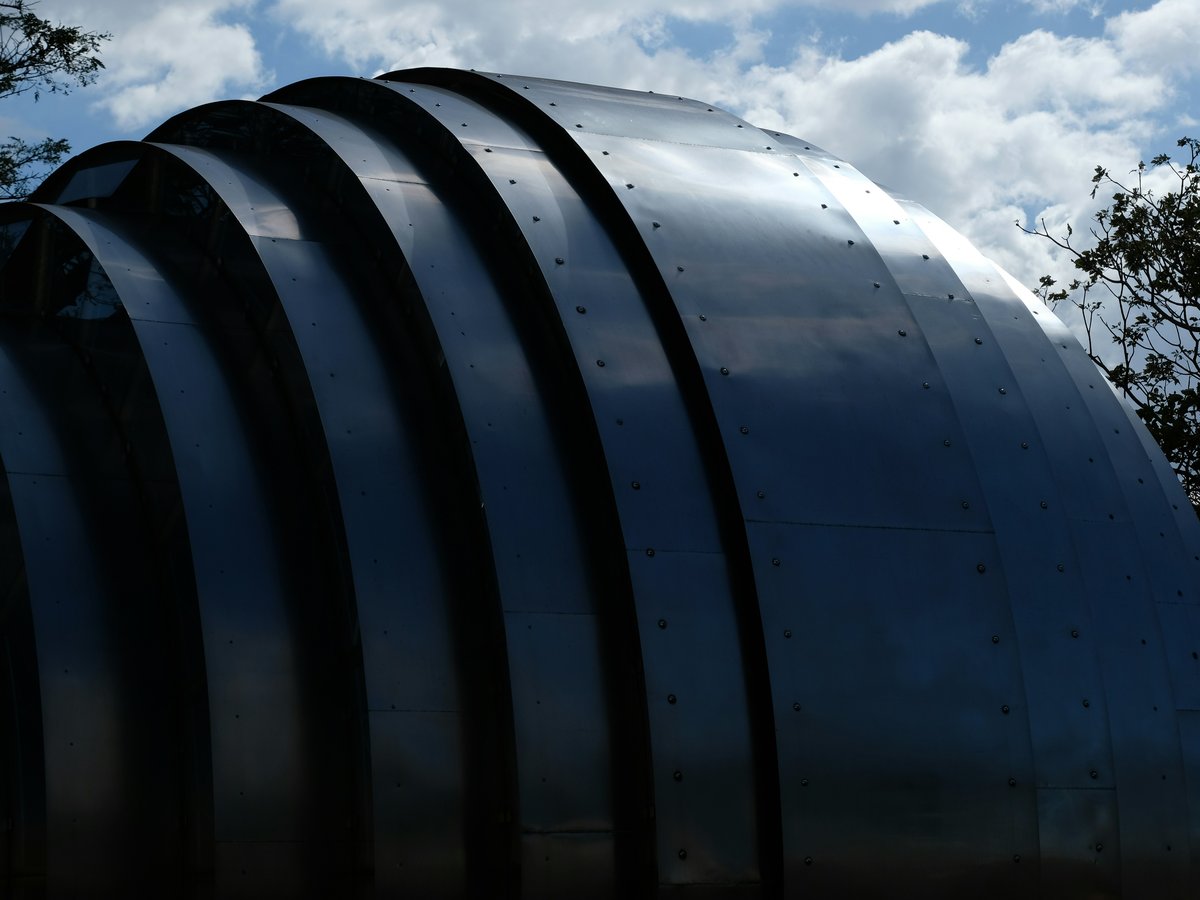
San José concentrates its public life in parks and plazas that anyone can walk into. This list ranks nine of them by editorial interest, not by fame: the largest urban area of San José, the downtown squares most tourists cross without stopping, and a few working parks that sit outside the city core. Two are worth flagging up front: Lankester Botanical Garden sits at 9.8389°N, 83.8903°W, and Juan Santamaría Park is set in Alajuela, Costa Rica at 10.0149°N, 84.2135°W: both are day trips, not morning walks. The rest cluster inside the capital: Morazán Park, Plaza de la Democracia, Plaza de la Cultura, Justice Plaza, National Park and Parque de Curridabat: all public plazas or parks in Costa Rica. All of them are the public sort: no gate, no ticket, no reservation. That is the whole premise of the list.
See the picks → -
Best museums
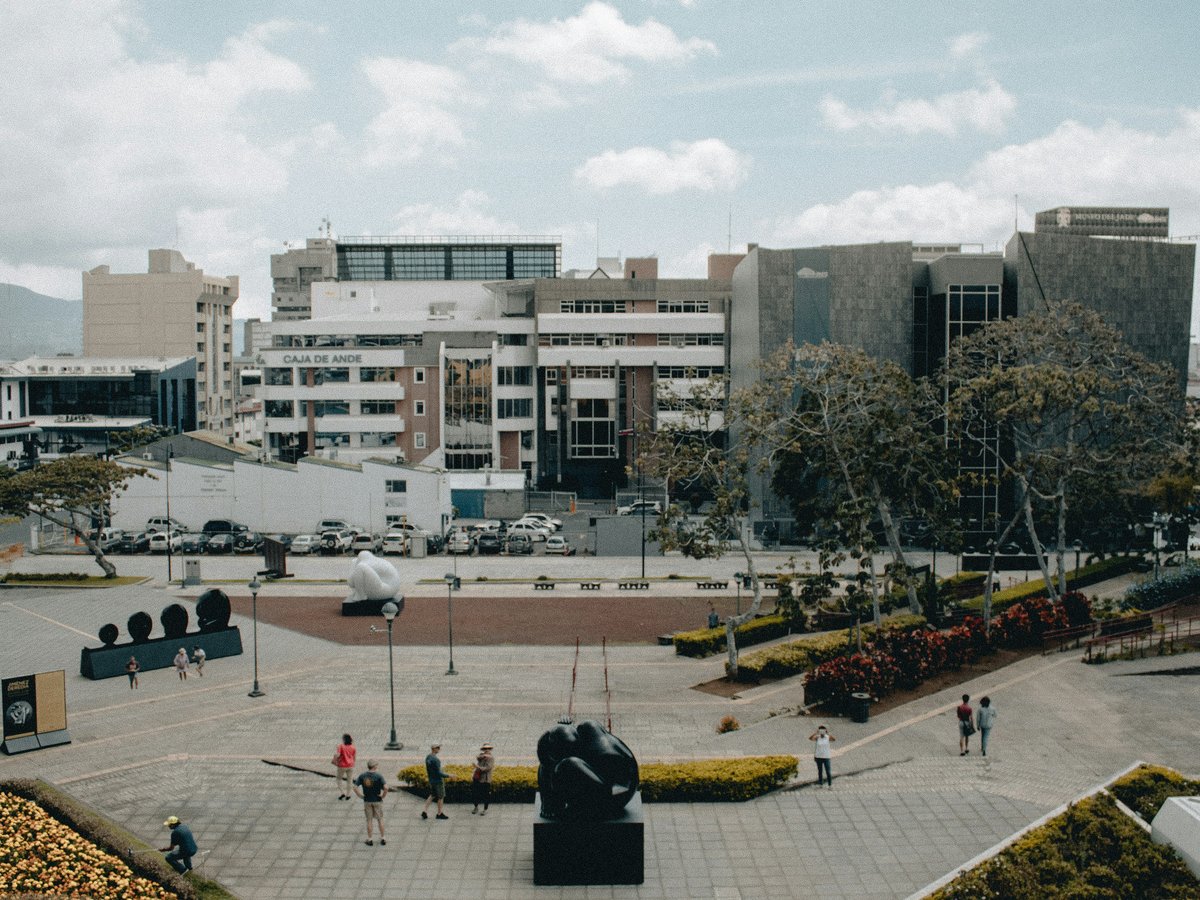
San José's museum map is not one collection but eleven small arguments about what Costa Rica is, and the walk between them is short. Inside a ten-block radius of the Plaza de la Cultura you have a national museum in a former army barracks at Calle 17, a vault of pre-Columbian goldwork at Avenida Central and Calle 5, and a coin room in the same downtown plaza. Push west past Sabana Park and the register shifts to contemporary painting and a natural-history hall used by schoolchildren. Drive 30 kilometres out to Alajuela and the story turns to a national folk hero. This list is for the visitor who wants to spend two or three days on foot and one day in a rental car, and who would rather read San José through its objects, coins, canvases, gold pectorals, and civic memory, than through its restaurants. The order below is the order I would visit them in.
See the picks → -
Must-see attractions
San José's must-see roster is not a skyline; it is a ledger of stone, tile, and stagecraft written across the Central Valley. The capital's own core holds the set pieces, a theatre and a cathedral pinned within a few blocks of each other in the 10104 postal zone, and the list widens outward the way locals move on a weekend, out to Heredia's colonial fort, up to Alajuela's twin churches, down to the Cartago basilica that anchors the country's pilgrimage calendar. Skip the tour-bus loop that treats these as identical photo stops; the buildings argue with each other, in scale and in intent, and the argument is worth an afternoon. This is a list for a visitor who wants the built record of Costa Rica in one clear pass, cross-referenced to Wikidata so every address you follow lands on the door it promises. Twelve entries, each one mapped, each one worth the walk or the short bus ride, and each one delivering something you cannot photograph from the sidewalk.
See the picks →
food
-
Best cafes
San José's cafe scene is not a single style but a running argument between three temperaments. The first is the downtown coffee-shop counter, tight against the Avenida Central grid, where a flat white is a working transaction and the door swings from 09:00 or 10:00 through the office day. The second is the neighborhood room a few blocks off that grid, in Catedral or up Calle 3A, where the menu widens into sandwiches, regional plates, and the kind of ice cream a family walks to on a Sunday. The third is the Rohrmoser and Mata Redonda strip on the west side, where a mall-adjacent Juan Valdez or Starbucks lets an office lunch happen at glass-and-boulevard scale. This list rotates through all three, in rank order, for a visitor who wants to know where a real caffeine day in San José goes: a morning in the Central grid, an afternoon in Catedral, a late-night gelato out on Vía 104. Every address, hour, and phone number below is pinned to a public map record; skip anything unpinned as guesswork.
See the picks → -
Best restaurants
San José is not a fine-dining capital and doesn't pretend to be. What the city has is a working downtown that eats: a Venezuelan breakfast counter that opens at 07:00, Chinese kitchens on Paseo de los Estudiantes that hold their doors until 23:00, an all-day pizza oven near 2 calle, and a 24/7 kitchen on Avenida 7 Presidente Roosevelt that keeps service open for the taxi drivers and the office workers on the same line. The twelve places below are drawn from verified restaurant listings, with addresses, hours, and phone numbers cross-checked so a door opens when the sign says it will. Skip the hotel-lobby buffets and the airport-road chains; the cooking that tells you where you are lives in these rooms: Venezuelan at breakfast on Avenida 8, Chinese well past dark in Catedral, a pizza counter lit at 09:00 on 2 calle, and a Merced kitchen that catches the pre-work rush at 10101. This is a list to plan a week of lunches around, not a food-tour highlight reel.
See the picks →
Browse by traveler type
Book experiences in San José
 Free cancellation
 Arenal Volcano Full-Day Combo Tour with Lunch and Dinner
Outdoor experience: 14 hours, free cancellation.
via Viator Free cancellation
 Arenal Volcano Experience Full-Day Tour from San Jose
Day trip: 14 hours, free cancellation.
via Viator Free cancellation
 Manuel Antonio National Park Sightseeing and Wildlife Day Tour from San Jose
Day trip: 12 hours, free cancellation.
via Viator Free cancellation
 Full Day Poas Volcano, La Paz Waterfall Gardens and Coffee Plantation Experience
Outdoor experience: 10 hours, free cancellation.
via Viator Free cancellation
 Tortuga Island Full Day Tour from San José with Lunch
Day trip: free cancellation.
via Viator Free cancellation
 Zip Line, Rappel, Hiking La Carpintera Tour in San Jose
Outdoor experience: 3 hours, free cancellation.
via Viator Free cancellation
 Zipline Tour in La Fortuna with Arenal Volcano Views
Outdoor experience: 1.5 hours, free cancellation.
via Viator Free cancellation
 Poás Volcano, Café Doka and Peace Falls Day Tour
Day trip: 10 hours, free cancellation.
via Viator Free cancellation
 White Water Rafting Pacuare River From San José
Day trip: 10 hours, free cancellation.
via Viator Free cancellation
 Arenal Volcano and Thermal Hot Springs from San Jose
Outdoor experience: 13 hours, free cancellation.
via Viator
Pacuare River
Outdoor experience.
via Viator Free cancellation
 Sarapiquí River Family Rafting Adventure Class II & III
Outdoor experience: 3 hours, free cancellation.
via ViatorBrowse by interest
Find a flight to San José
Live fares to San José appear here once cookies are accepted.
Last verified by automated review (v1.7.2) on . What is automated review?