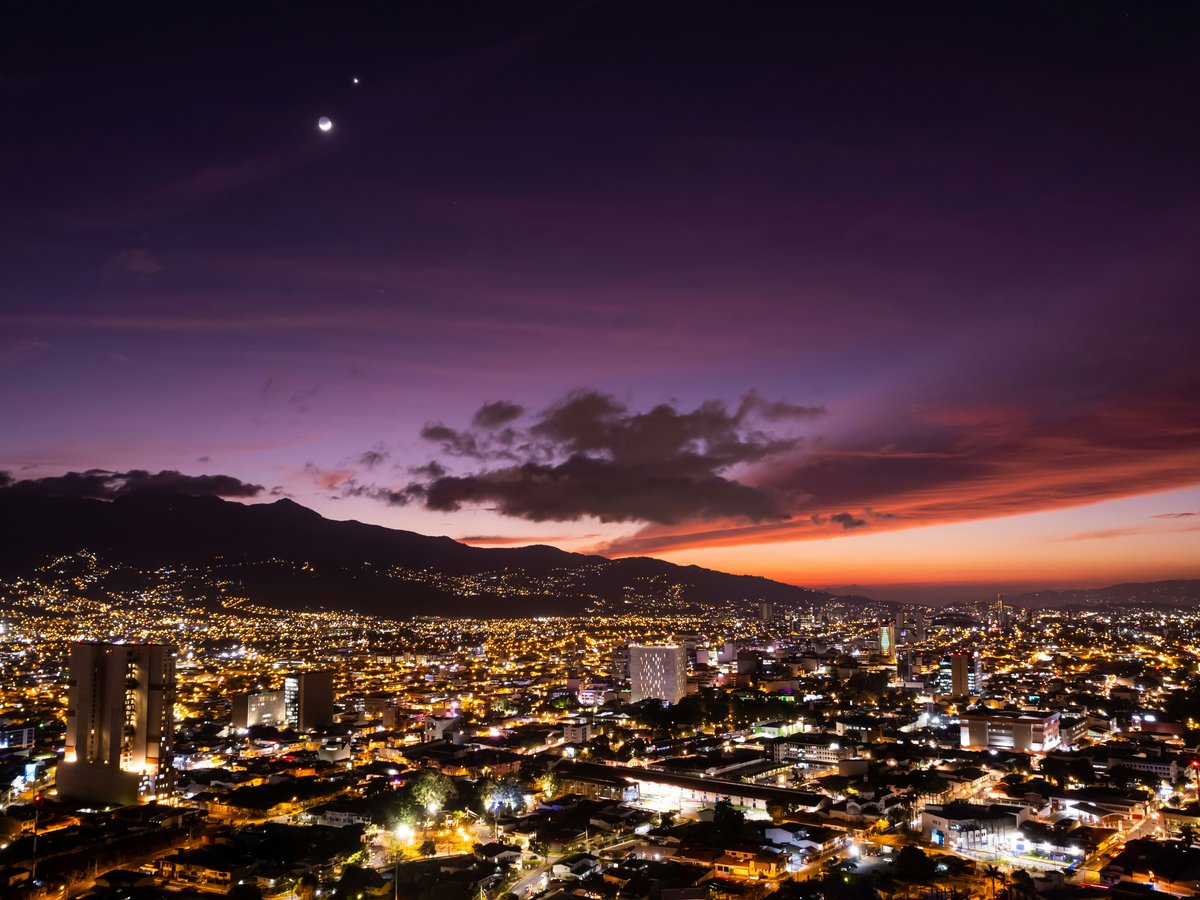
San José for families
National Theatre of Costa Rica is the country's premier stage and its most photographed civic interior. Costa Rican Center of Science and Culture is a former penitentiary reworked into the country's flagship children's museum.
San José for families with kids, in numbers
- Score for families
- 7.2 out of 10
- Picks on this page
- 32 places across 3 lists, led by National Theatre of Costa Rica, Costa Rican Center of Science and Culture, Metropolitan Cathedral of San José
Questions families with kids ask about San José
-
Family-friendly
San José scores 7.2/10 for family friendliness (see the TTDI Family-Friendliness Index). The Central Valley's 20-25°C daytime temperatures mean no heat meltdowns, and the Museo de los Niños alone fills 3-4 hours for ages 3-12. Sidewalks are terrible for strollers. Bring a carrier. Costa Rican food is the mildest in Central America, and fruit stands appear every two blocks.
Read the full answer → -
Is it safe?
San José scores 5.2 out of 10 for solo-traveler safety (see the TTDI Solo-Safety Index). Petty theft, not violence, is the main risk, concentrated near the Coca-Cola bus terminal and south of Avenida 2. Base yourself in Barrio Escalante or Los Yoses after dark. Use Uber or official red taxis at night. Call 911 for emergencies.
Read the full answer → -
What to pack
Pack layers, not beach gear. San José sits at 1,150 meters: nights drop to 15°C, and afternoon rain hits most days from May through November. Bring a packable rain jacket, closed-toe walking shoes for the broken sidewalks, and one warm layer for evenings. Leave the voltage adapter: Costa Rica runs on 120V, same as North America.
Read the full answer → -
Getting around
Uber is your primary mode in San José: download it before landing at Juan Santamaría. Official red taxis with meters (ask for 'la maría') are the backup. The city has no metro. Buses exist but routes are confusing for visitors. Walking works along the pedestrian Avenida Central and in Barrio Amón, but sidewalks elsewhere are broken and unpredictable.
Read the full answer → -
Best time to visit
Mid-January to mid-March is the window we'd point you toward first. Those weeks bring dry skies, clear mornings over Volcán Irazú, and normal bus and museum hours, all before Holy Week closes much of the city. December runs a close second, worth it for the parades. September and October are the ones to sidestep: afternoon storms are at their worst then, and many flights land into a downpour.
Read the full answer →
Curated for families with kids
-
Must-see attractions
San José's must-see roster is not a skyline; it is a ledger of stone, tile, and stagecraft written across the Central Valley. The capital's own core holds the set pieces, a theatre and a cathedral pinned within a few blocks of each other in the 10104 postal zone, and the list widens outward the way locals move on a weekend, out to Heredia's colonial fort, up to Alajuela's twin churches, down to the Cartago basilica that anchors the country's pilgrimage calendar. Skip the tour-bus loop that treats these as identical photo stops; the buildings argue with each other, in scale and in intent, and the argument is worth an afternoon. This is a list for a visitor who wants the built record of Costa Rica in one clear pass, cross-referenced to Wikidata so every address you follow lands on the door it promises. Twelve entries, each one mapped, each one worth the walk or the short bus ride, and each one delivering something you cannot photograph from the sidewalk.
See the picks → -
Best free attractions
San José concentrates its public life in parks and plazas that anyone can walk into. This list ranks nine of them by editorial interest, not by fame: the largest urban area of San José, the downtown squares most tourists cross without stopping, and a few working parks that sit outside the city core. Two are worth flagging up front: Lankester Botanical Garden sits at 9.8389°N, 83.8903°W, and Juan Santamaría Park is set in Alajuela, Costa Rica at 10.0149°N, 84.2135°W: both are day trips, not morning walks. The rest cluster inside the capital: Morazán Park, Plaza de la Democracia, Plaza de la Cultura, Justice Plaza, National Park and Parque de Curridabat: all public plazas or parks in Costa Rica. All of them are the public sort: no gate, no ticket, no reservation. That is the whole premise of the list.
See the picks → -
Best museums
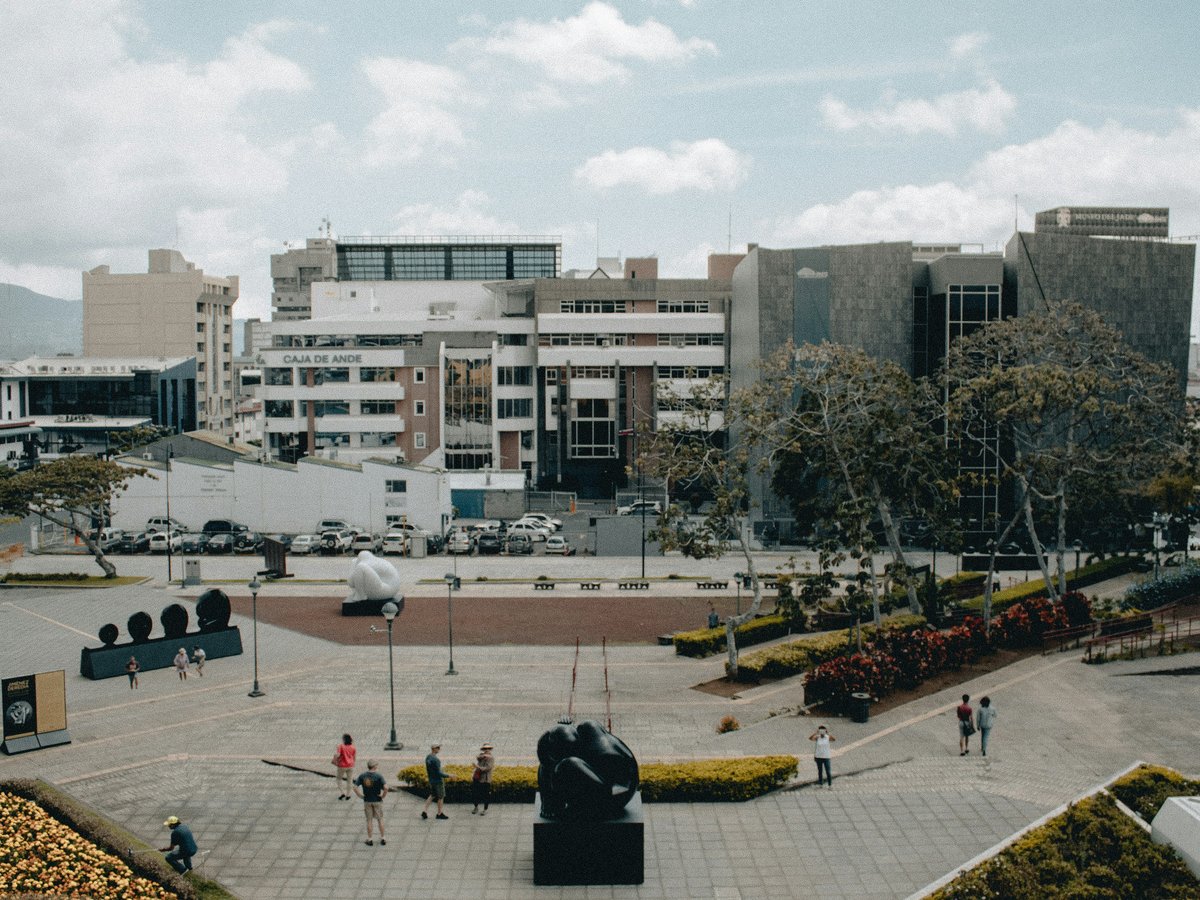
San José's museum map is not one collection but eleven small arguments about what Costa Rica is, and the walk between them is short. Inside a ten-block radius of the Plaza de la Cultura you have a national museum in a former army barracks at Calle 17, a vault of pre-Columbian goldwork at Avenida Central and Calle 5, and a coin room in the same downtown plaza. Push west past Sabana Park and the register shifts to contemporary painting and a natural-history hall used by schoolchildren. Drive 30 kilometres out to Alajuela and the story turns to a national folk hero. This list is for the visitor who wants to spend two or three days on foot and one day in a rental car, and who would rather read San José through its objects, coins, canvases, gold pectorals, and civic memory, than through its restaurants. The order below is the order I would visit them in.
See the picks →