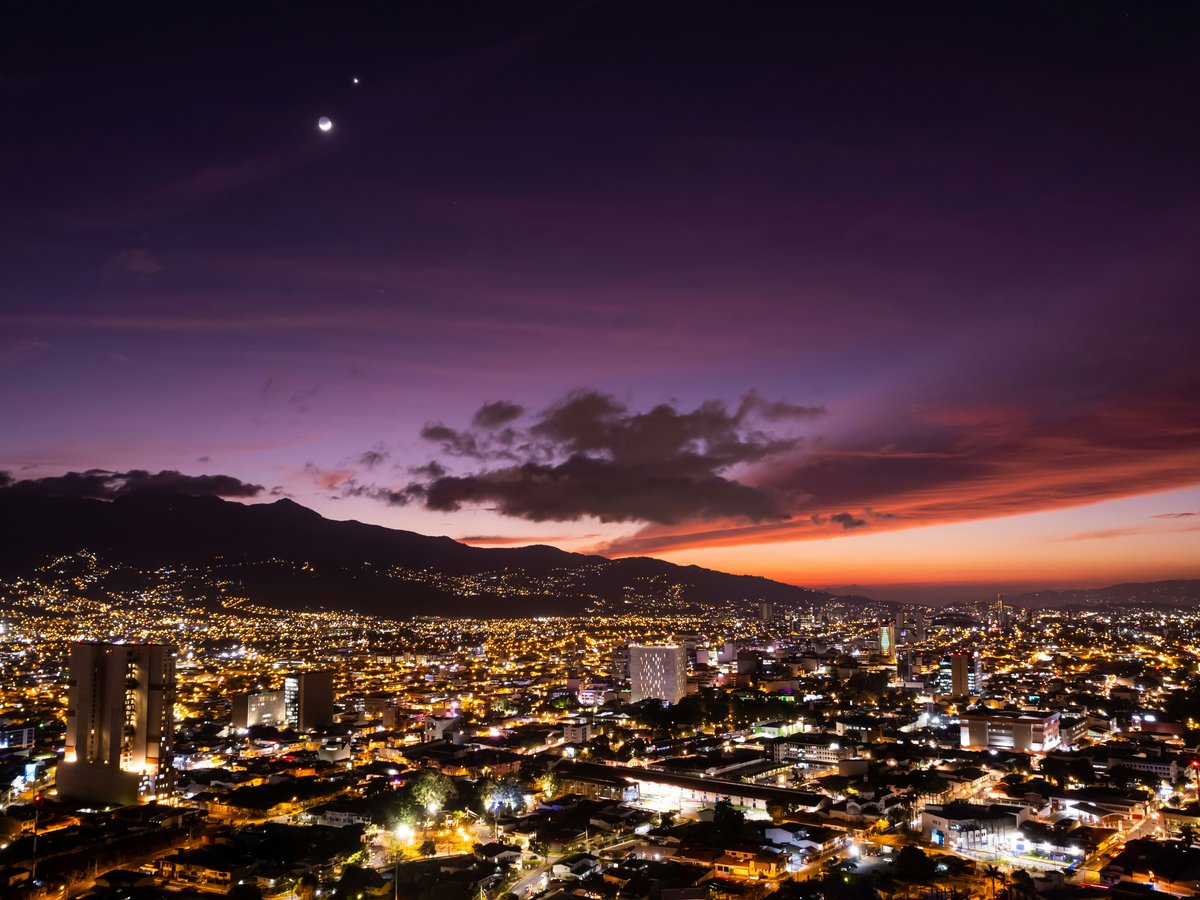
San José's museum map is not one collection but eleven small arguments about what Costa Rica is, and the walk between them is short. Inside a ten-block radius of the Plaza de la Cultura you have a national museum in a former army barracks at Calle 17, a vault of pre-Columbian goldwork at Avenida Central and Calle 5, and a coin room in the same downtown plaza. Push west past Sabana Park and the register shifts to contemporary painting and a natural-history hall used by schoolchildren. Drive 30 kilometres out to Alajuela and the story turns to a national folk hero. This list is for the visitor who wants to spend two or three days on foot and one day in a rental car, and who would rather read San José through its objects, coins, canvases, gold pectorals, and civic memory, than through its restaurants. The order below is the order I would visit them in.
-
1 National Museum of Costa Rica
Calle 17, tra la Avenida Central e la Avenida SegundaThe country's founding story told inside the pockmarked walls of the old Bellavista barracks
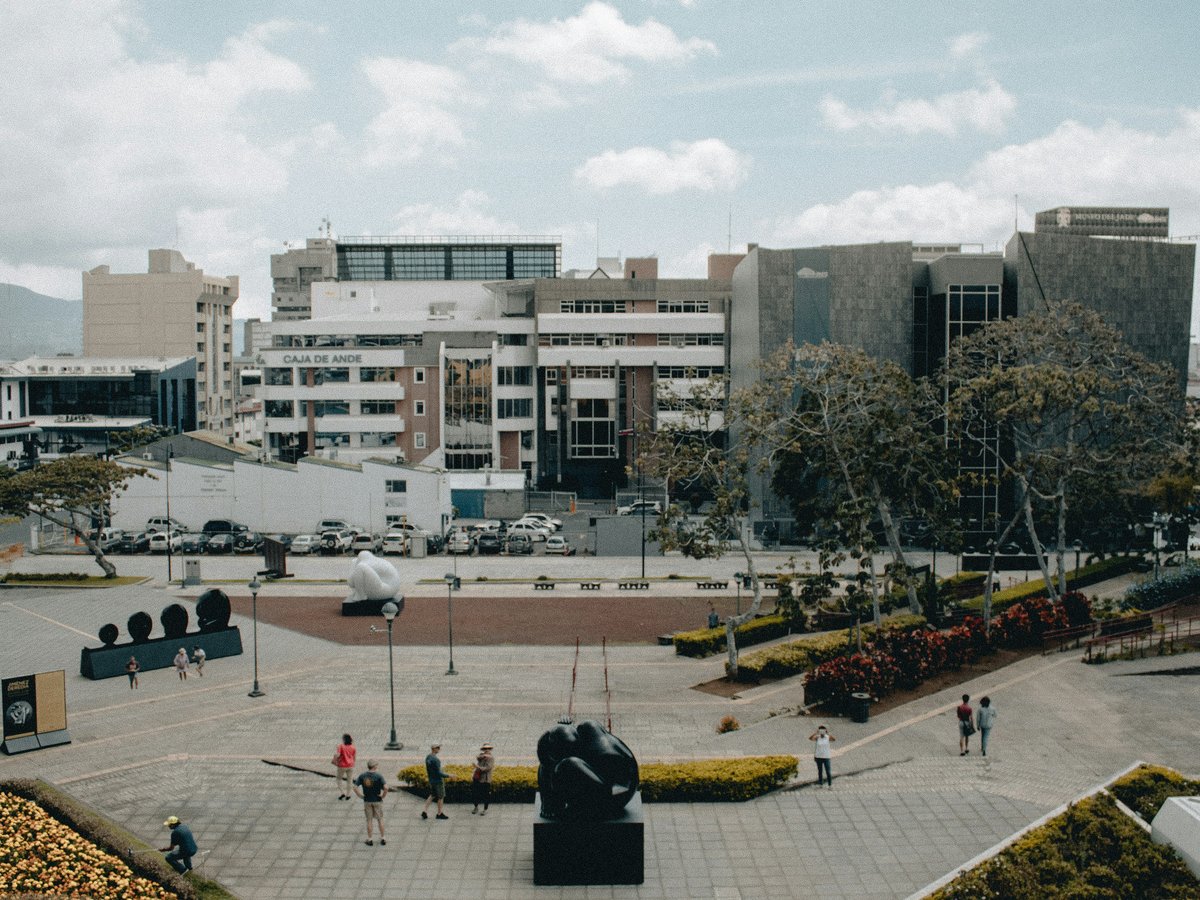
At Calle 17, between Avenida Central and Avenida Segunda, the National Museum of Costa Rica occupies the yellow fortress you can see from the Plaza de la Democracia. Skip the souvenir-stall version of Costa Rican history sold on the pavement outside; the collection inside is the national one, and the building itself carries the argument. Coordinates place it at 9.9328, -84.0717, which in walking terms means it is the eastern anchor of the museum quarter and the most sensible first stop of any trip. The official site, museocostarica.go.cr, lists current hours and rotating exhibits; check before you go, because temporary shows shape half the visit. Give it two hours, longer if the butterfly garden is open.
Dates from 1887
Hours: Tu-Sa 08:30-16:30; Su 09:00-16:30
-
2 Museum of Italian Contemporary Art in America
Presso la Cancelleria dell'Ambasciata d'ItaliaA diplomatic-quarter room of postwar Italian painting most visitors never think to look for
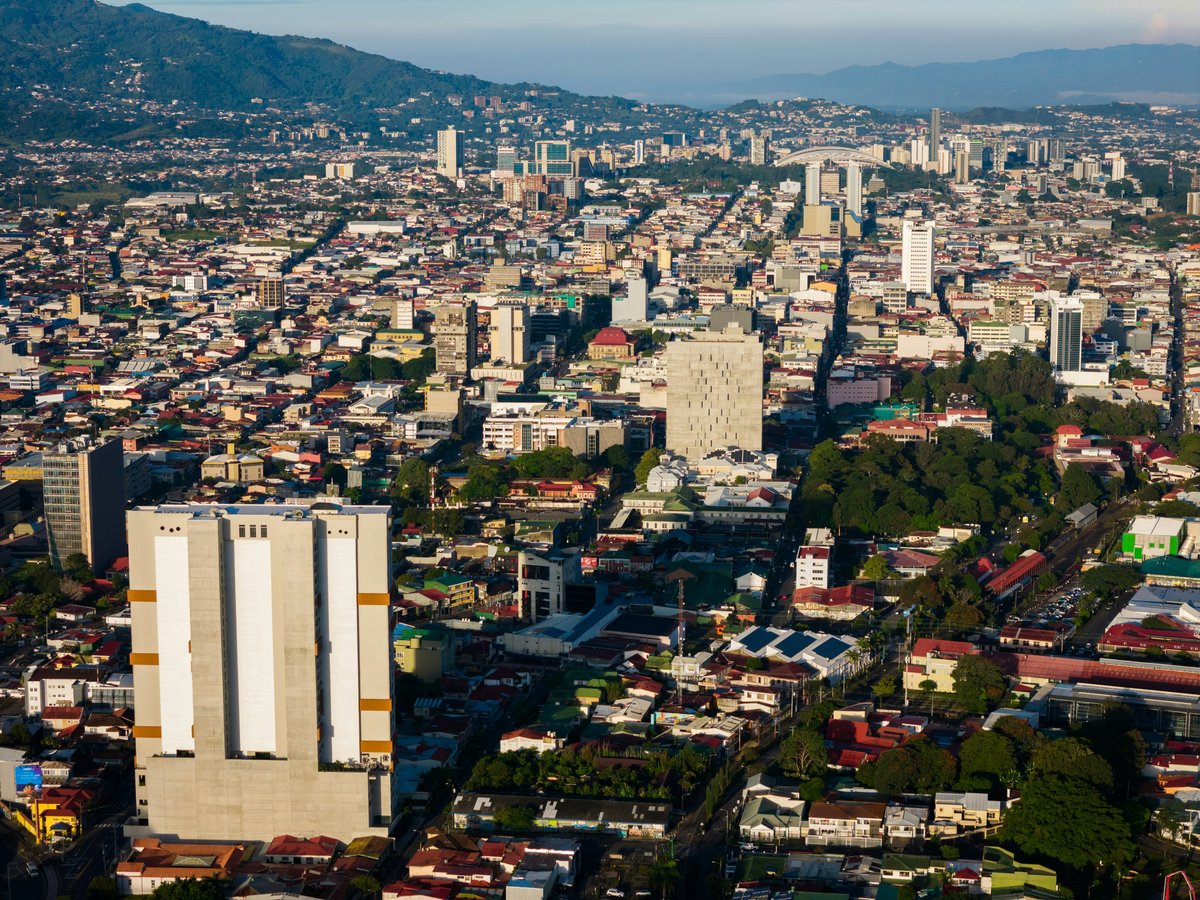
The Museum of Italian Contemporary Art in America is not a building you stumble across; it lives inside the chancery of the Italian embassy, and that is precisely the point. Don't bother with the more obvious tourist stops if what you want is a quiet hour with 20th-century Italian canvases in a room almost no one else has found. Coordinates 9.9321, -84.0594 put it east of the downtown core, a short taxi from the National Museum rather than a walk. The collection is catalogued at museomacia.org, where opening arrangements are listed, because access is by the embassy's rhythm, not a museum's. Come for the paintings; stay because the room is silent in a way the rest of downtown is not.
Dates from 2004
-
3 Pre-Columbian Gold Museum
Avenida Central, Calle 5, San JoséThree underground floors of worked gold from the peoples who lived here before the Spanish arrived
Under the Plaza de la Cultura at Avenida Central and Calle 5, the Pre-Columbian Gold Museum is the archaeological anchor of the downtown and the single collection I would not let a visitor skip. The locals head here on rainy afternoons because the whole thing is subterranean and cool, and because the goldwork (pectorals, frogs, shamans in flight) is the closest thing the city has to a national treasure vault. Coordinates 9.9335, -84.0768 put it two blocks west of the Teatro Nacional, which means you can pair it with a coffee at the theatre café without moving the car. Give it 90 minutes at least; the labels reward slow reading, and the pre-Columbian context is the frame for almost everything else on this list.
Dates from 1985
-
4 Museum of Contemporary Art and Design
The room San José shows its own living artists in, inside the old National Liquor Factory
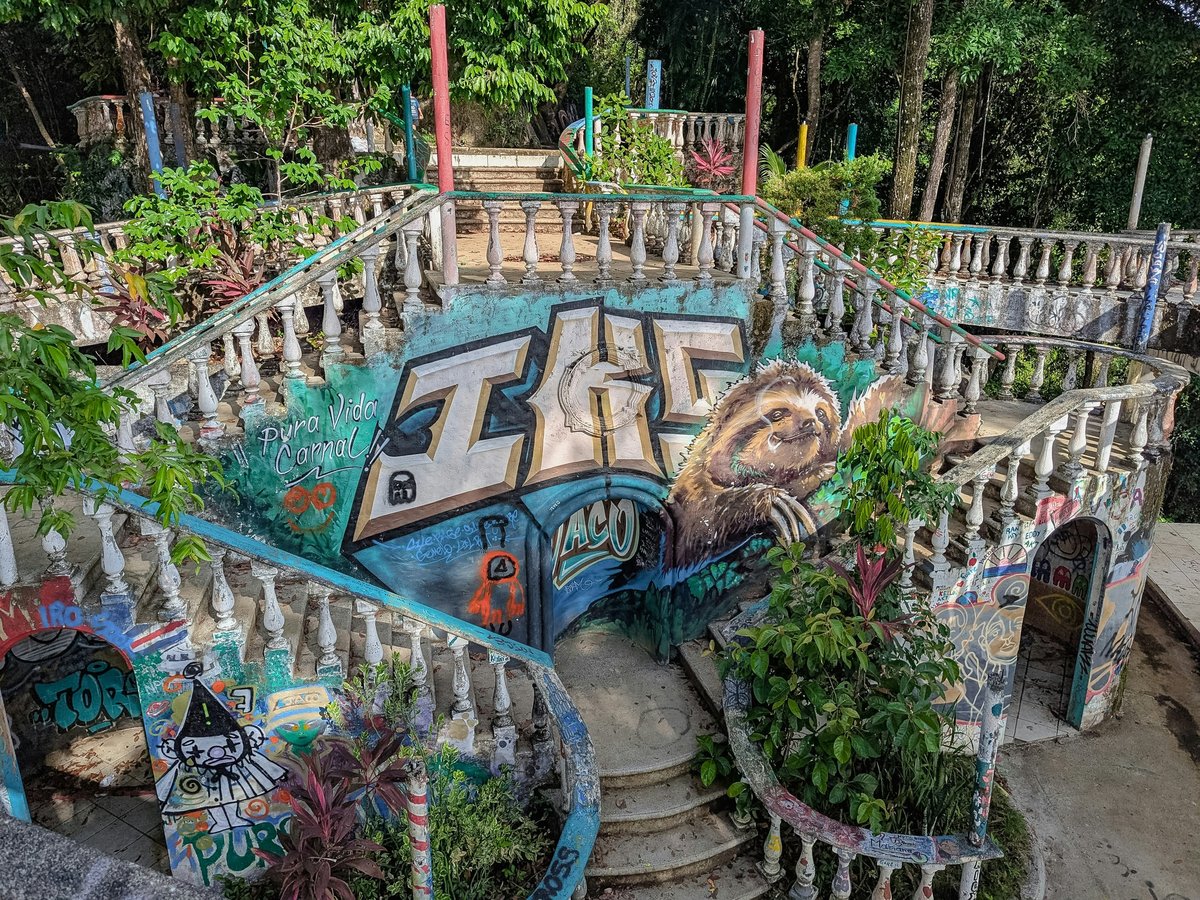
Housed at 9.9355, -84.0720 inside the CENAC complex, the Museum of Contemporary Art and Design is the room San José reserves for its own living painters, sculptors, and designers. Skip the reflex assumption that Central American contemporary art is a lesser cousin of the North American scene; the shows here argue otherwise, and the argument is worth the ticket. The catalogue and current programme sit at madc.cr, which is worth checking the morning of your visit because the exhibition cycle turns fast. The building itself, an adapted industrial shell, does much of the curatorial work: high ceilings, hard light, and enough wall to let a large canvas breathe. Pair it with the Costa Rican Museum of Art the same day if you want a single frame for the country's visual century.
Dates from 1994
Hours: Mo-Sa 09:30-17:00
-
5 Numismatics Museum Jaime Solera Bennett
Calle 5, Avenida Central, Plaza de la CulturaThe coin history of a small republic, told in the same complex as the gold
One floor of the Plaza de la Cultura complex at Calle 5 and Avenida Central is given over to the Numismatics Museum Jaime Solera Bennett, a coinage museum that most visitors miss because they came for the gold upstairs. Don't skip it; a country's coins are its shortest constitutional history, and Costa Rica's are unusually legible. Coordinates 9.9335, -84.0766 put it in the same footprint as the Gold Museum, which means the two are one ticket-buying decision and one elevator ride apart. Give it 30 to 45 minutes, no more; the room is small, the cases are dense, and the payoff is a quieter kind of national portrait: the one the state paid printers and mints to make of itself.
Dates from 1990
-
6 Museo de Ciencias Naturales La Salle
Avenida 12, San JoséThe country's old-school natural-history collection, still the schoolchildren's first museum
West of downtown at 9.9325, -84.1108, on the Sabana Park side of the city, the Museo de Ciencias Naturales La Salle is the natural-history hall Costa Rican schoolchildren grow up with. The locals bring their kids here on Saturday mornings, and if you want to understand what a Central American natural-history museum still looks like (before the interactive-screen era rewrote the format) this is the one. Programme and access details live at museolasalle.ed.cr; check before you go, because the school calendar governs opening hours in a way it does not at the state museums downtown. Give it an hour; then walk into Sabana Park and let the visit end with a coffee outside instead of a gift shop.
-
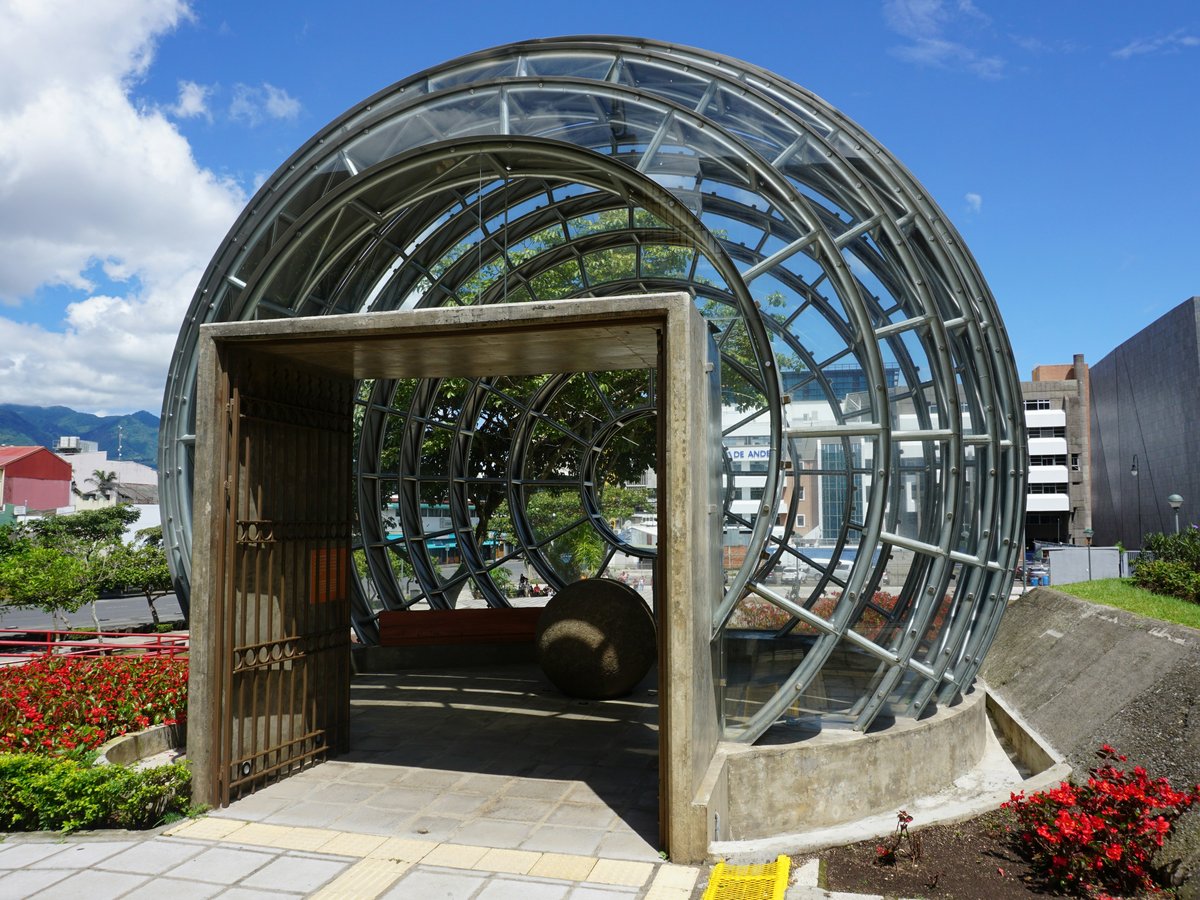
7 Costa Rican Museum of Art
0004 Calle 42 Libertad de Prensa, San José, 10108The country's painting collection, housed in the old airport terminal at the edge of Sabana Park
At 9.9354, -84.0991, on the eastern edge of Sabana Park, the Costa Rican Museum of Art is the country's dedicated art museum and the sensible pair with La Salle if you are already on this side of town. Skip the reflex to see it as a smaller Museum of Contemporary Art and Design; the collection here is the historical one, the paintings and sculpture that show how Costa Rican artists framed the coffee republic through the 20th century. The building was the original terminal of San José's first international airport, and the bones of it (the arrivals hall, the murals in the old boardroom) are half the reason to come. Give it 90 minutes and finish the visit with a slow lap of the park.
Hours: Tu-Su 10:00-16:00
-
8 Juan Santamaría Museum
Avenida 1 - Bernardo Soto, AlajuelaThe 1856 campaign against William Walker, told in the town Santamaría was born in
Thirty kilometres northwest of downtown at 10.0170, -84.2143, the Juan Santamaría Museum sits in Alajuela, the town of the drummer boy the country turned into its founding hero. The locals will tell you the airport is named after him, not the other way around, and the museum is the reason you finally learn who he was. Don't write it off as a small provincial affair; it is a serious state museum with a serious archive, and the programming is listed at museojuansantamaria.go.cr. Pair the visit with lunch on the Alajuela plaza and a walk past the cathedral. If you have a rental car for a single day of your trip, this is the day to use it; taxis and buses run, but the drive is the more forgiving option.
Hours: Tu-Su 10:00-17:30
-
9 Museo de los Niños
Calle 4, San JoséA children's museum installed inside a former penitentiary north of the city centre
At 9.9410, -84.0802, on the northern edge of downtown, the Museo de los Niños is the museum San José families spend an entire Saturday inside. The locals bring their kids here for the physics rooms and the earthquake simulator, and adults come for the building itself, a former penitentiary whose cell blocks and central rotunda have been converted, wing by wing, into galleries. Don't dismiss it as a children's museum if you are travelling without children; the adaptive reuse is the interesting story, and the building's own history is on display alongside the science. Give it two hours if you are with kids, an hour if you are not, and walk up from the Parque España rather than driving; the north side of the centre is easier on foot than on wheels.
-
10 Museum of Forms, Space and Sound
Avenida 5, San JoséA single-idea museum built around how objects, rooms and instruments make sound
At 9.9349, -84.0679, a few blocks east of the National Museum, the Museum of Forms, Space and Sound is the smallest and strangest room on this list. Skip it if you are already tired; take it if you are curious about the third sense a museum can offer, which is hearing. The premise: that forms and spaces produce sound, and that a museum can be organised around that fact: is more interesting than the standard fine-art hang, and the visit takes under an hour. It sits at the eastern edge of the museum quarter, close enough to the National Museum that a visitor with a spare 45 minutes can add it to the downtown day without moving the car or reshaping the afternoon.
Dates from 2002
-
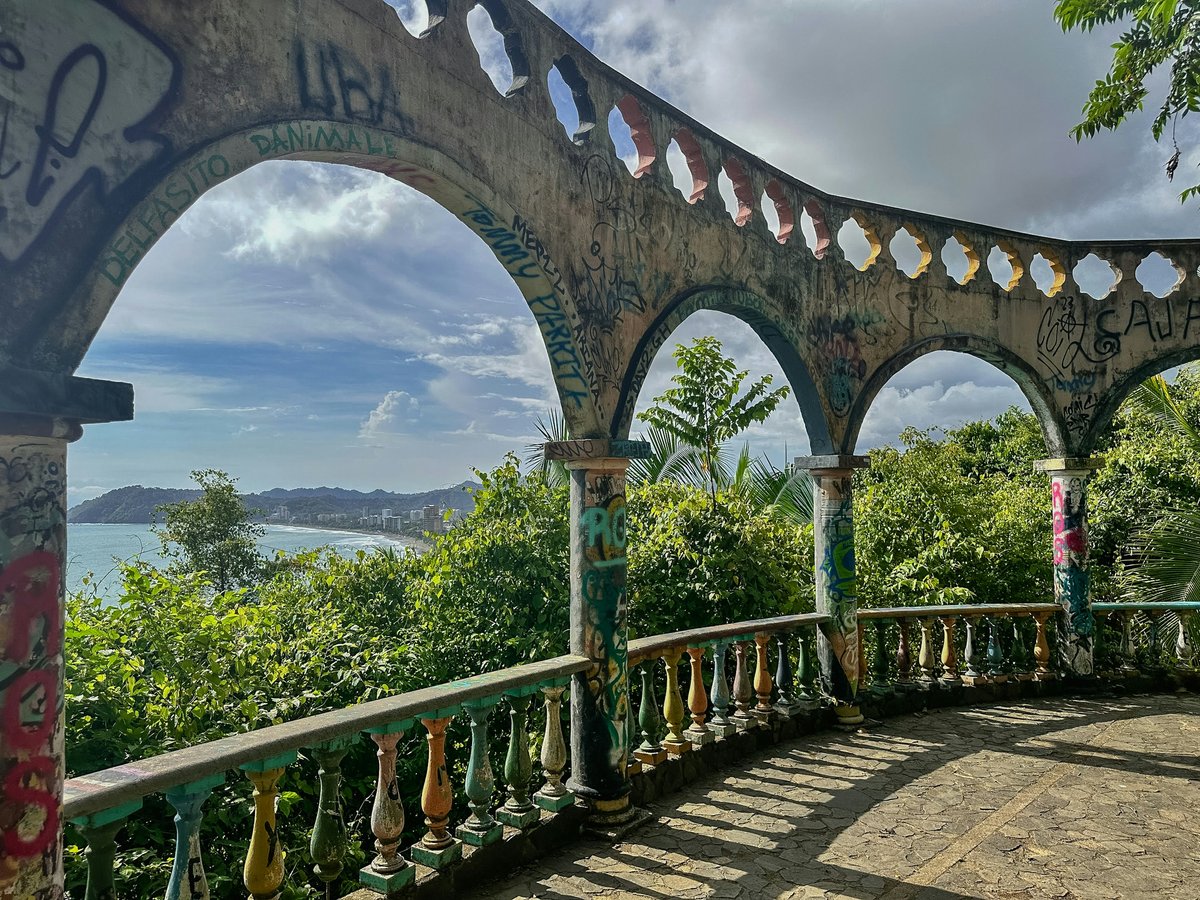
11 Museo de Cultura Popular
A restored 19th-century adobe farmhouse north of the city, kept as the coffee republic left it
Fifteen kilometres north of the city centre at 10.0177, -84.1153, the Museo de Cultura Popular is a restored adobe farmhouse on the old road out to Heredia, and the last item on this list because it is the one that requires the most intention to reach. The locals come for the traditional lunches served in the yard and stay for the ox-cart wheels, the cane press, the kitchen kept as the coffee republic left it. Skip it if your trip is downtown-only; take it if you have a rental car and want to close the museum week on a note of household history rather than state history. Pair it with the Juan Santamaría Museum in Alajuela: both are north of San José, and one afternoon can hold them both.
This is an early version of the San José list. We add picks as we test more places.
Last verified by automated review (v1.7.2_accom-wave-696-20260903050346) on . What is automated review?