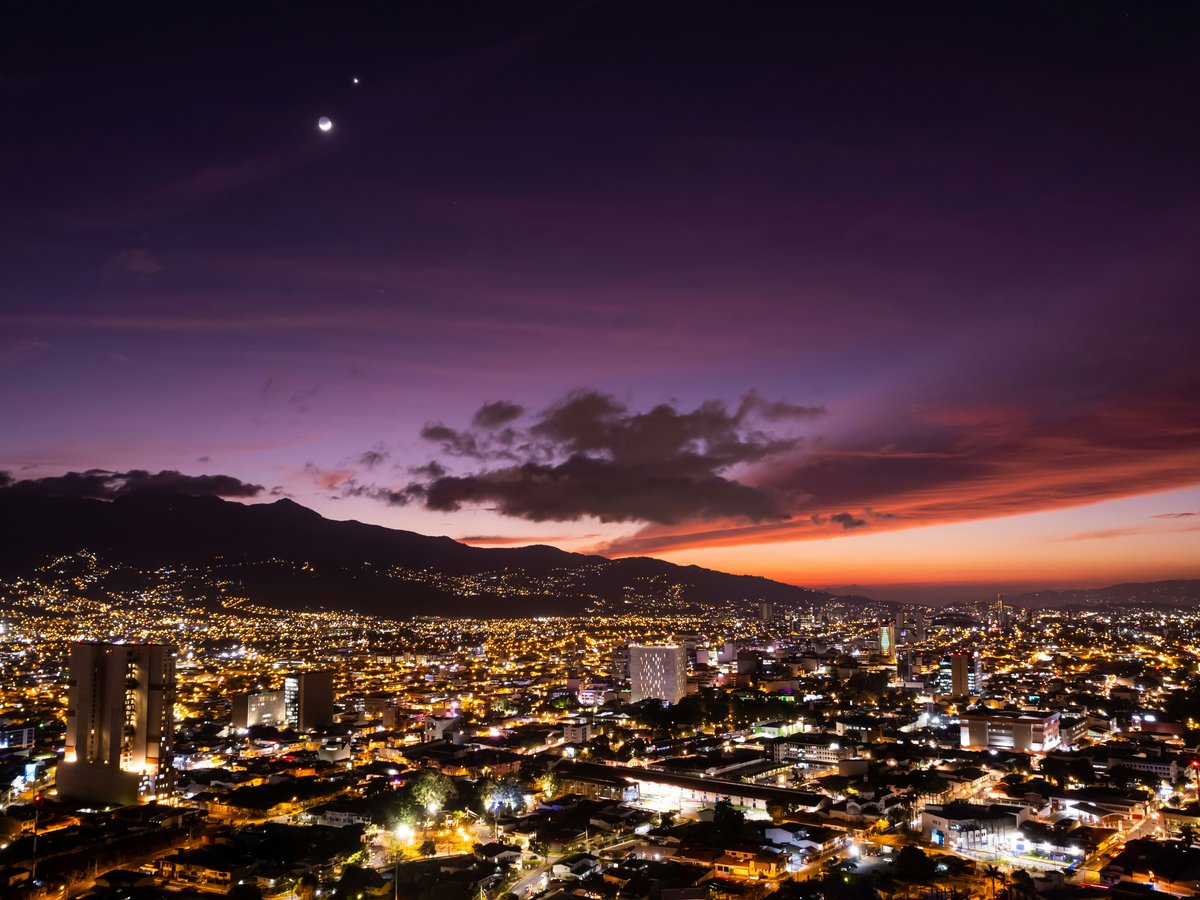
San José for first-time visitors
National Theatre of Costa Rica is the country's premier stage and its most photographed civic interior. Seven of the picks for first-time visitors in San José open by 09:00, so mornings can start early.
San José for first-timers, in numbers
- Picks on this page
- 24 places across 2 lists, led by National Theatre of Costa Rica, Costa Rican Center of Science and Culture, Metropolitan Cathedral of San José
- Posted hours
- 11 picks post hours earliest 00:00, latest 24:00; 7 open by 09:00, 6 past 21:00
Questions first-timers ask about San José
-
Must-see
Teatro Nacional de Costa Rica, on the south side of Plaza de la Cultura. A coffee-baron vanity project from 1897 that happens to be the finest building between Mexico City and Bogotá. Walk in for a self-guided tour (around ₡3,000) and the Italian marble foyer alone resets your expectations of what San José is.
Read the full answer → -
Best time to visit
Mid-January to mid-March is the window we'd point you toward first. Those weeks bring dry skies, clear mornings over Volcán Irazú, and normal bus and museum hours, all before Holy Week closes much of the city. December runs a close second, worth it for the parades. September and October are the ones to sidestep: afternoon storms are at their worst then, and many flights land into a downpour.
Read the full answer → -
Airport to city
From Juan Santamaría Airport (SJO) in Alajuela, take an official orange taxi from the stand outside arrivals: fixed fare around 14,000–18,000 colones ($27–35 USD), 25–40 minutes to downtown San José depending on traffic. Uber and DiDi work and cost less, but need mobile data and operate in a legal gray zone. Skip the public bus with luggage.
Read the full answer → -
How to get there
Juan Santamaría International Airport (SJO), 17 km northwest of downtown in Alajuela, handles nearly all international flights. Direct service runs from Miami (under 3 hours), Houston, Atlanta, and JFK on American, United, Delta, JetBlue, and Spirit. Copa connects through Panama City. Round-trip fares from the US run $350–700 depending on season.
Read the full answer → -
Getting around
Uber is your primary mode in San José: download it before landing at Juan Santamaría. Official red taxis with meters (ask for 'la maría') are the backup. The city has no metro. Buses exist but routes are confusing for visitors. Walking works along the pedestrian Avenida Central and in Barrio Amón, but sidewalks elsewhere are broken and unpredictable.
Read the full answer →
Curated for first-timers
-
Must-see attractions
San José's must-see roster is not a skyline; it is a ledger of stone, tile, and stagecraft written across the Central Valley. The capital's own core holds the set pieces, a theatre and a cathedral pinned within a few blocks of each other in the 10104 postal zone, and the list widens outward the way locals move on a weekend, out to Heredia's colonial fort, up to Alajuela's twin churches, down to the Cartago basilica that anchors the country's pilgrimage calendar. Skip the tour-bus loop that treats these as identical photo stops; the buildings argue with each other, in scale and in intent, and the argument is worth an afternoon. This is a list for a visitor who wants the built record of Costa Rica in one clear pass, cross-referenced to Wikidata so every address you follow lands on the door it promises. Twelve entries, each one mapped, each one worth the walk or the short bus ride, and each one delivering something you cannot photograph from the sidewalk.
See the picks → -
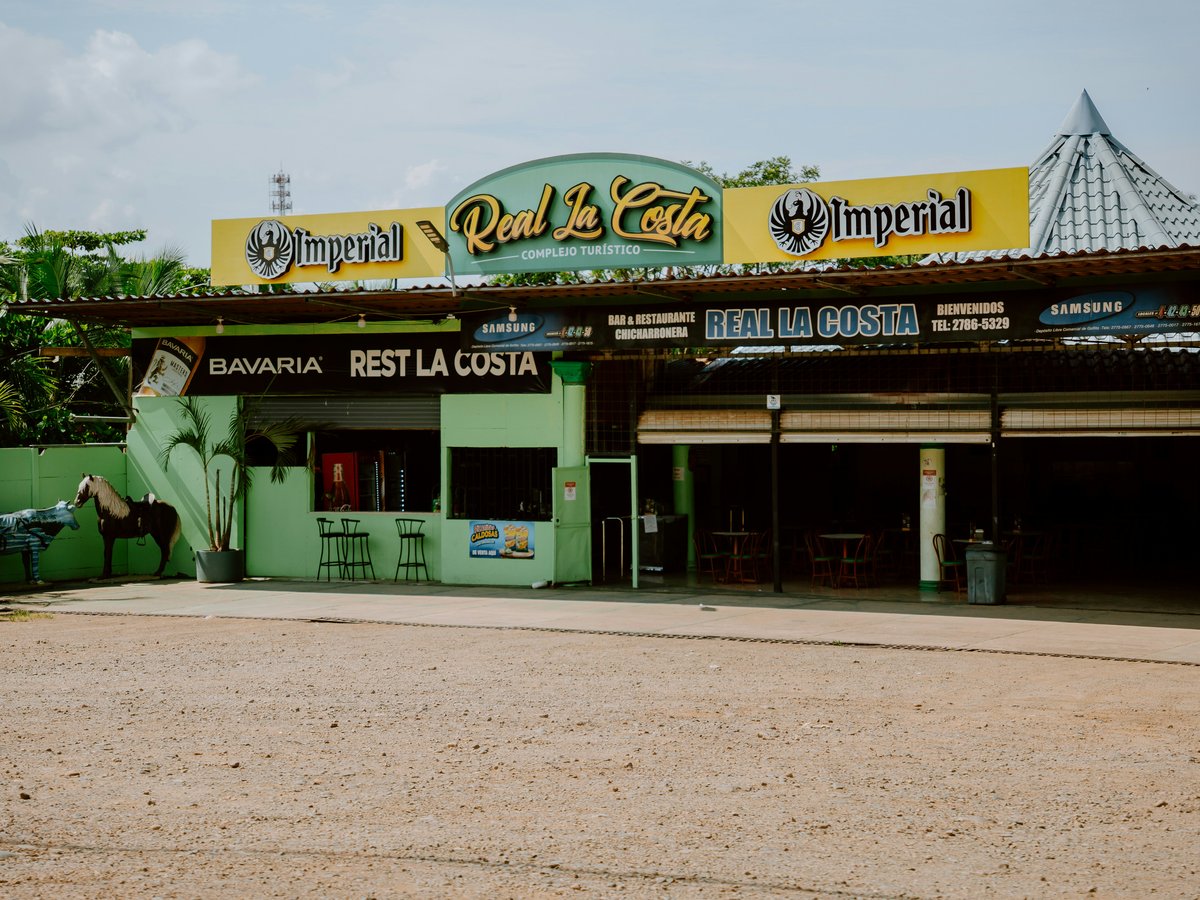
Best restaurants
San José is not a fine-dining capital and doesn't pretend to be. What the city has is a working downtown that eats: a Venezuelan breakfast counter that opens at 07:00, Chinese kitchens on Paseo de los Estudiantes that hold their doors until 23:00, an all-day pizza oven near 2 calle, and a 24/7 kitchen on Avenida 7 Presidente Roosevelt that keeps service open for the taxi drivers and the office workers on the same line. The twelve places below are drawn from verified restaurant listings, with addresses, hours, and phone numbers cross-checked so a door opens when the sign says it will. Skip the hotel-lobby buffets and the airport-road chains; the cooking that tells you where you are lives in these rooms: Venezuelan at breakfast on Avenida 8, Chinese well past dark in Catedral, a pizza counter lit at 09:00 on 2 calle, and a Merced kitchen that catches the pre-work rush at 10101. This is a list to plan a week of lunches around, not a food-tour highlight reel.
See the picks →