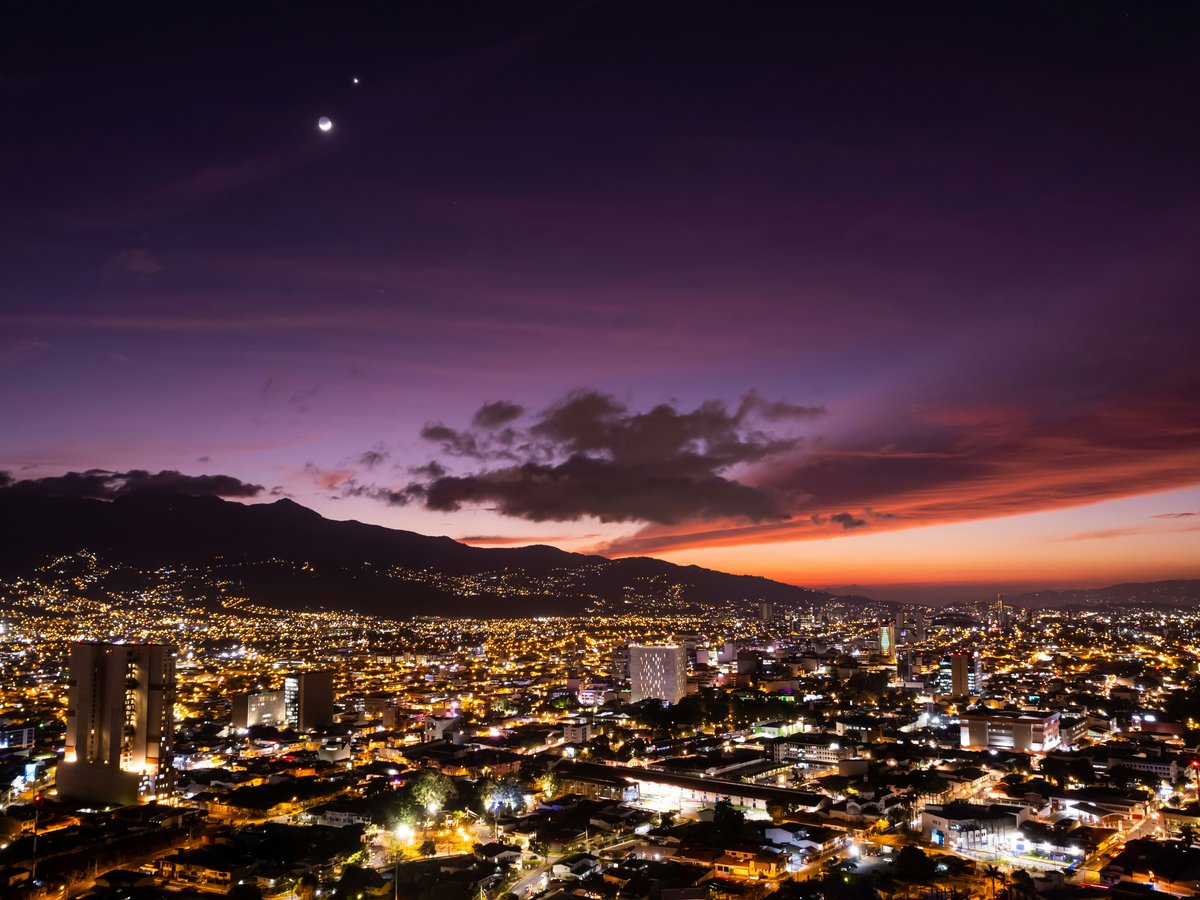
What's the must-see thing in San José?
Teatro Nacional de Costa Rica, on the south side of Plaza de la Cultura. A coffee-baron vanity project from 1897 that happens to be the finest building between Mexico City and Bogotá. Walk in for a self-guided tour (around ₡3,000) and the Italian marble foyer alone resets your expectations of what San José is.
Most travelers treat San José as a layover: land at Juan Santamaría, sleep one night near La Sabana, leave for Arenal or Manuel Antonio by 7am. That's a reasonable plan, but it means missing the one building in Central America that stops you mid-step. Teatro Nacional sits at the south edge of Plaza de la Cultura, its stone facade darkened by decades of diesel exhaust from Avenida Segunda. Inside, the air shifts. Cool terrazzo underfoot, the smell of old wood and furniture polish, and then you look up at the ceiling fresco: an 1897 allegory of coffee and banana harvest painted by Italian artists who never visited Costa Rica. The whole thing was funded by a coffee export tax after a touring opera company skipped San José for lacking a proper venue. Spite built this place. It built it well.
Directly beneath Plaza de la Cultura (same plaza, different altitude) the Museo del Oro Precolombino holds roughly 1,600 pre-Columbian gold pieces in climate-controlled dark rooms three floors underground. The effect is deliberate: you descend into dim corridors and the gold catches low spotlights, warm against black velvet. Tiny frog amulets, warrior pendants, ceremonial breastplates. The collection spans 500 BC to 1500 AD and represents cultures most visitors have never heard of: the Diquís, the Chiriquí, the Coclé. Budget forty-five minutes. Admission is about ₡7,000 for foreigners. The gift shop has decent reproduction jewelry if you're looking for something that isn't a souvenir magnet.
For your third stop (and this is where San José earns the detour over a beach transfer) walk seven blocks northwest to Mercado Central on Avenida Central between Calles 6 and 8. The market has operated since 1880 and smells like it: roasting coffee, raw fish on ice, the sour-sweet edge of tamarind pulp. Find a soda (the local word for a lunch counter) and order a casado. Rice, black beans, fried plantain, salad, and your choice of protein for around ₡3,500. The pace is loud, the seats are plastic stools, and the food is better than anything in the tourist corridor. Mind you, keep your phone in your front pocket here. The market gets crowded and pickpockets know where tourists look lost.
A word on what to skip. The Museo de los Niños looks good on paper (it's housed in the old Penitenciaría Central) but it's designed for Costa Rican school groups, not adult travelers on a short layover. The Estadio Nacional is handsome from the outside and pointless unless you have match tickets. And the Jade Museum, while often paired with the Gold Museum in guidebooks, is less immediate in its impact: jade doesn't catch light the way gold does in those underground rooms. If you have only one afternoon in San José before your shuttle leaves, the sequence is Teatro Nacional first, Gold Museum second, Mercado Central for lunch between or after. All three sit within an eight-block radius of Plaza de la Cultura. The current rainy-season drizzle (it tends to hit around mid-afternoon this time of year) makes the underground museum and the covered market better timed for the 2-4pm window.
The top three
Teatro Nacional de Costa Rica
The 1897 coffee-baron theatre is the single building that justifies a night in San José rather than transferring straight to the coast. Self-guided tour, around ₡3,000, no reservation needed. Forty minutes is enough.
Museo del Oro Precolombino
1,600 gold artifacts from 500 BC to 1500 AD displayed in underground rooms beneath Plaza de la Cultura. Forty-five minutes, ₡7,000 admission. The Diquís frog amulets alone are worth the descent.
Mercado Central
Operating since 1880, seven blocks from Plaza de la Cultura. Order a casado at any soda counter for around ₡3,500: better food than the tourist corridor, and you'll hear the city at full volume around you.
Verified attractions
Sourced from Wikidata and OpenStreetMap: each entry links to its authoritative page.
-
Estadio Nacional de Costa Rica
stadiumstadium in San José, Costa Rica
View on Wikidata -
Estadio Ricardo Saprissa Aymá
stadiumDeportivo Saprissa soccer stadium in Costa Rica
View on Wikidata -
National Museum of Costa Rica
museumnational museum in San José, Costa Rica
View on Wikidata -
Estadio Alejandro Morera Soto
stadiumfootball stadium
View on Wikidata -
Estadio Eladio Rosabal Cordero
stadiumAssociation football stadium
View on Wikidata -
National Theatre of Costa Rica
theatertheatre in San José, Costa Rica
View on Wikidata -
Metropolitan Cathedral of San José
churchcathedral in Costa Rica
View on Wikidata -
Estadio José Rafael Fello Meza Ivankovich
stadiummulti-use stadium in Cartago, Costa Rica
View on Wikidata -
Nuestra Señora de los Ángeles
churchchurch building in Cartago, Costa Rica
View on Wikidata -
Lankester Botanical Garden
gardenbotanical garden in Costa Rica
View on Wikidata -
Melico Salazar Theatre
theatertheatre in San José, Costa Rica
View on Wikidata -
La Sabana Metropolitan Park
parklargest urban area of San José
View on Wikidata -
Parque Zoológico Nacional Simón Bolívar
zoozoo and botanical garden in Costa Rica
View on Wikidata -
Pre-Columbian Gold Museum
museumpre-Columbian archaeological museum in San José, Costa Rica
View on Wikidata -
San José Costa Rica Temple
churchTemple of the Latter Day Saints
View on Wikidata -
Costa Rican Museum of Art
museumart museum in Costa Rica
View on Wikidata -
Avenida Central
promenadecentral avenue of San José, Costa Rica
View on Wikidata -
Costa Rican Center of Science and Culture
theatermuseum in Costa Rica also known as Museo de Los Niños
View on Wikidata -
Estadio Ecológico
stadiumsoccer venue located within University of Costa Rica campus
View on Wikidata -
Estadio Jorge "Cuty" Monge
stadiumCosta Rican sports stadium
View on Wikidata -
Fortín de Heredia
monumentmonument in Heredia, Costa Rica
View on Wikidata -
Morazán Park
parkpark in Costa Rica
View on Wikidata -
Museum of Contemporary Art and Design
museumCosta Rican museum
View on Wikidata -
Omar Mosque and Islamic Center of Costa Rica
place of worshipmosque in San José, Costa Rica
View on Wikidata -
Our Lady of Carmel Cathedral, Cartago
churchchurch in Cartago, Costa Rica
View on Wikidata -
Our Lady of the Pillar Cathedral, Alajuela
churchchurch in Alajuela, Costa Rica
View on Wikidata -
Plaza de la Democracia
plazapublic plaza in Costa Rica
View on Wikidata -
Museo de Ciencias Naturales La Salle
museummuseum in Costa Rica
View on Wikidata -
Museo de Cultura Popular
museumView on Wikidata -
Parque de Diversiones
theme parkAmusement park in San José, Costa Rica
View on Wikidata -
Parque de la Paz
parkpark in San José Province, Costa Rica
View on Wikidata -
Parque España
gardenView on Wikidata -
Parque Okayama
parkpark in Costa Rica
View on Wikidata -
Iglesia de La Merced
churchHistoric church in San Jose, Costa Rica
View on Wikidata -
Juan Santamaría Museum
museumView on Wikidata -
Numismatics Museum Jaime Solera Bennett
museumcoinage museum
View on Wikidata -
Plaza de la Cultura
plazaurban space in San José
View on Wikidata -
Iglesia de la Agonía
churchchurch building in Costa Rica
View on Wikidata -
Justice Plaza
plazasquare surrounded by the justice department buildings of Costa Rica
View on Wikidata -
Museo de los Niños
museumView on Wikidata
Last verified by automated review (v1.7.2) on . What is automated review?