Stay in San José in June
Opens Trip.com on Fri 4 Jun to Sun 6 Jun 2027; change the dates there.
June in San José is wet. There's really no way around it: you're looking at roughly 458mm of rain spread across 29 days of the month, which means it rains almost every single day. That's the headline. But here's the thing most guides won't tell you: mornings in June are often clear and genuinely pleasant, with temperatures hovering around 24°C (76°F) that feel closer to a mild spring day than anything tropical. The rain tends to roll in during the afternoon, usually between 2pm and 5pm, in heavy but short-lived downpours that clear the air and leave everything smelling like wet earth and coffee blossoms. You can feel the moisture sitting on your skin all day: 88% humidity does that.
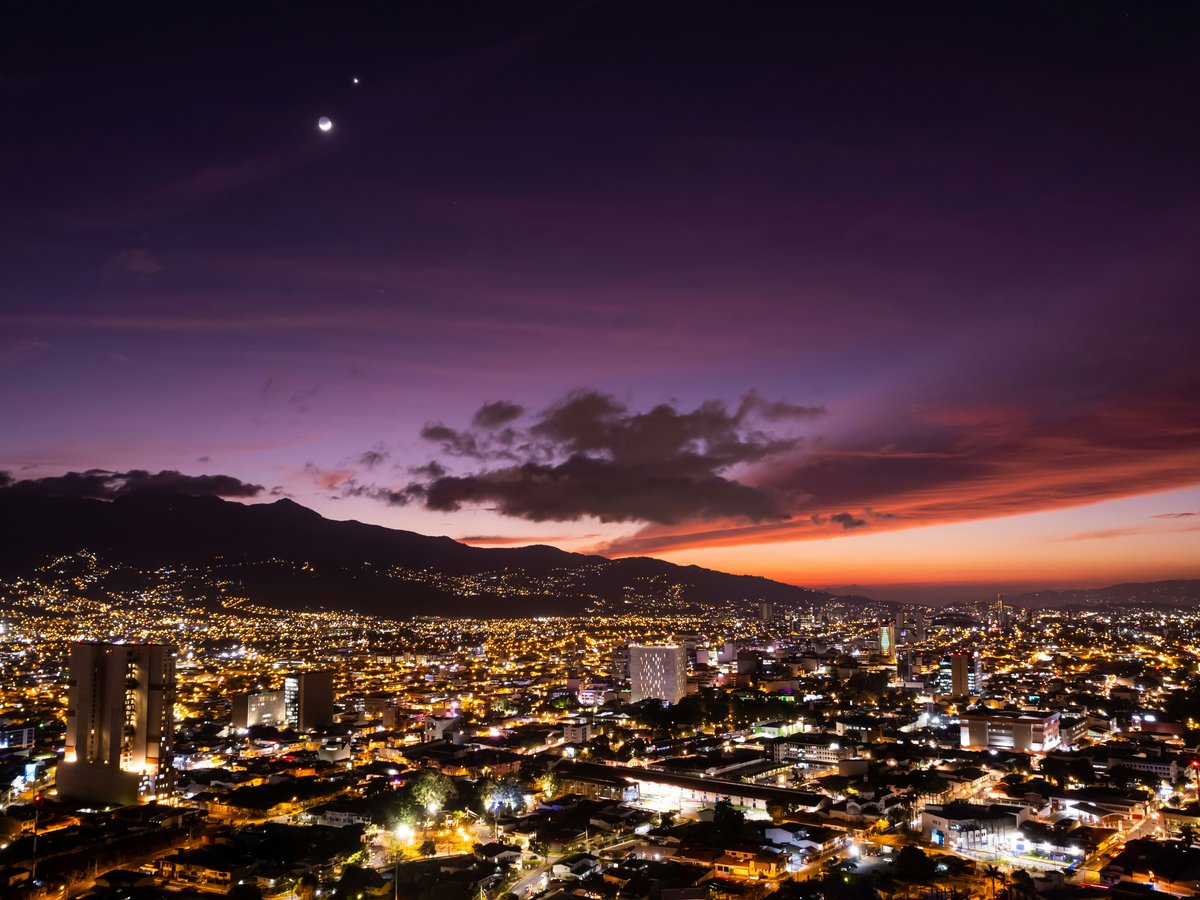
This is deep green season, and San José shows it. The mountains ringing the Central Valley turn an almost absurd shade of green, the kind you'd second-guess in a photograph. Parque La Sabana fills with mist in the early mornings. The city is noticeably quieter without the dry-season tourist crowds, and hotel prices drop accordingly. Barrio Escalante's restaurants have open tables on weekends. The Mercado Central feels more like it belongs to the people who live here.
To be fair, June is nobody's dream month for Costa Rica. If you're planning a beach trip or want to hike Irazú with clear views, you'll likely be disappointed. But if you're the kind of traveler who doesn't mind carrying an umbrella and prefers a city that's not performing for tourists, June has a quiet appeal that the dry-season crowd never sees.
Why visit in June
- Hotel rates drop significantly from dry-season peaks: properties in Escazú and Barrio Amón that command top-tier rates in February tend to go for a fraction of that price in June
- Morning weather is frequently clear and comfortable, with temperatures around 24°C (76°F) that make walking the city genuinely pleasant before the afternoon rain arrives
- The Central Valley is at peak green: the hills around San José look extraordinary, and the air after each afternoon downpour carries the clean, mineral smell of wet volcanic soil
- Tourist crowds thin out considerably, which means shorter waits at Museo del Jade and Museo Nacional, easier restaurant reservations in Barrio Escalante, and a more authentic feel overall
- Tropical fruit season is in full swing: mamón chino and cas appear at every market stall and roadside vendor, often at their cheapest
Worth knowing
- Rain falls on 29 out of 30 days, with 458mm total: afternoon plans need to be flexible or indoors-oriented, and flash flooding occasionally closes roads in low-lying areas around Zapote and Pavas
- 88% humidity makes even 24°C feel sticky and oppressive, especially in the crowded corridors of Mercado Central where ventilation is limited
- Some outdoor tour operators reduce schedules or cancel volcano tours when cloud cover makes the trip pointless: Poás and Irazú crater views are a coin flip at best
- Shorter daylight hours and persistent cloud cover from around 1pm can make the city feel grey and heavy, which wears on some visitors after a few days
Best for
Think twice if
June sits in the thick of the rainy season. Mornings tend to start overcast but dry, sometimes breaking into hazy sunshine by mid-morning. By early afternoon, clouds build over the mountains to the south and east, and by 2pm or 3pm, rain arrives: often heavy, sometimes with thunder that echoes through the valley. The downpours rarely last more than two hours, but they're intense enough to flood gutters and turn some streets into temporary streams. Temperatures stay mild by tropical standards, with highs around 24.3°C (76°F) and lows near 16.6°C (62°F) after dark. That said, the humidity sits at 88% and you feel every point of it. Nights can feel cool, especially if you're staying at higher elevations near Escazú: you might want a light layer after sunset.
Seasonal caution
- Afternoon downpours can produce localized flash flooding in low-lying neighborhoods like Hatillo, Zapote, and areas along the Río Torres: avoid walking through flowing water on roads and watch for debris
- Occasional thunderstorms bring lightning, which is a genuine concern if you're caught in open areas like Parque La Sabana or on exposed hillside viewpoints during afternoon storms
- Roads to highland attractions like Volcán Poás and Volcán Irazú can become slippery and fog-bound: if driving, use headlights and reduce speed on the mountain switchbacks
Year-round climate
Averages from the last 5 years.
| Month | Avg high (°C) | Avg low (°C) | Rainfall (mm) |
|---|---|---|---|
| Jan | 25 | 16 | 30 |
| Feb | 26 | 16 | 17 |
| Mar | 27 | 16 | 52 |
| Apr | 27 | 17 | 145 |
| May | 26 | 17 | 317 |
| Jun | 24 | 17 | 458 |
| Jul | 25 | 17 | 354 |
| Aug | 25 | 16 | 452 |
| Sep | 25 | 16 | 456 |
| Oct | 24 | 16 | 546 |
| Nov | 24 | 16 | 355 |
| Dec | 25 | 16 | 72 |
Best things to do in June
Morning coffee tour in the Central Valley
food_and_drinkSeveral fincas in the hills above Barrio Tournón and toward Heredia offer walking tours through working coffee farms. June's rain keeps the coffee plants lush and flowering: you'll catch the jasmine-like scent of coffee blossoms along the rows. Most tours run in the morning before the rain and include tastings of single-origin lots that rarely leave the country.
Coffee plants are flowering in June, and the green-season schedule means smaller tour groups and more personal attention from the guides.Booking tipBook morning slots only: afternoon tours frequently get rained out or cut short.
Museo del Jade and Museo Nacional double visit
cultureThe Jade Museum's five floors of pre-Columbian jade carvings and gold work pair well with the Museo Nacional across the plaza, housed in the old Bellavista Fortress with its bullet-pocked exterior walls. Both are climate-controlled and manageable in a single morning. The jade collection here is the largest in the Americas, and in June you can stand in front of the pieces without shoulder-to-shoulder crowds.
Low-season foot traffic means you can spend real time with individual exhibits rather than shuffling through packed galleries.Barrio Escalante food crawl
food_and_drinkSan José's gastronomic district packs dozens of restaurants, bakeries, and specialty coffee shops into a few walkable blocks east of the city center. In June, the neighborhood is quieter than usual: chefs are still cooking, but the dining rooms have breathing room. You might wander from a Peruvian-Costa Rican fusion spot to a craft brewery to a French bakery in the space of a few blocks, tasting as you go.
Restaurants that require reservations weeks out during high season often have same-day availability in June, and some run green-season tasting menus.Parque La Sabana morning walk
outdoorSan José's largest urban park fills with joggers, dog walkers, and weekend footballers in the early morning hours. In June, mist sits low across the grass before burning off by 9am, and the surrounding trees are dense with new growth. The Museo de Arte Costarricense sits at the park's eastern edge in the old airport terminal: worth a stop for the Salón Dorado murals alone.
The rainy season transforms the park into the greenest version of itself, and morning fog creates an atmosphere you won't see in the dry months.Mercado Central and Mercado Borbón grazing
food_and_drinkTwo covered markets within walking distance of each other: Mercado Central is the older, more chaotic one with narrow aisles, lunch counters serving casados, and spice vendors. Mercado Borbón skews slightly more modern with better produce stalls. Both are entirely covered, which makes them ideal rainy-afternoon destinations. The sound of rain on the market roofs, the smell of frying plantains, the vendors calling out: it's the city at its most alive.
Rainy-season produce floods the stalls in June: tropical fruits at their cheapest and most varied, and fewer tourists competing for counter seats at the popular sodas.Day trip to Lankester Botanical Garden
natureAbout 30 minutes east of San José near Cartago, this University of Costa Rica garden specializes in orchids and bromeliads. June is peak bloom for many orchid species, and the garden's maintained trails handle the rain well with covered walkways through the most delicate sections. The surrounding cloud forest drips with moisture and the air smells like wet moss and flowers.
June falls in the peak orchid blooming window: hundreds of species flower simultaneously, a display that simply doesn't exist during the dry months.Afternoon in Barrio Amón architecture walk
cultureSan José's oldest residential neighborhood still holds a cluster of Victorian and art deco mansions from the coffee-baron era, many converted into boutique hotels, galleries, and restaurants. The walking is best in the morning or after the afternoon rain passes, when the wet sidewalks reflect the colored facades. You'll find the Alianza Francesa, Casa Verde, and several small galleries tucked into restored houses.
The washed light after June rains and the green overgrowth on older buildings give the neighborhood a particularly atmospheric quality that photographs well.What to eat in June
In season: fruit
Mamón chino
Costa Rica's rambutan season peaks in June: you'll see these spiky red fruits piled at every market stall and roadside stand in the Central Valley. Crack the hairy shell to find translucent, lychee-like flesh that's sweet with a faint floral note. Mercado Borbón vendors sell bags of them for next to nothing.
Cas
This tart Costa Rican guava hits its stride in June and appears in frescos (blended drinks) at every soda and juice stand. The flavor is sharp and citrusy, somewhere between passion fruit and sour apple. Locals drink it with sugar and water as a refresco, and it's one of those tastes that's hard to find outside Central America.
On menus now
Olla de carne
The traditional Costa Rican beef stew that feels perfectly suited to a rainy June afternoon: chunks of beef slow-cooked with chayote, yuca, nampi, plátano maduro, and corn on the cob in a clear broth. Sodas in Barrio México and around Mercado Central serve bowls big enough for two. The warmth of it makes sense when the rain is hammering the tin roof.
Sopa negra
Black bean soup served with a hard-boiled egg, cilantro, and a squeeze of lime: it's comfort food that shows up on nearly every soda menu in the Central Valley during the rainy months. The beans are slow-cooked until they break down into a thick, earthy broth. Nothing fancy, but on a grey June afternoon with rain streaking the windows, it hits differently.
Street food peaks
Mango verde con sal y limón
Green mangoes sliced and sprinkled with salt and lime juice, sold in plastic bags by street vendors around Parque Central and the university campus. The sourness of the unripe fruit against the salt creates this sharp, almost addictive bite. June is the tail end of mango season, so vendors are clearing what's left at the cheapest rates of the year.
Regular events in June
TransitarteFree
Monthly open-air arts festival along Calle 35 in Barrio Escalante featuring local musicians, street performers, food stalls, and craft vendors. The June edition typically runs rain or shine, though performances sometimes move under covered areas.
Last Saturday of the monthFeria Verde de AranjuezFree
Weekly organic farmers' market in Barrio Aranjuez with local produce, artisan cheese, fresh bread, and live acoustic music. June brings peak tropical fruit variety: look for mamón chino, cas, and carambola among the stalls.
Every Saturday morningDía del Padre celebrations
Father's Day in Costa Rica falls on the third Sunday of June. Restaurants fill up for family lunches, and many offer special menus. Barrio Escalante and Escazú get particularly busy around midday.
Third Sunday of JuneBest places this June
Museo del Jade
museumFive floors of pre-Columbian jade, the largest collection in the Americas. The building itself is designed to look like a rough jade stone. Climate-controlled and crowd-free in June: you can see the displays without craning over someone's shoulder.
DowntownMercado Central
marketA dense grid of stalls and lunch counters that's been feeding josefinos since 1880. The covered layout makes it a natural rainy-day refuge. Follow the smell of fresh tortillas and frying chicharrones to the food section in the back.
DowntownBarrio Escalante
neighborhoodSan José's restaurant district, walkable and packed with independent kitchens, coffee roasters, and bakeries. June's lower foot traffic makes sidewalk tables viable between showers and reservation stress largely disappears.
East San JoséParque La Sabana
parkThe city's green lung: a large urban park with jogging paths, football pitches, and the Museo de Arte Costarricense at its edge. Best visited before 10am in June, when morning mist still hangs over the grass.
West San JoséBarrio Amón
historic_districtHistoric neighborhood of restored coffee-baron mansions, small galleries, and boutique hotels. The colonial architecture gets a moody, overgrown quality during the rains that's different from its dry-season crispness.
North DowntownLankester Botanical Garden
gardenUniversity of Costa Rica's orchid and bromeliad garden near Cartago. Peak orchid bloom in June with hundreds of species flowering. Covered walkways protect visitors during downpours. About 30 minutes from central San José.
Cartago (day trip)Museo Nacional de Costa Rica
museumHoused in the former Bellavista Fortress: you can still see bullet holes from the 1948 civil war in the exterior walls. Pre-Columbian artifacts, natural history, and a butterfly garden in the courtyard that thrives in June's humidity.
Downtown
Your packing checklist
Tick items off as you pack. Your progress saves in this browser.
All packed — have a great trip.
Insider tips
The rain follows a remarkably consistent pattern: mornings are your window for outdoor anything. Plan museums, markets, and walking tours before noon, then shift to covered spaces or indoor activities after 1pm when the clouds start building.
Barrio Escalante restaurants that normally need reservations days in advance often have walk-in availability throughout June. Worth noting if you've been told a particular spot is impossible to get into.
Taxis and ride-hailing surge during afternoon downpours as everyone tries to get home dry at the same time. If you're heading somewhere at 3pm, either leave earlier or wait until the rain eases around 5pm: the surge pricing drops quickly once the streets clear.
The Caribbean coast around Puerto Viejo and Cahuita sometimes catches a brief drier window in June between its two wet seasons. San José makes a natural stopover if you're heading east, and the bus connections from Terminal del Caribe are straightforward.
Laundry is a real consideration: nothing dries on a clothesline in June. If your accommodation doesn't have a dryer, locate a lavandería early. Most neighborhoods have at least one.
Street vendors selling cut fruit and mango verde tend to cluster near the university campus (UCR in San Pedro) on weekday mornings. The fruit is fresher and cheaper there than in the tourist-facing stalls downtown.
Avoid these mistakes
- Booking afternoon outdoor tours: the rain is predictable enough that any tour starting after noon has a high chance of getting cut short or cancelled outright. Morning departures are the only reliable option.
- Packing only summer clothes and no rain gear. June in San José isn't beach weather: it's mild, wet, and the evenings get cool. Visitors who show up with shorts and flip-flops spend the first day buying a jacket.
- Assuming Pacific coast day trips will work: beaches like Manuel Antonio and Jacó see heavy rain and rough surf in June. The drive gets worse too, with mountain roads prone to fog and the occasional landslide.
- Planning a tight itinerary with no flex time. You will lose at least one afternoon to rain every day. Build in buffer, keep a list of covered fallback activities, and accept that June rewards a slower pace.
- Skipping the markets because they seem touristy: Mercado Central in particular is still very much a working market for locals. The food counters in the back serve some of the best cheap casados in the city, and June's lower tourist numbers make the experience feel more genuine.
Practical tips for June
Book accommodation with a covered common area or indoor workspace: you'll spend more time indoors than you expect, and a cramped room without a desk gets old fast by day three. Confirm that hot water works before booking, as some older budget properties in Barrio Amón rely on electric shower heads that struggle. Keep a dry change of clothes in your bag for the inevitable afternoon soaking. Download offline maps before you arrive; cell service can be patchy during heavy storms. Most museums close on Mondays, so plan your indoor-heavy days accordingly. The Red Cross (Cruz Roja) provides weather alerts via social media that are more timely than the official meteorological service: worth following if you're planning highland day trips where conditions change fast.
FAQ
Is June a good time to visit San José, Costa Rica?
It depends on what you're after. June is deep rainy season: it rains nearly every day, usually in the afternoon, and humidity sits around 88%. That said, mornings are often clear and pleasant, hotel rates drop to annual lows, and the city feels more local without the dry-season tourist crowds. If you're focused on culture, food, and don't mind carrying an umbrella, June has its appeal. If you want sunshine and outdoor adventure, you'll likely be frustrated.
How much does it rain in San José in June?
Roughly 458mm across 29 out of 30 days, which sounds overwhelming, but the pattern is consistent. Mornings tend to be dry or lightly overcast, with rain building after 1pm and arriving as heavy downpours between 2pm and 5pm. The storms are intense but usually pass within two hours. You can still get a lot done if you structure your day around the weather.
What should I wear in San José in June?
Lightweight, quick-dry layers for daytime, a proper waterproof jacket for afternoon storms, and a light sweater for evenings when temperatures drop toward 16°C (62°F). Waterproof closed-toe shoes are more practical than sandals: the streets flood during heavy rain. Skip cotton; it stays damp all day in the humidity and takes forever to dry.
Are volcano tours worth it in June?
It's a gamble. Poás and Irazú craters are socked in with cloud more often than not during June, and some operators reduce schedules or cancel trips when visibility is near zero. If you do go, book a morning departure and accept that you might see nothing but white mist. The drive through the cloud forest is still scenic regardless, but if crater views are the whole point, June is not your month.
Is it cheaper to visit San José in June compared to other months?
Noticeably cheaper. June falls in the deep green season, and accommodation rates across all categories drop well below their December-April highs. Domestic flights, rental cars, and even some restaurant pricing reflect the lower demand. It's one of the three cheapest months alongside September and October: a genuine budget window if you can handle the rain.
Things to Do in San José in June
 Free cancellation
 Arenal Volcano Full-Day Combo Tour with Lunch and Dinner
Outdoor experience: 14 hours, free cancellation.
via Viator Free cancellation
 Arenal Volcano Experience Full-Day Tour from San Jose
Day trip: 14 hours, free cancellation.
via Viator Free cancellation
 Manuel Antonio National Park Sightseeing and Wildlife Day Tour from San Jose
Day trip: 12 hours, free cancellation.
via Viator Free cancellation
 Full Day Poas Volcano, La Paz Waterfall Gardens and Coffee Plantation Experience
Outdoor experience: 10 hours, free cancellation.
via Viator Free cancellation
 Tortuga Island Full Day Tour from San José with Lunch
Day trip: free cancellation.
via Viator Free cancellation
 Zip Line, Rappel, Hiking La Carpintera Tour in San Jose
Outdoor experience: 3 hours, free cancellation.
via ViatorFind a flight to San José
Live fares to San José appear here once cookies are accepted.
Last verified by automated review (v1.7.2) on . What is automated review?