Stay in San José in February
Opens Trip.com on Fri 5 Feb to Sun 7 Feb 2027; change the dates there.
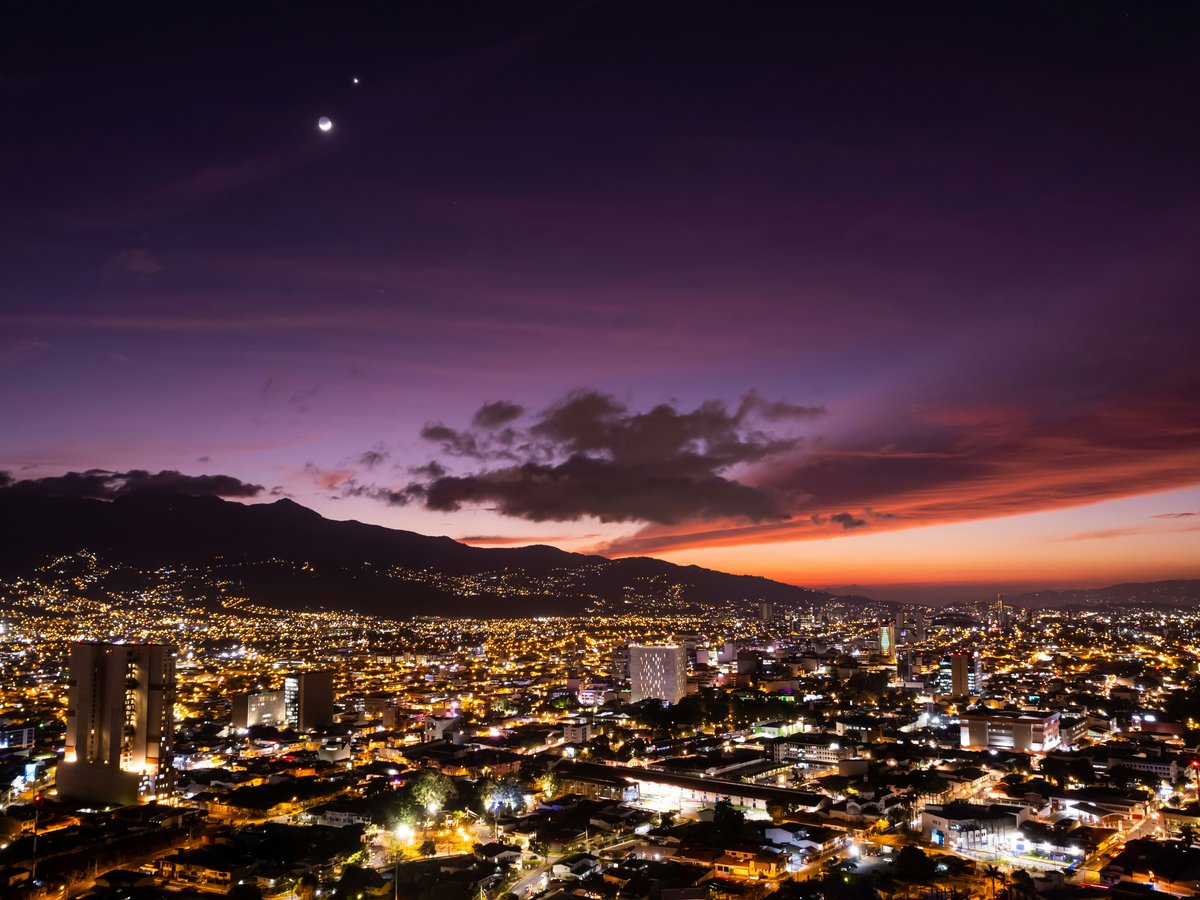
February is the driest month of the year in San José, and that single fact shapes nearly everything about visiting right now. The city sits at roughly 1,100 meters in Costa Rica's Central Valley, and while the surrounding volcanoes and highlands get their share of weather year-round, February delivers just 17mm of rain: barely five brief showers across the whole month. Daytime temperatures tend to settle around 26°C (79°F), warm enough for a light shirt but nowhere near the steam-bath conditions you might expect from a tropical capital. Evenings drop to about 16°C (60°F), which is genuinely cool. The kind of cool where you reach for a light jacket before stepping out for dinner in Barrio Escalante. On clear mornings (and most February mornings are clear) you can see the slopes of Volcán Barva to the north and the ridgeline of the Cerros de Escazú to the southwest.
Here's the honest framing, though: San José is rarely anyone's primary reason for visiting Costa Rica. Most travelers pass through on their way to Manuel Antonio, Monteverde, or the Nicoya coast. That said, February's weather makes a real case for spending two or three days here rather than bolting straight for the airport shuttle. Barrio Amón's tile-fronted Victorian mansions look their best in angled morning light. The Museo Nacional's open-air courtyard (a converted fortress with stone walls and free-roaming butterflies) is at its finest when the ground is dry and the sky is sharp. The Saturday Feria Verde de Aranjuez expands with extra vendors when there's no threat of rain chasing everyone home early. You're paying high-season rates for all of this, mind you, but the tradeoff is consistent sunshine and a capital city that's genuinely comfortable to explore on foot.
Why visit in February
- Driest month of the year, just 17mm of rainfall means you can plan outdoor activities without needing weather backup plans or cramming everything into a morning window
- Comfortable daytime temperatures around 26°C (79°F) with 66% humidity: pleasant for walking neighborhoods like Barrio Amón and Barrio Otoya without overheating
- Coffee harvest season: Central Valley farms near Barva and in the Tarrazú region offer tours where you can watch the full wet-mill process, something unavailable after the harvest wraps up in March
- Clear skies make Central Valley day trips to Poás and Irazú volcanoes far more rewarding: crater visibility peaks in February when cloud cover is at its lowest
Worth knowing
- High-season pricing: hotel rates in neighborhoods like Barrio Amón and Barrio Escalante tend to run 30–50% above the annual average, and popular day tours book up weeks ahead
- More foot traffic at major attractions: Mercado Central, Teatro Nacional, and Museo del Jade see noticeably more visitors than the green-season months of June through November
- Occasional haze from agricultural burning: sugarcane clearing in Guanacaste and the Central Pacific lowlands can drift into the Central Valley on certain days, lending a milky quality to the sky that blunts the otherwise sharp mountain views
Best for
Think twice if
February is San José's driest month. Rainfall drops to just 17mm across roughly five brief afternoon showers: most days are entirely dry. The air sits at about 66% humidity, which feels light and comfortable compared to the 80%+ of the wet season. Mornings tend to dawn clear and slightly cool, warming steadily through midday. By 2 PM the warmth peaks, but it's a dry, pleasant warmth rather than anything oppressive. After sunset the temperature drops noticeably, and by 9 PM you'll feel a crispness in the air that catches first-time visitors off guard. Worth noting: the UV index at this elevation is stronger than the mild temperatures suggest.
Seasonal caution
- Sugarcane and crop-clearing burns in Guanacaste province can occasionally push a light haze into the Central Valley during February: it's not a health concern for most people, but sensitive travelers may notice reduced air clarity on affected days, and mountain views lose their sharpness
Year-round climate
Averages from the last 5 years.
| Month | Avg high (°C) | Avg low (°C) | Rainfall (mm) |
|---|---|---|---|
| Jan | 25 | 16 | 30 |
| Feb | 26 | 16 | 17 |
| Mar | 27 | 16 | 52 |
| Apr | 27 | 17 | 145 |
| May | 26 | 17 | 317 |
| Jun | 24 | 17 | 458 |
| Jul | 25 | 17 | 354 |
| Aug | 25 | 16 | 452 |
| Sep | 25 | 16 | 456 |
| Oct | 24 | 16 | 546 |
| Nov | 24 | 16 | 355 |
| Dec | 25 | 16 | 72 |
Best things to do in February
Poás Volcano National Park day trip
natureThe drive from San José takes about 90 minutes through coffee plantations and cloud forest. At the summit, a paved path leads to the overlook above the active crater lake: turquoise, steaming, ringed by bare volcanic walls. On clear days you can see both the Atlantic and Pacific slopes from the trail. The park limits visitors to 20-minute windows at the crater viewpoint.
February's dry, clear mornings give you the best odds of seeing the crater lake before clouds build after midday: a view that's routinely obscured by fog in the wet season months.Booking tipReserve your timed entry slot online at least a week ahead: only 74 visitors are allowed per 20-minute window, and February high-season slots fill quickly.
Coffee harvest tour in the Central Valley
food and drinkFarms near Barva de Heredia and in the Tarrazú region run harvest-season tours where you walk through rows of coffee plants, watch workers picking ripe cherries, and follow the fruit through the wet-mill process: pulping, fermenting, washing, and sun-drying on raised beds. The smell of fermenting coffee cherries is sharp and fruity, nothing like roasted beans.
The cosecha runs roughly November through February in the Central Valley highlands; this is the only window when you can watch the full farm-to-parchment process in a single visit.Booking tipMost farms require advance booking; 3–5 days ahead is usually sufficient, though weekend slots at the more popular fincas fill up faster.
Walking tour through Barrio Amón and Barrio Otoya
cultureThese adjacent neighborhoods north of the city center hold San José's densest collection of early-20th-century architecture: tile-fronted Victorian houses, art-deco apartment blocks, and converted mansions now serving as boutique hotels and galleries. The streets are quieter than downtown, and the canopy of old trees keeps things shaded even at midday.
February's dry weather and 26°C temperatures make this the most comfortable month for a two-hour walk through uneven sidewalks and narrow streets that lack the cover of arcades or awnings.Feria Verde de Aranjuez Saturday market
food and drinkEvery Saturday morning in the Aranjuez neighborhood, this organic market fills a tree-lined street with vendors selling produce from Central Valley farms, artisan cheeses, fresh bread, honey, handmade soaps, and prepared food. The atmosphere is relaxed and local: more families with strollers than tour groups. Live music drifts from one end.
The dry-season edition draws its largest vendor count and most relaxed crowds, no mud between stalls, no rain tarps blocking sightlines, and the adjacent park is green and inviting for post-market sitting.Evening dining on Calle 33 in Barrio Escalante
food and drinkSan José's restaurant district runs along and around Calle 33, with a dozen-plus restaurants offering outdoor terraces, craft cocktail bars, and cuisines ranging from contemporary Costa Rican to Japanese to Middle Eastern. The street hums on weekend evenings: the sound of conversation and clinking glasses spilling out from lit patios.
February's dry, mild evenings (around 20°C (68°F) by 8 PM) are ideal for the outdoor terrace culture that defines this neighborhood. During the wet season, rain drives everyone indoors and half the charm disappears.Booking tipWeekend tables at the more popular spots fill by 7 PM; either reserve a few days ahead or plan for a Tuesday or Wednesday evening when walk-ins are easier.
Cerros de Escazú ridge hike
natureThe forested hills southwest of San José offer a half-day hike with views spanning the Central Valley floor to the volcanic peaks beyond. The trail climbs through secondary growth forest and opens onto exposed ridgeline above 1,800 meters. On the clearest mornings (and February provides them) you can catch a glimpse of the Pacific coast to the west.
Dry-season trails are firm and clear rather than muddy and slick, and February's low cloud cover means the summit views are at their most expansive. This hike in the wet season often ends in fog and mud.Booking tipStart early (ideally by 7 AM) to reach the ridge before afternoon thermals build clouds. No booking needed, but a local guide familiar with the unmarked trail junctions is worth hiring.
What to eat in February
In season: fruit
Jocote
These small, tart-sweet stone fruits appear at market stalls and roadside vendors during the dry season. The purple-red ones at Mercado Central are typically the ripest: firm skin giving way to a tangy, almost mango-adjacent flesh around the pit. Pop them whole and work around the seed.
Fresas de Fraijanes
Strawberries from the volcanic highland farms near Poás reach their sweetest in the dry months. Vendors sell them in small plastic bags with condensed milk at weekend markets like Feria Verde de Aranjuez. The flavor is brighter and more tart than what you'd find in a supermarket back home.
Street food peaks
Mango verde con sal y limón
The first green mangoes of the approaching mango season show up at street vendors in February. Still firm and sour, sliced into spears and dusted with salt and a squeeze of lime. A different experience entirely from the sweet ripe mango of March and April: crunchy, tart, almost savory.
What to drink
Fresh-harvest Costa Rican coffee
February falls in the tail end of the cosecha, when Central Valley roasters are selling micro-lots from the current crop. Specialty cafés in Barrio Escalante pull shots from beans that were on a branch six weeks ago. The difference between fresh-crop and stored-crop is hard to miss: there's a brightness and a floral note that fades within months of roasting.
Agua de dulce
Warm water sweetened with tapa de dulce: blocks of unrefined cane sugar produced during the ongoing sugarcane harvest. It's traditionally an evening drink in the Central Valley, and February's cool nights make it especially welcome. You'll find it at sodas inside Mercado Central, served in a ceramic mug.
Regular events in February
GAM Cultural Art City TourFree
San José's monthly nighttime art walk: galleries, museums, and cultural spaces across the city center stay open late with free admission, live performances, and new exhibition openings. The route connects spots in Barrio Amón, Barrio Otoya, and downtown.
First Thursday of FebruaryDía del Amor y la AmistadFree
Costa Rica's take on Valentine's Day celebrates both romantic love and friendship. Restaurants across Barrio Escalante and La Sabana run special menus, bars host themed nights, and Parque La Sabana fills with couples and friend groups on picnic blankets in the late afternoon sun.
February 14Feria Verde de AranjuezFree
Weekly organic and artisan market in the Aranjuez neighborhood. Runs year-round but the February dry-season editions are the most expansive, with the widest vendor selection and most comfortable conditions for browsing.
Every Saturday morning, approximately 7 AM to 12:30 PMBest places this February
Parque Metropolitano La Sabana
parkSan José's largest urban park, built on the grounds of the old international airport. In February, the grass is still green from residual wet-season groundwater, joggers circle the perimeter path, and weekend pickup fútbol games run all afternoon. The Museo de Arte Costarricense sits at the park's eastern entrance: its permanent collection of Costa Rican art from the 19th century onward is worth an hour. The park's western edge offers clear sunset views on dry February evenings.
La SabanaMercado Central
marketOperating since 1880, this downtown market packs hundreds of vendors into a tight grid of narrow aisles. The sodas (small family-run lunch counters) serve some of the cheapest and most honest casados in the city. The smell of frying plantains and fresh coffee competes with the wet-earth scent of produce stalls. February's dry weather makes the walk from nearby hotels more pleasant, though the market interior stays dim and cool regardless of the season.
CentroTeatro Nacional de Costa Rica
landmarkThe ornate neoclassical theater on Plaza de la Cultura, completed in 1897 and modeled on the Paris Opéra. Guided tours run most mornings and cover the painted ceilings, marble stairways, and the main auditorium. The building's exterior is worth circling: the stonework detailing catches February's sharp morning light particularly well.
CentroMuseo del Jade
museumHouses the largest collection of pre-Columbian jade in the Americas, spread across five floors of a modern building on Plaza de la Democracia. The top-floor terrace offers panoramic views of the city and surrounding mountains: views that are at their sharpest during February's clear weather. The jade itself is remarkable: translucent greens and blues, carved into figures and pendants a thousand years old.
CentroBarrio Escalante restaurant district
neighborhoodThe neighborhood centered on Calle 33, now San José's culinary heart. What was residential a decade ago is now lined with restaurants, craft breweries, specialty coffee shops, and cocktail bars. February's dry evenings mean the outdoor terraces (strung with lights, set under old trees) are at their most inviting. Walk the full length of Calle 33 and the cross streets before committing to a table.
Barrio EscalanteMuseo de Arte Costarricense
museumHoused in the old airport terminal at the eastern edge of Parque La Sabana, this museum covers Costa Rican art from colonial times through contemporary work. The Salón Dorado on the upper floor: a room covered floor-to-ceiling in carved and painted murals depicting the country's history: is worth the visit alone. The sculpture garden outside is at its best in February when the grounds are dry and the light is even.
La Sabana
Your packing checklist
Tick items off as you pack. Your progress saves in this browser.
All packed — have a great trip.
Insider tips
The Feria Verde de Aranjuez on Saturday mornings has better prices and wider variety than the tourist-targeted souvenir markets downtown. Arrive before 9 AM for the best produce selection and shorter lines at the prepared-food stalls: by 11 the crowds thicken and the popular vendors start running low.
Barrio Escalante restaurants are noticeably quieter on Tuesday and Wednesday evenings. The weekend rush hasn't built up yet, and you can often walk into places that need Friday or Saturday reservations. The food is the same; the atmosphere is more relaxed.
For the cheapest good coffee, look for tostaduría shops in Barrio Escalante that sell beans by weight: they're roasting current-crop lots from nearby farms and charging a fraction of what the tourist-oriented cafés downtown ask for the same quality.
Take a bus to Cartago from the Lumaca terminal in San José: it's about 45 minutes each way and costs a few hundred colones. The Basílica de Nuestra Señora de los Ángeles is the most significant religious building in the country, and the ride through the valley passes coffee farms and nurseries. February's clear weather makes the views worth the trip alone.
Avoid these mistakes
- Assuming Costa Rica means hot and packing only shorts and tank tops: San José at 1,100 meters is cooler than most people expect, and February evenings at 16°C will leave you shivering on a restaurant terrace if you didn't bring a layer. This is the single most common packing error visitors make.
- Trying to squeeze Manuel Antonio or Monteverde into a day trip from San José: both are three to four hours each way on winding mountain roads, which turns a day trip into eight hours of driving and three hours at the destination. Base yourself in multiple locations rather than committing to one long round trip.
- Booking accommodation last-minute in February: it's high season and the better-value spots in Barrio Amón and Barrio Escalante fill up two to three weeks ahead. What's left tends to be either overpriced or inconveniently located. Book early if neighborhood matters to you.
Practical tips for February
February is solidly high season, so book accommodation at least three to four weeks ahead for the better spots in Barrio Amón, Barrio Escalante, and La Sabana. Most museums and attractions keep regular hours: the Teatro Nacional offers guided tours most mornings for a small fee. Tipping at restaurants typically runs 10%, often already included as servicio on the bill: check before doubling it. The city runs on cash more than you might expect; carry colones in small bills for markets, sodas, and taxis. Uber works reliably throughout the Central Valley and is generally cheaper and simpler than negotiating with red taxis. If you're heading to the coast or cloud forests afterward, book shuttle vans or internal flights ahead: February demand fills them. The Juan Santamaría airport is about 20 minutes from central San José by taxi, but allow extra time during weekday morning rush when the Autopista General Cañas backs up.
FAQ
Is February a good time to visit San José, Costa Rica?
February is one of the best months for San José weather-wise: it's the driest month of the year with just 17mm of rainfall and comfortable temperatures around 26°C (79°F). The tradeoff is high-season pricing and more tourists at popular sites. If dry weather and outdoor comfort matter to you, February is hard to beat. If you're budget-conscious, the green-season months of June through November offer significantly lower rates at the cost of daily afternoon rain.
What is the weather like in San José in February?
Dry and mild. Average highs around 26°C (79°F), lows near 16°C (60°F), with humidity at about 66%. Rain is minimal: roughly five brief showers across the entire month, totaling 17mm. Most days are sunny from morning through late afternoon. Evenings cool down enough that you'll want a light jacket. The UV index is strong at San José's 1,100-meter elevation, so sunscreen matters even though the temperature feels moderate.
How many days should I spend in San José in February?
Two to three days is the sweet spot for most travelers. That gives you time for the Museo Nacional and Museo del Jade, a morning at Mercado Central, an evening in Barrio Escalante, and a day trip to Poás or Irazú volcano. Beyond three days, the city's attractions thin out and you're likely better served heading to the coast, cloud forests, or volcanic highlands. That said, if you're a food-focused traveler, Barrio Escalante's restaurant scene alone can justify an extra night.
Is San José crowded in February?
Moderately to noticeably so. February is high season for all of Costa Rica, and San José sees more foot traffic at Mercado Central, the national museums, and popular restaurant districts like Barrio Escalante. It's not the crush of December-January school holidays, but you'll share major attractions with more tour groups than you would in the green season. Booking restaurants for weekend dinners and day trips to Poás ahead of time is worth the effort.
Things to Do in San José in February
 Free cancellation
 Arenal Volcano Full-Day Combo Tour with Lunch and Dinner
Outdoor experience: 14 hours, free cancellation.
via Viator Free cancellation
 Arenal Volcano Experience Full-Day Tour from San Jose
Day trip: 14 hours, free cancellation.
via Viator Free cancellation
 Manuel Antonio National Park Sightseeing and Wildlife Day Tour from San Jose
Day trip: 12 hours, free cancellation.
via Viator Free cancellation
 Full Day Poas Volcano, La Paz Waterfall Gardens and Coffee Plantation Experience
Outdoor experience: 10 hours, free cancellation.
via Viator Free cancellation
 Tortuga Island Full Day Tour from San José with Lunch
Day trip: free cancellation.
via Viator Free cancellation
 Zip Line, Rappel, Hiking La Carpintera Tour in San Jose
Outdoor experience: 3 hours, free cancellation.
via ViatorFind a flight to San José
Live fares to San José appear here once cookies are accepted.
Last verified by automated review (v1.7.2) on . What is automated review?