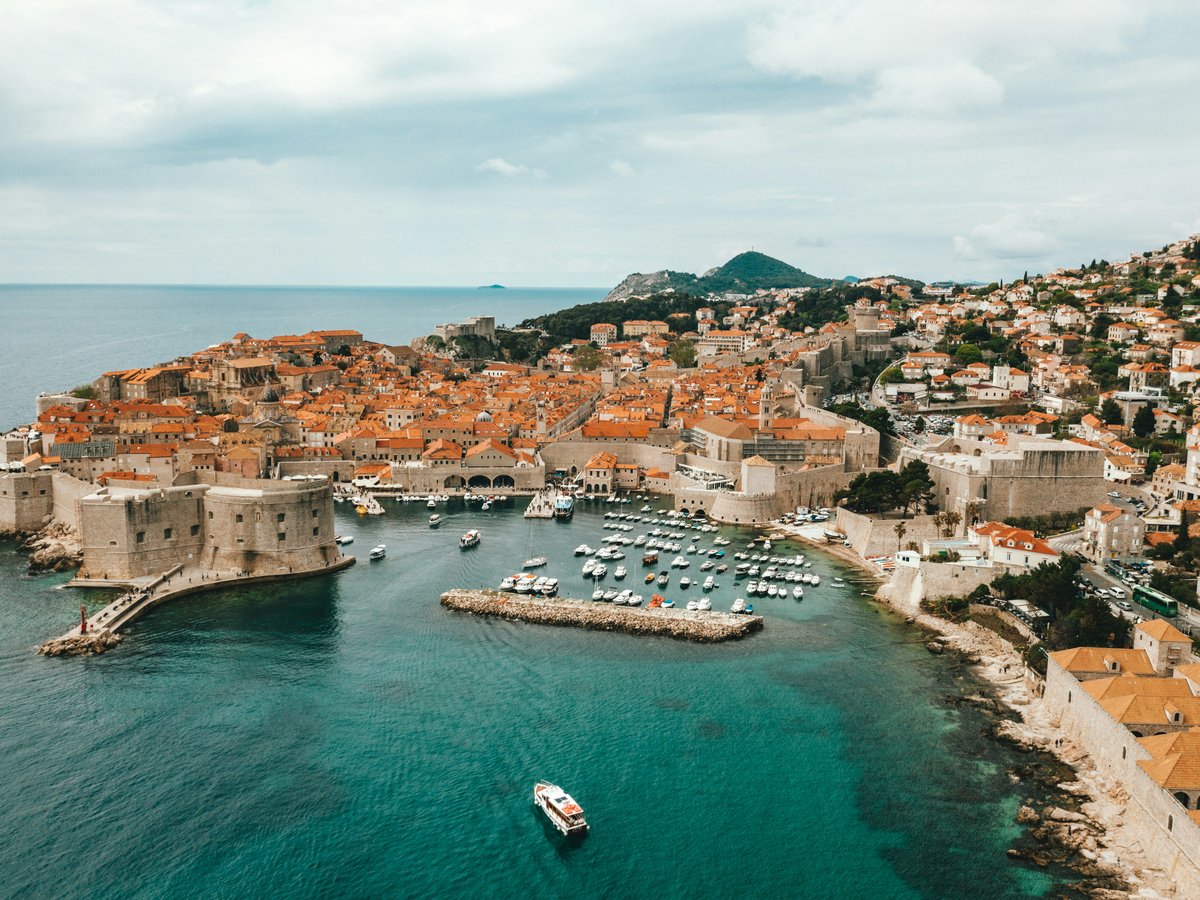
Is Dubrovnik LGBTQ-friendly?
Dubrovnik scores 6.2/10 for LGBTQ+ friendliness (sourced from TTDI's editorial rubric). Croatia recognizes same-sex life partnerships since 2014 but not marriage. The city has no dedicated queer venues, though the tourism-heavy Old Town is tolerant in practice. Same-sex couples won't face hostility inside the walls, but public affection draws occasional glances.
Croatia recognizes same-sex partnerships in law but not in marriage. A constitutional referendum, decided by a roughly 2-to-1 margin, set that ceiling before the partnership act was signed. In daily life, Dubrovnik is a Catholic city of about 42,000 residents where social attitudes tend to lag behind Zagreb. The tourism economy, which pulls over a million visitors through the Old Town gates each summer, acts as a practical buffer. Staff at hotels along Frana Supila and across the Old Town are used to same-sex couples from Western Europe. Zagreb Pride has run annually since 2002, but Dubrovnik has never hosted an equivalent event. The city's conservatism is the quiet, avoidant kind, not the hostile kind. An older waiter on the Stradun might seem slightly stiff seating two men at a candlelit table, but the food arrives the same.
Dubrovnik has zero dedicated gay bars. Zagreb, 600 km north, has a small cluster around Tkalčićeva street, but the capital's scene doesn't extend to the Adriatic. What you will find are 3 or 4 spots where queer travellers tend to feel comfortable. Culture Club Revelin, the nightclub set inside the 16th-century fortress at Ploče Gate, pulls a young international crowd on weekends. Nobody cares who you're dancing with at 1am when the bass is rattling the old stone walls. For daytime, Banje Beach east of the walls is where couples of all kinds settle on the smooth rocks. Buža Bar sits on the southern cliffs, cut right into the city walls. You drink on bare rock above the Adriatic while the water 10 meters below shifts between deep blue and green. Lokrum Island, a 15-minute ferry from the Old Port, has a nudist section on the southeastern shore that has been informally queer-welcoming for decades. The water stays around 23-24°C even in August, and the pine canopy above the rocks smells sharp in the 30°C afternoon heat.
Two women holding hands on the Stradun will get zero reaction on a July evening when the limestone is still warm underfoot and the crowd is 80% tourists. Two men in the same spot might draw a glance from older locals, but verbal confrontation is rare inside the Old Town. This is not Amsterdam or Barcelona. It is, however, noticeably safer than most of the western Balkans. The tourist infrastructure inside Dubrovnik's walls operates on a practical hospitality that overrides personal conservatism. Outside the walls, in residential areas like Gruž near the port or Lapad on the western peninsula, you're in a more local environment where the temperature drops in every sense. Nobody in a Gruž café is likely to confront you, but you'll notice the body language shift. Late at night near the Gruž bus station, standard urban caution applies regardless of orientation. Croatia's Ombudsperson for Gender Equality handles discrimination complaints through a Zagreb-based office.
For same-sex couples planning 3 or 4 days in Dubrovnik, the question is less about safety and more about whether the romantic mood holds. Book inside the walls or along the coast road toward Cavtat, where staff are trained in high-end hospitality. Hotel Stari Grad on Od Sigurate and Villa Dubrovnik above Sveti Jakov Beach both have solid reputations for welcoming same-sex couples without awkwardness. For dinner, Nautika at the Pile Gate entrance puts you at a table above the rocks where you can hear waves against the base of Fort Lovrijenac. It runs about 50-70 EUR per person, roughly 57-80 USD at current rates. Skip the Prijeko street tourist traps where waiters physically stand in the narrow alley pulling you in. Walk 2 minutes south to Proto for quieter tables and better grilled squid. The best seat at Proto is the upstairs terrace. Book it 2 days ahead in July and August.
Composite of legal status, social acceptance, and visible scene.
Legal status
Same-sex relations are legal
Same-sex relations have been legal in Croatia since 1977, with life partnerships granting near-marriage rights since 2014 and joint adoption since a 2022 court ruling. Discrimination has been illegal since 2009; coastal resorts are notably relaxed.
Verified against equaldex.com and en.wikipedia.org .
The scene
No dedicated LGBTQ bars or clubs exist in Dubrovnik. The closest to queer-comfortable nightlife runs through mixed venues like Culture Club Revelin at Ploče Gate. Buža Bar on the southern cliffs and Lokrum Island's southeastern nudist section are informally queer-welcoming. Split, 230 km northwest, held Dalmatia's first Pride march in 2011.
Safety notes
Same-sex couples walk freely inside the Old Town walls where tourism provides a social buffer. Male couples may draw occasional glances from older locals but verbal confrontation is rare. Outside the walls in Gruž and Lapad the atmosphere turns more local. Standard late-night caution near the Gruž bus station applies regardless of orientation.
Last verified by automated review (v1.7.2) on . What is automated review?