What cultural etiquette should I know for Dubrovnik?
Dubrovnik runs on a few unspoken rules that trip up first-timers. Greet with 'Dobar dan' before asking for anything. Tip 10-15% at sit-down restaurants. Cover shoulders and knees at Dubrovnik Cathedral and St Blaise's Church. Never refer to the 1991-92 siege casually or treat it as Game of Thrones scenery.
The greeting that matters in Dubrovnik is 'Dobar dan' (good day), said to shopkeepers, waiters, and anyone whose space you're entering. A handshake is standard when meeting someone new. You might notice locals kiss on each cheek among friends, but don't initiate this yourself. Croatians tend to be direct. If a waiter seems brusque at a Stradun terrace, that's normal Dalmatian style, not rudeness. The formality drops fast once you've exchanged a few words. One thing that catches visitors off guard is how late Dubrovnik eats. Dinner before 8pm marks you as a cruise passenger. Locals at restaurants like Pantarul in Lapad rarely sit down before 9pm, and the kitchen stays open past 11pm. The warm evening air off the Adriatic, carrying the smell of grilled fish from the konobas, makes a 10pm dinner feel natural.
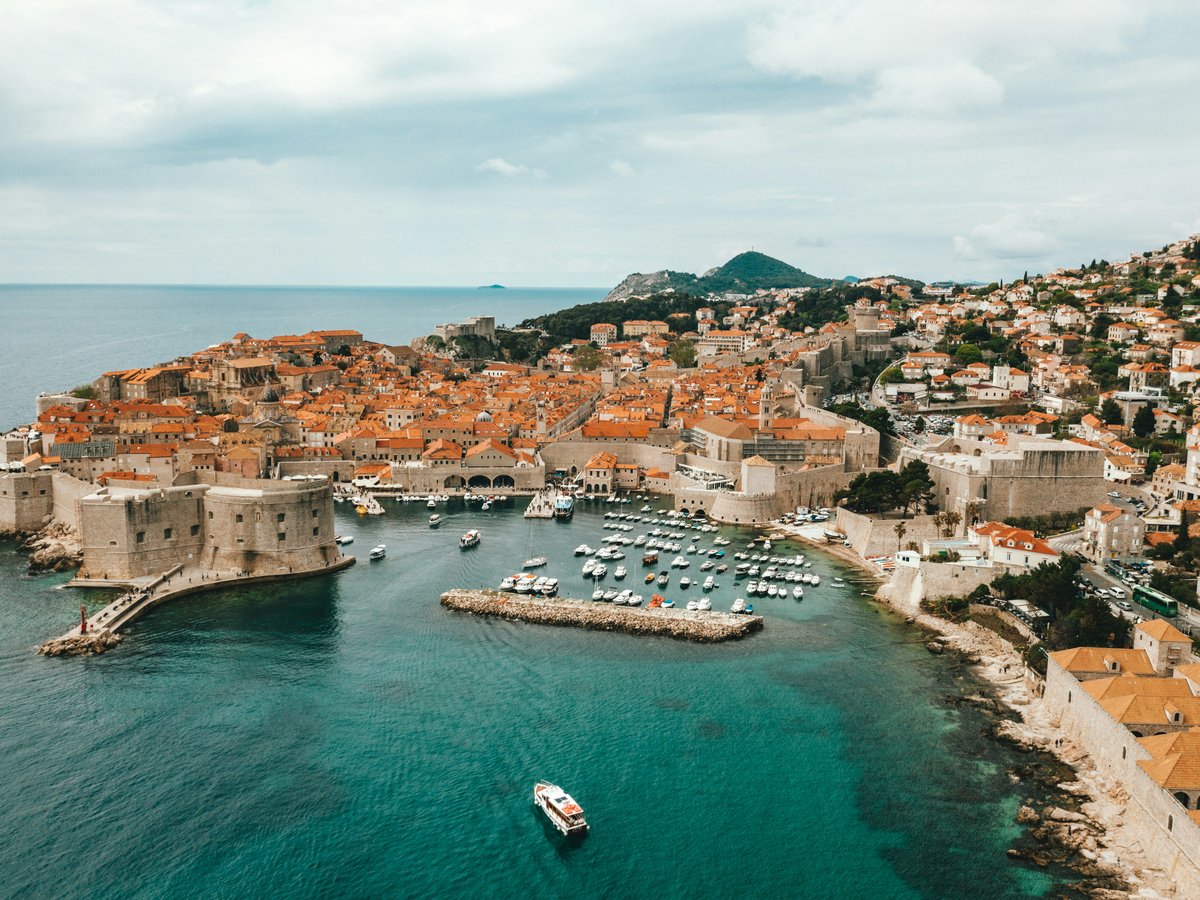
The 1991-92 Siege of Dubrovnik is still living memory for most residents over 40. Serbian and Montenegrin forces shelled the Old Town for 7 months, and more than 100 civilians died. The red dots painted on a map near the Sponza Palace mark every shell impact on the city walls and rooftops. This is not set decoration. Treating the Old Town primarily as a Game of Thrones filming location without acknowledging what happened 30 years before the cameras arrived reads as tone-deaf to people who rebuilt those terracotta rooftops by hand. Worth noting, Croatia and Serbia are separate countries with a complicated relationship. Referring to Croatians as 'Slavic' is technically accurate, but calling them Serbian or Yugoslav, or conflating the two nations, will end a conversation fast.
Croatia adopted the euro in January 2023, so you won't deal with kuna anymore. Tipping at sit-down restaurants runs 10-15%. At a konoba (tavern) like Konoba Dubrava near Gruž, rounding up by a few euros covers it. Coffee is a social ritual here, not a caffeine delivery system. A kava at Café Buža, on the cliffs outside the southern walls where you can smell the salt spray and hear waves slapping the rocks 10 metres below, costs around €5-6 for an espresso. You'll sit for an hour and nobody will rush you. That said, don't snap your fingers or wave at staff. Catch their eye, or a quiet 'oprostite' (excuse me) works. Croatians find the American-style flag-down rude.
Dubrovnik Cathedral, rebuilt after the 1667 earthquake, and St Blaise's Church both enforce a shoulders-and-knees dress code. Guards at the cathedral entrance turn away visitors in swimsuits or tank tops dozens of times daily in July and August, when the Old Town hits 35°C and the polished limestone of the Stradun radiates heat back at you like a griddle. Carry a light scarf in your bag. Inside the churches, silence is expected. Phone ringtones echoing off the stone vaults of St Blaise's earn sharp looks from parishioners. The city walls close at different times depending on the season (7pm in summer, 3pm in winter), and walking them shirtless or in a bikini top has been prohibited since 2019, when local authorities introduced fines up to €65 for inappropriate dress in the Old Town.
Cultural norms
Croatians greet with a firm handshake and direct eye contact; among friends, expect three kisses on alternating cheeks starting from the right. Address older people with "Gospodin" or "Gospođa" until invited to use first names. Most Dubrovnik residents under forty speak functional English, but opening with "Dobar dan" earns genuine warmth. When visiting the Dubrovnik Cathedral or the Franciscan Monastery, cover your shoulders and knees: attendants will turn away visitors in tank tops or short shorts, and this applies equally to men. The Old Town's marble-polished Stradun gets slippery in rain, so flat rubber-soled shoes matter more than fashion choices.
On public buses run by Libertas, board through the front door and validate your ticket at the machine; inspectors fine riders without valid tickets on the spot. Tipping is not obligatory, but leaving around ten percent at sit-down restaurants signals satisfaction, and most locals round up at cafés. Croatia uses the euro, so there is no currency exchange hassle, though some smaller konobas outside the walls still prefer cash over card. The fastest way to irritate locals is blocking narrow Old Town streets with a selfie stick during peak hours: residents live and commute through those lanes. Avoid commenting on the Yugoslav wars as casual conversation; it remains a raw subject, and asking whether someone "fought" is considered deeply intrusive.
Greetings
Say 'Dobar dan' (good day) when entering any shop, restaurant, or church. A handshake is standard for introductions. Close friends do two cheek-kisses, but let locals initiate. 'Hvala' (thanks) and 'molim' (please) go far with waiters and shopkeepers in the Old Town.
Don't do this
- Calling Croatians Serbian, Yugoslav, or conflating Croatia with Serbia as one identity.
- Treating the 1991-92 siege sites near Sponza Palace as casual photo ops or referring to them as 'cool ruins.'
- Walking the Old Town streets or city walls shirtless or in swimwear. Fines up to €65 since 2019.
- Snapping fingers or loudly calling out to get a waiter's attention at restaurants.
- Sitting on or climbing the Onofrio Fountain or other historic structures for photos.
- Entering Dubrovnik Cathedral or St Blaise's Church in tank tops, shorts above the knee, or swimsuits.
- Dragging wheeled suitcases down the Stradun during peak hours. The noise on limestone carries across the entire street.
Tipping
Tip 10-15% at sit-down restaurants. At konobas and casual spots, rounding up by €2-3 is enough. Bartenders don't expect tips but won't refuse a euro. No tipping expected for coffee.
Dress code
Cover shoulders and knees at Dubrovnik Cathedral and St Blaise's Church. Since 2019, walking the Old Town or city walls shirtless, in bikini tops, or in swimwear risks fines up to €65. Carry a light cover-up in your bag during summer months when temperatures hit 35°C.
Religious norms
Dubrovnik is predominantly Roman Catholic. Sunday Mass at Dubrovnik Cathedral draws locals, not tourists. Silence inside all churches is expected, and flash photography is prohibited. St Blaise is the city's patron saint, celebrated on February 3 with a procession through the Stradun. His feast day has been a UNESCO-listed tradition since 2009. Don't treat church interiors as selfie backdrops.
Last verified by automated review (v1.7.2) on . What is automated review?