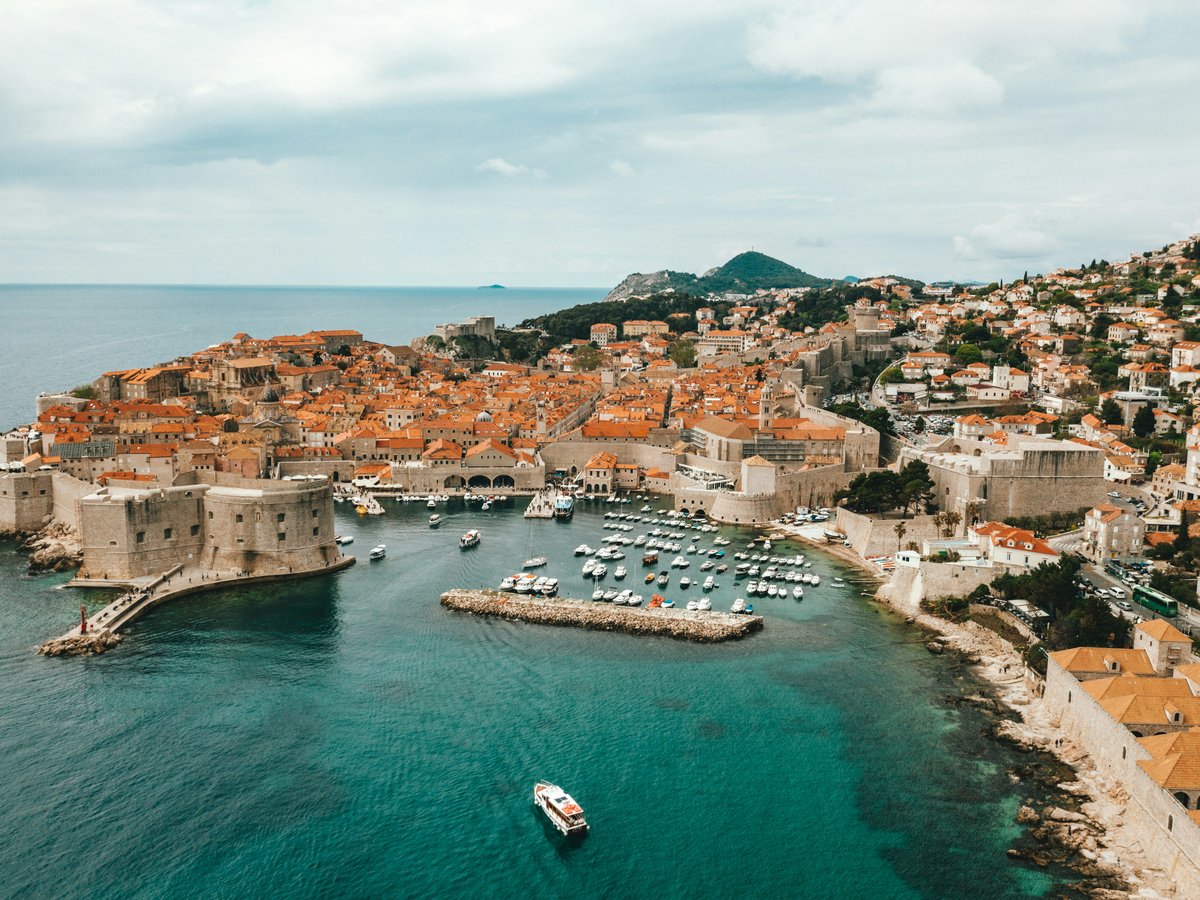
What's the food culture in Dubrovnik?
Dubrovnik's cooking centers on Dalmatian seafood and slow-cooked meat under iron bells (peka). The best meals are outside the Old Town walls, in neighborhoods like Gruž and Lapad, where konobas serve crni rižot for 12-18 EUR. Lunch, not dinner, is the main event, typically noon to 2pm. Fresh fish is sold by the kilo, and Mali Ston's oysters are a 60km day trip.
Dubrovnik eats its biggest meal between noon and 2pm, not at dinner. That matters because most visitors drift into the Old Town restaurants at 7pm and pay 30-40 EUR for a mediocre grilled branzino that a konoba in Gruž would cook better for 18 EUR with local olive oil. The Stradun restaurants survive on foot traffic, not repeat customers. You'll see the same laminated photo menus on every corner between Pile Gate and the Clock Tower. Walk past them. The real cooking happens in the residential neighborhoods where waiters don't stand outside recruiting passersby.
The Gundulićeva Poljana market runs every morning except Sunday, roughly 7am to 1pm, and it's one of the few reasons to eat inside the walls. Farmers from the Konavle valley sell cherry tomatoes still warm from the field, fat green peppers, and blocks of Paški sir, the hard sheep's cheese from Pag island that costs about 25 EUR per kilo. The smell of dried lavender and rosemary hits you from 10 meters away. Grab a bag of figs if you visit between late July and September. For breakfast, most Croatians keep it light. A burek from a pekara costs 2-3 EUR and the flaky phyllo cracks apart with each bite, leaking warm cheese or spinach onto the wax paper. The pekara on Ulica od Puča, a few steps from the market, opens at 6am and tends to sell out of spinach burek by 9.
Pantarul in Lapad, about a 15-minute bus ride from Pile Gate on lines 4 or 6, is likely the best restaurant in the city right now. The tuna steak arrives pink, seared maybe 30 seconds per side, with a caper-and-anchovy sauce. A full dinner for two with wine runs 70-90 EUR. Reservations fill 2-3 days ahead in summer, so book through their website early. Near the Old Town, Bota Šare on Od Pustijerne does oyster platters and octopus salad with potatoes and capers that tastes like it came from the Adriatic that morning. In Gruž, near the ferry terminal, Konoba Ribar serves grilled fish by the kilo (around 45-55 EUR/kg for dentex or John Dory) on a terrace overlooking the harbor where the fishing boats tie up.
The two dishes you need to track down are peka and crni rižot. Peka is lamb or octopus layered with potatoes, rosemary, and garlic, sealed under a cast-iron bell, then buried in hot coals for 2-3 hours. The lid traps steam and smoke. When the waiter lifts it at your table, the rush of herbed, slightly charred air is the best smell in Dalmatian cooking. You need to order peka at least 2 hours ahead, sometimes the morning of. Crni rižot gets its color from cuttlefish ink stirred through rice with garlic, white wine, and diced squid. The best version has a briny, almost metallic edge that coats the back of your teeth. For oysters, take a day trip to Mali Ston, about 60 km northwest on the Pelješac peninsula. The oyster farms in the channel between Pelješac and the mainland have been producing since the 14th century. A dozen currently go for 12-15 EUR at waterside restaurants.
Mind you, Dubrovnik has real downsides for food travelers. July and August bring cruise ships that drop 8,000-10,000 passengers per day into the Old Town, and every restaurant within the walls inflates prices accordingly. A simple Caprese might hit 14 EUR. The city also goes quiet early by Mediterranean standards. A meal after 10:30pm in low season is hard to find outside hotel restaurants. That said, the wine situation deserves attention. Plavac Mali, the local red grape grown on the steep Pelješac slopes, produces wines with a tannic, almost smoky finish at 5-8 EUR per glass. Malvasija, the coastal white, pairs well with lighter seafood at 4-6 EUR. For drinks with a view, Buža Bar sits on the rocks outside the south wall of the Old Town. You reach it through a literal hole in the stone. A Karlovačko pivo costs 5 EUR there, and the wait for a perch on the rocks can stretch to 20 minutes in peak season.
Signature dishes
-
Peka
Lamb or octopus layered with potatoes, rosemary, and garlic, sealed under a cast-iron bell, then slow-cooked over coals for 2-3 hours. Needs to be ordered at least 2 hours ahead at any konoba.
-
Crni rižot
Black risotto colored by cuttlefish ink, made with diced squid, garlic, and white wine. The best versions carry a briny, almost metallic edge and stain your teeth for an hour afterward.
-
Buzara
Mussels or shrimp simmered in white wine, garlic, olive oil, and breadcrumbs. The sauce pools at the bottom of the pan and demands bread for mopping. Best eaten at harbor-side konobas in Gruž.
-
Pašticada
Beef marinated in wine vinegar and prošek (local dessert wine), slow-braised with prunes and root vegetables for 4-5 hours, served over homemade gnocchi. The sauce is thick, sweet-sour, and dark.
-
Rozata
Dubrovnik's take on crème caramel, flavored with rozalin (rose liqueur) and caramelized sugar. Lighter and more floral than the French version. About 5-7 EUR at most sit-down restaurants.
-
Paški sir
Hard sheep's cheese from Pag island, aged 3-12 months. Salty, crumbly, often served sliced thin with olive oil and arugula. Around 25 EUR per kilo at the Gundulićeva Poljana market.
Meal times
Lunch is the main meal, typically noon to 2pm. Dinner starts around 8pm, rarely before 7:30. Breakfast is light. Most locals grab a coffee and burek from a pekara by 8am. Kitchens in the Old Town close by 10:30pm in low season.
Tipping
Croatia adopted the euro in January 2023. Tipping 10-15% is appreciated at sit-down restaurants but not expected. Many locals round up to the nearest euro or two. Service charges are rarely included.
Dietary notes
Seafood and pork dominate Dalmatian menus. Vegetarians can find grilled vegetables, pasta, and salads at most konobas, and Nishta in the Old Town is a dedicated vegetarian restaurant. Halal and kosher options are very limited outside hotel restaurants. Gluten-free awareness is growing but not reliable at smaller establishments. Ask explicitly.
Go deeper into Dubrovnik
Last verified by automated review (v1.7.2) on . What is automated review?