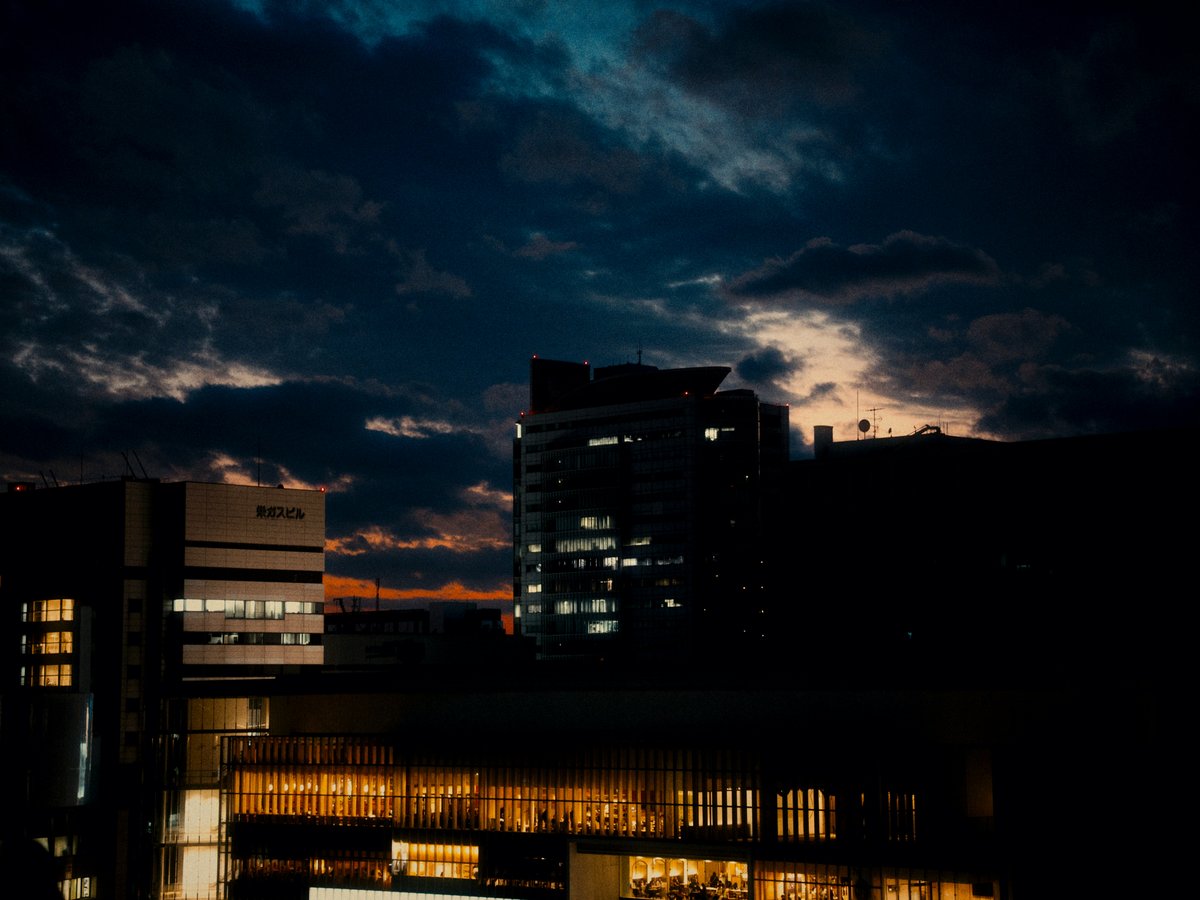
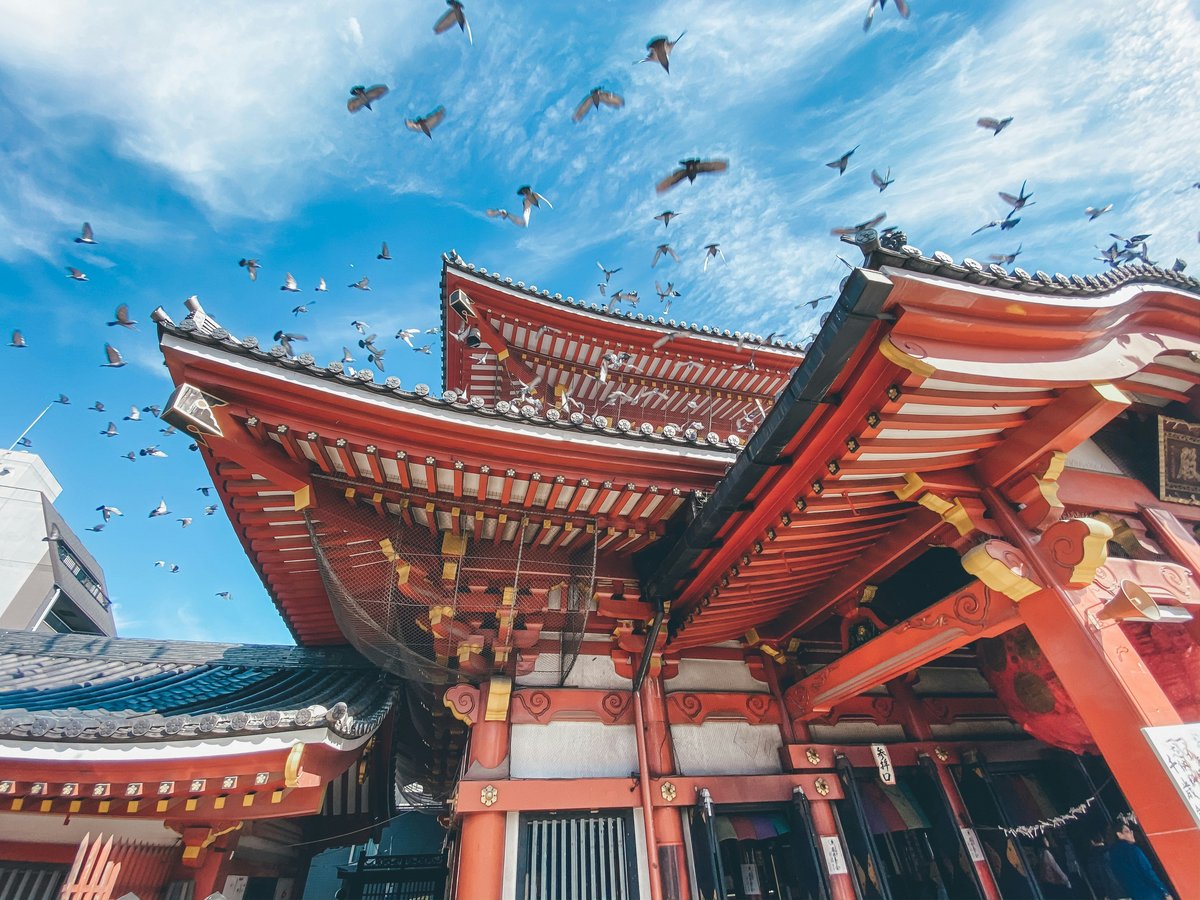
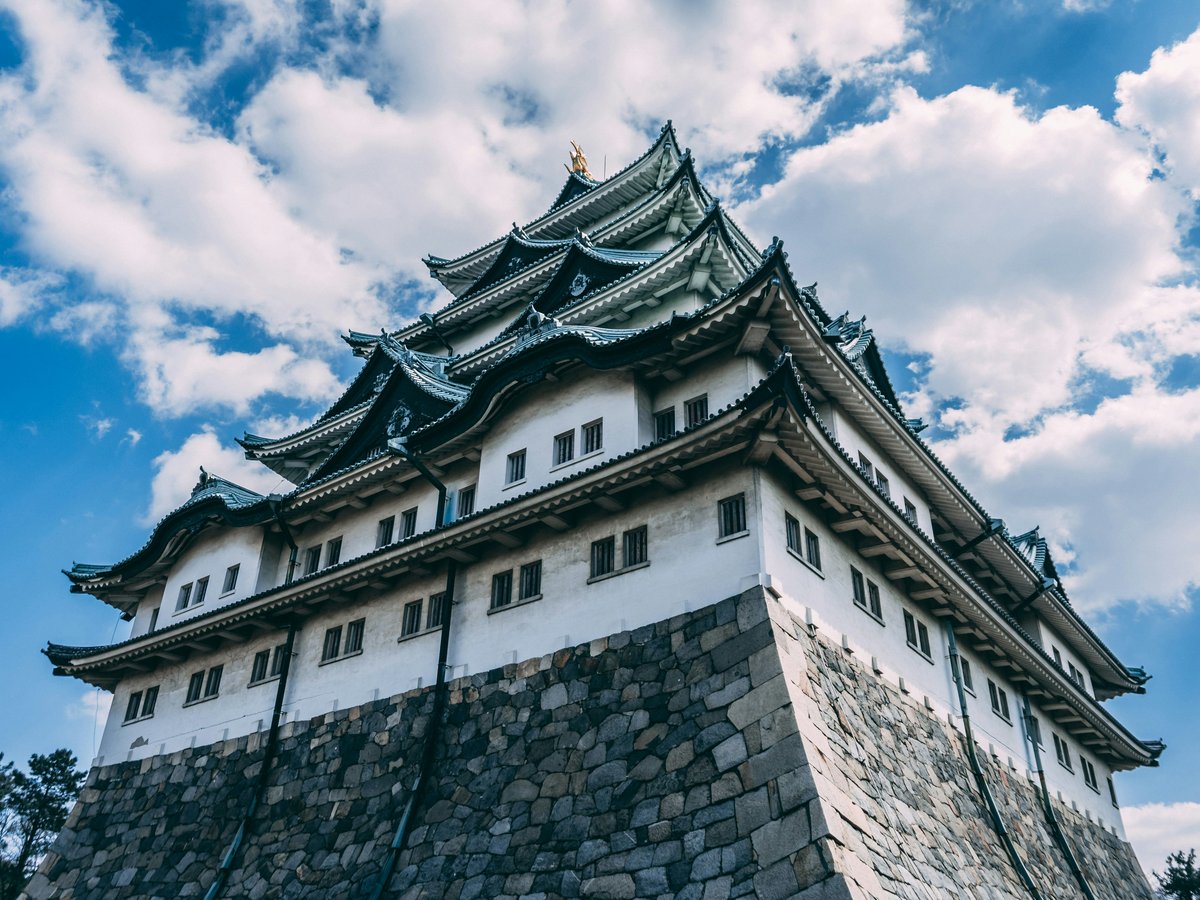
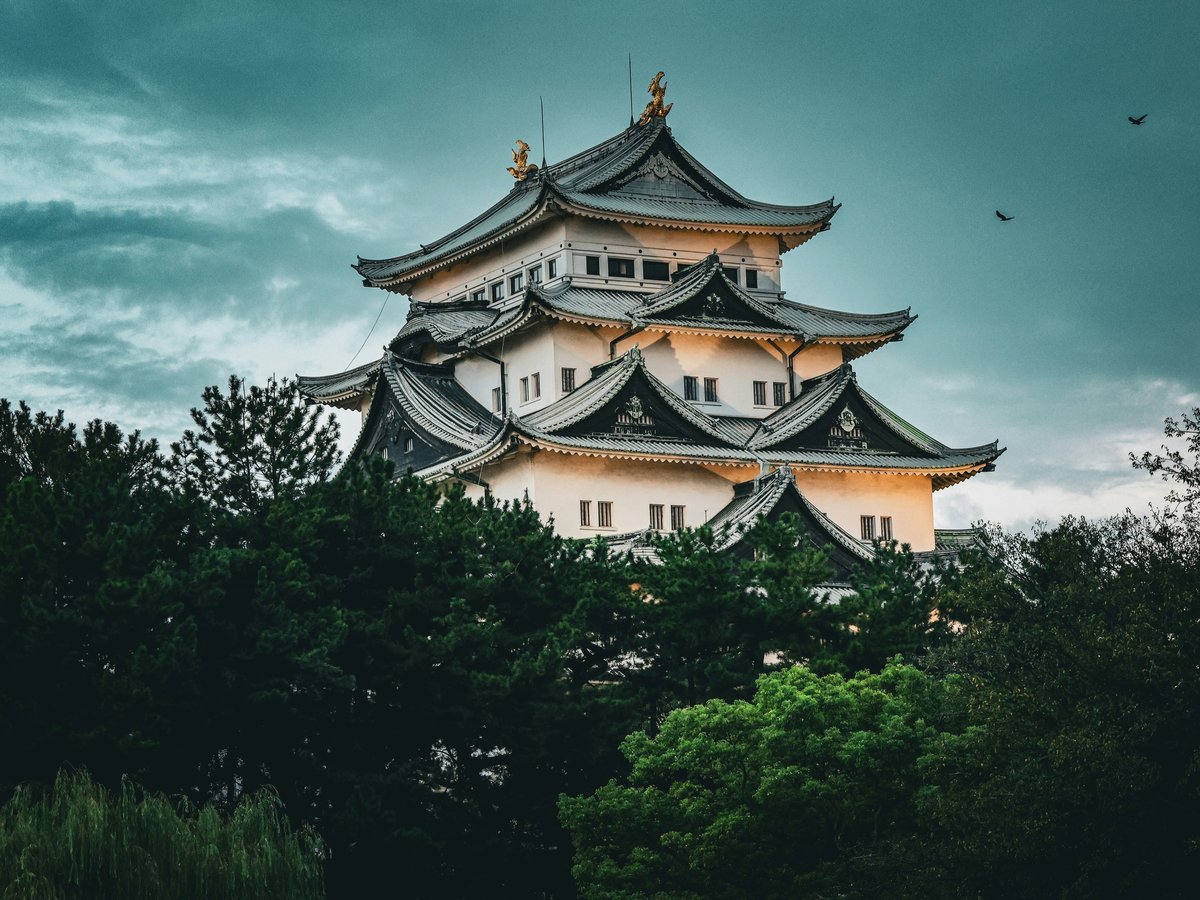
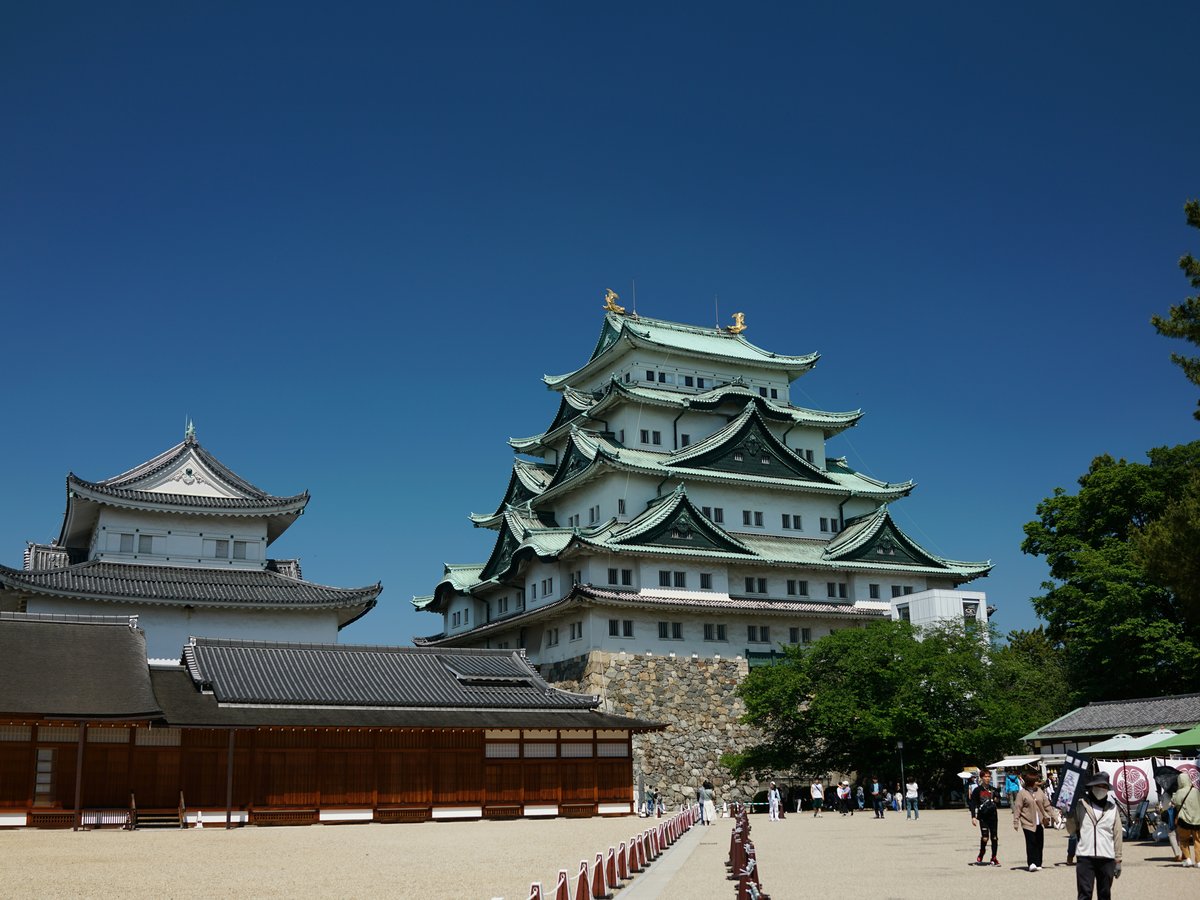
Nagoya sits almost exactly halfway between Tokyo and Osaka on the Tokaido corridor, a geographic fact that shaped the city's identity for centuries: it was the castle town of the Owari Tokugawa, the most senior of the three branch families permitted to supply a shogun, and that administrative weight never fully left. The castle itself, reconstructed after firebombing leveled the original in 1945, anchors the northwest quadrant, but the reconstruction of the Honmaru Palace in cypress using traditional joinery techniques, completed in 2018, is the more striking achievement: a patient decade-long project that produced something closer to the original than the concrete keep beside it. The city's industrial engine runs on Toyota, whose global headquarters sit just outside the municipal boundary in Toyota City, and the manufacturing culture bleeds into everything: Nagoya's infrastructure is overbuilt and punctual, its roads wider than Tokyo's, its subway clean and lightly used by comparison. A first visit tends to orbit a few anchors: the Atsuta Shrine, which predates the city and houses one of Japan's three imperial regalia, the Osu shopping district where a covered arcade mixes electronics stalls with secondhand kimono dealers and a temple market on the 18th and 28th of each month, and Sakae, the entertainment district that fills the evenings. The food sits in its own register: Nagoya-meshi is a recognized local canon that includes miso-katsu, kishimen flat noodles, tebasaki chicken wings, and hitsumabushi grilled eel served three ways in a single bowl. Morning service at kissaten coffee houses, where ordering a coffee before eleven gets you toast, a boiled egg, and sometimes red bean paste on the side, is observed with a seriousness that borders on civic ritual. Three days here feel less like touring and more like settling into a routine that just happens to be someone else's.
Nagoya in photos
Nagoya right now
Answers about Nagoya
-
Airport to city
Take the Meitetsu μ-SKY limited express from Chubu Centrair (NGO) to Meitetsu Nagoya Station. The ride costs 1,250 JPY (about $8), takes 28 minutes, and runs roughly every 30 minutes from 7:00am to 9:30pm. After the last train, a taxi runs 14,000 to 18,000 JPY ($89 to $115). The regular Meitetsu limited express saves 360 JPY if you skip the reserved seat.
Read the full answer → -
Best time to visit
October and November are the best months for Nagoya. Humidity drops below 60% and daytime temperatures sit in the high teens to low twenties Celsius. Late March through mid-April is the runner-up, when cherry blossoms open across the city, though hotel rates rise 25-40% around hanami week. Avoid July and August, when the basin traps heat above 35°C.
Read the full answer → -
Cost per day
Budget travelers spend about ¥7,500 ($50) per day in Nagoya on a hostel dorm, konbini meals, and the subway. Midrange lands at ¥17,000 ($110) with a business hotel and sit-down Nagoya meshi like miso katsu or kishimen. Luxury runs ¥44,000+ ($280+). Nagoya prices fall below Tokyo and Osaka at every tier, with hearty miso-based dishes keeping the food line low.
Read the full answer → -
Best day trips
Inuyama Castle, 25 km north on the Meitetsu line (30 minutes, ¥570), is the strongest single-day pick from Nagoya. Its keep dates to 1537, one of only 12 originals in Japan, and it overlooks the Kiso River. The castle town below has Edo-period shops and miso-glazed dengaku. Ise Grand Shrine (1h20 by Kintetsu) and Takayama (2h10 by JR) both work as longer full-day trips.
Read the full answer → -
Food culture
Nagoya runs on hatcho miso, a dark soybean paste from nearby Okazaki that stains nearly every local specialty. The city's term 'Nagoya meshi' covers miso katsu, hitsumabushi eel, tebasaki chicken wings, and ankake spaghetti. Morning coffee at kissaten comes with free toast and eggs, a local tradition since the 1950s.
Read the full answer → -
Getting around
Nagoya's subway covers every major destination a visitor needs, with 6 lines running from Nagoya Station. Buy a Manaca IC card (500-yen deposit) from any station machine and load 2,000-3,000 yen for three days of riding. The Higashiyama Line handles most tourist trips. Taxis fill late-night gaps when trains stop around midnight.
Read the full answer → -
How to get there
Chubu Centrair International Airport (NGO) sits 35 km south of central Nagoya on an artificial island in Ise Bay. Direct flights connect from Seoul, Taipei, Bangkok, Shanghai, and Helsinki. From North America, one-stop routing through Tokyo Narita or Osaka Kansai is standard. The Tokaido Shinkansen from Tokyo takes 1 hour 40 minutes, making rail a strong alternative to domestic flights.
Read the full answer → -
Is it safe?
Nagoya scores 8.5 out of 10 for solo-traveler safety (see the TTDI Solo-Safety Index). Violent crime against visitors is near zero. The risks that matter are natural, not criminal. Tokai region earthquakes and September typhoons top the list. Trains run until midnight, convenience stores stay open 24 hours, and Sakae feels walkable alone past 1am. Police at 110, ambulance at 119.
Read the full answer → -
Where locals go
Kakuozan's kissaten serve free morning-service toast with ¥500 coffees before 11am. Retirees and freelancers fill the counter seats. Osu's backstreets south of Osu Kannon temple draw live-music crowds after 7pm. Imaike's counter-only izakayas peak Thursday and Friday nights, 8pm to midnight, with Nagoya office workers and university students from Chikusa.
Read the full answer → -
Must-see
Nagoya Castle's Honmaru Palace. Completed in 2018 after 9 years of reconstruction, the palace replicates the 1615 original's reception halls with gold-leaf ceilings and painted fusuma doors throughout. The fresh Hinoki cypress still scents the corridors. Entry is 500 yen. Arrive at the 9am opening before bus tours fill the rooms.
Read the full answer → -
3-day itinerary
Day 1 covers central Nagoya on foot, from the castle through Osu's covered arcades to Sakae. Day 2 heads south to Atsuta Shrine for hitsumabushi grilled eel, then east to Arimatsu's shibori dyeing workshops. Day 3 takes the Meitetsu train north to Inuyama, home to the oldest original-timber castle keep in Japan. About 24 kilometres of walking across three days, with subway and trains covering the longer gaps.
Read the full answer → -
What to avoid
Skip Nagoya Castle's main tower (closed for wooden reconstruction with no reopening date set), Legoland Japan Resort unless traveling with children under 12, and the touts near Nishiki 3-chome in Sakae who steer solo visitors toward ¥5,000-plus cover-charge bars. Summer humidity from June through September pushes the heat index above 35°C most afternoons.
Read the full answer → -
What to pack
Slip-on walking shoes top the list. Nagoya's temples and traditional restaurants require constant shoe removal, and fumbling with laces at each entrance gets old by the third stop. Pack 2-3 quick-dry layers for late-September humidity, a packable rain jacket for typhoon-season downpours, and a 10,000mAh portable charger. Skip the umbrella and toiletries. Buy both for less in Nagoya.
Read the full answer → -
Where to stay
Stay near Nagoya Station (Meieki) for your first visit. The Shinkansen terminal, Meitetsu line to Centrair Airport, and three subway lines all meet here. Expect ¥8,000-15,000 ($50-95) per night for a mid-range hotel. Sakae, two subway stops east, works better if nightlife and shopping matter more than transit connections.
Read the full answer →
Deep guides for Nagoya
-
Nagoya Restaurants: What's Worth It
Twelve rooms across Sakae, Higashisakura, Meieki, and the Noritake campus, split into destination meals and problem solvers. Each venue gets a verdict naming who the room is right for and when to walk in.
Read the guide → -
Nagoya With Kids: What Works
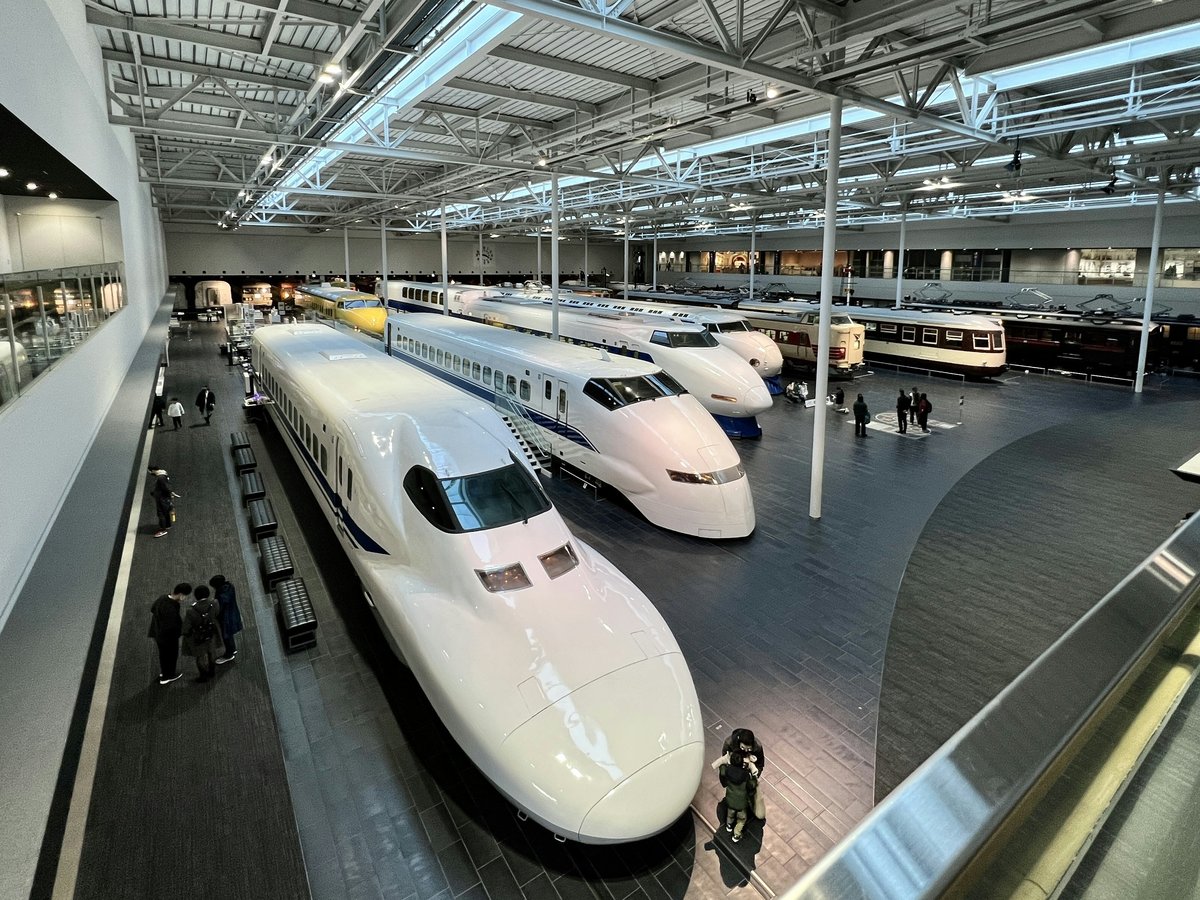
Nagoya's verified 8.5 family-friendliness score reflects real infrastructure, but most visiting families front-load the wrong attractions. The castle is a meltdown trap. The SCMAGLEV and Railway Park wins the day. And two attractions per day is the only itinerary shape that survives toddlers.
Read the guide →
Curated lists for Nagoya
accommodation
-
Best boutique hotels
Nagoya spreads its hotel inventory across a tight grid of neighborhoods between the station district and the Sakae shopping corridor, with a handful of outliers near shrines and southern suburbs. The station side, anchored by the JR Nagoya complex, stacks its rooms vertically in towers connected to the Shinkansen platforms; the Sakae side trades that transit convenience for nightlife, department stores, and covered arcades. Between them, the Nishiki blocks run quieter after dark, lined with izakayas rather than clubs. South of the core, Atsuta and Minami Ward sit closer to Atsuta Shrine and the port, where rates drop and foot traffic thins. The pricing band is narrow for a city this size: most mid-range rooms fall between $82 and $185 a night, and Trip.com ratings cluster above 9.0, which says more about Japanese hotel standards than about any one property outperforming. The real decision is not which hotel but which walking radius. A station-side base means Shinkansen access in minutes and department-store breakfast halls; a Sakae base means late trams and covered shopping; a southern base means shrine mornings and quiet evenings. Pick the radius first, then the room.
See the picks → -
Best hostels
Nagoya spreads its hostel inventory along a corridor that follows the Higashiyama subway line from Nagoya Station east through Sakae, with the Meijo Line circling north past the castle and south through the shopping streets. Most budget beds land between the station district and the Sakae interchange, where nightly rates range from $25 to $77 and the convenience stores never close. The station end is louder, busier, and better connected to the Shinkansen; Sakae is the nightlife and department-store center where foot traffic stays thick past midnight. South of Sakae, the Osu arcade district offers the cheapest dorms and the most character per block. North of both, the Sannomaru quarter near Nagoya Castle trades buzz for quiet at a slight premium. Travelers who want late-night ramen should stay between Meieki and Nishiki; those who want onsen soaks and a slower pace should look toward Sakae 1-chome. Hostel density peaks in the station-to-Sakae corridor and thins toward the castle and the residential south.
See the picks → -
Best luxury hotels
Nagoya's luxury hotel scene is small enough to know completely and varied enough to reward choosing carefully. The city draws fewer leisure visitors than Tokyo or Kyoto, and its best properties reflect that position: each one occupies a distinct lane rather than competing for the same guest. A couple celebrating an anniversary, a design-obsessed solo traveler, a family with small children, and a business visitor extending a weekend will each find a clear first choice on this list, and they will not be choosing from the same two or three. That specificity is the advantage. Where larger cities force you to compare near-identical marble lobbies, Nagoya asks you to decide what kind of trip you are taking. This list covers four luxury hotels, ranked by what each delivers that its neighbors do not.
See the picks → -
Where to stay
Nagoya spreads its hotel inventory across two poles: the cluster of towers above and around Nagoya Station on the west side, and the Sakae entertainment district two subway stops east. Between them, Fushimi and the Nishiki blocks fill in with mid-rise business hotels that often outperform their price. The station side rewards early risers catching Shinkansen departures to Kyoto or Tokyo; the Sakae side rewards anyone who wants department stores, basement food halls, and late trains home on the Higashiyama Line. South of both, Atsuta and Kanayama sit near the shrine district, cheaper and quieter, a fallback for travelers who care more about a low nightly rate than a short walk to Oasis 21. Prices run lower than Tokyo or Osaka at every tier: budget beds range from $33 to $47 a night, dependable mid-range rooms hold between $82 and $185, and the luxury picks top out near $303. The neighborhoods below sort by hotel density, so the first few cards show the widest selection and the last few surface a single standout worth the detour.
See the picks →
attractions
-
Best free attractions
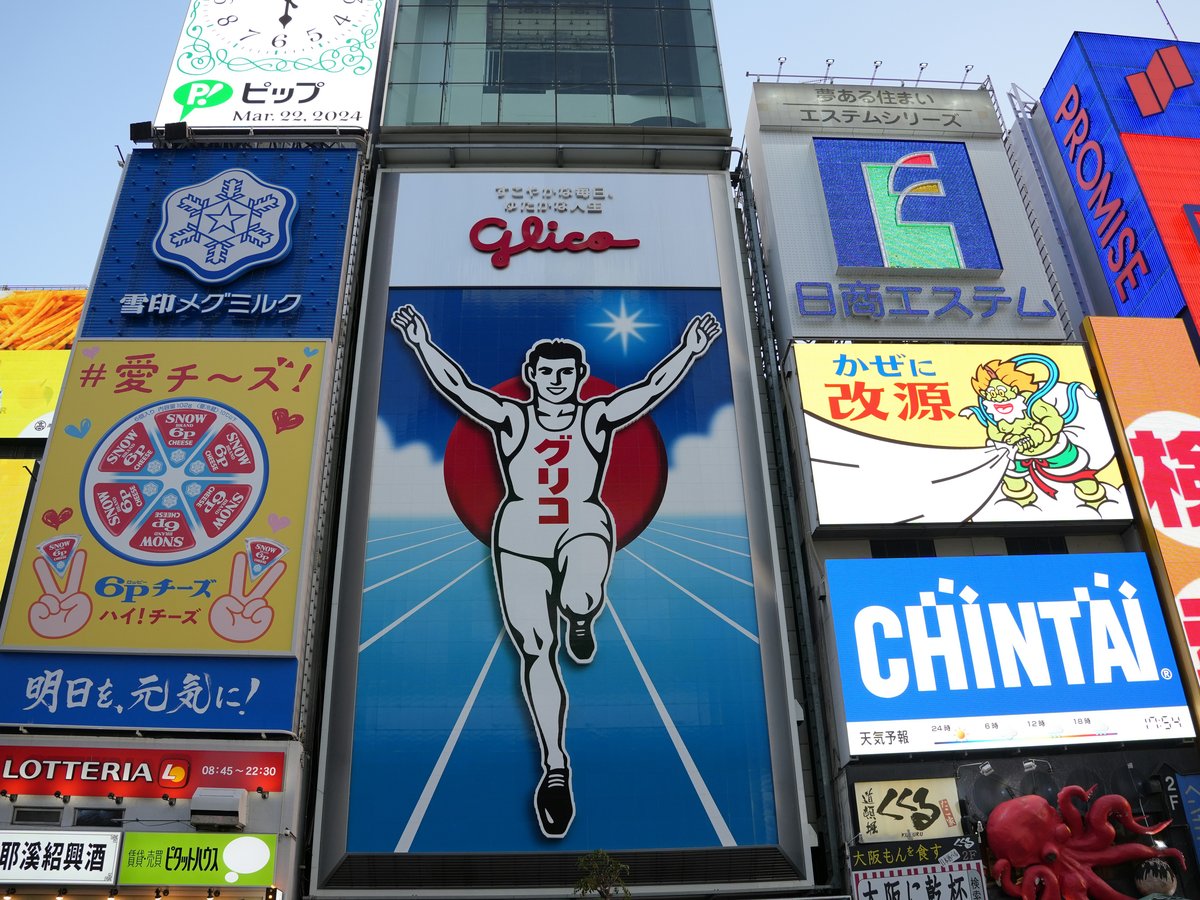
Nagoya's free hours belong almost entirely to its parks and gardens, a civic inheritance that reads differently from the neon geography most visitors arrive expecting. The city's centre, its riverbanks in Naka-ku, and its outlying wards in Shōwa-ku and Tsushima together offer more free ground per hour than the tourist map admits, and the list below rewards the traveller willing to walk between them rather than photograph one and leave. These are twelve places that cost nothing to enter and reward attention rather than a ticket: a covered plaza above a subway junction, a strolling garden the Tokugawa family kept in shape, a park that spills orchids in one corner and cherry canopy in another. Some are five minutes from Sakae station, some are a train ride out toward Aichi Prefecture. Read the list as a walking argument for the city's ordinary public life, and treat each address as an invitation to spend an unpaid afternoon well.
See the picks → -
Best museums
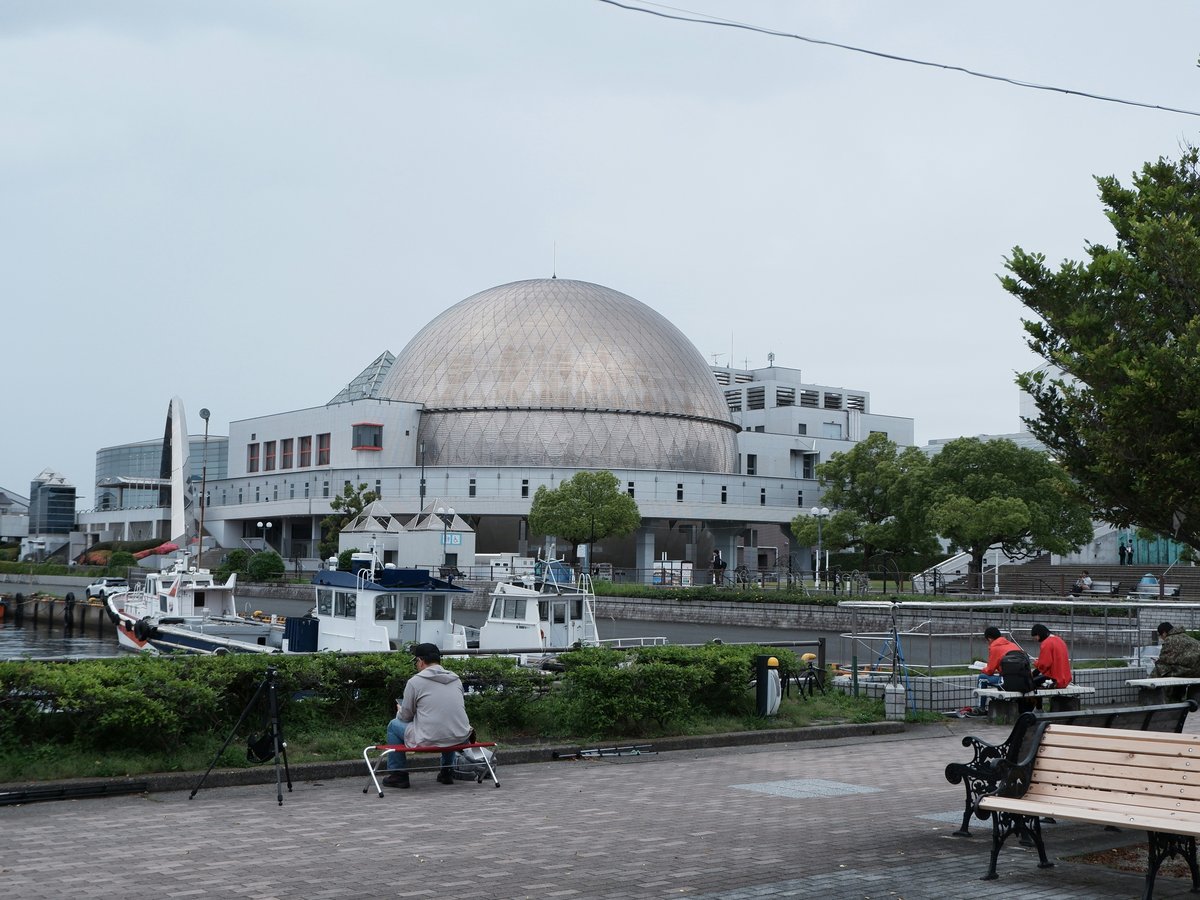
Nagoya's museums are not a single circuit; they are twelve arguments about what this region has cared about, scattered across Aichi from the Tokugawa quarter in Higashi to the kilns of Seto and the reclaimed piers of Kinjo. The city holds a founding archive of the Tokugawa house, a civic collection near Sakae, a bank-lobby cabinet of currency and ukiyo-e prints, a prefectural art museum in the Higashisakura cultural block, and a set of smaller houses in Showa, Mizuho, Kiyosu and Komaki that quietly do the specific work generalist museums cannot. It also holds two of the most technically ambitious museums in central Japan: a science hall in Sakae and a railway park at the port. The list below is for the visitor who wants to spend three days in Aichi and leave understanding why Nagoya kept the things it kept, from a warlord's tea caddy to a shinkansen nose cone to a Seto glaze. Read it as a route, not a ranking.
See the picks → -
Must-see attractions
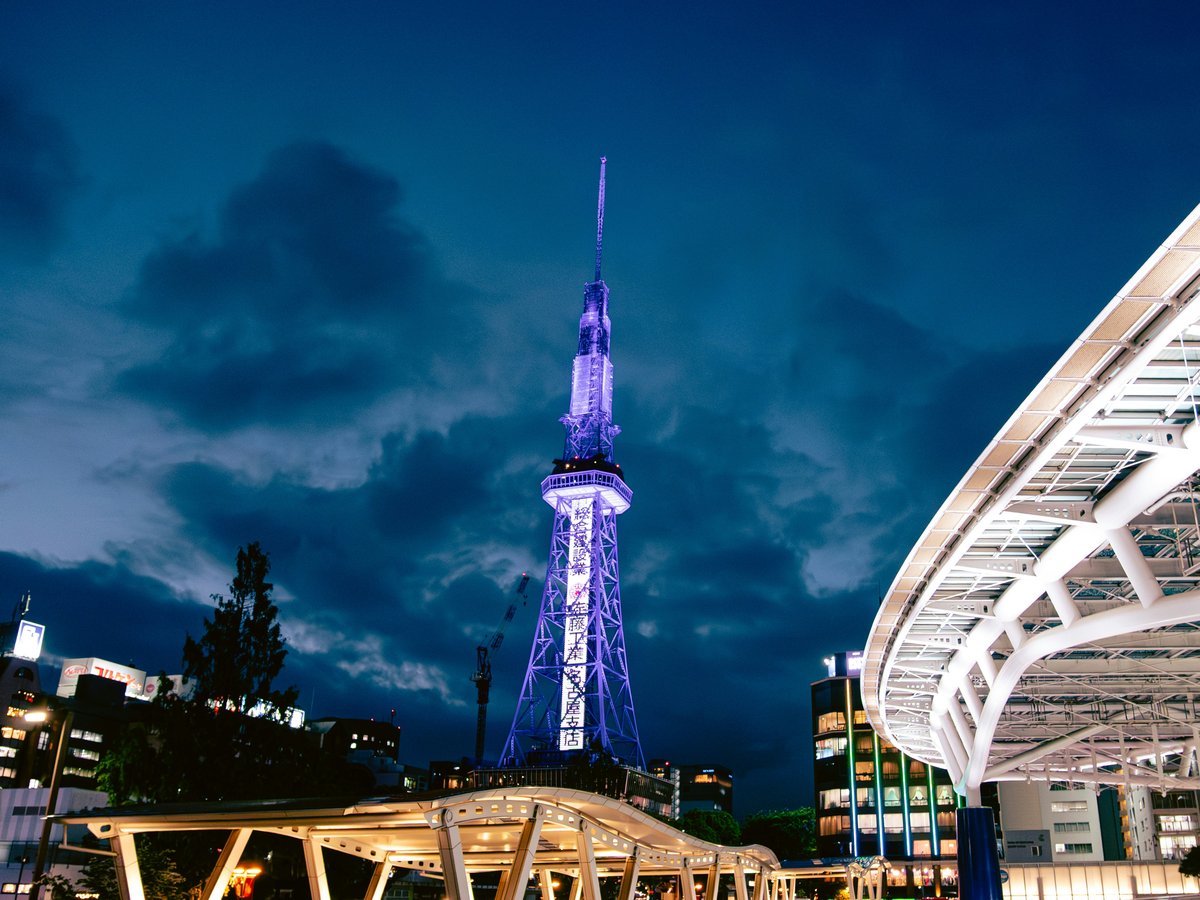
Nagoya rewards a visitor who plans the day around towers, theatres and a working castle rather than a single postcard. The roster here is unusual: a broadcast tower in the middle of a shopping district, a Roman Catholic cathedral a few blocks from a Noh stage, an observation deck grafted onto a zoo, and a burial mound on the edge of Inuyama that predates almost everything else on the map. The city stretches the definition of a landmark, and the twelve entries below take that at face value. Nine sit inside Nagoya proper, three ride the commuter rail out to Kiyosu, Nagakute and Inuyama, and together they cover the periods a first-time visitor most wants to see: kofun, castle, cathedral, twentieth-century broadcast, Expo-era park. This list is for the traveller who would rather walk a real address than a curated route, and who reads a Wikidata coordinate as a promise that the place is exactly where the map says it is.
See the picks →
food
-
Best cafes
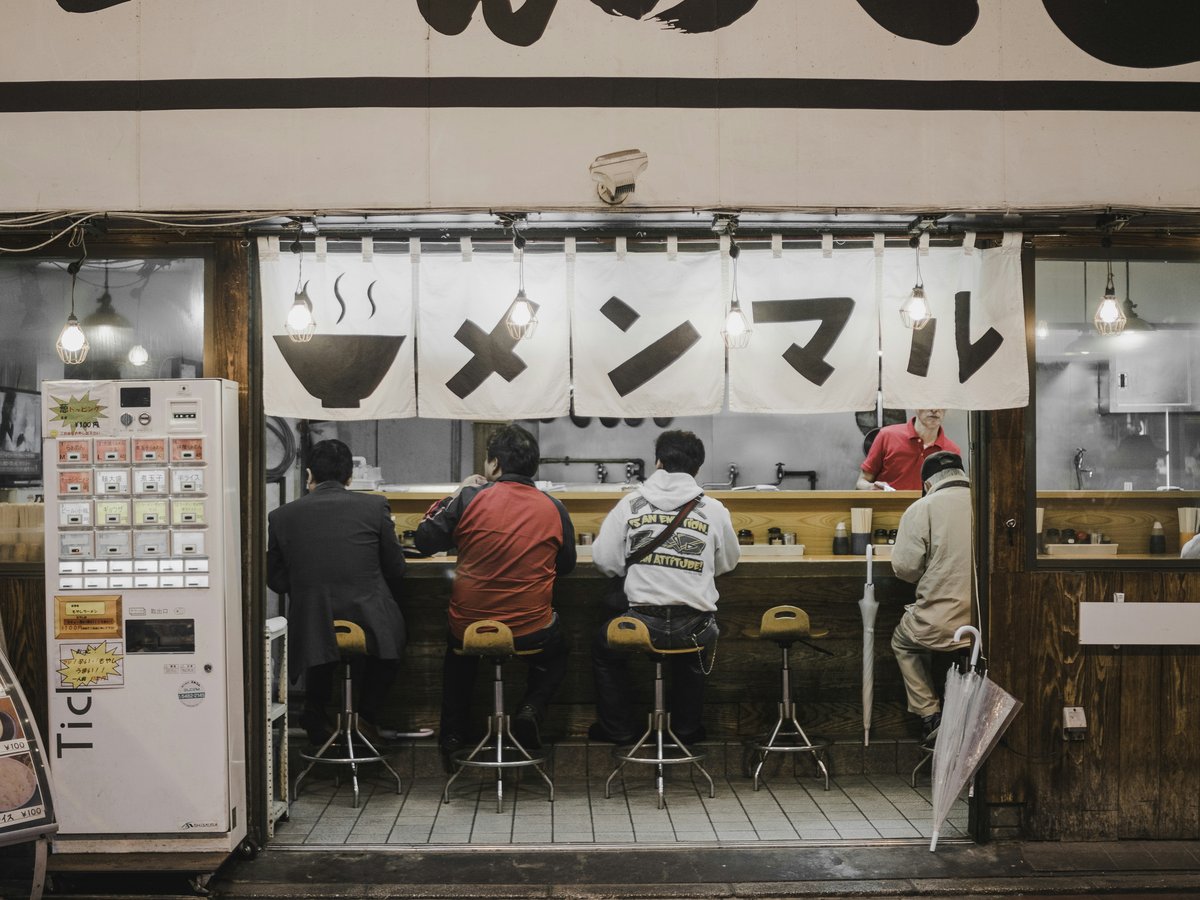
Nagoya's cafe culture is the loudest quiet argument in Japanese coffee. This is the city that gave the country the morning set, the endless refill, and a chain culture so entrenched that Komeda opens its doors at 08:00 and closes them at 23:00 seven days a week; it is also a city of one-counter kissa rooms where the master pours filter coffee for the same customers he poured it for in 1985. The 12 rooms below span both poles. A postwar snack counter in Higashi-ku sits alongside a museum cafe on the old Toyoda loom grounds in Nishi-ku; a taxi-flagged rider's stop opens at 07:00 in Naka-ku while a patisserie in Chikusa-ku plates cakes until 19:30. The list is built for a visitor who wants to understand why Nagoyans treat a cafe as a room they belong to, not a queue they endure, and who is willing to walk past the Sakae flagships to find it.
See the picks → -
Best restaurants
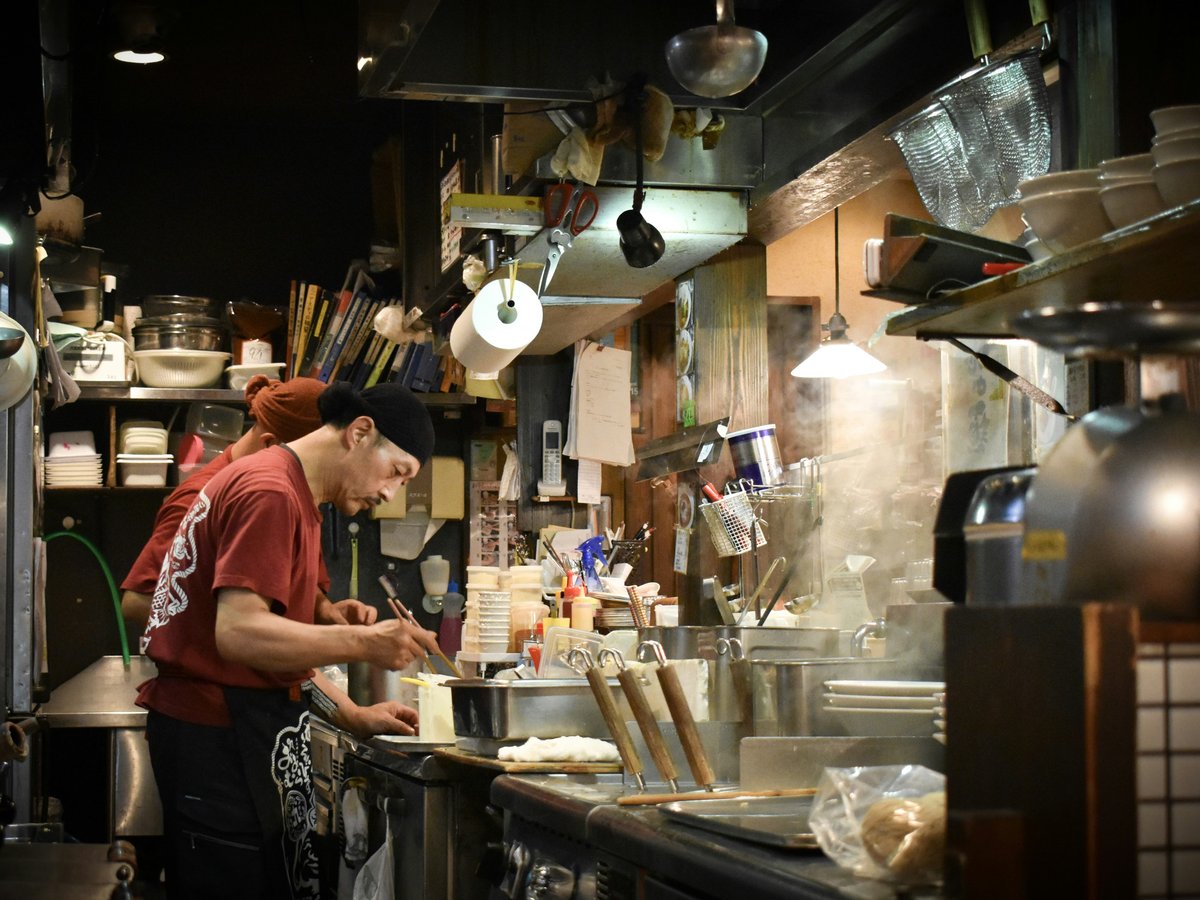
Nagoya eats with its own accent. The city is a working port and a manufacturing capital, and the restaurants that survive here have to feed people who care more about the food on the counter than the story on the wall. This list is twelve rooms in that spirit, drawn from the wards around Sakae, Higashisakura, Meieki and Noritake, and gathered from what OpenStreetMap and each venue's own site will vouch for. Expect Nagoya specialities alongside the imports the city has made its own: a miso-tinted noodle house in Sakae, a yakitori counter that only lights the charcoal after 17:00, Neapolitan pizza turned out until 22:30, a French room inside a ceramics campus that closes when lunch ends. Some are chains with a Nagoya address that earns the slot; others are single counters that would not survive anywhere else. The through-line is the same. Every claim below traces to a fact you can check, and every recommendation is for a visitor with one meal to spend, not twelve.
See the picks →
Browse by traveler type
- For foodies
Nagoya for foodies
- For families with kids
Nagoya for families
- For digital nomads
Nagoya for digital nomads
- For solo travelers
Nagoya for solo travelers
- For couples
Nagoya for couples
- For budget travelers
Nagoya on a budget
- For luxury travelers
Nagoya for luxury travelers
- For first-timers
Nagoya for first-time visitors
Book experiences in Nagoya
 Free cancellation
 Ghibli Park 1-Day Bus Tour from Nagoya
Day trip: 8.5 hours, free cancellation.
via Viator![Hiking the Historic Nakasendo Trail [1 Day Tour from Nagoya]](https://media-cdn.tripadvisor.com/media/attractions-splice-spp-400x400/r/33/cf/7f/d6/caption.jpg) Free cancellation
Free cancellation Hiking the Historic Nakasendo Trail [1 Day Tour from Nagoya]
Day trip: 8 hours, free cancellation.
via Viator Free cancellation
 Nagoya Highlight Tour guided by a friendly local
Day trip: 6 hours, free cancellation.
via Viator Free cancellation
 Nagoya Full-day Private Custom Tour with National Licensed Guide
Day trip: 6 hours, free cancellation.
via Viator Free cancellation
 Ise Grand Shrine, Meoto Iwa & Mikimoto Pearl Island - From Nagoya
Day trip: 9 hours, free cancellation.
via ViatorBrowse by interest
Last verified by automated review (v1.7.2) on . What is automated review?