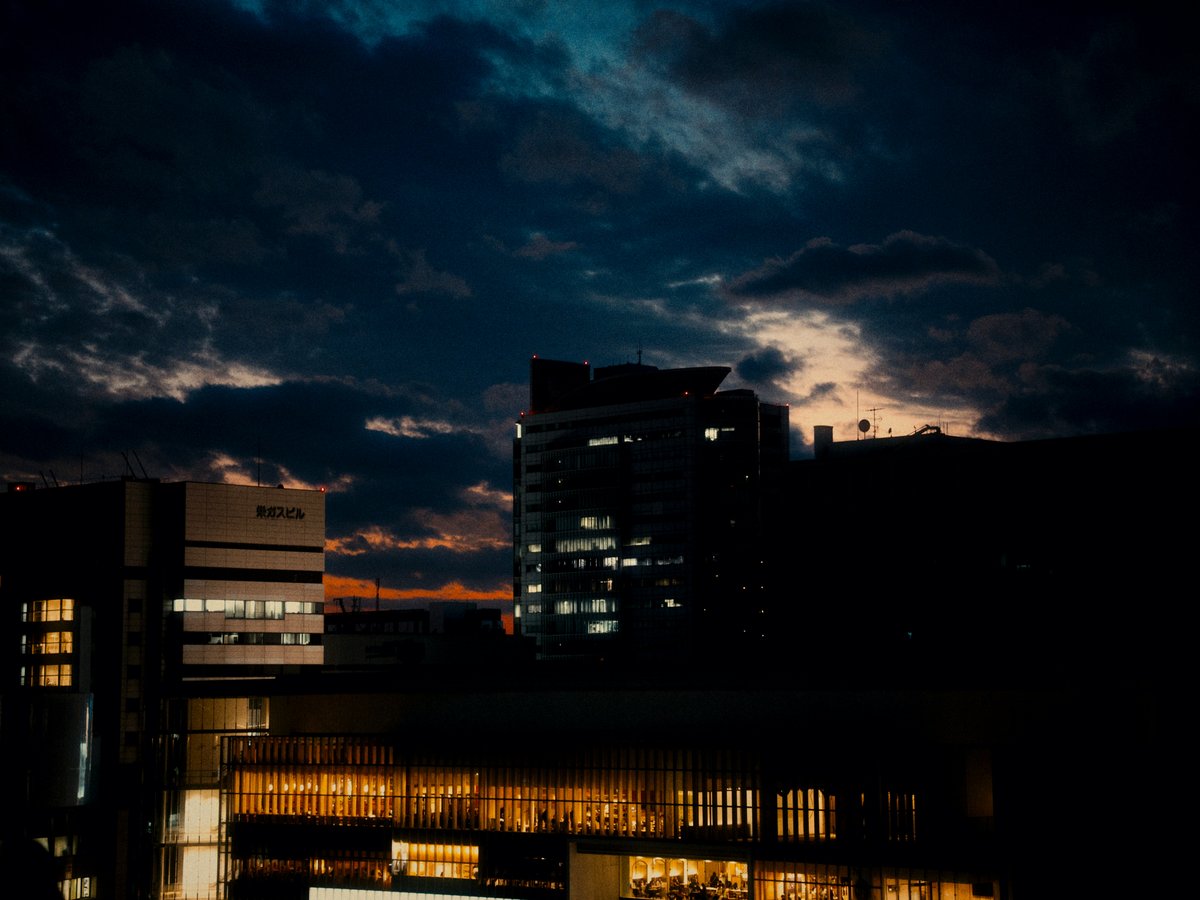
Nagoya for families
Here's Nagoya through the lens of families with kids: the canonical questions worth asking before you book a flight, the curated lists worth opening when you want a shortcut to local expertise, and the live right-now data below ready to inform your next decision about when, where, and how to spend your time on the ground.
Nagoya for families with kids, in numbers
- Picks on this page
- 36 places across 3 lists, led by Nagoya TV Tower, Aichi Prefectural Art Theater, Higashiyama Sky Tower
Questions families with kids ask about Nagoya
-
Is it safe?
Nagoya scores 8.5 out of 10 for solo-traveler safety (see the TTDI Solo-Safety Index). Violent crime against visitors is near zero. The risks that matter are natural, not criminal. Tokai region earthquakes and September typhoons top the list. Trains run until midnight, convenience stores stay open 24 hours, and Sakae feels walkable alone past 1am. Police at 110, ambulance at 119.
Read the full answer → -
What to pack
Slip-on walking shoes top the list. Nagoya's temples and traditional restaurants require constant shoe removal, and fumbling with laces at each entrance gets old by the third stop. Pack 2-3 quick-dry layers for late-September humidity, a packable rain jacket for typhoon-season downpours, and a 10,000mAh portable charger. Skip the umbrella and toiletries. Buy both for less in Nagoya.
Read the full answer → -
Getting around
Nagoya's subway covers every major destination a visitor needs, with 6 lines running from Nagoya Station. Buy a Manaca IC card (500-yen deposit) from any station machine and load 2,000-3,000 yen for three days of riding. The Higashiyama Line handles most tourist trips. Taxis fill late-night gaps when trains stop around midnight.
Read the full answer → -
Best time to visit
October and November are the best months for Nagoya. Humidity drops below 60% and daytime temperatures sit in the high teens to low twenties Celsius. Late March through mid-April is the runner-up, when cherry blossoms open across the city, though hotel rates rise 25-40% around hanami week. Avoid July and August, when the basin traps heat above 35°C.
Read the full answer → -
Cost per day
Budget travelers spend about ¥7,500 ($50) per day in Nagoya on a hostel dorm, konbini meals, and the subway. Midrange lands at ¥17,000 ($110) with a business hotel and sit-down Nagoya meshi like miso katsu or kishimen. Luxury runs ¥44,000+ ($280+). Nagoya prices fall below Tokyo and Osaka at every tier, with hearty miso-based dishes keeping the food line low.
Read the full answer →
Curated for families with kids
-
Must-see attractions
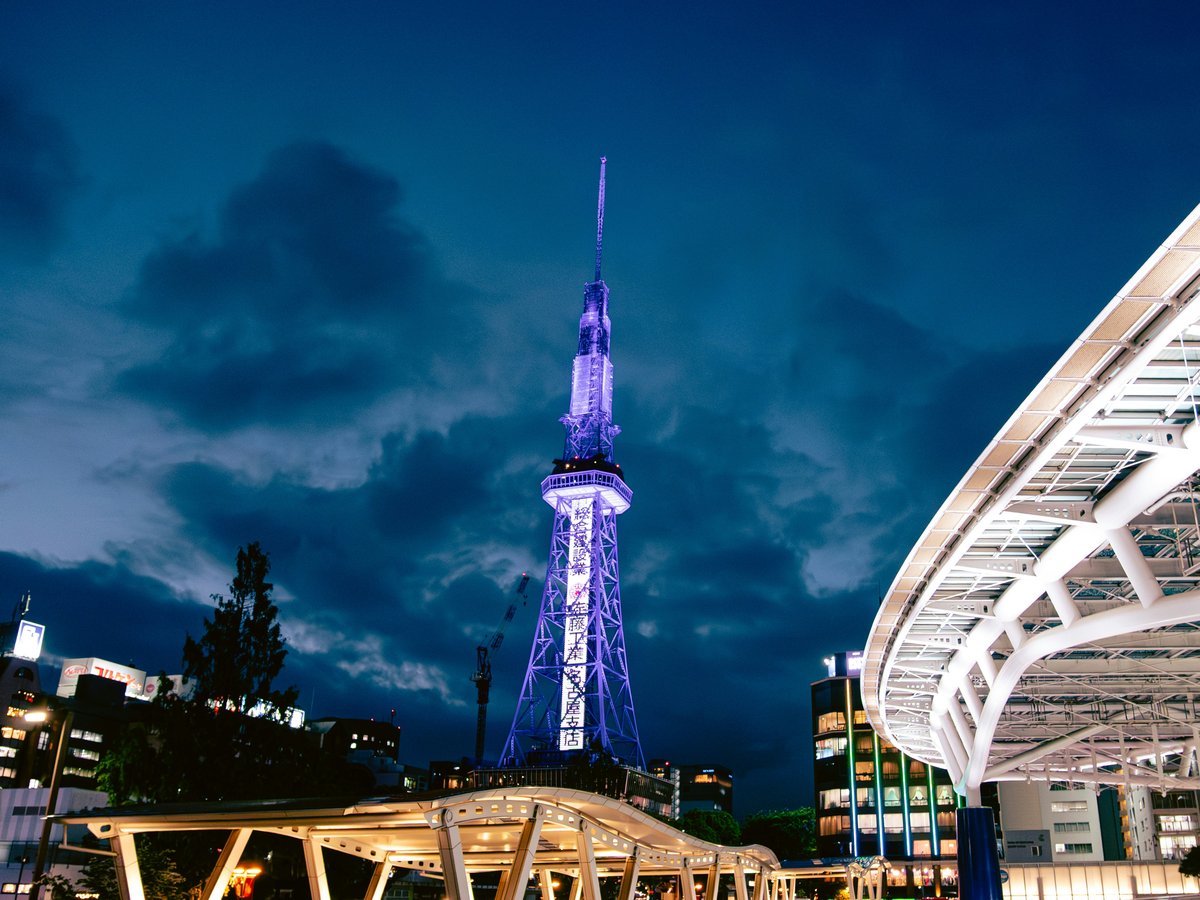
Nagoya rewards a visitor who plans the day around towers, theatres and a working castle rather than a single postcard. The roster here is unusual: a broadcast tower in the middle of a shopping district, a Roman Catholic cathedral a few blocks from a Noh stage, an observation deck grafted onto a zoo, and a burial mound on the edge of Inuyama that predates almost everything else on the map. The city stretches the definition of a landmark, and the twelve entries below take that at face value. Nine sit inside Nagoya proper, three ride the commuter rail out to Kiyosu, Nagakute and Inuyama, and together they cover the periods a first-time visitor most wants to see: kofun, castle, cathedral, twentieth-century broadcast, Expo-era park. This list is for the traveller who would rather walk a real address than a curated route, and who reads a Wikidata coordinate as a promise that the place is exactly where the map says it is.
See the picks → -
Best free attractions
Nagoya's free hours belong almost entirely to its parks and gardens, a civic inheritance that reads differently from the neon geography most visitors arrive expecting. The city's centre, its riverbanks in Naka-ku, and its outlying wards in Shōwa-ku and Tsushima together offer more free ground per hour than the tourist map admits, and the list below rewards the traveller willing to walk between them rather than photograph one and leave. These are twelve places that cost nothing to enter and reward attention rather than a ticket: a covered plaza above a subway junction, a strolling garden the Tokugawa family kept in shape, a park that spills orchids in one corner and cherry canopy in another. Some are five minutes from Sakae station, some are a train ride out toward Aichi Prefecture. Read the list as a walking argument for the city's ordinary public life, and treat each address as an invitation to spend an unpaid afternoon well.
See the picks → -
Best museums
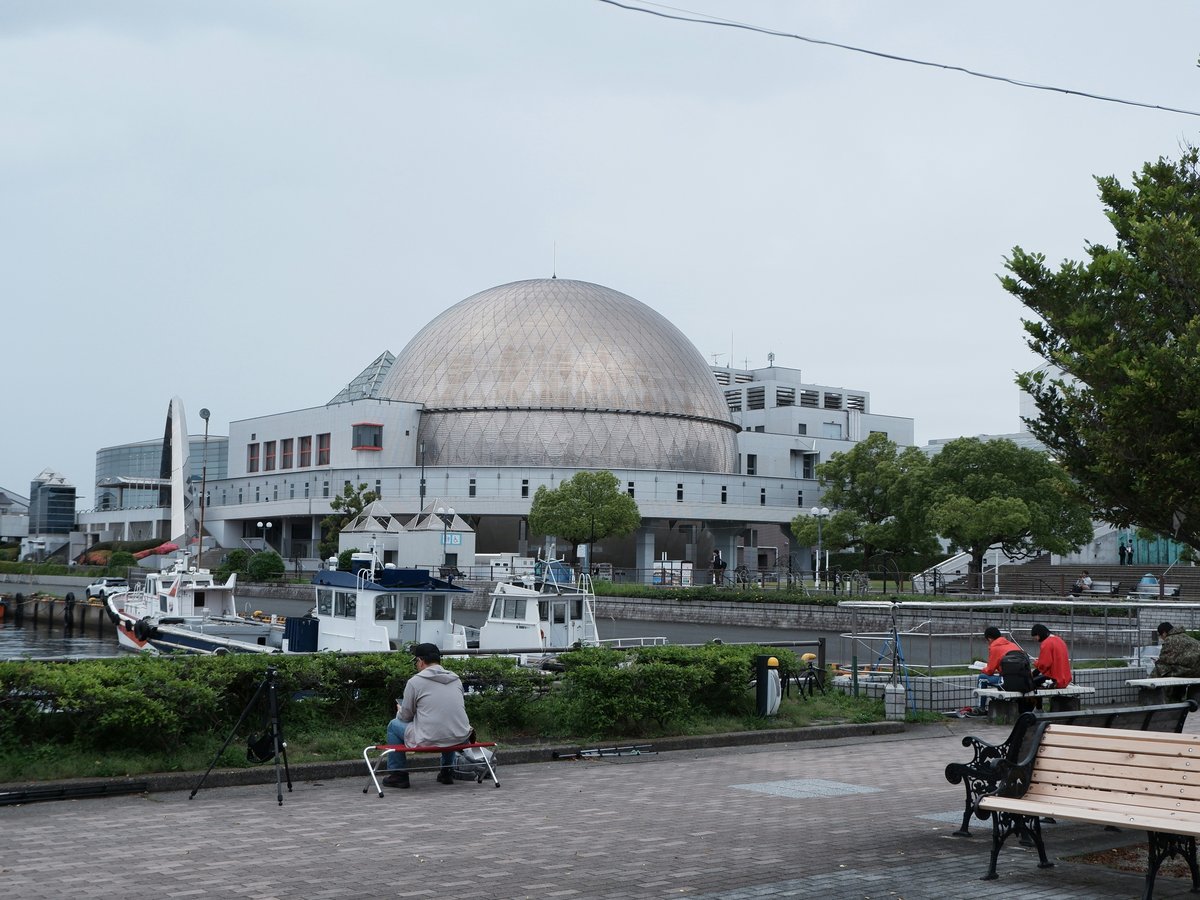
Nagoya's museums are not a single circuit; they are twelve arguments about what this region has cared about, scattered across Aichi from the Tokugawa quarter in Higashi to the kilns of Seto and the reclaimed piers of Kinjo. The city holds a founding archive of the Tokugawa house, a civic collection near Sakae, a bank-lobby cabinet of currency and ukiyo-e prints, a prefectural art museum in the Higashisakura cultural block, and a set of smaller houses in Showa, Mizuho, Kiyosu and Komaki that quietly do the specific work generalist museums cannot. It also holds two of the most technically ambitious museums in central Japan: a science hall in Sakae and a railway park at the port. The list below is for the visitor who wants to spend three days in Aichi and leave understanding why Nagoya kept the things it kept, from a warlord's tea caddy to a shinkansen nose cone to a Seto glaze. Read it as a route, not a ranking.
See the picks →