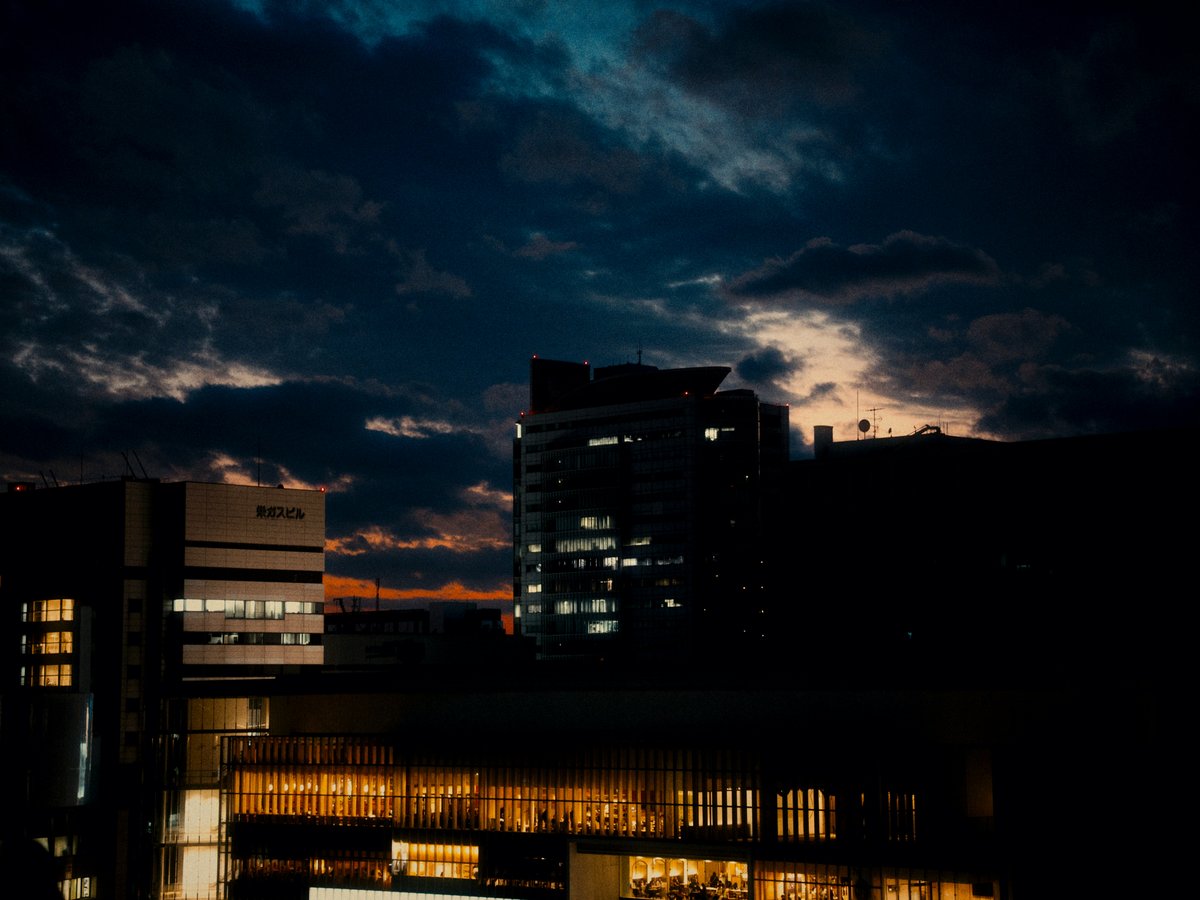
Nagoya on a budget
Nagoya has 35 budget-tier hotels in the Trip.com pool from US$9 a night. The 2 lists picked for budget travelers in Nagoya carry 22 places. 《2025 RENEWAL OPEN》Anshin Oyado Nagoya Man / Woman Sakae Station, Henn na Hotel Premier Nagoya Fushimiekimae and Nagoya Crown Hotel lead the picks.
Nagoya for budget travelers, in numbers
- Picks on this page
- 22 places across 2 lists, led by 《2025 RENEWAL OPEN》Anshin Oyado Nagoya Man / Woman Sakae Station, Henn na Hotel Premier Nagoya Fushimiekimae, Nagoya Crown Hotel
- budget-tier hotels
- 35 in the Trip.com poolfrom US$9 a night
Questions budget travelers ask about Nagoya
-
Cost per day
Budget travelers spend about ¥7,500 ($50) per day in Nagoya on a hostel dorm, konbini meals, and the subway. Midrange lands at ¥17,000 ($110) with a business hotel and sit-down Nagoya meshi like miso katsu or kishimen. Luxury runs ¥44,000+ ($280+). Nagoya prices fall below Tokyo and Osaka at every tier, with hearty miso-based dishes keeping the food line low.
Read the full answer → -
What to avoid
Skip Nagoya Castle's main tower (closed for wooden reconstruction with no reopening date set), Legoland Japan Resort unless traveling with children under 12, and the touts near Nishiki 3-chome in Sakae who steer solo visitors toward ¥5,000-plus cover-charge bars. Summer humidity from June through September pushes the heat index above 35°C most afternoons.
Read the full answer → -
Getting around
Nagoya's subway covers every major destination a visitor needs, with 6 lines running from Nagoya Station. Buy a Manaca IC card (500-yen deposit) from any station machine and load 2,000-3,000 yen for three days of riding. The Higashiyama Line handles most tourist trips. Taxis fill late-night gaps when trains stop around midnight.
Read the full answer → -
Airport to city
Take the Meitetsu μ-SKY limited express from Chubu Centrair (NGO) to Meitetsu Nagoya Station. The ride costs 1,250 JPY (about $8), takes 28 minutes, and runs roughly every 30 minutes from 7:00am to 9:30pm. After the last train, a taxi runs 14,000 to 18,000 JPY ($89 to $115). The regular Meitetsu limited express saves 360 JPY if you skip the reserved seat.
Read the full answer → -
Food culture
Nagoya runs on hatcho miso, a dark soybean paste from nearby Okazaki that stains nearly every local specialty. The city's term 'Nagoya meshi' covers miso katsu, hitsumabushi eel, tebasaki chicken wings, and ankake spaghetti. Morning coffee at kissaten comes with free toast and eggs, a local tradition since the 1950s.
Read the full answer →
Curated for budget travelers
-
Best hostels
Nagoya spreads its hostel inventory along a corridor that follows the Higashiyama subway line from Nagoya Station east through Sakae, with the Meijo Line circling north past the castle and south through the shopping streets. Most budget beds land between the station district and the Sakae interchange, where nightly rates range from $25 to $77 and the convenience stores never close. The station end is louder, busier, and better connected to the Shinkansen; Sakae is the nightlife and department-store center where foot traffic stays thick past midnight. South of Sakae, the Osu arcade district offers the cheapest dorms and the most character per block. North of both, the Sannomaru quarter near Nagoya Castle trades buzz for quiet at a slight premium. Travelers who want late-night ramen should stay between Meieki and Nishiki; those who want onsen soaks and a slower pace should look toward Sakae 1-chome. Hostel density peaks in the station-to-Sakae corridor and thins toward the castle and the residential south.
See the picks → -
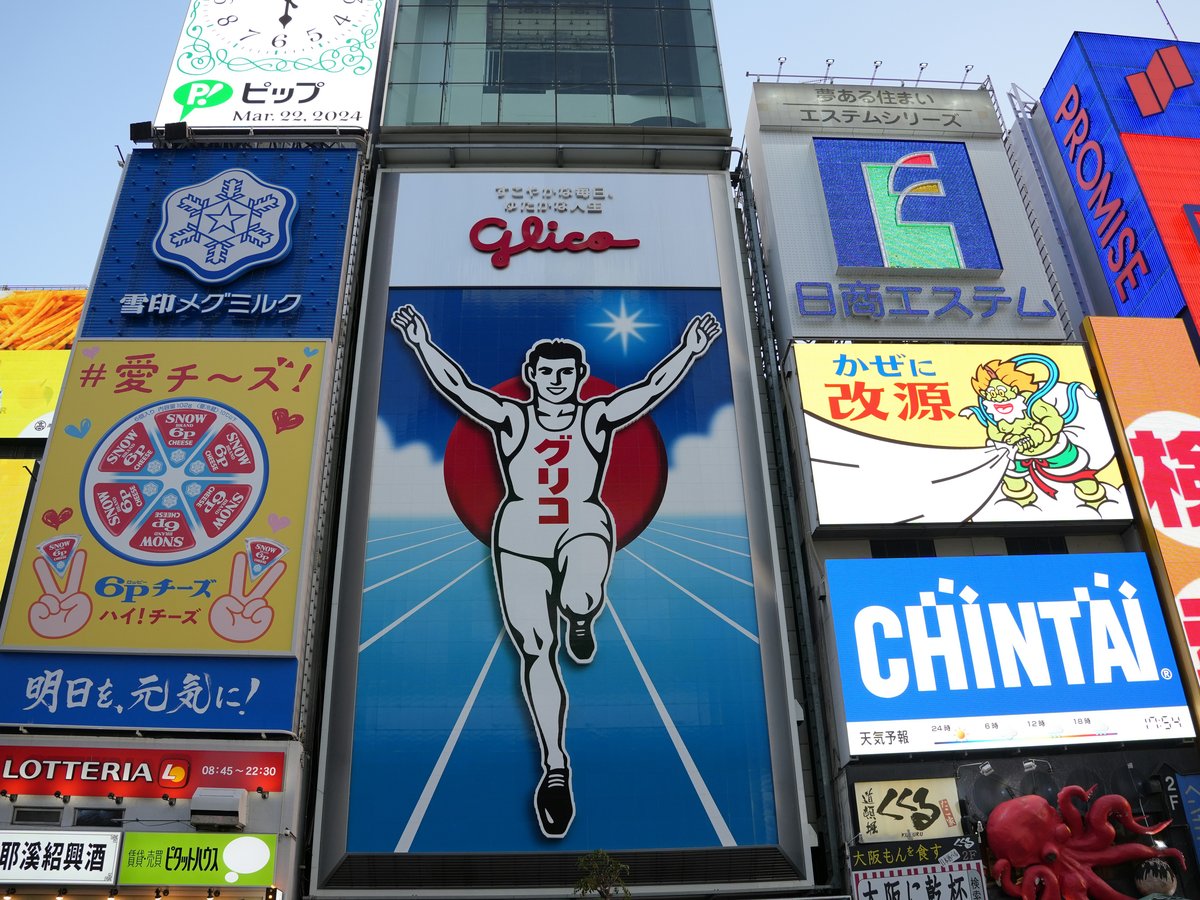
Best free attractions
Nagoya's free hours belong almost entirely to its parks and gardens, a civic inheritance that reads differently from the neon geography most visitors arrive expecting. The city's centre, its riverbanks in Naka-ku, and its outlying wards in Shōwa-ku and Tsushima together offer more free ground per hour than the tourist map admits, and the list below rewards the traveller willing to walk between them rather than photograph one and leave. These are twelve places that cost nothing to enter and reward attention rather than a ticket: a covered plaza above a subway junction, a strolling garden the Tokugawa family kept in shape, a park that spills orchids in one corner and cherry canopy in another. Some are five minutes from Sakae station, some are a train ride out toward Aichi Prefecture. Read the list as a walking argument for the city's ordinary public life, and treat each address as an invitation to spend an unpaid afternoon well.
See the picks →