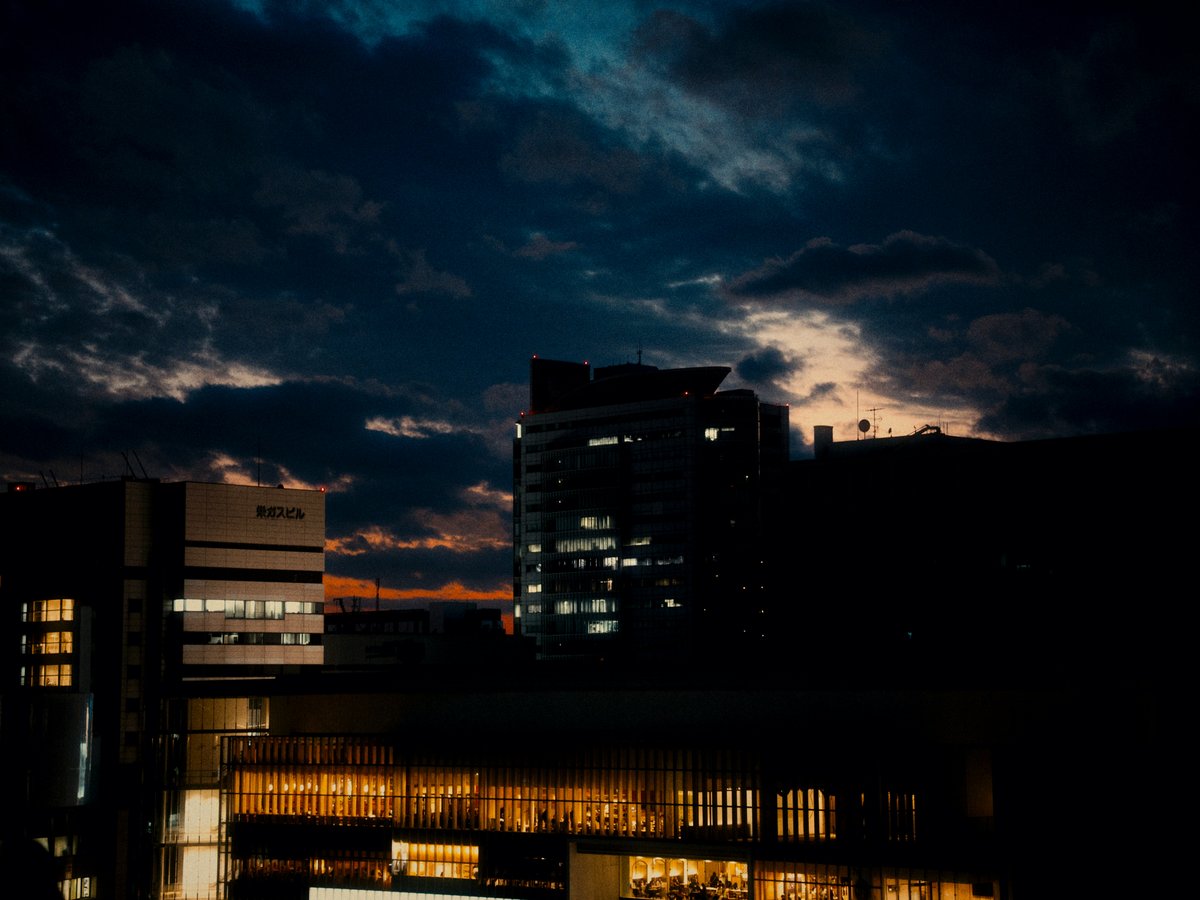
How do I get around Nagoya?
Nagoya's subway covers every major destination a visitor needs, with 6 lines running from Nagoya Station. Buy a Manaca IC card (500-yen deposit) from any station machine and load 2,000-3,000 yen for three days of riding. The Higashiyama Line handles most tourist trips. Taxis fill late-night gaps when trains stop around midnight.
Nagoya's subway runs 6 lines, but visitors need two. The Higashiyama Line cuts east-west from Nagoya Station through Fushimi and Sakae to Higashiyama Zoo. It reaches the Sakae shopping district in under 15 minutes and connects to Nagoya Castle via transfer at Fushimi. The Meijo Line loops around the city center and links Shiyakusho station near the castle to Atsuta Shrine at Jingu-Nishi. Trains run from about 5:30 a.m. to midnight, every 3-5 minutes during the day. The stations are clean, air-conditioned, and signed in English. Worth noting, Nagoya's subway is quieter than Tokyo's or Osaka's. You'll hear the recorded arrival chimes over near-silence in the carriage, and finding a seat at 10 a.m. on a weekday is normal.
Buy a Manaca IC card from any subway ticket machine for a 500-yen deposit, about $3.20 at the current rate of 157 yen to the dollar. Load 3,000 yen and you likely won't need to top up for three full days of sightseeing. The card scans on every subway, city bus, Aonami Line train, and Meitetsu railway. Base subway fare starts at 210 yen. If you're staying over a weekend, the Donichi Eco Kippu pass at 620 yen covers unlimited subway and bus rides on Saturdays, Sundays, and national holidays. The weekday One-Day Subway Pass costs 760 yen. That said, the IC card tends to be the better bet unless you plan 4 or more trips in a single day.
Taxis in Nagoya are metered and honest. Flagfall sits at 500 yen for the first 1.2 km, then roughly 80 yen per 400 meters after that. A ride from Nagoya Station to Sakae runs about 1,000-1,200 yen, which feels steep for 2 km. After midnight the subway stops, and taxis become the only real option. Uber exists here but the fleet is thin. Download the GO taxi app before arrival. It shows the fare upfront and removes any language barrier at pickup. You can hail on the street too. The rear left door opens automatically, so don't grab the handle. Every first-time visitor reaches for it, and pulling it might damage the mechanism.
Central Nagoya is walkable in patches but not continuously. The underground shopping corridors beneath Nagoya Station and Sakae stretch over a kilometer, air-conditioned and welcome in late September when the temperature still hovers around 26°C with 72% humidity. You'll feel the warm, thick air hit your face the moment you step outside from those cool tunnels. The walk from Sakae to Osu Kannon takes about 20 minutes through the Osu shopping arcade, where the smell of fresh taiyaki and the clatter of pachinko parlors spill onto the sidewalk. Nagoya Castle sits 15 minutes on foot north of Fushimi station, but the route crosses wide, car-first boulevards with long signal waits. The city was rebuilt on a grid after 1945, and those wide roads prioritize drivers over pedestrians.
The Aonami Line runs from Nagoya Station southwest to Kinjofuto, where Legoland Japan Resort sits at the terminus. The ride takes 24 minutes and costs 360 yen. City buses fill gaps the subway doesn't reach, but for most visitors the subway handles everything. Route signage on buses is in Japanese only, which makes them hard to navigate without Google Maps or Navitime running in real time. Navitime tends to be more accurate for Nagoya's local bus schedules. An eSIM loaded before departure solves this. The Meitetsu bus terminal at Nagoya Station also runs highway coaches to Takayama (about 2.5 hours, 3,100 yen) and Shirakawa-go, both strong day-trip options from Nagoya.
On-the-ground: metro available · ride-hail apps work.
Primary modes of transit
- Subway (Higashiyama Line, Meijo Line)
- Taxi / GO app
- Walking
- City bus
- Aonami Line
More transport questions
How do I get from the airport to Nagoya?
Take the Meitetsu μ-SKY limited express from Chubu Centrair (NGO) to Meitetsu Nagoya Station. The ride costs 1,250 JPY (about $8), takes 28 minutes, and runs roughly every 30 minutes from 7:00am to 9:30pm. After the last train, a taxi runs 14,000 to 18,000 JPY ($89 to $115). The regular Meitetsu limited express saves 360 JPY if you skip the reserved seat.
Full answerHow do I get to Nagoya?
Chubu Centrair International Airport (NGO) sits 35 km south of central Nagoya on an artificial island in Ise Bay. Direct flights connect from Seoul, Taipei, Bangkok, Shanghai, and Helsinki. From North America, one-stop routing through Tokyo Narita or Osaka Kansai is standard. The Tokaido Shinkansen from Tokyo takes 1 hour 40 minutes, making rail a strong alternative to domestic flights.
Full answerWhat are the best day trips from Nagoya?
Inuyama Castle, 25 km north on the Meitetsu line (30 minutes, ¥570), is the strongest single-day pick from Nagoya. Its keep dates to 1537, one of only 12 originals in Japan, and it overlooks the Kiso River. The castle town below has Edo-period shops and miso-glazed dengaku. Ise Grand Shrine (1h20 by Kintetsu) and Takayama (2h10 by JR) both work as longer full-day trips.
Full answerLast verified by automated review (v1.7.2) on . What is automated review?