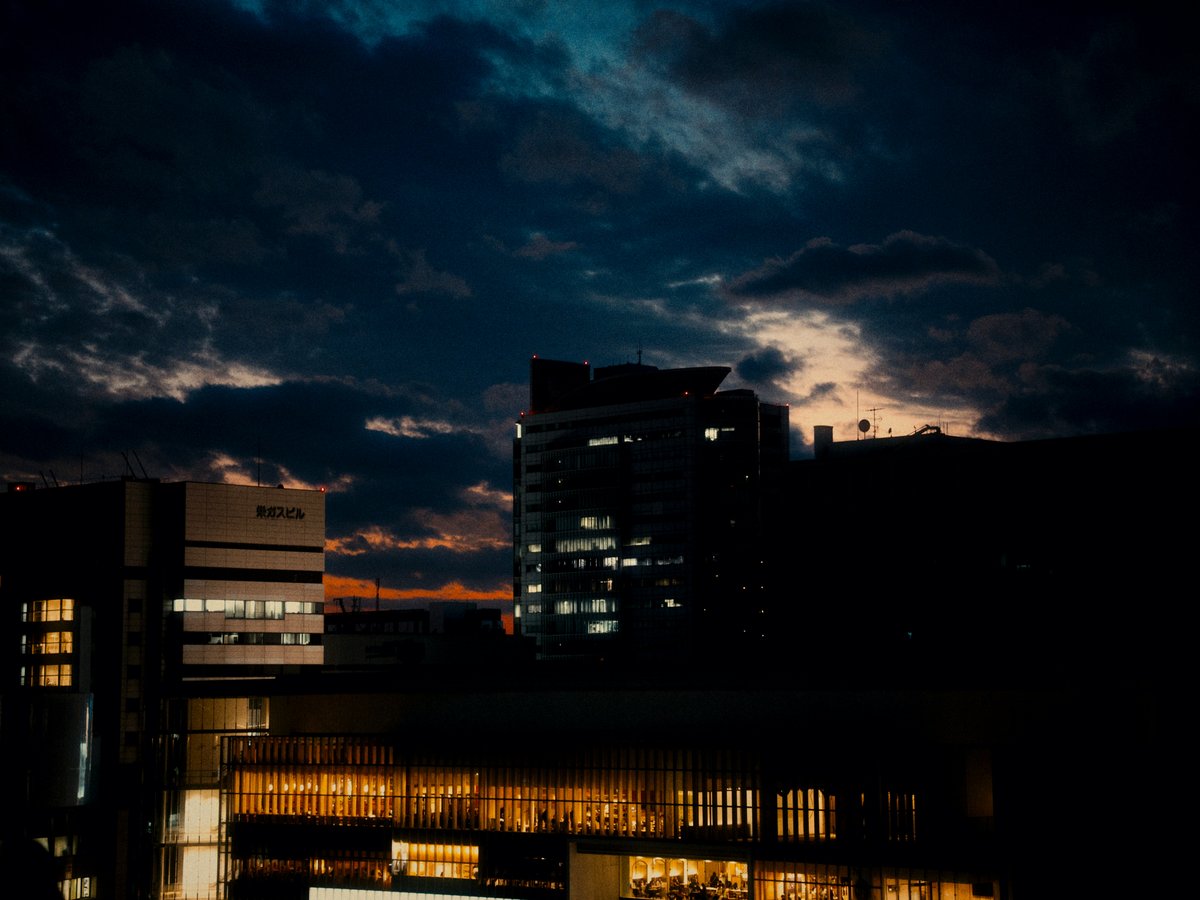
Nagoya rewards a visitor who plans the day around towers, theatres and a working castle rather than a single postcard. The roster here is unusual: a broadcast tower in the middle of a shopping district, a Roman Catholic cathedral a few blocks from a Noh stage, an observation deck grafted onto a zoo, and a burial mound on the edge of Inuyama that predates almost everything else on the map. The city stretches the definition of a landmark, and the twelve entries below take that at face value. Nine sit inside Nagoya proper, three ride the commuter rail out to Kiyosu, Nagakute and Inuyama, and together they cover the periods a first-time visitor most wants to see: kofun, castle, cathedral, twentieth-century broadcast, Expo-era park. This list is for the traveller who would rather walk a real address than a curated route, and who reads a Wikidata coordinate as a promise that the place is exactly where the map says it is.
-
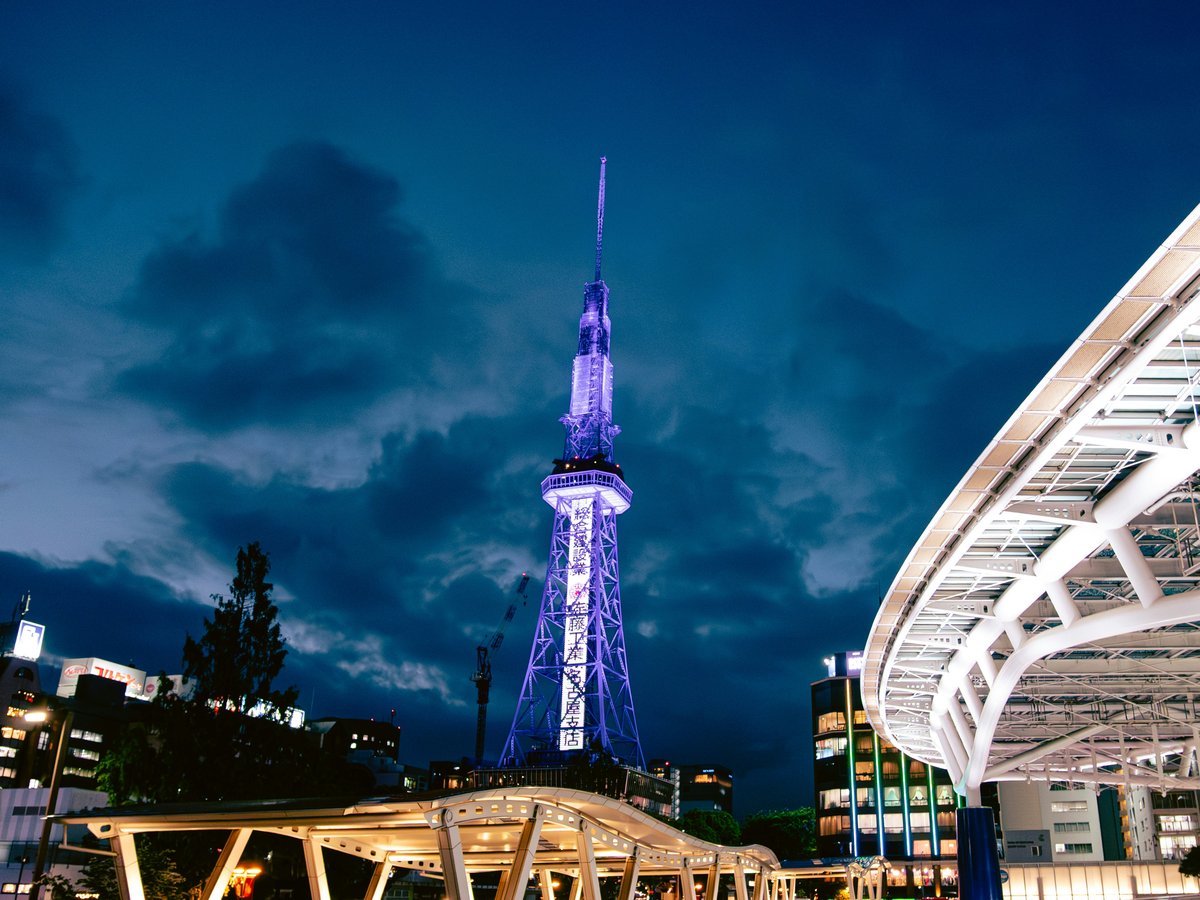
1 Nagoya TV Tower
愛知県名古屋市中区錦三丁目6-15号先The Sakae skyline seen from the city's original broadcast mast
At 35.1724, 136.9084 the Nagoya TV Tower rises through the Sakae grid at 錦三丁目6-15号先, the anchor most visitors orient the rest of the day around. Skip the taller, newer observation decks that ring the station: this is the mast Nagoya grew up looking at, and the tower still runs its own booking and event calendar at nagoya-tv-tower.co.jp. The Wikidata record files it as a television tower in Japan: a working broadcast structure the city chose to keep as a viewpoint rather than a museum piece. Come at dusk, when the surrounding blocks light up first and the tower reads as a silhouette against them. The entity is catalogued as Q283373 for anyone verifying the address before they go.
-
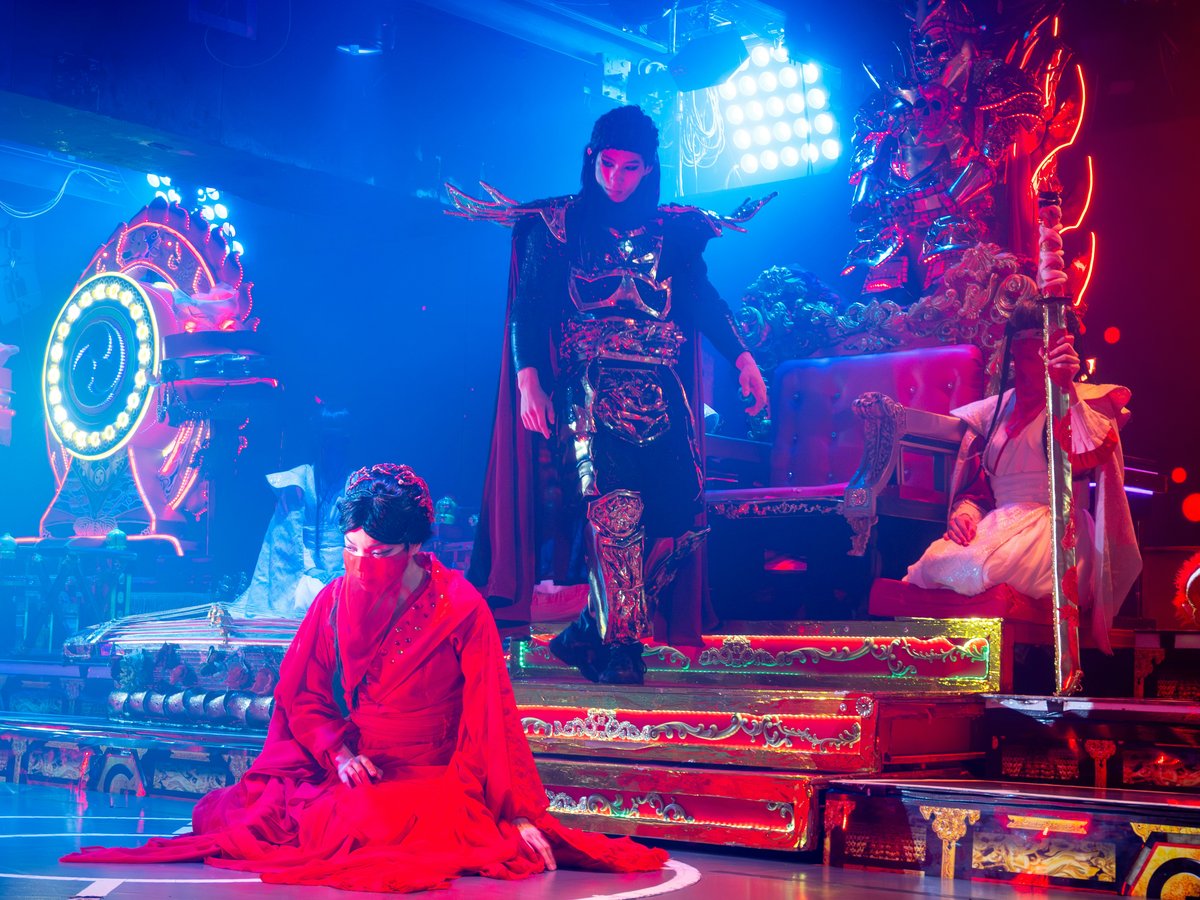
2 Aichi Prefectural Art Theater
名古屋市東区東桜一丁目13番2号The prefecture's flagship stage for opera, ballet and orchestral work
The lobby wakes up in the late afternoon at 東桜一丁目13番2号, when the Aichi Prefectural Art Theater turns over from rehearsal to house-open. Pull the programme from www-stage.aac.pref.aichi.jp and plan a night here around the calendar rather than the room: the honest way to judge a theatre in Nagoya City, Aichi, Japan. Don't bother with a walk-up: the serious productions sell down early, and the concert hall and the smaller drama space run on separate clocks. Coordinates 35.1709, 136.9114 put it a short walk from the Sakae blocks, close enough that dinner before the curtain is a real option. The Wikidata anchor is Q11256826, which matches the address you will arrive at.
-
3 Higashiyama Sky Tower
愛知県名古屋市千種区田代町字瓶杁1-8An observation tower planted inside a working zoo and botanical garden
Light spills across the Higashiyama plateau at 35.1567, 136.9788, where the Sky Tower stands over 田代町字瓶杁1-8 on the eastern edge of the city. Locals head here for the view rather than the ride: an observation building in Nagoya, Aichi Prefecture, Japan that catches the low western light back over the ward's rooftops. Check current hours and any joint-ticket detail at higashiyamaskytower.jp before you go, because the tower and the zoo grounds run on separate schedules and it is easy to arrive after last entry. Wikidata catalogues it as Q5754149, the identifier to keep handy if you are cross-checking the location on a Japanese map.
-
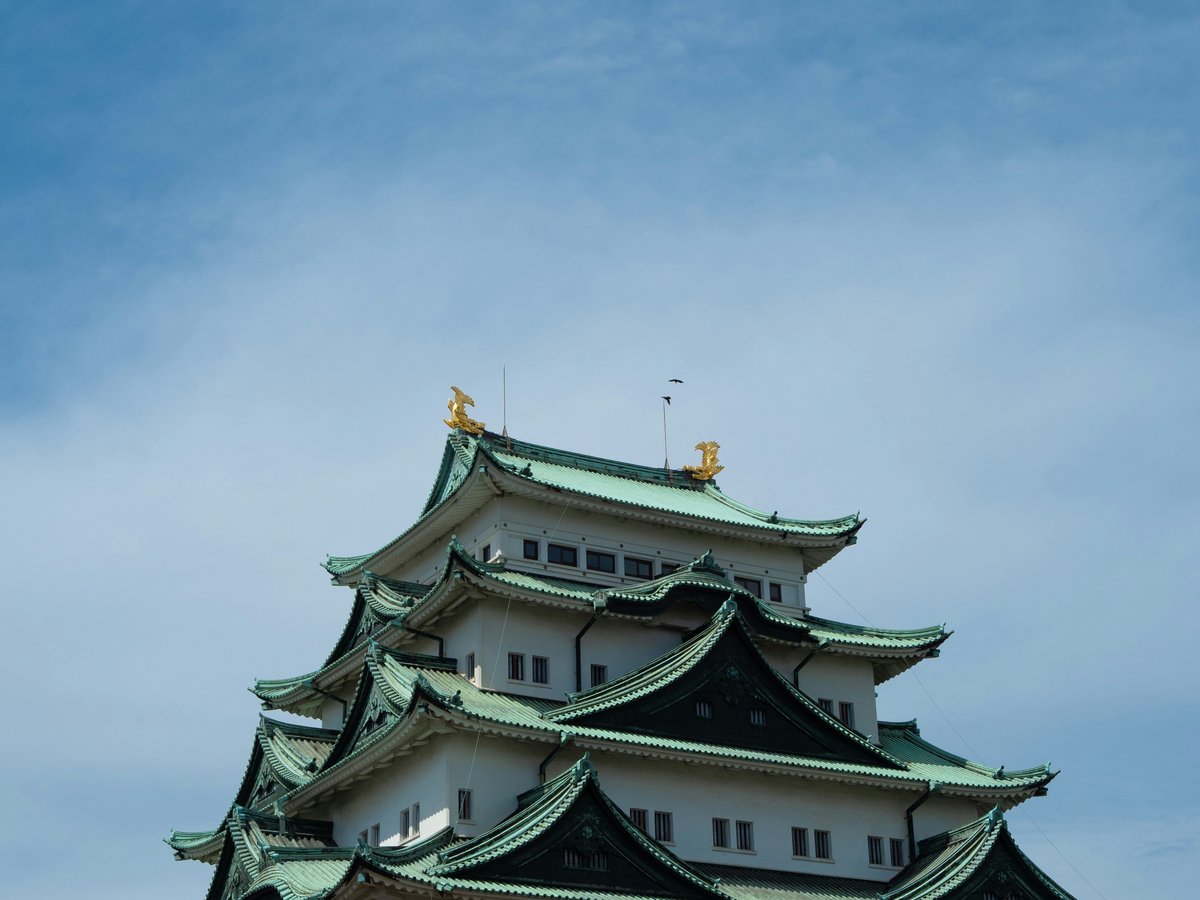
4 Nagoya Castle
35.1856, 136.8986The reconstructed Owari seat, still the city's defining silhouette
Built and rebuilt as a Japanese castle located in Nagoya, central Japan, the keep at 35.1856, 136.8986 is the one landmark every itinerary comes back to. Skip the rushed sixty-minute loop that tour buses drop and reload: the honnaru palace rewards a slow read, room by room, and the grounds are wide enough that a second pass at a quieter hour is a different building. The Wikidata entity Q648629 pins the site precisely, which matters here, because the address on street maps often points at a gate rather than the keep itself. Come early on a weekday, walk the outer moat first, and treat the interior as the reward rather than the opening. It is a reconstruction, and it earns its place anyway.
-
5 Nunoike Church
35.1728, 136.9239The Roman Catholic cathedral of the Nagoya diocese
Bells echo down the block at 35.1728, 136.9239, where Nunoike Church stands as the Roman Catholic cathedral in Japan that serves the local diocese. The parish keeps its own calendar of masses and cultural events at nunoike-nagoya-diocese.org: the only reliable way to know what is open on a given afternoon: the building is a working cathedral first, a visit second. Don't bother turning up during a service expecting a tour; step inside between them, sit at the back, and give the nave ten quiet minutes. Wikidata files the site as Q7069906, useful if you are pinning it on a map alongside the older civic landmarks. The scale is modest by European standards, and the neighbourhood setting is the reason to make the walk.
-
6 Expo 2005 Aichi Commemorative Park
愛知県長久手市茨ケ廻間乙1533-1The Moricoro park built on the Expo 2005 grounds in Nagakute
Wind rustles the ridge above 35.1769, 137.0886, the coordinates for 茨ケ廻間乙1533-1 where the Expo 2005 site was left to the public as a park. It earns a full day away from the Sakae blocks: check current opening hours and the event schedule at aichi-koen.com/moricoro before you commit, because the pavilions, sports fields and Satsuki-and-Mei house each have their own gate times. Wikidata catalogues the whole area under Q11493428. It sits outside Nagoya proper in Nagakute, which is exactly the point: a long enough ride on the Linimo to feel like a day out, close enough to be back in the city for dinner.
-
7 Nagoya Noh Theater
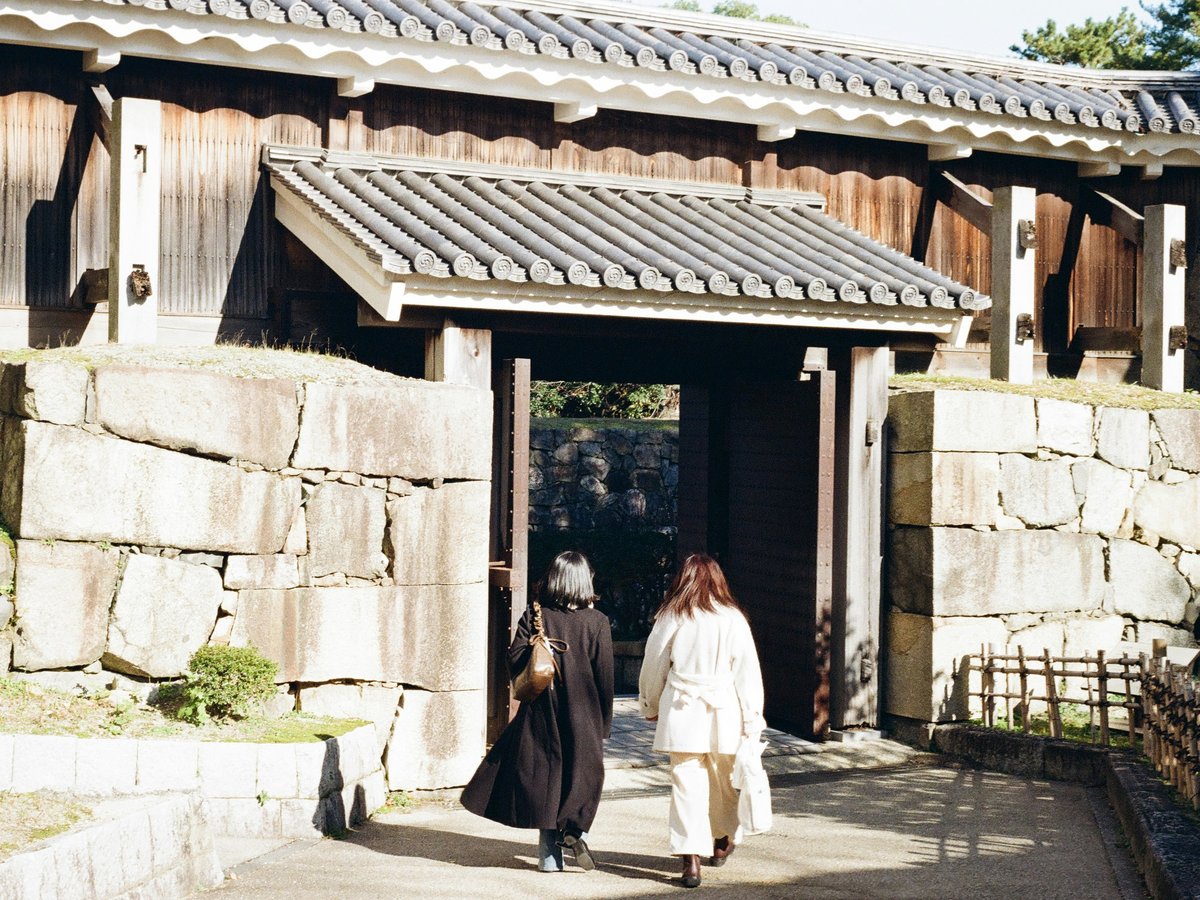
35.1905, 136.9037A dedicated Noh stage a short walk from the castle grounds
Wooden boards creak under the stagehands at 35.1905, 136.9037, the address that puts the Nagoya Noh Theater within easy walking distance of the castle for a same-day pairing. Skip the assumption that Noh is a museum art here: the calendar at bunka758.or.jp/scd24_top.html runs full-length performances alongside lecture-demonstrations, and the shorter formats are the honest place to start if you are new to the form. Wikidata records it as a Noh theatre in Nagoya, Aichi, Japan under Q11415238, which matches what you find on arrival: a purpose-built stage, cypress boards, a bridge that reaches into the audience. Buy the cheaper side seat rather than a distant centre stall; the diagonal view of the shite's entrance is the one you will remember.
-
8 Misono-za
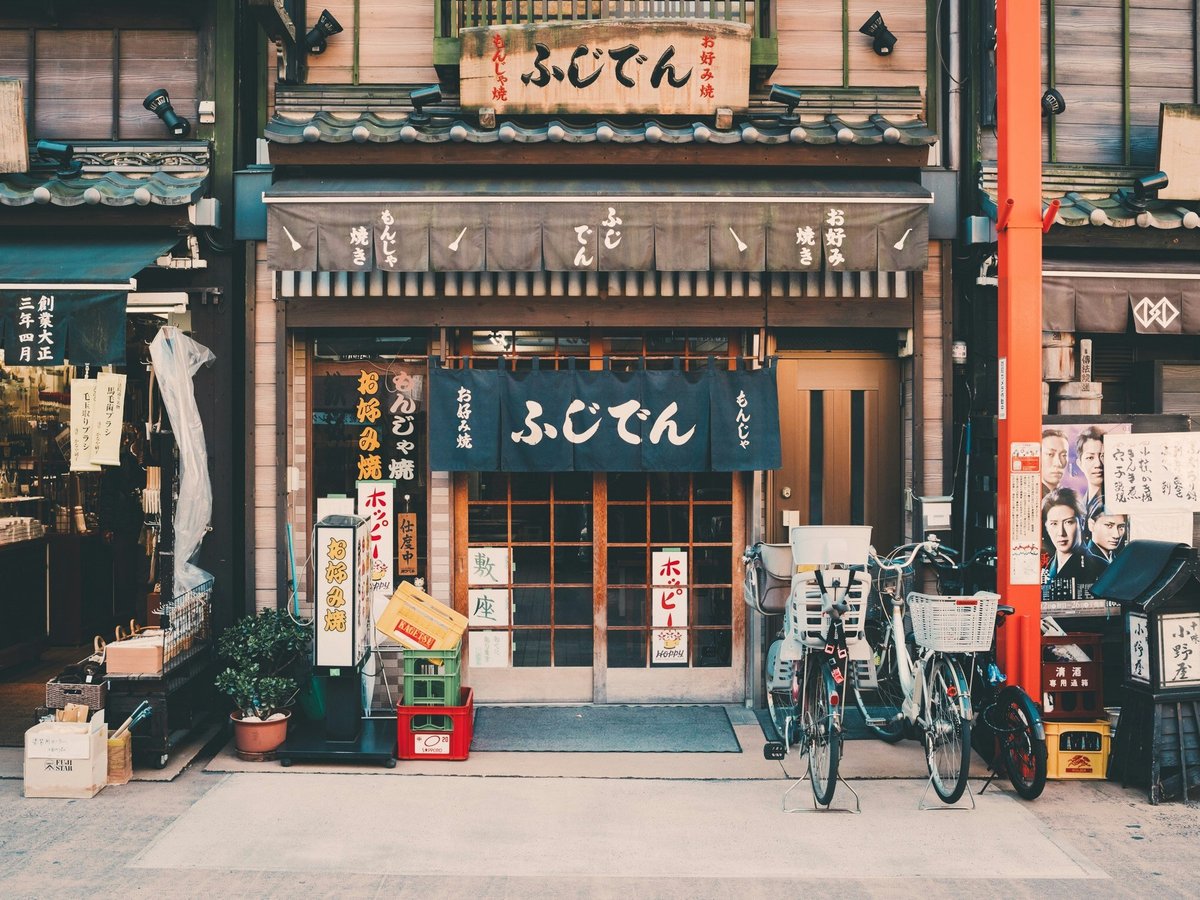
35.1673, 136.8969The historic kabuki and commercial theatre of central Nagoya
House lights fade at 35.1673, 136.8969, where Misono-za still runs the long-form kabuki and popular programming that reads as a theater in Nagoya, Aichi, Japan rather than a museum revival. The seat plan and current run are up at misonoza.co.jp, which is the only place a foreign visitor can reliably compare matinee and evening options; the printed handbill in the lobby moves faster than the site does. Better than the packaged theatre-and-dinner combinations the hotels sell: buy a single seat for a single act, walk out at intermission with the story half-told, and come back the next month. Wikidata files the venue as Q4410400, useful for cross-checking against tourist guides that still print the older address.
-
9 Heiwa Park
35.1703, 136.9794The wide east-side park the city retreats into on weekends
Cherry petals drift across the paths at 35.1703, 136.9794, the location for the park in Nagoya, Aichi, Japan that residents of Chikusa ward treat as their weekend common. Skip the small central squares closer to Sakae if what you want is a real walk: the ward's own page at city.nagoya.jp/chikusa/page/0000000819.html carries the practical detail on facilities, closures and seasonal events that the English guides tend to skip. Wikidata files the site as Q6149037. The elevation opens the sightline back toward the city on a clear afternoon, and the shaded loops on the upper side are quieter than the entrance suggests. Bring lunch, plan two hours minimum, and treat it as the anchor of an eastern-Nagoya day rather than a stopover.
-
10 Kiyosu Castle
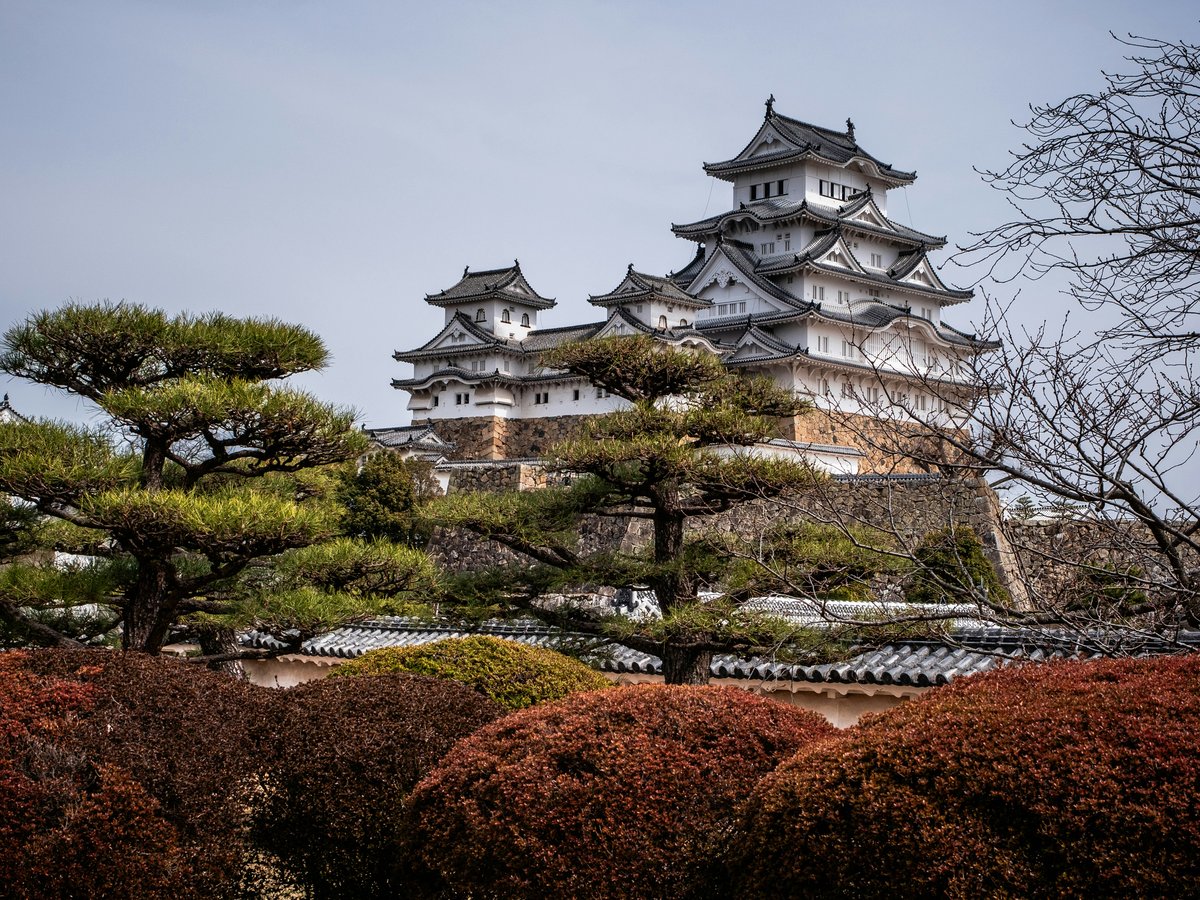
35.2170, 136.8440The Oda stronghold that predated the move to Nagoya Castle
River light glows off the white walls at 35.2170, 136.8440, where Kiyosu Castle stands as a Japanese castle located in Kiyosu, eastern Aichi Prefecture, Japan. Don't compare it to the great keep back in the city: the pleasure here is the ride out, the smaller footprint, and the walk along the Gojo River that connects the modern reconstruction to the historical site. Wikidata files the entity as Q1357421. Come on a weekday afternoon when the school groups have cleared, take the loop bridge slowly, and treat the interior galleries as a primer on the Owari transition from Kiyosu to Nagoya. It is a half-day trip and it earns the half-day, especially if you have already walked the main castle grounds.
-
11 Catholic Chikaramachi Church
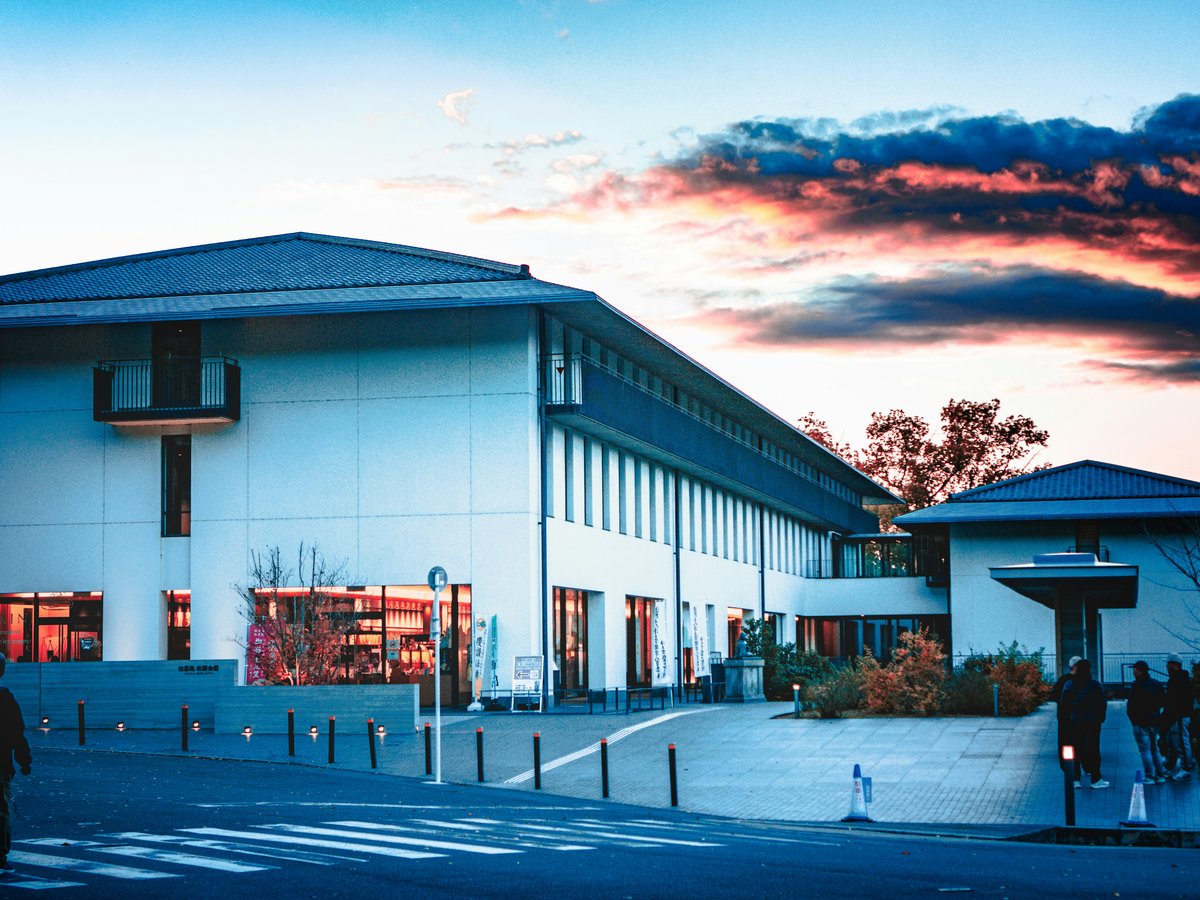
35.1808, 136.9144A working parish church a short walk north of the Sakae grid
Late-afternoon light glows on the plaster at 35.1808, 136.9144, the address for Catholic Chikaramachi Church, filed by Wikidata as a church building in Japan. The parish is sized for the neighbourhood: a quiet local church, not a diocesan cathedral, and it rewards a visitor who wants ten minutes of stillness between the department stores and the castle. Skip the assumption that a European visitor has nothing new to see in a Japanese Catholic church; the building is a local answer to a foreign form, and it reads that way on the inside. Wikidata anchors it as Q5053109, worth having if you are pairing it with Nunoike on the same afternoon and want the two coordinates to plot cleanly.
-
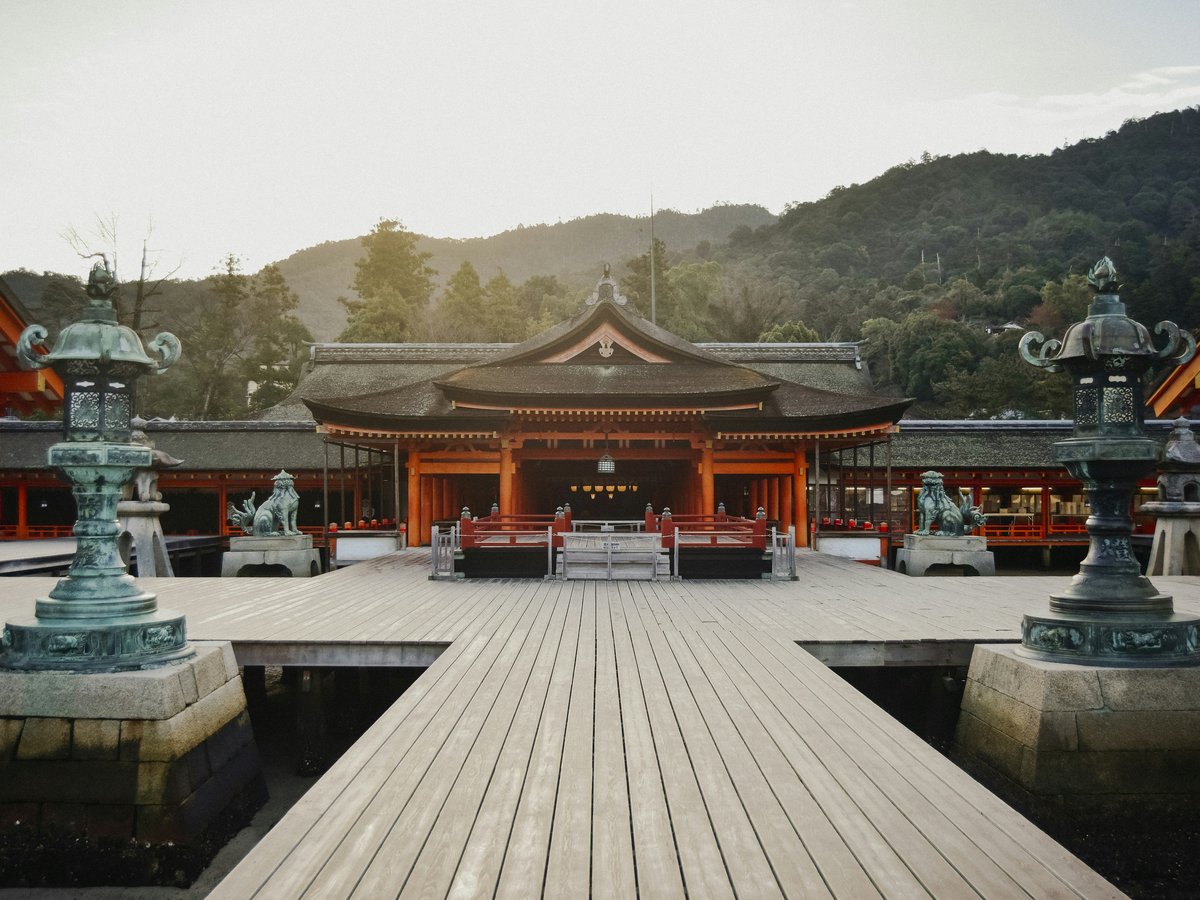
12 Aotsuka Kofun
35.3264, 136.9289A Kofun-period burial mound preserved on the Inuyama edge of the region
Grass rustles on the mound at 35.3264, 136.9289, the coordinates for Aotsuka Kofun, a Kofun period burial mount in Inuyama, Japan. The keeper's site at aotsuka.niwasato.net is the honest source for opening days and any current excavation notes; the tourist boards downtown rarely carry them, and turning up unannounced is a mistake. Skip the temptation to treat this as an add-on to a castle day: the ride out is long enough that the mound deserves its own morning, walked slowly, with the periphery paths taken seriously. Wikidata files it as Q11661131. It is the oldest thing on this list by a wide margin, and it closes the sequence the right way: from a broadcast tower in the modern grid back to a burial that predates the city itself.
Last verified by automated review (v1.7.2_onboard-nagoya-attractions-must-see-2026-09-23) on . What is automated review?