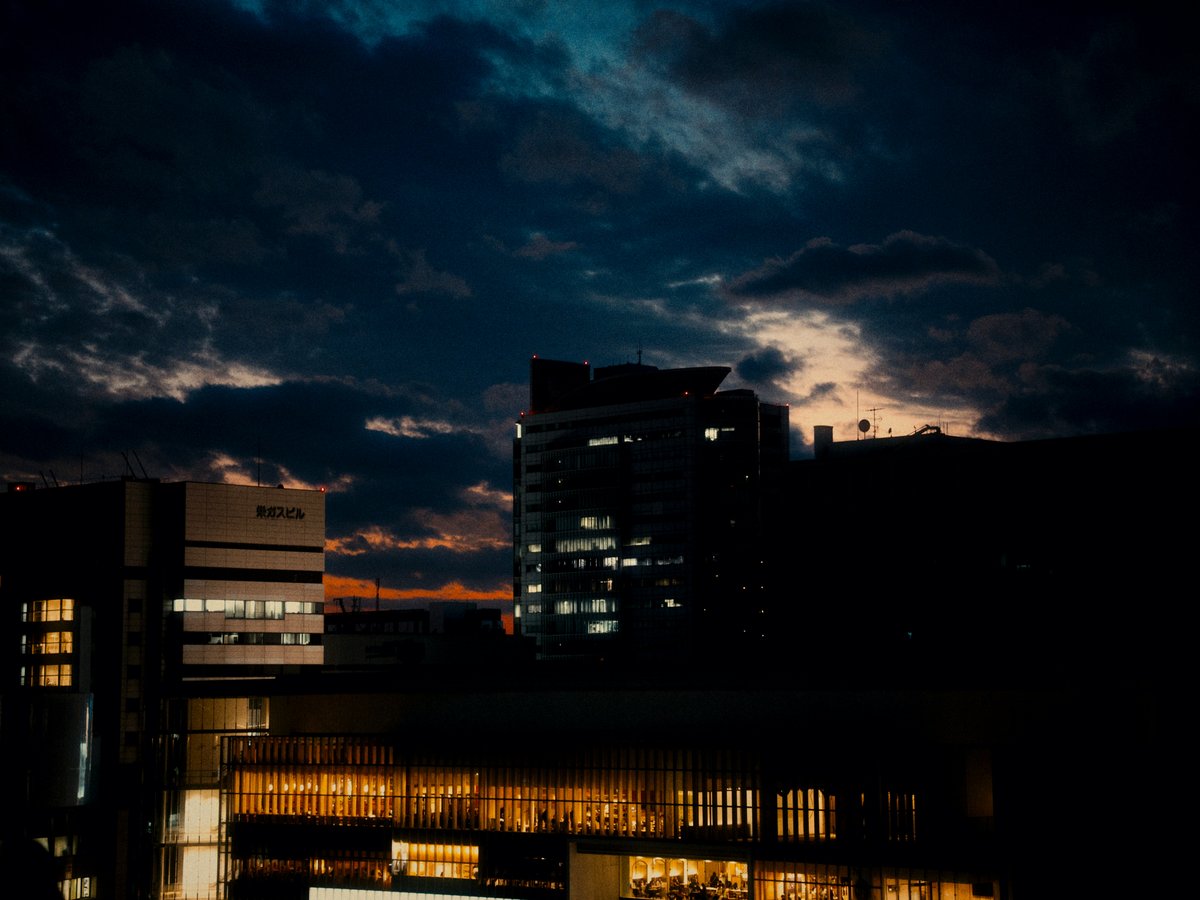
Nagoya, Japan's fourth-largest city with roughly 2.3 million residents, tends to get treated as a Shinkansen transfer between Tokyo and Osaka. Atsuta Jingu, Osu Kannon, and at least 6 public parks charge no admission, which makes that reputation feel unfair. The shrine grounds at Atsuta smell of cypress and damp earth even in summer, and the covered Osu shopping arcades keep you dry when rain arrives. Nagoya scores 8.5 out of 10 for solo-traveler safety (see the TTDI Solo-Safety Index), with 24-hour convenience stores across every ward. The exchange rate currently sits at roughly 158 JPY to 1 USD, and the free itinerary below could fill 3 or 4 full days before you need a single admission ticket.
Free attractions
-
Atsuta Jingu
Atsuta Jingu has stood in Atsuta-ku for nearly 1,900 years according to shrine records. The grounds cover roughly 19 hectares of camphor forest, and gravel paths crunch underfoot on the walk to the main hall. The shrine is believed to house the Kusanagi no Tsurugi, one of three Imperial Regalia of Japan. Bunkaden, the Treasure Hall, charges 500 yen, but the shrine grounds, secondary shrines, and garden require no ticket. The air under the canopy carries a faint resinous scent, cooler than the surrounding streets even in July and August. Mind you, the grounds close at sunset.
Atsuta-kushrine -
Osu Kannon (Kitanosan Shinpuku-ji Hosho-in)
Osu Kannon, formally Kitanosan Shinpuku-ji Hosho-in, is a Buddhist temple in Naka-ku that was relocated to its current site by Tokugawa Ieyasu in 1612. The main hall and its wooden interior are free to enter. Incense smoke drifts across the courtyard and mixes with the ambient noise of the adjacent Osu shopping arcades. The temple library houses more than 15,000 volumes, including the oldest surviving manuscript of the Kojiki, dating to the 1370s. The entrance sits at the north end of the Osu Shotengai, so most visitors walk through the temple grounds on their way to the market streets.
Naka-kutemple -
Oasis 21
Oasis 21 is a public facility in the Sakae district, centered on an elevated glass roof called Spaceship Aqua. The rooftop walkway is free and open to the public, with views of the neighboring TV Tower and the Sakae skyline. At night, the glass catches reflections of the surrounding lights, and the effect is worth seeing even if you skip the shops below. The ground-level Galaxy Platform hosts seasonal markets and small events throughout the year. The facility opened in 2002 and sits above Sakae Station on the Higashiyama and Meijo subway lines.
Higashi-kupublic space -
Nagoya-shi Shiseiburyo-kan (Nagoya City Archives)
The Nagoya City Archives occupies the former Nagoya Court of Appeals building in Higashi-ku, a Neo-Baroque brick structure completed in 1922. The interior corridors retain arched ceilings and original wooden doors from the 1920s. Admission is always free. The rotating exhibits cover civic history and administrative records, and the central staircase has appeared in several Japanese television dramas. To be fair, the collection runs heavy on historical maps and bureaucratic documents, but the Taisho-era architecture more than compensates.
Higashi-kumuseum -
Nagoya-shi Bijutsukan (Nagoya City Art Museum)
The Nagoya City Art Museum sits at the edge of Shirakawa Park in Naka-ku. The permanent collection normally requires a ticket, but the museum opens for free on Culture Day, November 3, and sometimes on other municipal holidays. The building was designed by Kisho Kurokawa and completed in 1988, and even when the galleries are ticketed, the exterior and surrounding park are worth the walk.
Naka-kumuseum -
Tsurumai Koen (Tsurumai Park)
Tsurumai Park opened in 1909 as Nagoya's first Western-style public park. The Engetsukyo bridge and Soshunkan hall still stand from the original design. The park sits in Showa-ku, about a 5-minute walk from Tsurumai Station on the JR Chuo Line. Cherry blossoms draw crowds in late March and early April, and the rose garden peaks around mid-May. Benches under old zelkova trees offer shade when the temperature climbs past 30°C. Tsurumai Library sits on the southern edge of the grounds.
Showa-kupark -
Hisaya Odori Koen (Hisaya Odori Park)
Hisaya Odori Park runs about 2 km through central Nagoya, from the TV Tower in the north down toward Yaba-cho Station. The park was renovated and reopened in September 2020 with the Rayard Hisaya Odori Park commercial complex. On weekends, the central lawn fills with families and runners from the Sakae area, and the tree-lined paths are pleasant for evening walks. The smell of coffee drifts from the Rayard cafes on warm evenings. The park connects to Oasis 21 at its northern end, so both are easy to visit in sequence.
Naka-kupark -
Meijo Koen (Meijo Park)
Meijo Park wraps around the north side of Nagoya Castle's outer moat in Kita-ku. The park is free, even though the castle grounds next door require a ticket. From the open lawn on the east side, you can see the castle walls and turrets across the water. Before 7 a.m., the park is quiet, with mist rising off the moat and crows calling from the canopy overhead. The moat banks are lined with cherry trees, and the surrounding ginkgo trees turn a vivid yellow by November.
Kita-kupark -
Shirakawa Koen (Shirakawa Park)
Shirakawa Park stretches between the Nagoya City Science Museum and the Nagoya City Art Museum in Naka-ku. The park has open lawns, mature trees, and a small fountain near the south entrance. Admission is free, including during cherry blossom season in early April. Street performers sometimes set up near the fountain on weekends, and the park connects both museums to the broader Fushimi neighborhood.
Naka-kupark -
Noritake Garden
Noritake Garden occupies the former factory site of Noritake, Japan's largest porcelain manufacturer, in Nishi-ku. The outdoor grounds opened to the public in 2001 and are free to enter. A restored red-brick kiln from the original 1904 factory sits near the center of the garden. The Craft Center and museum inside the complex charge separate admission, but the lawns, ponds, and public art along the walking paths cost nothing. The garden sees fewer visitors than the Sakae-area attractions, and on weekday mornings you might have the paths to yourself.
Nishi-kugarden
Free activities
-
Bunka no Michi (Cultural Path)
A walking route through Higashi-ku and the Shikemichi area that passes Meiji and Taisho-era merchant houses, clay-walled storehouses, and restored residences. The path runs roughly 2 km from the Nagoya City Archives area toward Tokugawa-en. Several preserved buildings along the route open their doors to visitors at no charge, including the Futaba Museum, a former Western-style residence from 1909. The narrow lanes feel different from modern Nagoya, with wooden facades, tiled roofs, and the occasional sound of wind chimes from a shop entrance.
Higashi-kuwalking route -
Osu Shotengai
The Osu shopping district is a grid of covered arcades stretching south and east from Osu Kannon Temple. More than 1,200 shops line the streets, selling everything from vintage electronics and secondhand kimono to retro video games and Thai street food. The covered arcades keep shoppers dry even during Nagoya's June-to-July tsuyu rainy season. On weekends, the crowd thickens around the secondhand clothing stores and the takoyaki stalls near Akamon-dori. The 18th and 28th of each month bring the temple's antique market to the area, as listed separately in the events section.
Naka-kumarket and shopping district -
Endoji Shotengai
A quieter alternative to the Osu arcades, Endoji Shotengai runs through Nishi-ku near the western end of the Cultural Path. The arcade draws mainly locals, not the tourist crowds you see in Osu. The Saturday morning Endoji Honmachi Market brings farmers and craft vendors out to the street. You might find fresh Aichi-grown produce, pickled vegetables, and handmade pottery among the stalls. Worth noting, the market runs from roughly 9:30 to 11:30 and tends to wind down early.
Nishi-kumarket and shopping district -
Sakae District Evening Walk
The blocks around Sakae Station, Hisaya Odori Park, and Oasis 21 feel different after dark, when the TV Tower lights up and the Spaceship Aqua glows above the shops. After rain, neon reflections pool on the wet pavement along Otsu-dori. The walk from Sakae Station south to Yaba-cho covers about 1.5 km and passes department stores, street-level fashion, and a few quiet shrine pockets tucked between buildings. No cost, no ticket. You can loop back through Hisaya Odori Park to Sakae Station in about 10 minutes.
Naka-kuwalking route -
Nana-chan and Nagoya Station Precinct
The 6.1-meter mannequin outside Meitetsu Department Store has been one of Nagoya's most recognized meeting landmarks since 1973. Nana-chan wears a different costume each season. Some outfits promote local events, while others seem chosen for spectacle. The station area around JR Nagoya Station has above-ground walkways connecting several department stores and plazas. The JR Central Towers atrium is open to walk through, and the area stays busy well past 21:00 on most evenings.
Nakamura-kupublic art and walking
Free events
-
Nagoya Matsuri
Mid-October, typically the third Saturday and SundayNagoya's largest annual festival features a procession of floats and participants dressed as the Three Heroes of Owari. Oda Nobunaga, Toyotomi Hideyoshi, and Tokugawa Ieyasu all have roots in the region, and the parade honors them with period costumes, marching bands, and elaborate floats. The route passes through the Sakae and Hisaya Odori area, and sidewalk viewing is free.
Hisaya Odori, Sakae, and surrounding streets -
Atsuta Matsuri
June 5, annuallyThe annual festival at Atsuta Jingu fills the shrine grounds with food stalls, martial arts demonstrations, and traditional performing arts. The evening fireworks are visible from blocks away across Atsuta-ku. Roughly 250,000 visitors attend over the course of the day.
Atsuta Jingu, Atsuta-ku -
World Cosplay Summit
Late July to early AugustNagoya has hosted this international cosplay competition since 2003. The event brings cosplayers from more than 40 countries to the city each summer. The championship stage event and the cosplay parade through Sakae are free to watch. Oasis 21's Galaxy Platform serves as one of the main event venues.
Oasis 21 and Sakae area -
Osu Daidougei
Early October, over a weekendStreet performers from across Japan and several other countries perform acrobatics, juggling, magic, and comedy in the Osu shopping arcades. The narrow covered streets amplify the noise, and crowds gather in tight circles around each act. Free to watch from the Osu arcades, though performers pass a hat afterward.
Osu Shotengai, Naka-ku -
Osu Kannon Koutto-ichi (Antique Market)
18th and 28th of each monthVendors set up stalls in the grounds of Osu Kannon Temple, selling antiques, vintage porcelain, secondhand kimono, old coins, and assorted curiosities. The market has been running for decades and tends to attract collectors from across the Tokai region. Browsing the Osu Kannon grounds costs nothing.
Osu Kannon Temple, Naka-ku
Paid Landmarks Worth Knowing About
Several of Nagoya's most famous sites charge admission, and it helps to know which ones before you plan your day. Nagoya Castle, first built in 1532, currently requires 500 yen to enter the grounds and see the reconstructed Honmaru Palace. The main tower has been closed to visitors since 2018 as the city pursues a wooden reconstruction. Tokugawa Art Museum, founded in 1935, houses samurai armor, painted scrolls, and artifacts from the Owari Tokugawa clan for 1,400 yen. The Nagoya TV Tower, which dates to 1953, charges for its observation deck. That said, you can see the tower from Oasis 21 and Hisaya Odori Park at no charge, and the castle is visible from Meijo Park across the moat.
Getting Between Free Sites
Nagoya's free attractions cluster in roughly 3 zones, and you can cover a lot on foot if the weather cooperates. The Sakae zone, anchored by Oasis 21 and Hisaya Odori Park, sits about 1.5 km east of Nagoya Station. Osu Kannon and the Osu shopping arcades are a 15-minute walk south of Sakae. Atsuta Jingu is farther south, roughly 5 km from Sakae, reachable by the Meijo Line in about 10 minutes. A 1-day subway pass runs 760 yen on weekdays. On weekends and holidays, the Donichi Eco Kippu discount pass drops that to 620 yen. On foot, the Sakae-to-Osu stretch makes for an easy afternoon, and the Cultural Path extends northeast from the City Archives toward the Tokugawa district. If you visit in July or August, the heat and humidity will likely push you toward covered arcades and air-conditioned subway stations by midday.
Free Sites That Work in the Rain
Nagoya sees significant rainfall from June through October, with the tsuyu rainy season running from early June to mid-July in most years. The Osu Shotengai arcades are fully covered, making them a reliable option on wet days. The Nagoya City Archives is indoors and free in any weather. Osu Kannon Temple's main hall provides a dry visit, and the covered passages of Endoji Shotengai keep rain off as well. Oasis 21's underground level connects to Sakae Station without going outside. For a rainy afternoon, the City Archives, a walk through the Cultural Path's indoor galleries, and a long browse of the Osu arcades can fill 4 or 5 hours without getting wet.
FAQ
Is Nagoya Castle free to visit?
Nagoya Castle requires an admission ticket, as noted in the paid-landmarks section. Meijo Park, which sits outside the castle moat, offers clear views of the castle exterior and the Honmaru Palace at no cost.
Are temples and shrines in Nagoya free to enter?
Most Shinto shrines and Buddhist temples in Nagoya charge no admission for the main hall and grounds. Atsuta Jingu and Osu Kannon are both free to walk through. Some shrines charge for special inner halls or treasure houses, as Atsuta Jingu does for the Bunkaden. It is customary to toss a 5-yen coin as an offering when praying, but this is entirely voluntary.
What is the best free activity in Nagoya for families?
Nagoya scores 8.5 out of 10 for family friendliness (see the TTDI Family-Friendliness Index). Tsurumai Park and Meijo Park have open grass areas for children to run around. Oasis 21's glass rooftop walkway tends to fascinate younger visitors, and the Osu arcades provide plenty of visual stimulation without requiring any purchases.
Is Nagoya safe for solo travelers walking around at night?
The city's solo-safety rating, mentioned in the introduction, reflects low crime rates and well-lit public areas. The subway runs until roughly midnight, and convenience stores like Lawson and FamilyMart stay open 24 hours across most neighborhoods. The Sakae and Nagoya Station areas remain busy well into the evening.
When is the best time of year for free outdoor activities in Nagoya?
Nagoya's spring and autumn offer the most comfortable temperatures and the most free outdoor festivals. The parks mentioned in the free-attractions section are at their best from late March through April and again from October through November. The Nagoya Matsuri and Osu Daidougei both happen in October. Summer temperatures frequently exceed 35°C with high humidity, and extended walks become tiring.
Can I get free Wi-Fi at Nagoya's tourist sites?
Nagoya offers free Wi-Fi at many subway stations and public buildings through the Nagoya Free Wi-Fi service. Convenience stores, including 7-Eleven, Lawson, and FamilyMart, provide their own free connections. Sessions typically run 30 to 60 minutes before requiring reconnection.
Last verified by automated review (v1.7.2) on . What is automated review?