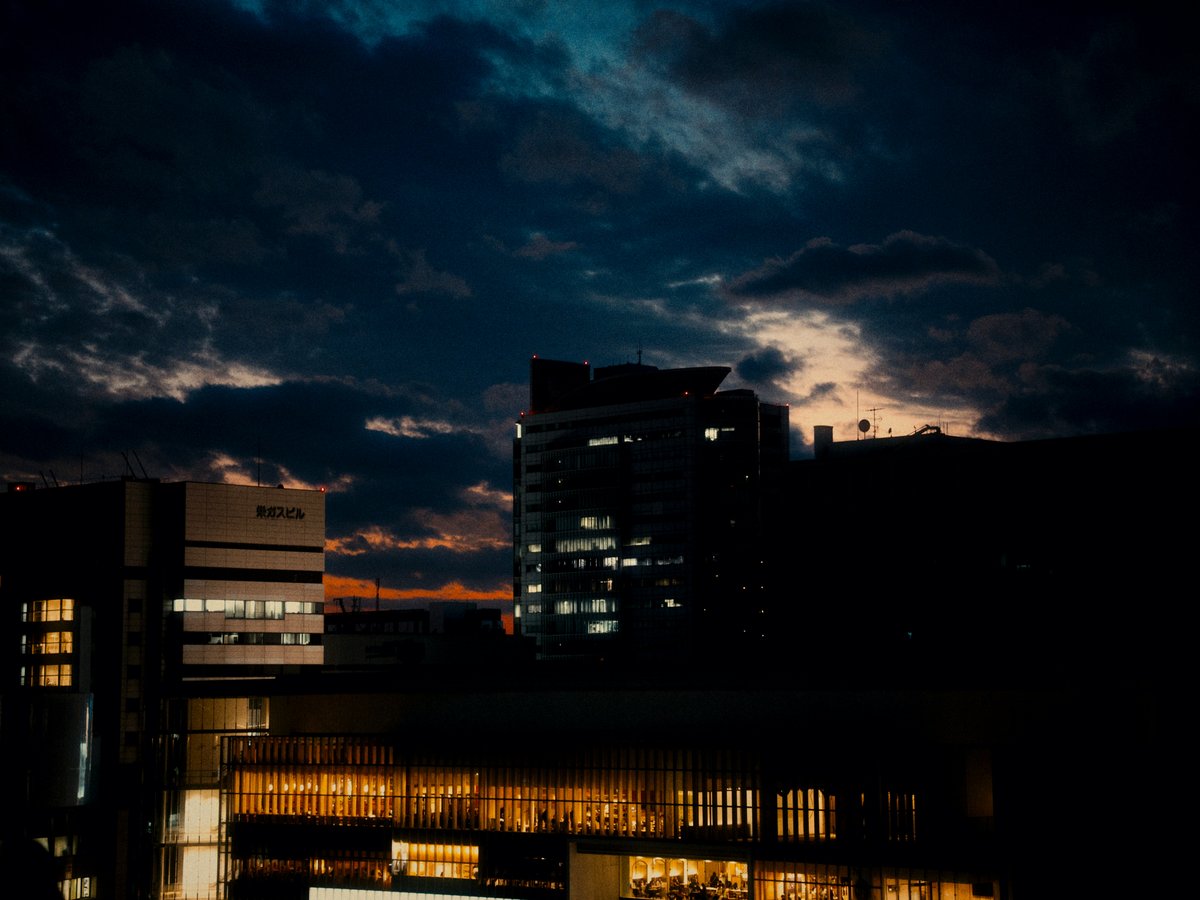
Nagoya's shopping culture reflects its roots as the center of Japan's Chubu industrial region. Noritake ceramics and Arimatsu shibori textiles are both still produced within the city, and that maker's heritage shapes the inventory across Sakae's department stores. Osu's covered arcades mix Buddhist temples with retro game shops and vintage kimono dealers in a district that still feels like a neighborhood. The Takashimaya depachika at Nagoya Station stocks edible Nagoya meshi gifts, from boxed tenmusu to red miso paste sourced from nearby Okazaki. To be fair, Nagoya gets passed over as a shopping city next to Tokyo or Osaka, but that means lighter weekend foot traffic in Sakae and lower stall prices in Osu for comparable goods. The Aichi region's craft traditions predate the Tokugawa era, and several workshops in Arimatsu and Seto still sell directly to walk-in visitors.
Shopping districts
-
Sakae
mid-range to luxurySakae is Nagoya's commercial core, anchored by Matsuzakaya, which traces its Nagoya origins to 1611, and Mitsukoshi on the Hisaya Odori boulevard. The TV Tower, dating to 1953, marks the north end of the park that splits the district in two. Oasis 21, the glass-roofed transit and shopping complex near the tower, has fashion and accessory shops on its lower levels. On the east side, LACHIC and the Sunshine Sakae building draw a younger crowd with mid-range Japanese and international labels. The depachika floors at Matsuzakaya stock regional wagashi and boxed sweets that locals buy for formal gift-giving occasions. You might catch the warm, toasted scent of freshly made senbei drifting up from Matsuzakaya's basement level. Mind you, Sakae's department stores tend to close by 20:00 on most nights.
Best for: Department store shopping, fashion, regional wagashi and gift sweets
-
Meieki (Nagoya Station area)
mid-range to luxuryThe area around Nagoya Station has been reshaped by JR Central's redevelopment over the past two decades. JR Gate Tower and Midland Square anchor the west side with international fashion labels on upper floors. The station's own JR Takashimaya likely handles more daily foot traffic than any other department store in the Chubu region. The underground Esca mall and connecting passages link the major buildings, which matters during Nagoya's humid summers when sidewalk temperatures push past 35°C. Gift-shopping visitors tend to concentrate on the station's dedicated souvenir floor, where Nagoya meshi items like shrimp senbei and miso katsu sauce sit alongside boxed confections from Aichi producers. On busy afternoons, JR Takashimaya's food hall fills with the scent of grilled unagi and freshly pounded mochi.
Best for: Transit-linked shopping, luxury fashion, last-minute souvenir runs before the Shinkansen
-
Osu Shopping Street (Osu Shotengai)
budget to mid-rangeOver 400 shops crowd into covered arcades radiating out from Osu Kannon temple, originally founded in 1333. Retro game shops selling Famicom cartridges sit next to Brazilian restaurants, secondhand kimono dealers, and discount electronics stalls. Osu 301, a multi-floor complex near the arcade's center, concentrates anime and hobby shops on its upper floors. Osu Kannon's vermillion hall sits at the heart of the commercial streets, and the smell of incense drifts through on quieter mornings. Prices across the arcades skew budget to mid-range, with most vendors accepting cash only. The district gets compared to Akihabara in Tokyo, but the comparison is loose. Weekend afternoons bring the heaviest foot traffic, though the covered walkways handle the crowds without the compression you would feel in Takeshita-dori or Shinsaibashi.
Best for: Vintage goods, retro games, secondhand kimono, street food, discount electronics
-
Arimatsu
mid-range to high for artisan textilesArimatsu sits along the Meitetsu Nagoya Main Line, about 25 minutes from central Nagoya in the city's Midori-ku ward. The district's Edo-period streetscape preserves the workshops where shibori tie-dye has been practiced since 1608, one of Japan's oldest continuously operating textile craft traditions. Tenugui hand towels in shibori patterns are among the more affordable items, while silk scarves and full fabric bolts run considerably higher. The annual Arimatsu Narumi Shibori Festival in June draws tens of thousands of visitors and tends to offer prices roughly 20-30% below normal retail. Between festival dates, the Arimatsu main street is quiet enough that you can hear looms clicking behind wooden lattice shop fronts. Several workshops offer hands-on shibori dyeing sessions that run 60 to 90 minutes.
Best for: Artisan shibori textiles, hands-on craft workshops, Edo-period architecture
-
Endoji Shotengai
budgetEndoji is one of Nagoya's oldest covered shopping streets, running through the Nishi-ku ward. The shotengai had been in decline for decades, but since the mid-2010s a wave of young business owners has brought coffee roasters, craft beer bars, and small design shops into vacant storefronts alongside long-standing fishmongers and tofu makers. The aroma of fresh coffee grounds from the newer tenants mixes with the briny scent from the fishmongers' stalls. Endoji hosts periodic evening market events with food stalls and craft vendors during the warmer months. The surrounding Nishi-ku blocks have a residential feel, and this is where locals in the neighborhood do their daily grocery shopping rather than a district built for visitors. The shotengai sits about 15 minutes on foot from Nagoya Castle, making the two easy to combine in a morning visit.
Best for: Local daily-life shopping, small independent shops, periodic evening markets
Markets
-
Osu Kannon Antique Market
flea / antiqueThe flea market at Osu Kannon temple spreads across the temple grounds on 2 fixed dates each month. Vendors lay out vintage ceramics, old coins, woodblock prints, secondhand kimono, and Showa-era household items on tarps and folding tables. Quality ranges widely, and you might find a Tokoname-yaki teapot next to a bin of scratched CDs. The grounds tend to thin out after 14:00, and the better ceramics and kimono pieces are often claimed by mid-morning. The arcades connect directly to Osu Kannon Station on the Tsurumai Line.
18th and 28th of each month, morning to early afternoon
-
Yanagibashi Central Market
food / wholesale-retailNagoya's main wholesale food market has been operating near Nagoya Station since around 1910. The Yanagibashi aisles carry the smell of fresh fish, dried shrimp, and pickled vegetables from dawn onward. Wholesale trading starts before 5:00 AM, but retail visitors can walk through from around that time. Several Yanagibashi stalls serve sashimi rice bowls as a working breakfast, a tradition that draws early risers from the Meieki area. The market's selection of dried goods from Aichi producers, including katsuobushi, nori, and regional pickles, makes for portable and shelf-stable souvenirs. Foot traffic drops off sharply after 9:00 AM, and most stalls close by 10:00.
Daily except Sundays and some holidays, roughly 5:00 AM to 10:00 AM for retail visitors
-
Noritake Garden Factory Outlet
artisan / outletThe outlet shop on the grounds of Noritake's original 1904 factory site in Nishi-ku sells discontinued patterns, factory seconds, and seasonal clearance items from the company's porcelain and bone china lines. Seconds are marked with a small scratch on the backstamp, and prices typically run 30-50% below retail. The Noritake Garden grounds include a craft center where visitors can try hand-painting ceramic plates. The museum section traces the company's history from its founding through its role supplying Western-style tableware during Japan's Meiji-era modernization. Worth noting, the outlet stock at Noritake Garden changes regularly, which is why some Nagoya residents visit every few months.
Typically open 10:00 to 17:00, closed Mondays and some holidays
Souvenirs worth bringing home
The souvenir most specific to Nagoya is Arimatsu shibori. Tenugui and furoshiki wrapping cloths from the Arimatsu workshops pack flat and travel well. For ceramics, the Noritake factory outlet and the Osu Kannon flea market both carry pieces rooted in the Aichi region's clay traditions, though at very different price points. Uiro, Nagoya's signature sweet rice jelly, has a soft, slightly chewy texture that distinguishes it from firmer versions sold in other parts of Japan. Aoyagi Uiro, established in 1879, is the city's best-known producer, and their boxed sets are available at Nagoya Station and in Sakae. Shrimp senbei from coastal Aichi producers have become the most popular edible souvenir for domestic travelers passing through. Hatcho miso paste from Okazaki, about 30 minutes east by train, is shelf-stable and difficult to find outside Japan. At Nagoya Castle, whose origins date to 1532, the souvenir shops sell shachihoko-themed goods from gold-leaf candy to ceramic figurines. The Tokugawa Art Museum shop, housed in a 1935 building in Higashi-ku, carries reproduction prints and lacquerware drawn from the Owari Tokugawa clan's collection. Skip the generic keychains and magnets at the station's tourist counters. They tend to be the same ones sold at every major Japanese rail hub.
Practical tips
- Tax-free shopping
- Purchases above a minimum threshold at participating stores qualify for Japan's tax-free program, which currently saves you the 10% consumption tax. You will need your passport at the point of sale, and Sakae's department stores and Nagoya Station shops have dedicated tax-free counters. Check the posted signage for current minimum-spend requirements, as these can change. Smaller shops in Osu and Endoji generally do not participate.
- Payment methods
- Department stores and chain shops accept Visa, Mastercard, and JCB without issue. Smaller vendors in Osu Shotengai and at temple flea markets are often cash-only. Manaca, Nagoya's local IC transit card, works at convenience stores, vending machines, and some chain restaurants. PayPay and other QR code payment apps have spread widely since 2020, but international visitors may find setup difficult without a Japanese phone number. Carry a comfortable amount of cash for market and shotengai shopping days, since ATMs at 7-Eleven and Japan Post accept most international cards.
- Opening hours
- Sakae and Meieki department stores typically open from 10:00 to 20:00. Shotengai shops in Osu vary, with many opening around 11:00 and closing by 19:00 or 20:00. Yanagibashi Market is an early-morning destination, so plan to arrive by 7:00 AM at the latest for the full experience. The Osu Kannon flea market starts around 5:00 or 6:00 AM and is best visited in the morning before stock thins out. Most shops across the city close over New Year, typically December 31 through January 2 or 3.
- Bargaining
- Fixed pricing is the norm across Japan, and Nagoya is no exception. Don't negotiate at Sakae's department stores, boutiques, or Osu's shotengai shops, since the practice is not expected and will likely create discomfort. The one exception is temple flea markets like the Osu Kannon antique market, where gentle negotiation on higher-priced items is sometimes acceptable. Polite requests in Japanese, even a simple 'Yasuku narimasen ka?', tend to go further at the market stalls than assertive counter-offers.
- Safety while shopping
- Nagoya scores 8.5 out of 10 for solo-traveler safety (see the TTDI Solo-Safety Index). Shopping districts like Sakae and Osu are well-lit and heavily foot-trafficked into the evening. Pickpocketing in Nagoya is rare by global standards, though standard awareness applies in crowded arcades. The covered shotengai offer shelter during Nagoya's frequent summer downpours and keep conditions tolerable when humidity sits above 90%, as it tends to on September evenings.
FAQ
Is Nagoya worth visiting specifically for shopping?
Nagoya offers shopping experiences you won't replicate in Tokyo or Osaka. The Arimatsu shibori district, the Noritake factory outlet, and Osu's shotengai each have a distinct local character tied to the city's manufacturing heritage. If you're after Japanese ceramics, textiles, or regional food products, Nagoya has advantages because the production sites are nearby or within the city itself. It is not a fashion-forward destination in the way Harajuku or Shinsaibashi might be, but for regional craft and Nagoya meshi, the city holds ground that Tokyo and Osaka don't cover.
What are the best edible souvenirs to bring home from Nagoya?
The dedicated souvenir floor at Nagoya Station consolidates the region's major food brands, and most items are packaged for travel. Aoyagi's uiro and regional shrimp senbei are the safe, widely appreciated picks. Aichi Prefecture also produces several craft sake varieties sold at the station's liquor counters, which make distinctive gifts. Japanese food packaging prints expiration dates prominently, so check before you buy. Dried goods like kishimen noodles and miso paste keep for months, while fresh items like tenmusu need to be consumed within 24 to 48 hours.
When is the best time to shop at Osu Shopping Street?
Weekday afternoons tend to be the least crowded in the Osu arcades, and most shops are open by 11:00. If you want to combine shopping with the Osu Kannon flea market, plan around the 18th or 28th of any month and arrive before 10:00 for the best selection. Weekend afternoons can get busy, particularly along the main Osu Kannon-dori arcade. The district stays open into the evening, with food stalls and some shops running until 20:00 or 21:00.
Can I get ceramics shipped internationally from Nagoya?
Department stores like Matsuzakaya and Mitsukoshi in Sakae offer international shipping services, though the cost can be steep for fragile items. A more economical option is to pack pieces carefully and ship via EMS at a Japan Post office, where rates vary by weight and destination. The Noritake Garden outlet staff are accustomed to overseas buyers and can advise on wrapping. Tokoname-yaki teapots from the Osu flea market are typically sturdy enough to survive checked luggage if wrapped in clothing.
How does Nagoya's shopping compare to Osaka?
Osaka's shopping leans toward street fashion in Amerikamura, food markets like Kuromon, and high-volume discount culture along Shinsaibashi-suji. Nagoya is quieter and more focused on regional craft and maker traditions. Osu Shotengai has some of Osaka's street-market energy but at a smaller scale and with less tourist infrastructure. Nagoya's advantage is proximity to production, since the ceramic kilns of Tokoname and Seto and the shibori workshops sit within 30 to 40 minutes of the city center. For department store shopping, Sakae and Shinsaibashi are roughly comparable in range and price.
Last verified by automated review (v1.7.2) on . What is automated review?