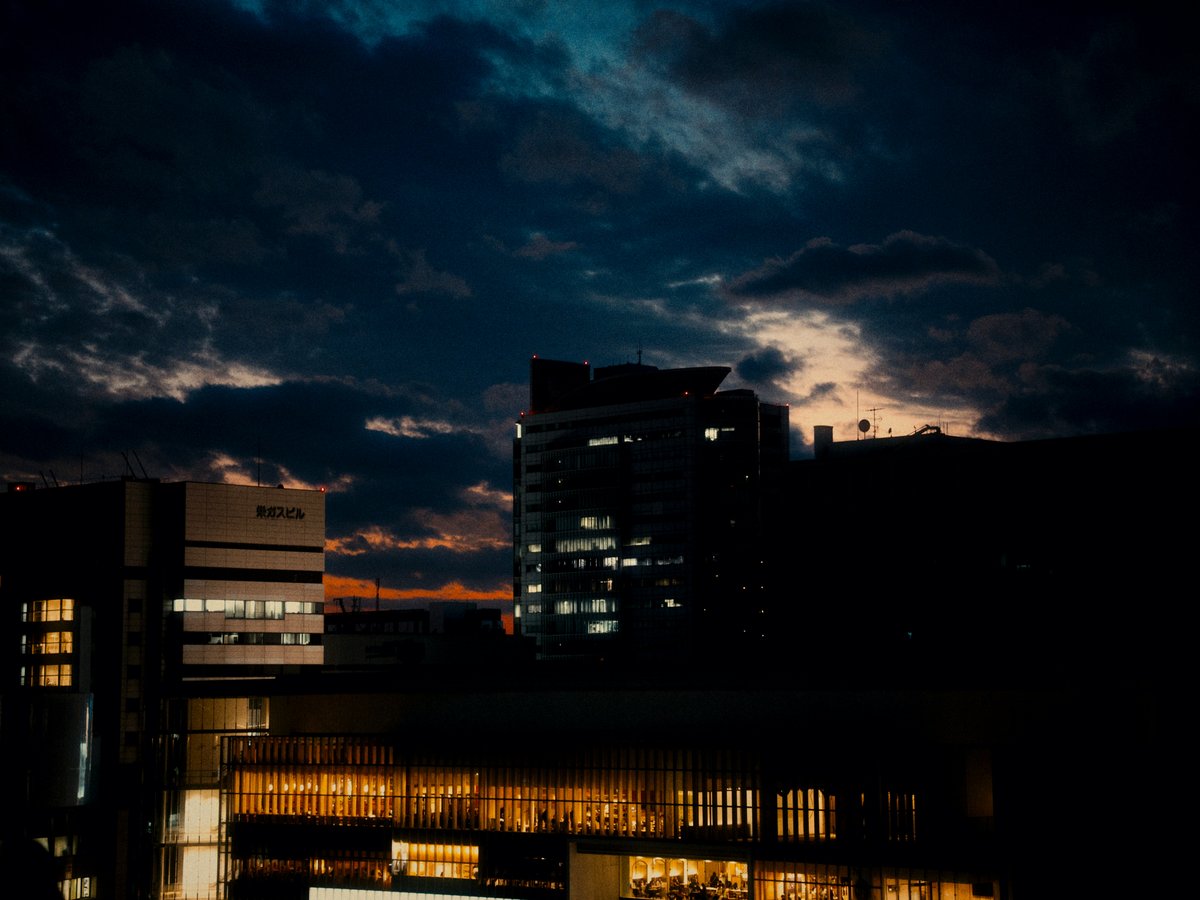
Nagoya's free hours belong almost entirely to its parks and gardens, a civic inheritance that reads differently from the neon geography most visitors arrive expecting. The city's centre, its riverbanks in Naka-ku, and its outlying wards in Shōwa-ku and Tsushima together offer more free ground per hour than the tourist map admits, and the list below rewards the traveller willing to walk between them rather than photograph one and leave. These are twelve places that cost nothing to enter and reward attention rather than a ticket: a covered plaza above a subway junction, a strolling garden the Tokugawa family kept in shape, a park that spills orchids in one corner and cherry canopy in another. Some are five minutes from Sakae station, some are a train ride out toward Aichi Prefecture. Read the list as a walking argument for the city's ordinary public life, and treat each address as an invitation to spend an unpaid afternoon well.
-
1 Oasis 21
35.1708, 136.9094A rooftop water plate suspended above the Sakae subway plaza, walkable and free at any hour.
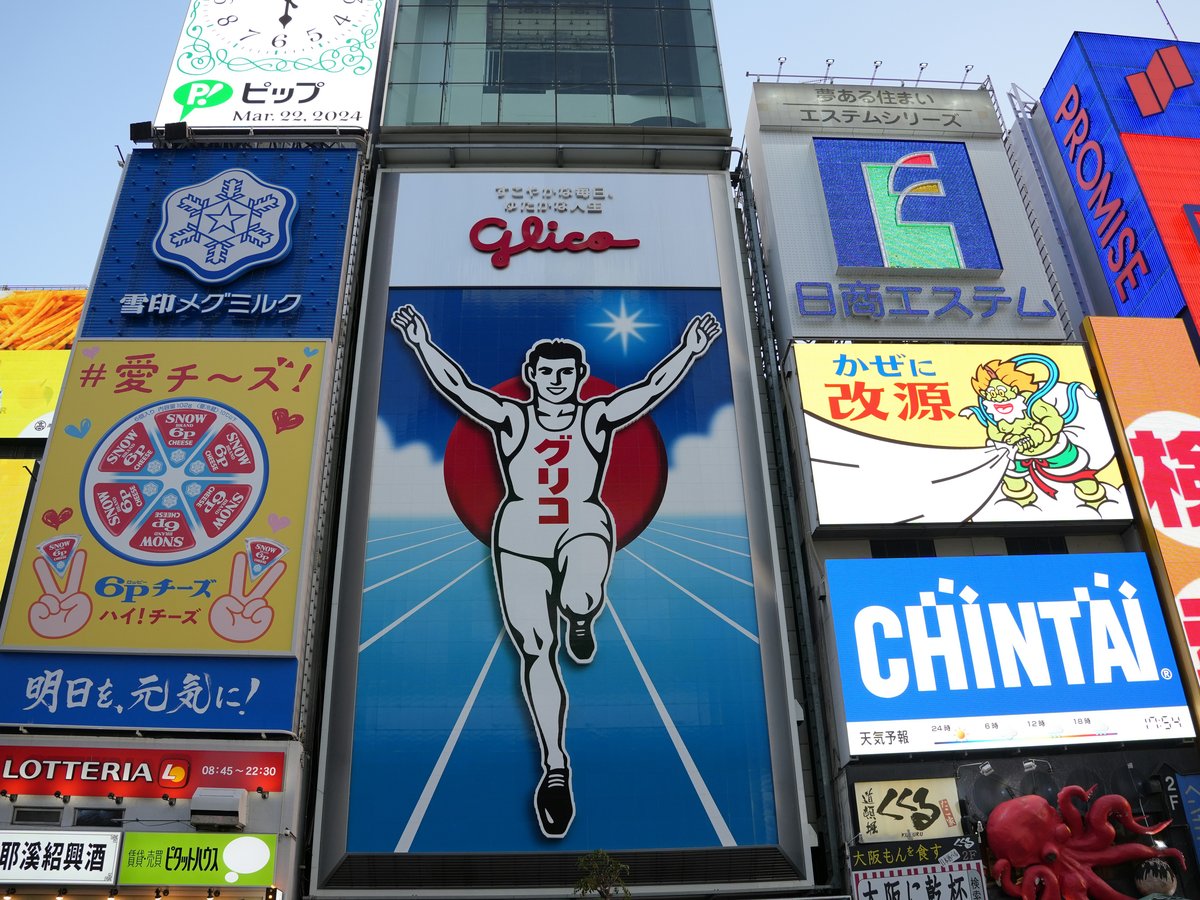
At 35.1708, 136.9094, Oasis 21 sits directly over the Sakae interchange, a glass-and-water roof you can walk out onto without a ticket or a reason. Skip the paid observation decks a few blocks north; the view from this deck is free, framed by the television tower, and pays for itself in the way the light moves across the shallow water above your head. The complex is stitched into the surrounding Sakae Park district, which means the plaza below the water plate reads as a working piece of the city rather than an attraction; buses idle at one end, students eat convenience-store lunches at the other. Come once at 12:00 for the crowd, once at 21:00 for the quiet, and you will understand why this address is the one Nagoyans give when asked where to meet a friend downtown.
-
2 Meijō Park
35.1860, 136.9000The green apron below Nagoya Castle, a locals' park before it is a tourist stop.
The paths at 35.1860, 136.9000 carry morning runners, dog-walkers, and retirees on folding stools long before the castle-ticket queue forms at the gate. Meijō Park is a working city park first, and the visitor who treats it as such gets the better experience: enter from the north side, follow the water, and let the keep appear through the trees rather than the other way around. The locals prefer this approach and it shows in the wear pattern of the gravel. The park's own grounds team maintains the calendar and events at meijyo-fp.com, which is worth a check in cherry season and again in late autumn. Don't bother with the paid attractions on the far side until you have earned the walk in.
-
3 Tokugawa Garden
35.1844, 136.9326A strolling pond garden that keeps the pace the Tokugawa family set for it.
Tokugawa Garden's grounds sit at 35.1844, 136.9326, a Japanese strolling garden in Nagoya City, Aichi laid out for the pace a visitor is meant to keep, not the pace a phone insists on. The locals go early, before the coach parties: a single lap of the pond takes about 40 minutes if you stop where the sightlines are composed for you to stop, and the shoreline is arranged so that a maple, a stone, and a stretch of water fall into the same frame every few paces. Consult tokugawaen.aichi.jp for seasonal notices (iris in early summer, maple in late November) and time your walk around them. Skip the drive-by; a garden built to be walked repays being walked.
-
4 Shirakawa Park
35.1640, 136.9000The green rectangle that anchors Nagoya's museum quarter, free even when the museums are not.
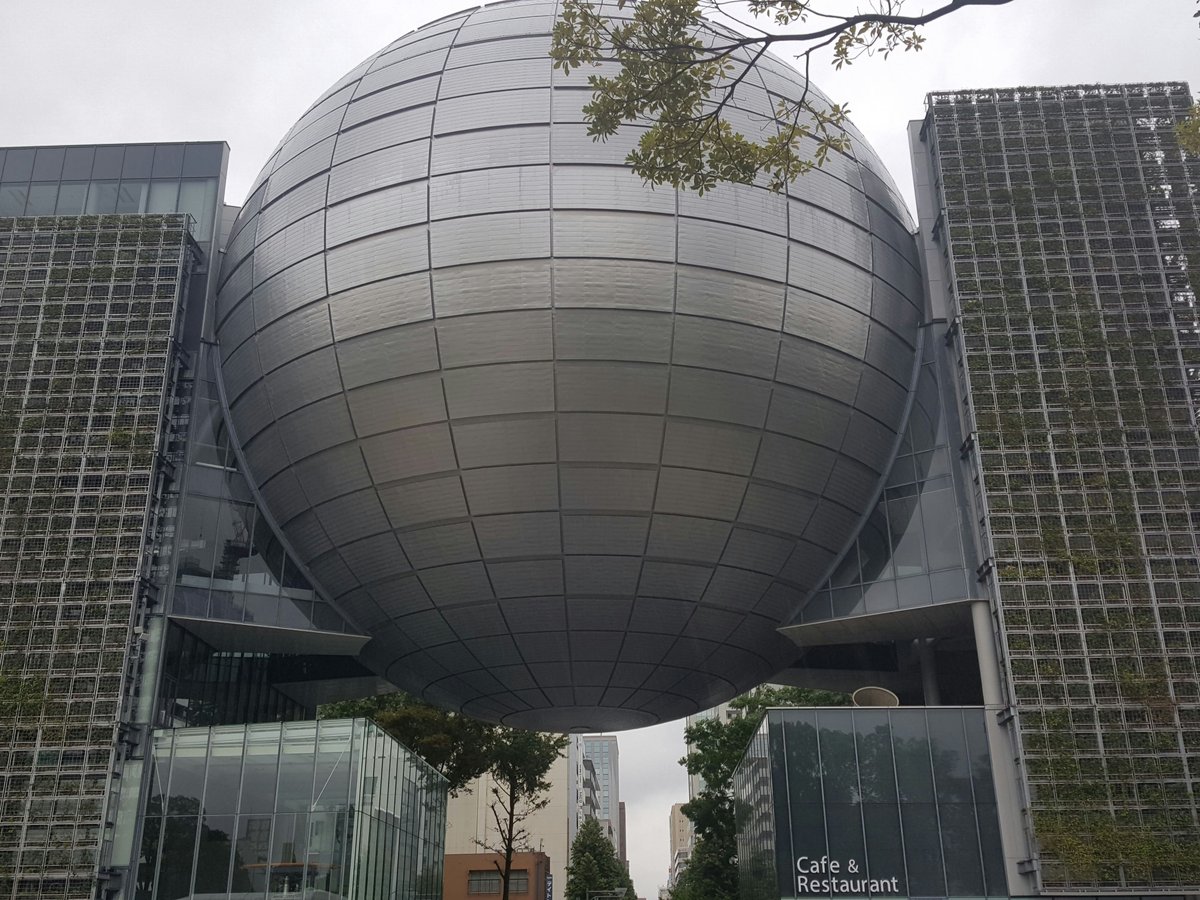
Shirakawa Park at 35.1640, 136.9000 is the piece of ground the city's museum quarter sits on, and the piece most visitors walk straight past on the way to a paid door. Don't. The park is administered by the city's greening and public-works division, which is why the benches are where you would put benches and the sightlines to the surrounding buildings are kept clear. The locals know it as a lunch park: office workers on the west edge at 12:00, families on the east lawn at 15:00, a slower crowd at 17:00 when the light softens against the science museum's white flanks. It is the free half of a paid neighbourhood, and it is generous with shade.
-
5 Tsuruma Park
35.1557, 136.9185Nagoya's classic hanami park, and a working neighbourhood park for the other 50 weeks.
From first light Tsuruma Park, at 35.1557, 136.9185 in Shōwa-ku, reads as a neighbourhood asset before it reads as a hanami stage. The park is programmed and maintained through nga.or.jp, and the calendar is worth a look before you arrive because the flower weeks pull a crowd that the other 50 weeks do not. The locals prefer the western end for an ordinary weekday walk; the eastern lawns take the bento crowd in April and belong to joggers by June. Skip the imported picnic-blanket wisdom about arriving at dawn for cherry season; the light at 07:00 is nicer, but a 16:00 visit in October, when the paths are quiet and the trees have turned, is the version of this park worth defending.
-
6 Hisaya Ōdori Garden Flarie
35.1578, 136.9184A small, deliberate orchid garden folded into the Hisaya Ōdori spine.
Blooms carry the argument at 35.1578, 136.9184, where Hisaya Ōdori Garden Flarie operates as an orchid garden rather than another lawn. This is the free stop most visitors miss because it is not marketed like the surrounding shopping streets, and the locals prefer it that way. The garden's own site at flarie.jp keeps a running notice of what is currently in flower, which is the only reliable way to time a visit; orchid houses have short weeks, and a Tuesday can look nothing like a Saturday. Don't bother trying to make this a two-hour stop. It is a 30-minute detour, honestly walked, and it earns its place on the list precisely because it refuses to be more than it is.
-
7 Atsuta Jingu Park
35.1309, 136.9022The public park beside the shrine, without the crowd that the shrine attracts.
At 35.1309, 136.9022 the ground reads as parkland rather than sacred precinct, and that is the point. Atsuta Jingu Park sits next to the shrine most visitors have already put on the itinerary; the locals go here for a walk that is not queued and not narrated. The park runs its own information at atsutajingu-park.com, which is worth checking for seasonal notices because the surrounding shrine calendar pulls large crowds several times a year and the park either absorbs or dodges them. Skip the tour-bus loop of the shrine's main hall and give an hour to the trees on the park side instead. The pond, the paths, and the cedars ask nothing of you and cost nothing to visit.
-
8 Shirotori Garden
35.1259, 136.9009A Chisen-kaiyū pond-and-path garden on the south side of the city, generous with water and shade.
Water spills through the composed grounds at 35.1259, 136.9009, where Shirotori Garden lays out its ponds and paths to be walked in one continuous loop rather than dipped in and out of. The garden's own site at shirotori-garden.jp carries the current seasonal notes; consult it before travelling out to this part of the city, because the garden's charm shifts with the water level and the leaf. The locals swear by an early visit, when the reflections on the pond are still holding and the coach parties have not yet arrived. Skip the temptation to combine this with a paid attraction next door; the garden repays 90 undivided minutes and resents being treated as a checkpoint. Take the bench at the far end of the loop, and sit.
-
9 Hisaya Ōdori Park
35.1687, 136.9084The long green spine that runs down the middle of Naka-ku, free at every point along it.
Hisaya Ōdori Park stretches through Naka-ku with its central axis at 35.1687, 136.9084, and the honest way to use it is as a walking corridor rather than a destination. The locals treat the park as an errand route: coffee at one end at 09:00, a bench in the middle at 13:00, an evening drink at the other end at 19:00. Skip the plan to see it in one visit; that is not what a linear park is for. The southern stretch is the busiest and the northern stretch the quietest, and each block along the length carries a different neighbourhood mood. Walk 30 minutes of it in whichever direction the weather suggests; the park is the same width for its full length and you will not miss anything by turning back.
-
10 Tennōgawa Park
35.1736, 136.7213A wisteria and water park out in Tsushima, worth the train for its slower ground.
Out at 35.1736, 136.7213, well beyond the Nagoya downtown grid, Tennōgawa Park sits in Tsushima, Aichi and rewards the traveller willing to spend a train ride on a public park. Don't bother if your day is already tight; the appeal here is the extra 40 minutes each way, which filters the crowd down to people who came deliberately. The park keeps its own current information at tennogawa-park.com, and it is worth checking before travelling because the wisteria and water features run to a short calendar. The locals prefer it in late April and early May; outside those weeks it is a quiet, generous, ordinary park, which for our purposes is the point.
-
11 Shōnai Greens
35.2092, 136.8822A broad, open riverside park on the city's north side, unglamorous and generous.
At 35.2092, 136.8822 the ground opens up in a way that the downtown parks never quite do; Shōnai Greens is a public park with the space of a suburb rather than the tight geometry of a central plot. Skip the assumption that you must stay in Naka-ku to have a good free day; a 25-minute ride and a short walk drop you at a park where the horizon is visible. The locals use it as running ground, cycling ground, and children's-bike ground, in that order across the morning. Come with a book, a bottle of water, and 90 minutes you do not have to account for. The reward is exactly proportional to how quietly you use the space.
-
12 Nagoya Agricultural Center
35.1140, 137.0108A public agricultural park on the eastern edge of the city, more useful in weekday hours than weekend crowds suggest.
By 09:00 on a weekday the paths at 35.1140, 137.0108 belong to a handful of walkers and the staff opening the grounds; Nagoya Agricultural Center operates as a public park on the eastern edge of the city, and it repays the visitor willing to travel out for it. Skip the weekend visit; the locals prefer this ground on a Tuesday morning, when the seasonal plantings are still holding and the paths carry the pace of an ordinary garden rather than a family outing. The centre closes at 16:00 in most seasons, so plan a morning arrival, not an afternoon one. Bring water. There is no cost of entry, no ticket to skip, and no reason to hurry through what the city has kept green out here for its own residents to use.
Last verified by automated review (v1.7.2_onboard-nagoya-attractions-free-2026-09-23) on . What is automated review?