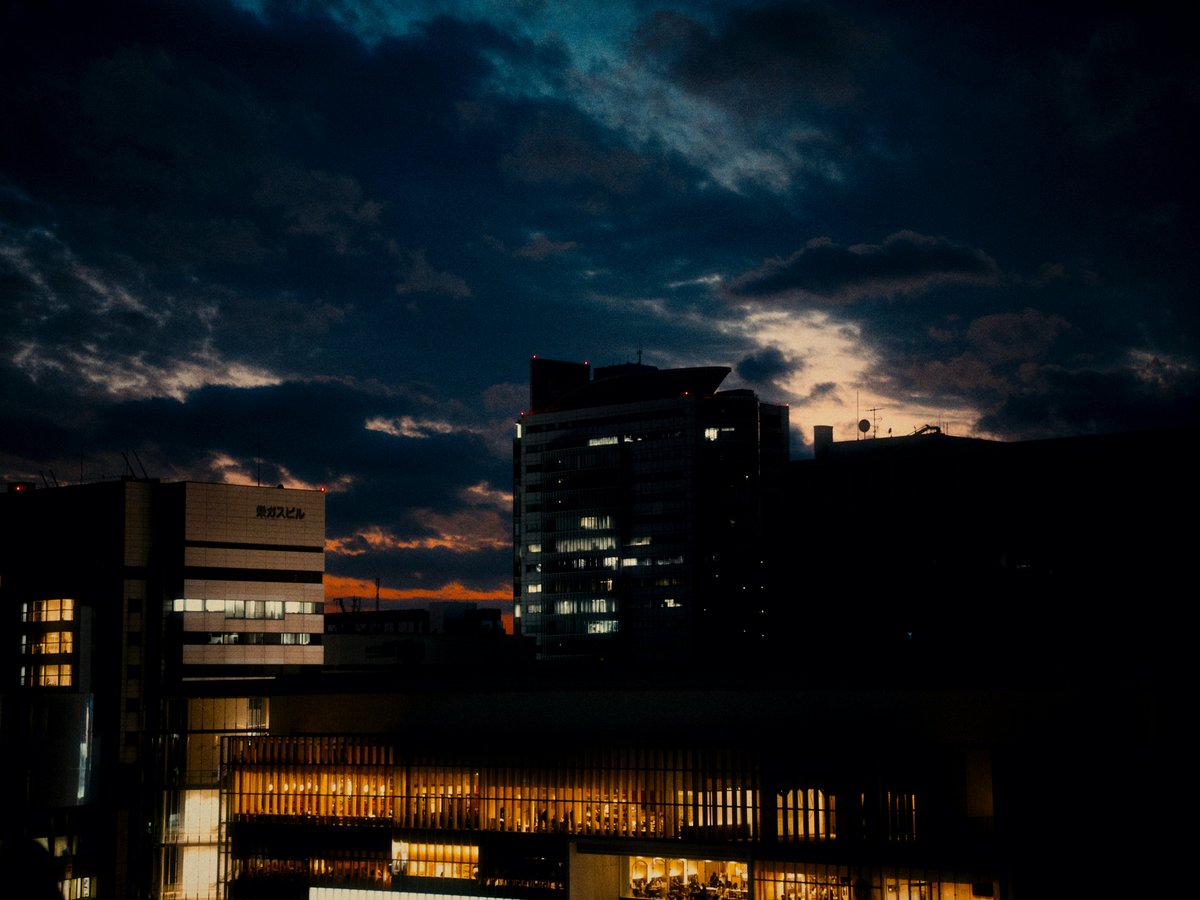
Is Nagoya good for digital nomads in 2026?
Nagoya scores 6.2/10 for digital nomads (sourced from TTDI's editorial rubric). Home fibre in newer buildings is fast, and a month runs about $2,100. Coworking is built for corporate contracts, so drop-in desks are scarcer here than in Tokyo. Base yourself in Fushimi or Chikusa rather than Sakae, and know that Japan's six-month nomad visa sets a high income bar.
Housing is where Nagoya wins, and also where most nomads get burned. Japan's minpaku law caps a registered Airbnb at 180 nights a year, so month-long stays land in monthly mansions from operators such as Leopalace21, where a furnished 1K in Chikusa or Fushimi tends to run ¥90,000 to ¥140,000 with utilities. Before you book, ask one question: is the internet a wall jack or a 'pocket Wi-Fi'? Pocket routers run on 4G, often throttle after about 3 GB a day, and can freeze a Zoom call by week two. Many 1990s buildings share one VDSL line, so a connection that tests at 90 Mbps at noon can drop under 10 Mbps between 9 pm and midnight, while newer buildings with in-room fibre usually hold 300 Mbps or more all evening. Sakae is fun for a weekend and miserable for a month: advertising trucks blare along its streets until late, and real groceries mean a long walk. Fushimi sits between Meieki and Sakae on the Higashiyama and Tsurumai lines, with 24-hour supermarkets and coin laundries on its back streets. Chikusa and Imaike smell of yakitori smoke after 6 pm and go quiet by 10.
Coworking is the weak link, and the main reason the score is not higher. Nagoya's office market serves salarymen on corporate contracts, so drop-in culture is thin. BIZcomfort has several branches around Meieki and Sakae, and its 24-hour hot-desk plans tend to cost ¥10,000 to ¥15,000 a month, making it the best value in the city for a two-month stay. WeWork at Global Gate in Sasashima is quieter and costs several times more. STATION Ai in Tsurumai opened in October 2024 as a startup campus, but membership is for registered startups, so treat it as a place for evening events rather than a desk. Among cafes, the hometown chain Komeda's Coffee is the honest pick: order a coffee before 11 am and you get thick, buttery toast and a boiled egg at no charge, and staff rarely hurry anyone, though power outlets are scarce. Avoid the cafes inside Nagoya Station on weekdays after 3 pm, when commuters take every seat. The Aichi Prefectural Library near Nagoya Castle has silent desks with cold air-conditioning, but laptop seats can fill by 10 am in exam season.
Here is a first month, week by week. In week one, buy a manaca IC card at any Nagoya Municipal Subway machine and test your room's internet at 10 pm, not at check-in. In week two, choose a coworking plan once you know which subway line you ride most. In week three, eat: miso katsu at Yabaton in Yaba-cho comes drowned in sweet, dark Hatcho miso, and the peppery tebasaki chicken wings at Sekai no Yamachan cost a few hundred yen a plate. Take week four off: Inuyama Castle is about 30 minutes north on the Meitetsu Inuyama Line and is one of Japan's 12 castles that survive from before the Edo period, and Museum Meiji-mura, a short bus ride beyond it, needs a full day. A rough monthly budget is ¥120,000 for rent, ¥15,000 for a desk, ¥60,000 for food, ¥10,000 for transit and ¥25,000 for weekends. Timing matters more than most people expect. On the evening of 19 October 2026 it was 21.3°C with 86% humidity, which is comfortable with the window open, but July and August regularly pass 35°C and the walk to the subway leaves your shirt soaked.
Composite of cafe + coworking download speeds and reliability.
Apartment, coworking membership, food, and transit at a comfortable level.
Coworking spaces
- BIZcomfort (Meieki and Sakae branches)
- WeWork Global Gate (Sasashima)
- STATION Ai (Tsurumai, startup members only)
- Aichi Prefectural Library (free study desks, not coworking)
Visa options
Japan's Digital Nomad visa (Designated Activities, launched March 2024) allows up to six months for nationals of about 50 listed visa-waiver and tax-treaty countries. It requires annual income of ¥10 million or more and private health insurance, cannot be renewed, and carries a six-month wait before you can reapply. Outside that route, visa-free entry is usually 90 days, and remote work for a foreign employer sits in a grey area under that status.
Last verified by automated review (v1.7.2) on . What is automated review?