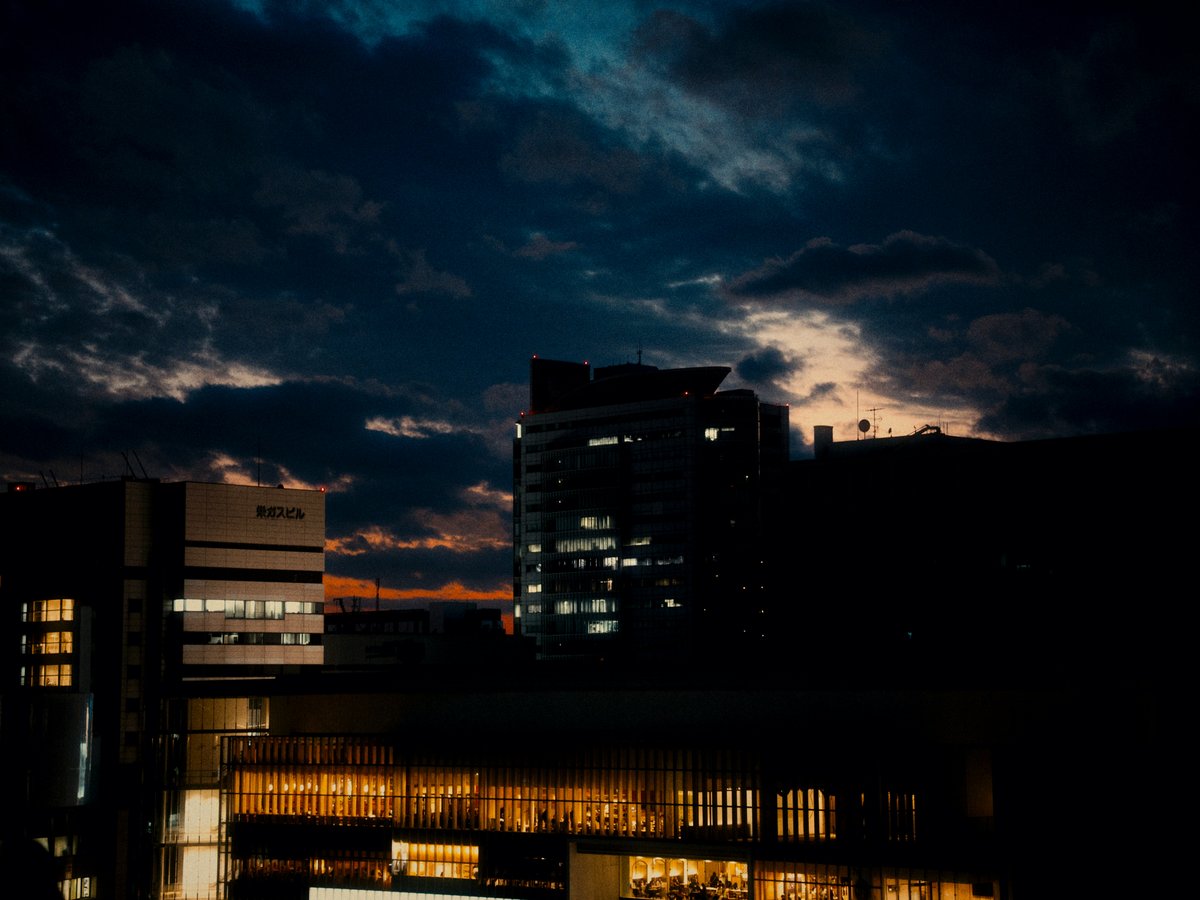
Nagoya tends to get overlooked between Tokyo and Osaka when it comes to nightlife, and that reputation is partly earned. Japan's third-largest metro area, with over 2.3 million residents, has a drinking culture that runs deep but stays stubbornly local. Most locals start their evenings around 19:00 at an izakaya in the Sakae or Meieki districts. They order rounds of nama biiru and plates of tebasaki, the city's trademark chicken wings. By 22:00, groups move to a second or third spot. The noise and the neon concentrate in Nishiki 3-chome, a tight grid of bars and snack lounges packed into multi-tenant buildings in Naka-ku. You won't find the tourist-oriented nightlife infrastructure that defines Tokyo's Roppongi or Osaka's Namba. At the current rate of roughly 158 yen to the dollar, a night out in Nagoya costs noticeably less than in either of those cities. By 23:00 on a Friday, the standing-bar crowd has caught the last train, and the late-night regulars take over the upper floors of Nishiki.
Nagoya's Bar Scene: Tachinomi, Cocktail Dens, and Snack Bars
The backbone of Nagoya's bar culture is the tachinomi, or standing bar. These small, no-frills spots line the backstreets around Nishiki 3-chome and Kanayama Station. A draft beer might run 300 to 500 yen, and shochu highball refills tend to come cheaper. The clatter of small plates and the post-work hum of conversation fills these narrow rooms between 18:00 and 21:00. By 21:30, they empty out. Trains stop running soon after. For cocktails, Nagoya has a quiet but serious scene. The Japanese bartending tradition of precise technique, hand-cut clear ice, and minimal garnish is well represented in Nishiki's upper-floor bars. Many of the best cocktail spots hide behind small signs next to building elevators. You might walk past the entrance twice before noticing it. The bartender will likely remember your face on a return visit. Wine bars have been growing in the Sakae area over the past decade, particularly along the streets between Sakae Station and Yaba-cho. Natural wine from France and Italy seems to have found a foothold here, though the lists lean Old World. September evenings in Nagoya hover around 21°C with humidity pushing 92%. The air feels thick, but the sky tends to stay clear, and the terrace seats along the redeveloped Hisaya-odori Park near central Sakae fill up regardless. These open-air options are more limited than what you'd find in Bangkok or Taipei, but they draw a crowd between April and October. The sunakku, or snack bar, deserves a mention. These mama-san-run bars are scattered through Nishiki and Kanayama. Each one seats 8 to 12 people at a counter. Conversation is the draw. Some have a karaoke machine wedged into the corner. A small table charge usually applies, and the drinks are mid-range. Mind you, some operate as regulars-only spots and will politely turn away unfamiliar faces.
The Club Scene: Techno Floors and Late-Night Sakae
Nagoya's club scene is smaller than what you'll find in Tokyo or Osaka, but it's concentrated enough to fill a weekend. The 2016 amendment to Japan's fueiho law allowed licensed clubs with adequate lighting to operate past midnight. That change expanded the city's late-night options considerably. The main cluster of clubs sits in and around the Sakae district, with a handful more in Imaike. Techno and house have the strongest followings in Nagoya. The city has produced DJs who rotate through the national circuit, and touring acts from Tokyo stop here regularly. Hip-hop and R&B nights are common on Fridays and Saturdays. J-pop and anime-themed club events draw younger crowds, particularly around holidays. To be fair, Nagoya doesn't match Tokyo for sheer genre depth, but the scenes that do exist here are consistent. Dress codes at most Nagoya clubs fall on the relaxed side compared to what you'd encounter in Tokyo or Seoul. Clean sneakers, jeans, and a proper shirt will clear the door at 9 out of 10 spots. A few higher-end venues in Sakae might turn away shorts and sandals, though that's the exception. Door staff check IDs, and Japanese law requires proof of age at the entrance. Bring your passport or residence card. Peak hours start late. The floors stay thin until midnight. The crowd builds between 1:00 and 3:00 AM, and by 2:00 the bass travels through the concrete floor while the smaller rooms run wall to wall. Some venues keep going until the first trains resume service around 5:30. That window between last train departure and first morning service creates the core club hours in Nagoya. People either commit to the full stretch or leave before the trains stop. Entry at most clubs involves a door fee that typically includes 1 or 2 drinks. Some venues offer reduced rates for women on specific nights. The crowd on any given Saturday in Sakae tends to fall in the 20s and early 30s range.
Live Music: Imaike Punk, Basement Jazz, and the Touring Circuit
Imaike sits about 10 minutes east of Sakae on the Higashiyama subway line, and it has been the center of Nagoya's live music scene for decades. The neighborhood supports a cluster of small live houses that book indie rock, punk, experimental noise, and the occasional jazz act. Tokuzo, one of the longest-running live venues in the Chubu region, anchors the area. The room holds a few hundred people, the sound system is solid, and the booking leans eclectic. Nagoya sits on the domestic touring route between Tokyo and Osaka. Most bands on a national tour stop here, and the city gets a steady stream of mid-tier and underground acts as a result. For arena-scale concerts and major international tours, the Nagoya Dome handles the large crowds. It opened in 1997 and remains the primary large-format venue in the Chubu area. Mid-size shows fill purpose-built live houses in Sakae and near Nagoya Station. Jazz has deep roots in Nagoya. Several basement bars in Nishiki and Sakae have been hosting combos since the 1970s. A typical weeknight might feature a 4-piece group starting around 20:00 in a low-ceilinged room that smells of old leather and cigarette residue. The sets tend to wrap up around 23:00. Friday and Saturday are the busiest nights for live music across all genres, but weeknight shows happen regularly in Imaike. English-language event listings for Nagoya remain thin compared to Tokyo, so checking venue sites or Japanese-language aggregators is still the most reliable way to find what's on. Nagoya's hardcore punk community gained recognition in the 1990s and still draws dedicated followers. Smaller venues in Imaike and Osu host these shows for crowds of 50 to 100. The rooms run hot, the crowd knows every word, and the energy is physical.
Nightlife neighborhoods
-
Sakae (栄)
The commercial and entertainment core of Nagoya after dark. Department stores, chain restaurants, and karaoke towers line the main avenues. Hisaya-odori Park cuts through the center of the district. The TV Tower, which opened in 1953, anchors the park's north end. After 20:00, the underground passages thin out and groups of friends and coworkers spill between izakaya, karaoke boxes, and the first bars of the evening. On rainy nights, neon reflects off the wet pavement and the whole strip glows.
- Best for
- Groups, mainstream nightlife, karaoke, and the widest variety of options within walking distance
-
Nishiki 3-chome (錦三丁目)
Locals call this district Kinsan. It's the densest concentration of bars in Nagoya, a tight grid of multi-tenant buildings where each floor is a different world. Red paper lanterns glow at ground level, and hand-lettered signs for cocktail lounges line the elevator lobbies. The smell of grilled chicken skewers drifts up from yakitori-ya at street level. Quiet at 18:00, full and loud by 22:00.
- Best for
- Bar-hopping, cocktail bars, solo drinking, and late-night conversation in rooms that seat fewer than 20
-
Imaike (今池)
Grittier and more independent than Sakae. Live houses, record shops, and small bars run by musicians give the neighborhood its character. Flyers for upcoming shows paper the walls and telephone poles. The pace is slower, the crowd a bit older, and the atmosphere leans subcultural. A short subway ride connects Imaike to central Sakae.
- Best for
- Live music fans, punk and jazz enthusiasts, anyone who prefers a rough-edged neighborhood over a polished one
- Standouts
- Tokuzo remains the anchor venue for live music in the area
-
Kanayama (金山)
A major transit junction south of central Nagoya where JR, Meitetsu, and subway lines converge. The drinking options cluster within a few blocks of the station. More working-class than Nishiki, with cheaper izakaya and tachinomi that draw commuters and neighborhood regulars. The atmosphere is unpolished and unpretentious.
- Best for
- Budget-friendly drinking, a local crowd, solid food alongside beer
-
Meieki (名駅, Nagoya Station area)
The station district has grown as a drinking destination over the past 10 to 15 years. New high-rises like JR Gate Tower brought bars, restaurants, and observation-level lounges to the west side of the city. The scene here tends newer and sleeker than Nishiki's decades-old spots. Worth noting, the underground corridors fill with after-work drinkers before 19:00.
- Best for
- Business travelers, anyone staying near the station, modern bars, late Shinkansen arrivals
-
Osu (大須)
A daytime shopping district built around the Osu Kannon temple and its covered arcades. Vintage clothing shops sit beside retro game stores and cosplay supply outlets. At night the shopping crowd thins and a quieter bar and cafe scene surfaces. The feel is closer to Tokyo's Shimokitazawa than to Sakae's commercial energy.
- Best for
- Early evening drinks, a laid-back pace, and a neighborhood that doesn't revolve around nightlife
Safety after dark
Nagoya earns an 8.5 out of 10 for solo-traveler safety (see the TTDI Solo-Safety Index), and that score holds up after dark. Walking through Sakae or Nishiki alone at 2:00 AM is unlikely to cause problems. Street crime targeting visitors is rare in this part of Japan.
That said, a few things are worth watching for. Touts in and around Nishiki 3-chome will try to steer you toward overpriced bars, hostess clubs, or kyabakura. These solicitations come from men positioned near building entrances. A firm "kekkou desu" and continued walking is the standard response. If a deal sounds too generous (free drinks, no cover, a special discount), it's almost certainly a setup for an inflated bill at the end of the night.
Drink spiking is not a widespread concern in Nagoya, but keep your glass in hand at crowded bars. If you leave a drink unattended, order a fresh one.
Getting home after last train (around midnight on JR, Meitetsu, and city subway lines) means either a taxi or waiting until service resumes around 5:30 AM. Taxis are metered and reliable throughout the city. A ride from Sakae to a suburban hotel might run 3,000 to 5,000 yen depending on distance.
For LGBTQ+ travelers, Nagoya scores 5.8 out of 10 for friendliness (sourced from TTDI's editorial rubric). A small cluster of LGBTQ+ bars exists in the Shinsakae and Nishiki areas of Naka-ku, though the scene is modest compared to Tokyo's Shinjuku Ni-chome. Attitudes in Nagoya lean toward quiet tolerance. Most of the dedicated bars welcome international visitors and don't require an introduction.
Practical tips
- Tipping
- Tipping is not practiced in Japan, including at bars and clubs in Nagoya. Leaving money on the counter can confuse staff. The listed price is the final price at every establishment.
- Cash
- Many smaller bars in Nishiki 3-chome and Imaike remain cash-only. ATMs at 7-Eleven and Family Mart accept international cards and operate around the clock. Withdraw yen before heading out for the evening.
- Otoshi table charge
- Sit-down bars and izakaya throughout Nagoya commonly charge an otoshi fee per person. A small appetizer (edamame, pickled vegetables, a small salad) arrives with it automatically. This is standard Japanese custom, not a tourist surcharge.
- Smoking
- Japan's 2020 Health Promotion Act tightened indoor smoking rules, but many bars and clubs in Nagoya still permit smoking in designated sections or throughout the premises. If smoke bothers you, check before settling in or look for the 禁煙 (kin'en) sign near the entrance.
- Ordering customs
- At an izakaya, the standard opener is "toriaezu biiru" (beer for now). The custom is to pour for others and let them pour for you at group dinners. A toast of "kanpai" before the first sip is expected in Nagoya as across the rest of Japan.
- Language
- English proficiency in Nagoya's bar scene is lower than in Tokyo's tourist districts. A few Japanese phrases go a long way. Use "sumimasen" for attention, "kore kudasai" when pointing at a menu item, and "okaikei" when you want the bill. Translation apps on your phone work well as a backup at most places.
FAQ
What time do bars and clubs close in Nagoya?
Most izakaya and standing bars close between 23:00 and midnight. Cocktail bars in Nishiki 3-chome often stay open until 2:00 or 3:00 AM. Clubs with the right entertainment licenses can keep going until 5:00 AM or later, which bridges the gap until morning trains resume.
Is Nagoya's nightlife worth a visit compared to Tokyo or Osaka?
Nagoya offers a more local, less tourist-oriented experience. Nishiki 3-chome packs more bars per block than most districts in larger cities, and you're less likely to encounter tourist-priced menus. The trade-off is a smaller club scene and fewer international headliners on the calendar.
What is nomihoudai and is it worth trying?
Nomihoudai means all-you-can-drink for a fixed period, typically 90 to 120 minutes. Many izakaya and some bars in Nagoya offer it. The drinks tend to be beer, basic highballs, and house cocktails rather than premium options. For groups of 3 or more, it tends to be a good deal.
Do I need reservations for bars in Nagoya?
Reservations are not expected at most bars. Walk-ins are the norm in Nishiki 3-chome, Kanayama, and Imaike. Some cocktail bars with fewer than 8 seats might be full on Friday and Saturday nights, so checking ahead can help. Izakaya get crowded around 19:00, and groups of 4 or more should consider booking.
Is there a craft beer scene in Nagoya?
Nagoya has a growing craft beer community. The Chubu region has several small breweries, and Y Market Brewing in the Yanagibashi area is likely the most recognized Nagoya-based operation. Dedicated craft beer bars in Sakae and near the station stock both local and national selections.
Last verified by automated review (v1.7.2) on . What is automated review?