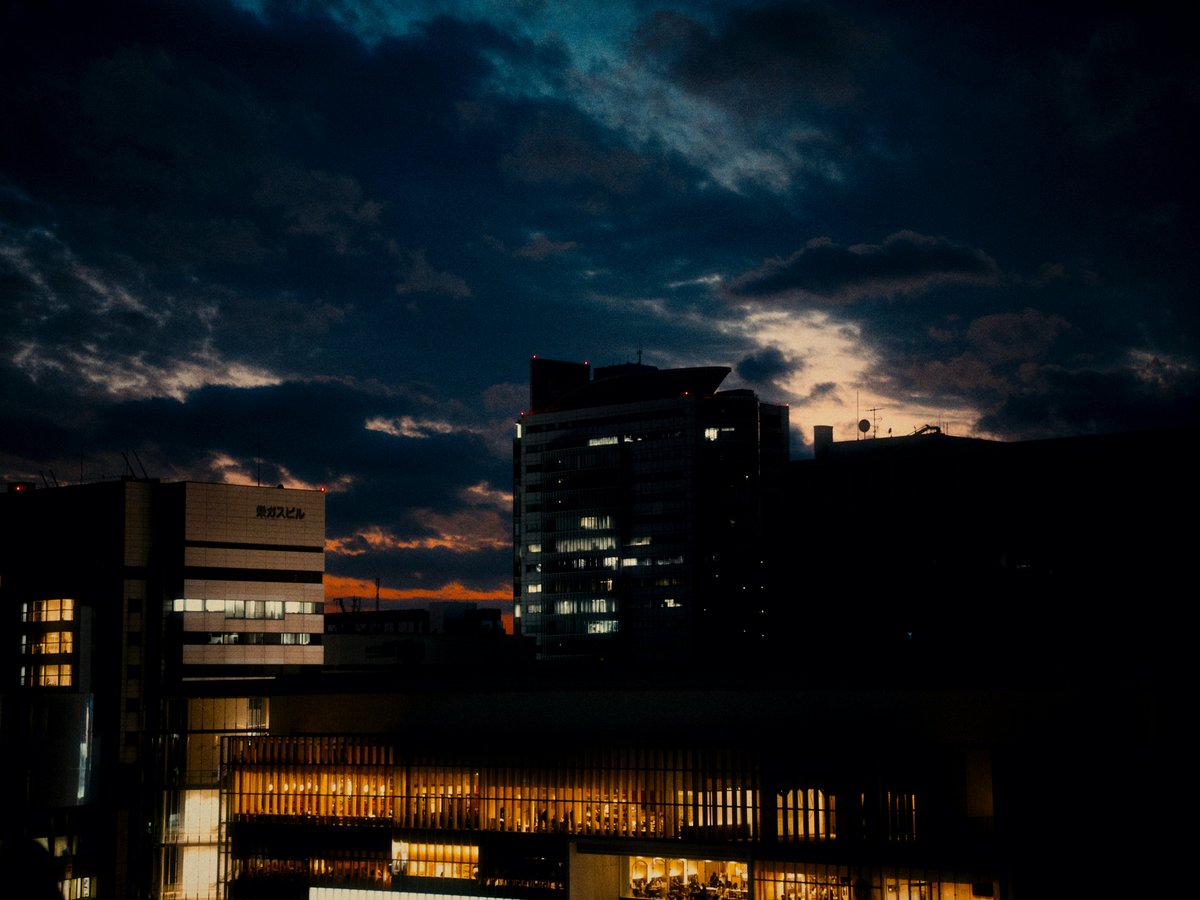
Nagoya spreads across the Nobi Plain between Tokyo and Osaka, and most visitors orbit two poles roughly 1.5 km apart. Nagoya Station, which locals call Meieki, anchors the west side with skyscrapers built mostly since the late 1990s. Sakae sits to the east as the older commercial center, arranged around the broad green strip of Hisaya Odori Park. The Higashiyama and Meijo subway lines connect most neighborhoods worth visiting, with single rides running 210 to 340 yen. North of the Sakae-Meieki axis you'll find the castle district and quieter residential blocks. South of Kanayama, density thins toward Atsuta Shrine, the Mizuho Athletic Stadium that has served as the city's main track-and-field venue since 1941, and the port. A few key arteries orient the grid. Otsu-dori runs north-south, while Sakura-dori and Hirokoji-dori cut east-west, and that right-angled pattern makes Nagoya easier to navigate than Osaka or Kyoto. At roughly 157.92 yen to 1 USD at current exchange rates, hotel rooms and restaurant meals tend to cost 15 to 20 percent less than equivalent options in Tokyo. Nagoya scores 8.5 out of 10 for solo-traveler safety (see the TTDI Solo-Safety Index), and the flat terrain keeps walking distances manageable even when late-September nights hold 21°C at 92 percent humidity.
Neighborhoods
-
Meieki (Nagoya Station)
The twin JR Central Towers rise 245 meters above the station concourse, and at ground level everything moves at salaryman pace. Takashimaya department store fills the lower floors and stays busy until 20:00 most evenings. The architecture is almost entirely post-1990s glass and steel. Noise is constant during the day. Buses on Meiekidori, taxis queuing at the west exit, the chime of pedestrian crossings. Side streets north of Sakura-dori quiet down noticeably after 22:00. Hotels cluster densely here, from budget chains near 6,000 yen a night to the Marriott Associa on floors 49 through 52 of the JR Central Towers. The air in the underground malls carries a permanent blend of ramen broth and fresh bread from the bakery counters.
- Best for
- Business travelers, Shinkansen-focused itineraries, anyone who wants 15 hotels within a 5-minute walk and a convenience store on every block
- Key streets
- Meiekidori for the main station approach, the Esca underground restaurant mall for kishimen noodles, and a 10-minute walk south to Yanagibashi Chuo Ichiba fish market
-
Sakae
Hisaya Odori Park runs north-south through Sakae's center, a 100-meter-wide green corridor that feels generous even by European standards. The Nagoya TV Tower has stood at the park's north end since 1953, now rebranded as MIRAI TOWER after a 2020 renovation. Oasis 21 sits directly east, a glass-roofed transit terminal and event space with a walkable rooftop. Sakae's daytime mood is shopping and strolling. Weekend afternoons bring families with strollers along the park's zelkova-lined paths. After dark the character shifts. The Nishiki 3-chome blocks light up with red paper lanterns, and the thick smell of miso-based sauces drifts from dozens of small restaurants. The pace here is noticeably slower than Shinjuku or Umeda, but Sakae stays busier than anywhere else in the city until well past midnight on Fridays.
- Best for
- First-time visitors who want a central location with dining, shopping, and nightlife all within a 15-minute walk
- Key streets
- Hisaya Odori Park for the north-south promenade, Nishiki 3-chome for evening izakayas, and the Lachic and Mitsukoshi buildings along Hirokoji-dori for department-store shopping
-
Osu
Osu is where Nagoya loosens its collar. The covered Osu Shopping Street arcade stretches about 400 meters south from Osu Kannon Temple, and the stalls sell everything from vintage kimono to imported sneakers to old transistor radios. The temple itself, rebuilt in 1970 after wartime destruction, anchors the north end with incense smoke and the low murmur of prayer. You'll catch the smell of freshly fried karaage and the sweet-soy scent of mitarashi dango near the arcade entrances. On the 18th and 28th of each month, a flea market fills the temple grounds with secondhand goods and antique dealers. The neighborhood has a younger, scruffier energy than Sakae, with small record shops, cosplay stores, and independent cafes down side alleys. Several of those cafes stay open past midnight, which is unusual for Nagoya coffee spots outside the Sakae district.
- Best for
- Budget travelers, vintage shopping, anyone after Nagoya's street food and subculture scene without department-store polish
- Key streets
- Osu Shopping Street arcade from Osu Kannon to Kamimaezu Station, Banshoji-dori for smaller independent shops, and the 2-chome blocks east of the arcade for secondhand electronics
-
Fushimi
Fushimi sits between Meieki and Sakae along Hirokoji-dori and has a quieter, more cultural personality than either neighbor. The Nagoya City Science Museum dominates the area with its 35-meter planetarium dome, the largest in Japan when it reopened in 2011. The Nagoya City Art Museum sits a few blocks south in Shirakawa Park. Office buildings line the main roads, but the side streets hide a surprising density of small kissaten coffee shops, many roasting their own beans on-site. Nagoya has a strong morning coffee tradition. Order a coffee before about 10:00 at most kissaten and you'll get toast, a boiled egg, and sometimes a small salad at no extra charge. Komeda Coffee, Nagoya's largest homegrown kissaten chain, popularized the ritual in the 1960s. A morning set at a neighborhood kissaten runs about 450 to 550 yen.
- Best for
- Museum-focused visitors, coffee enthusiasts interested in kissaten morning-service culture, anyone wanting a quiet base between Nagoya's two commercial centers
- Key streets
- Hirokoji-dori as the main east-west walk, Shirakawa Park for the museum cluster, and the small blocks south of Fushimi Station for independent kissaten
-
Meijo (Nagoya Castle district)
The castle district sits north of central Nagoya, anchored by Nagoya Castle. The original fortification on this site dates to 1532, and the current concrete donjon went up in 1959 after the 1945 firebombing destroyed the Edo-era original. The real draw now is the Honmaru Palace, a meticulous wooden reconstruction completed in 2018 that reproduces the painted fusuma sliding doors and coffered ceilings of the original. The surrounding Meijo Park covers about 80 hectares and gets genuinely quiet on weekday afternoons, with retirees feeding koi in the north garden ponds. Southwest of the castle, the Shikemichi and Endoji streets preserve a stretch of Edo-period merchant architecture. Low wooden storefronts, some converted into cafes, line narrow stone-paved lanes. The temperature seems to drop a couple of degrees when you step into those shaded alleys.
- Best for
- History-focused visitors, photographers, anyone who prefers a residential pace within a 15-minute subway ride of Sakae
- Key streets
- Shikemichi and Endoji for preserved merchant streets, the castle's Ninomaru Garden for quiet morning walks, and Nagono-dori heading south toward Marunouchi Station
-
Kanayama
Kanayama functions as Nagoya's second-largest transit junction, where JR, Meitetsu, and three subway lines converge about 3 km south of Nagoya Station. The area around Kanayama Station has a practical, no-frills feel. Hotels here tend to run 1,000 to 2,000 yen cheaper per night than equivalent properties in Meieki. The Asunal Kanayama shopping complex sits north of the station, and the south exit streets have a cluster of small ramen shops where the garlic-pork broth smell hits you before you see the noren curtains. Kanayama is a logistics base rather than a destination. You can reach Sakae in 5 minutes by subway, Nagoya Station in 6, and Chubu Centrair Airport in about 28 minutes on the Meitetsu limited express.
- Best for
- Budget-conscious travelers who want a transit-efficient base without central-Nagoya hotel premiums, and anyone with an early-morning flight from Centrair
- Key streets
- The south exit side streets for affordable ramen and izakayas, and the covered walkway from the station to Asunal Kanayama for everyday shopping
-
Atsuta
Atsuta Jingu is one of Japan's most revered Shinto shrines, traditionally held as the home of the legendary sword Kusanagi no Tsurugi. The surrounding neighborhood absorbs that reverential quiet. Gravel paths wind through a dense forest of centuries-old camphor trees, and even on weekend mornings the canopy absorbs most of the crowd noise. The shrine precinct stretches across about 20 hectares. Outside the grounds, the Atsuta area is low-rise and residential, with small family-run restaurants along the approach roads. Horaiken, near the shrine's east gate, has served hitsumabushi grilled eel since 1873. The smoky-sweet scent of eel basted in tare sauce drifts across the sidewalk, and lunchtime waits of 30 to 60 minutes are normal.
- Best for
- Visitors focused on traditional Shinto culture, shrine architecture, and anyone making a food pilgrimage for hitsumabushi grilled eel
- Key streets
- The south approach from Jingu-Mae Station for traditional shops, and the east gate path from Denma-cho Station toward Horaiken
-
Tokugawa-en and Ozone
The northeast quadrant of central Nagoya has a residential calm that the commercial districts lack. Tokugawa-en, a 4.5-hectare Japanese garden originally designed for the Owari branch of the Tokugawa clan, sits at the heart of the area. The adjacent Tokugawa Art Museum, established in 1935, houses over 10,000 items including sections of a 12th-century illustrated Tale of Genji scroll. The garden paths are moss-covered and quiet enough that you'll hear the bamboo shishi-odoshi water features clicking from 30 meters away. Mind you, the area is not all contemplative silence. Nagoya Dome, home of the Chunichi Dragons baseball team since its 1997 opening, sits about a 15-minute walk north near Nagoya Dome-mae Yada Station. Game nights bring a different energy, with fans in Dragons blue filling the local convenience stores and yakitori stalls.
- Best for
- Garden and museum visitors, Chunichi Dragons baseball fans, travelers who prefer a quiet residential base over commercial-district noise
- Key streets
- The tree-lined walk from Ozone Station south to Tokugawa-en, Dekimachi-dori for neighborhood bakeries, and Nagoya Dome-mae Yada Station for baseball game access
FAQ
Where should families with children stay in Nagoya?
Nagoya scores 8.5 out of 10 for family friendliness (see the TTDI Family-Friendliness Index). Sakae and Meieki both work well as a base, with easy subway access to most family-oriented attractions. Legoland Japan Resort, established in 2013 at the port district, targets children aged 2 to 12 and sits about 30 minutes south of Sakae on the Meiko subway line. The Higashiyama Zoo and Botanical Gardens, roughly 20 minutes east of Sakae by subway, keeps younger kids busy for a full morning. For rainy days, the science museum near Fushimi has hands-on exhibits across multiple floors. Hotels in Sakae tend to have slightly larger rooms than comparable properties around Nagoya Station, which matters when you're sharing with small children.
Is Nagoya welcoming for LGBTQ+ travelers?
Nagoya scores 5.8 out of 10 for LGBTQ+ friendliness (sourced from TTDI's editorial rubric). The city is broadly safe and you're unlikely to face overt hostility, but the visible queer scene is small compared to Tokyo's Shinjuku Ni-chome or Osaka's Doyamacho. Most of the LGBTQ+-friendly bars cluster in Sakae's Nishiki 2-chome and 3-chome blocks, and the scene tends to be quieter and more local than what you'd find in those bigger cities. Public displays of affection between same-sex couples remain uncommon across Japan, and Nagoya follows that broader cultural norm.
Can digital nomads work comfortably from Nagoya?
Nagoya scores 6.2 out of 10 for digital-nomad suitability (sourced from TTDI's editorial rubric). Hot-desk coworking spaces in Fushimi and Sakae run about 15,000 to 25,000 yen per month, well below Tokyo rates. Free Wi-Fi coverage is reasonable in the central districts and most cafes. The kissaten morning-service culture means affordable work-friendly spots are plentiful. That said, the English-speaking community is smaller than in Tokyo or Osaka, and fewer restaurants and services offer English-language support. The city's position on the Tokaido Shinkansen makes weekend trips easy, with Tokyo about 1 hour 40 minutes away and Osaka reachable in under an hour.
What day trips are easily accessible from Nagoya?
Inuyama Castle, founded in 1469 and one of only 12 original pre-Edo castles still standing in Japan, sits about 30 minutes north on the Meitetsu Inuyama Line. Museum Meiji-mura, an open-air museum established in 1965 with over 60 relocated Meiji-era buildings, is a further bus ride from Inuyama Station. Kiyosu Castle, with origins traced to 1394, sits about 15 minutes northwest by train and sees far fewer tourists than the castle in central Nagoya. For thrill-seekers, Nagashima Spa Land in neighboring Mie Prefecture is about 45 minutes by direct bus from Nagoya Station and features Steel Dragon 2000, one of the world's longest roller coasters at 2,479 meters of track.
How do I get from Chubu Centrair Airport to central Nagoya?
The Meitetsu limited express runs from Chubu Centrair to Nagoya Station in about 28 minutes and costs 1,250 yen for reserved seating, or 890 yen for a non-reserved seat on the regular express at roughly 37 minutes. Trains run every 15 minutes or so during daytime hours. There is no direct rail to Sakae, so most visitors transfer at Nagoya Station to the Higashiyama Line for two more stops eastbound. The Kanayama neighborhood section above mentions a slightly faster, cheaper route through that station. Late-night arrivals after the last train, typically around 23:30, will need a taxi or airport shuttle bus for roughly 10,000 to 12,000 yen.
Last verified by automated review (v1.7.2) on . What is automated review?