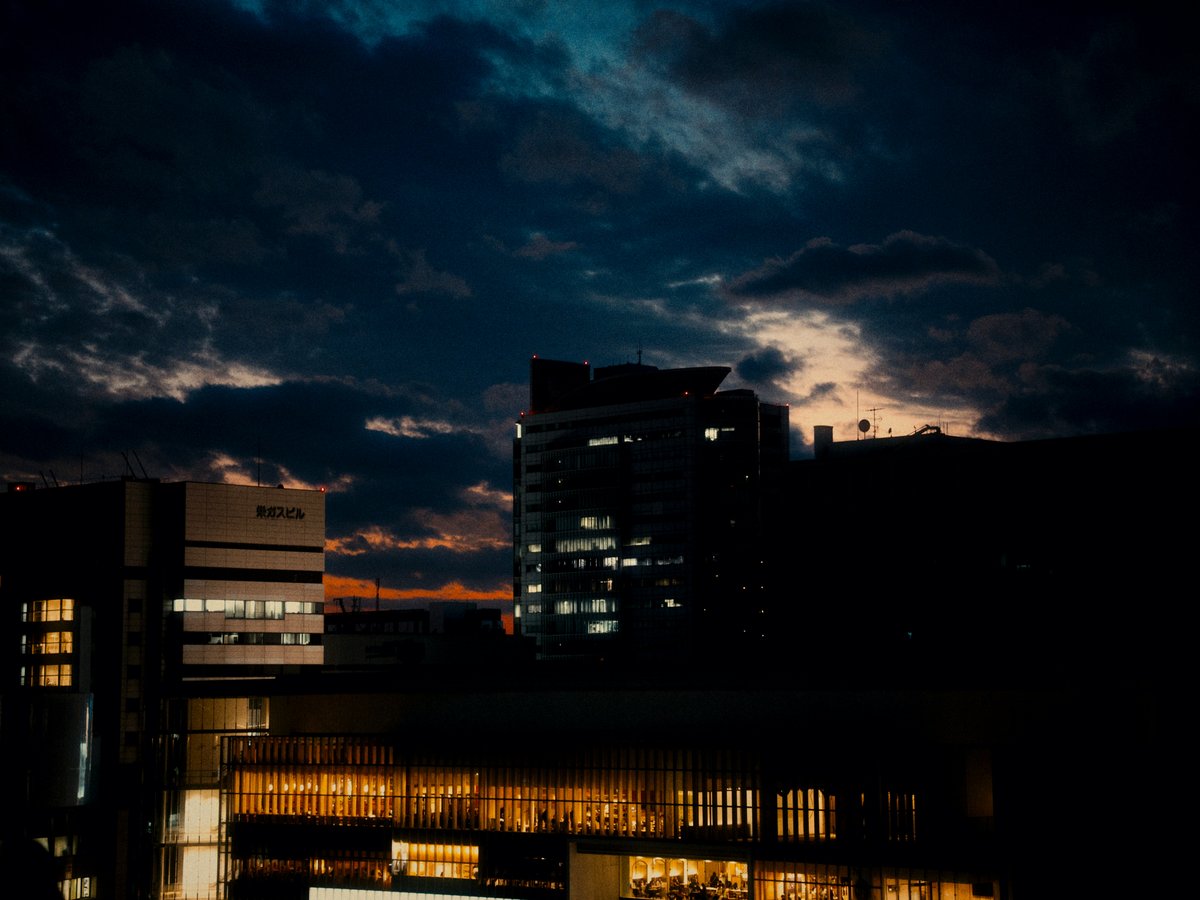
Nagoya Restaurants: What's Worth It
Twelve rooms across Sakae, Higashisakura, Meieki, and the Noritake campus, split into destination meals and problem solvers. Each venue gets a verdict naming who the room is right for and when to walk in.
Published
1 The Destination Meals: Yakitori Shige Higashisakura, Yamamotoya souhonke, Restaurant Kiln, SOLO PIZZA Napoletana, and Moyan Curry
Dark hatcho miso bubbles in an earthenware pot at 11:00 in Sakae 3-chome, and across town a binchotan fire is still hours from its first coal. Nagoya's destination meals do not line up on one block or inside one price bracket. They scatter across Sakae, Higashisakura, the Noritake Garden campus, and the Meieki station blocks in a pattern that rewards the curious eater, not the big spender. The five rooms in this tier are where to commit your limited meals first.
Yamamotoya souhonke opens at 11:00 in Sakae and runs to 21:00, serving the city's defining bowl since 1925. The miso-nikomi udon arrives in a clay pot still roiling from the flame, and the first spoonful of hatcho miso broth hits salty, earthy, and dense. Lighter Kansai-style udon does not carry that weight. Yakitori Shige Higashisakura sits on a side street in Higashi-ku, lights its binchotan at 17:00 Monday through Saturday, and sends out skewers in the cook's order. Tsukune, negima, liver, heart, cartilage. The room holds seven seats and smells like char and rendered fat by 18:00.
Restaurant Kiln occupies the old ceramics building on the Noritake Garden campus in Nishi-ku and serves lunch-only French cooking, 11:00 to 14:30, Tuesday through Sunday. The set courses start around ¥2,200, and the dining room looks out onto the original factory kiln. SOLO PIZZA Napoletana in Sakae 3-chome fires its wood-burning oven at 11:00 and runs to 22:30, seven days. The margherita here comes blistered and soft-centered from a dome that holds around 485°C, in a ward where hotel-lobby Italian is the easier business model. Moyan Curry near Meieki splits service between lunch (11:30 to 15:00) and dinner (18:00 to 23:00), and the thick-roux Japanese curry has enough cumin and slow-cooked depth to make the split rhythm feel intentional.
If your Nagoya trip allows five meals chosen for the cooking rather than the clock, these are the five. Yamamotoya souhonke at lunch for the miso-nikomi. Yakitori Shige Higashisakura on a weekday evening, called ahead. Restaurant Kiln on a Tuesday when the campus is quiet. SOLO PIZZA Napoletana when Sakae needs to offer something that is not fried. Moyan Curry when dinner near Nagoya Station needs to be more than ramen at a chain.
2 The Problem Solvers: Soup Stock Tokyo, Saizeriya, Sushiya tonbo, Furari Sushi Meiekiten, and Diosu maa
Fluorescent light at 00:30 in Sakae, a sushi counter lit at 03:00 in Higashisakura, and a mala tang pot still bubbling past midnight in Naka-ku. The five rooms in this tier are not lesser meals. They solve problems the destination restaurants cannot, because Yamamotoya souhonke locks up at 21:00 and Yakitori Shige Higashisakura goes dark every Sunday.
Sushiya tonbo runs 24 hours with no closing day, a counter in Higashi-ku where the fish case stays lit and a cook stands behind the glass at 03:00 the same as at 14:00. Diosu maa in Naka-ku serves build-your-own mala tang from 11:00 to 25:00 (01:00 the next morning in Japanese scheduling), and the chilli oil and Sichuan peppercorn in the broth make it the only room on this list with real heat. Saizeriya in Naka-ku opens at 10:00 and runs to 01:00, a 15-hour window no independent restaurant on this list can match.
Soup Stock Tokyo in Sakae 3-chome opens at 11:00 and closes at 21:00. Two items on the menu. Soup and curry. The counter seats you, feeds you, and returns you to the street in 20 minutes. Furari Sushi Meiekiten sits in the Meieki blocks near Nagoya Station and runs 11:30 to 23:00 on weekdays, 23:30 on Sundays. The value of Furari Sushi Meiekiten is geographic, a sushi counter within walking distance of the Shinkansen platform, with a cook behind the glass who meets your eye.
Between them, Sushiya tonbo, Diosu maa, and Saizeriya cover every hour from 10:00 through dawn. Soup Stock Tokyo handles the quick midday reset in Sakae. Furari Sushi Meiekiten covers the station side when you need sushi near the Shinkansen gates. If your flight lands at Chubu Centrair after 22:00, the short list is Saizeriya, Sushiya tonbo, and Diosu maa.
3 Yamamotoya souhonke: Miso-Nikomi Udon in the Ward That Invented It
Steam hits you before the menu does at Yamamotoya souhonke in Sakae 3-chome. The miso-nikomi pot has been running since 11:00, and by lunch the room fills with the smell of dark hatcho miso, a paste fermented for two summers in cedar barrels in Okazaki, 40 km east of Nagoya. That fermentation gives the broth a weight and bitterness that lighter dashi-based noodle soups would never carry. The noodles here are deliberately underdone, thick wheat strands that finish cooking in the earthenware pot after it reaches your counter seat. Crack the raw egg into the broth and let it set for 30 seconds. The yolk softens the miso's salt and rounds the whole bowl.
Yamamotoya souhonke is a noodle house. One bowl, one beer, nothing else. The kitchen runs to 21:00, a 10-hour window, but the locals tend to eat here at lunch when the pot is at its deepest and the room is loud with conversation. The phone, +81 52-264-7798, takes calls if you are bringing three or more, but a single diner walks in and sits at the counter.
Skip the impulse to compare Yamamotoya souhonke's miso-nikomi to a lighter udon. It is not the same dish. The broth is thick with hatcho miso, dark and grainy, nothing like the clear dashi under a Kansai noodle. The earthenware pot holds heat for 15 minutes after it leaves the flame, and the last bites taste different from the first as the noodles absorb miso and the egg tightens. Eating this bowl in Sakae matters because the climate and the appetite that produced it still apply here. A branch in Shibuya cannot replicate the humidity of a Nagoya August or the hunger it creates.
If the line at Yamamotoya souhonke is out the door when you arrive, the udon counter at NORITAKE-YA Udon in Nishi-ku serves a plainer bowl from 11:00 to 14:00 on weekdays. But the miso version at Yamamotoya souhonke is the one to prioritize if you have one noodle meal in Nagoya.
One bowl, one beer, nothing else.
4 Yakitori Shige Higashisakura: Seven Seats, No Sundays, No Negotiation
Smoke. That is what finds you first on the Higashisakura side street where Yakitori Shige Higashisakura lights its binchotan at 17:00. The room in Higashi-ku holds seven seats, and by 18:00 most belong to regulars who do not need a menu. The cook decides the order. Tsukune comes first, dense and springy, grilled until the outside chars while the center stays soft. Then negima, alternating chicken thigh and sharp white negi. Liver next, barely pink inside, with a faint mineral taste that separates a proper yakitori-ya from the department-store skewer shops. The haze from the binchotan hangs low across the counter, and the first sip of draft beer tastes faintly of smoke.
Yakitori Shige Higashisakura runs Monday to Saturday and goes dark on Sundays, which is one reason to plan the evening rather than leave it to chance. The phone, +81-50-5890-5224, is worth calling before the salaryman rush at 19:00 if you want a held seat rather than a turned-away evening. Wear something you do not mind carrying the smell of charcoal back to the hotel.
The cook here works tail, heart, cartilage, and skin alongside the standard cuts, and the progression from lean to fatty across 10 or 12 skewers is deliberate. You eat at the cook's pace, with cold beer in between, and you leave when the skewers run out. The tare is a soy base that has been replenished rather than restarted, and by late evening the glaze on the grilled skin carries a caramel depth that a fresh batch cannot reach.
Couples and solo diners who enjoy eating at a cook's tempo will find this counter natural. Groups of four will not fit. Yakitori Shige Higashisakura at 17:00 on a weekday is the one evening counter in Nagoya worth calling ahead for. The reason to pick it over the skewer shops in Sakae is the tare, the binchotan, and the cook who has done nothing else for years.
5 Sushiya tonbo: The 24-Hour Counter Where the Rice Is Still Warm at 3 a.m.
At 03:00 in Higashi-ku, the street outside is quiet enough to hear your own footsteps on the pavement. Inside Sushiya tonbo, the case is lit and the neta sits on ice behind the glass. Tuna, salmon, aji, ika, tamago, and whatever the morning delivery brought in. The selection is not trying to rival a Ginza omakase. At 03:00, the fact that it is real counter sushi, pressed by a cook who meets your eye, separates Sushiya tonbo from the 7-Eleven rice balls you would eat instead.
The room runs 24 hours, seven days, no closing day. The fish here is not the experimental multi-course progression of a destination sushi-ya. It is solid neighborhood sushi, the kind where you order aji, ika, tamago, and ikura by the pair and the cook sets them on the counter without ceremony. The rice is still warm at 03:00, which means someone is cooking it through the night.
Sushiya tonbo quiets down after the last-train crowd from Sakae clears around 01:30 and before the breakfast shift appears around 06:00. That window between 02:00 and 05:00 is when a seat at the counter comes without a wait. Night-shift workers, travellers awake with jet lag at 04:00, and anyone who missed the last departure from Sakae station will find the door open and the case stocked.
Worth noting that a 24-hour sushi counter is unusual in any Japanese city, and Nagoya's version sits in a residential area rather than a nightlife strip. Sushiya tonbo is not where you eat your best sushi in Nagoya. If you want that, try Furari Sushi Meiekiten near Nagoya Station at lunch. At 03:00, Sushiya tonbo is the only counter on this twelve-room list with its lights on, and the fish is real.
6 Soup Stock Tokyo: The 20-Minute Rescue Meal in Sakae
The first thing that reaches you at Soup Stock Tokyo in Sakae 3-chome is the warmth. Not scorching heat. The low, steady warmth of a room where soup has been on the counter since 11:00. The board on a typical day lists something like borscht, corn potage, and a Southeast Asian curry, and the soups rotate by season. The consistency is the draw, the same way a good kissaten draws regulars with coffee rather than spectacle.
You will eat in 20 minutes at Soup Stock Tokyo. The counter seats you fast, feeds you fast, and lets you back onto Sakae's pavement fast. The soups arrive in ceramic bowls, not paper cups, and the curry has enough turmeric stain to suggest it was made that morning. The phone, 052-259-6268, is on the door if you want to check the day's soups before crossing the street, but the room does not require a plan. Walk in after 11:00, order, eat, leave before 21:00.
Mind you, this is not the meal you fly to Nagoya for. Soup Stock Tokyo is the meal that keeps your afternoon from collapsing when the miso-nikomi line at Yamamotoya souhonke is out the door and you need calories before a 14:00 Shinkansen. The right comparison is not the yakitori counter at Yakitori Shige Higashisakura. The right comparison is the convenience-store onigiri you would buy at Lawson instead. Against that yardstick, Soup Stock Tokyo wins on warmth, speed, and the quality of the bowl.
Solo travellers and anyone whose schedule in Sakae runs tighter than their appetite will use this room more than once. The address in Sakae 3-chome sits between Sakae station and the Mitsukoshi and Matsuzakaya department stores, which means Soup Stock Tokyo is the fastest warm meal on the busiest pedestrian corridor in Nagoya.
7 Saizeriya: The 15-Hour Window That Solves Every Late-Night Problem in Sakae
The fluorescent light inside Saizeriya in Naka-ku never quite dims. At 10:00 the room is already serving, and at 00:30 the kitchen is still plating pasta for the karaoke refugees drifting south from Osu. That is a 15-hour service window, open every day, and it changes the arithmetic of eating in Sakae completely.
Read the menu at Saizeriya as a price list, not a restaurant menu. The margherita pizza runs around ¥400. The chicken-and-olive diavola is closer to ¥500. The house wine pours at ¥100 per glass. Order two or three more dishes than you think you need, and let the bill land lower than you expect. The phone, +81 52-238-3165, is there if you need a group table, but on a normal night you walk in without a plan. This is the room the locals use on a Tuesday, not the room they photograph for social media.
Saizeriya is a chain with over 1,000 locations across Japan, and pretending otherwise would be dishonest. The yakitori counter at Yakitori Shige Higashisakura and the noodle pot at Yamamotoya souhonke both offer something Saizeriya cannot, which is specificity to Nagoya. What Saizeriya offers instead is availability. It is open when Yakitori Shige Higashisakura is dark on a Sunday. It is open when Restaurant Kiln has locked the Noritake campus at 14:30. It is open at 00:45 when you need a plate of spaghetti, a glass of wine, and a chair.
Budget travellers, families with children who eat on unpredictable schedules, and anyone whose flight lands at Chubu Centrair after 22:00 should note the Naka-ku address. Saizeriya is not the best meal on this list. It is the most useful one. At 00:45, it is one of only three rooms still serving, alongside Sushiya tonbo and the mala tang pot at Diosu maa.
Saizeriya is not the best meal on this list. It is the most useful one.
8 Diosu maa: Late-Night Mala Tang for the Post-Izakaya Crowd
Chilli oil and Sichuan peppercorn hit the air at Diosu maa before you notice anything else about the room. The pot in this Naka-ku address runs from 11:00 to 25:00 (01:00 the next morning in Japanese scheduling), and the menu is mala tang, build-your-own hot broth. You pick from a counter of bok choy, enoki mushroom, glass noodles, sliced lotus root, tofu skin, and whatever protein the kitchen has that day. The cook weighs your basket and drops it into a numbing, oily red broth. The bowl that comes back is louder than anything else on this twelve-room list, tingling with huajiao and enough dried chilli to clear your sinuses on a humid Nagoya evening.
That late window matters. By 22:30, SOLO PIZZA Napoletana in Sakae 3-chome has shut its oven. By 21:00, both Yamamotoya souhonke and Soup Stock Tokyo have locked up. Yakitori Shige Higashisakura in Higashi-ku goes dark on Sundays entirely. Diosu maa is still serving at 23:00 on a Friday, when the izakaya crowd starts looking for a second meal. The phone, 09065976777, is a mobile number, which tells you something about the scale of the operation.
If you have eaten at Saizeriya at midnight and need something with more heat and less pasta, Diosu maa is the next room in the same Sakae blocks. If the chilli tolerance is low, Sushiya tonbo in Higashi-ku offers the calmer late-night alternative. Diosu maa sits between those poles, a bowl hotter than anything else on this list, served at an hour when most kitchens in Sakae have already cleaned and locked.
Solo diners and small groups who eat late will find Diosu maa natural at 23:00 on a Friday. The 25:00 close means the pot likely keeps running until close to 01:00, and the Sakae hotel blocks in Naka-ku sit walking distance from the door.
Last verified by automated review (v1.7.2_onboard-nagoya-flagship-2026-09-23) on . What is automated review?