Compare every Spain city in November →
Stay in Seville in November
98 hotels in the Trip.com pool for Seville, from US$16 a night.
Opens Trip.com on Fri 6 Nov to Sun 8 Nov 2026; change the dates there.
November in Seville brings daytime temperatures around 20°C (68°F), a full 18 degrees cooler than the July peak of 38°C. That drop changes everything. The city that empties out in summer because of dangerous heat fills back up, but not with the tourist density of spring. You can walk from the Real Alcázar through the narrow lanes of Santa Cruz to the Catedral de Sevilla at midday without stopping every 10 minutes for shade and water. The smell of castañas asadas (roasted chestnuts) drifts from street vendors who set up on corners across Triana and around Alameda de Hércules starting in late October.
Rain is part of the picture. November averages about 52mm across 6 rainy days, which sits between October's heavier 111mm and the dry summer months. The showers tend to arrive in concentrated bursts rather than all-day drizzle, so you might get a 40-minute downpour in the afternoon and then clear skies by evening. Humidity hovers around 76%, noticeable but nothing like the sticky summer months.
To be fair, November lacks the events that define Seville at its peak. There's no Semana Santa procession winding through Macarena, no Feria de Abril with its casetas and rebujito. The Festival de Cine Europeo de Sevilla fills some of the cultural calendar in early November, and the Christmas lights along Calle Sierpes typically switch on in the final week. But this is Seville at a quieter, more livable pace. Warm enough for lunch on a terrace in Plaza del Salvador. Cool enough for long afternoon walks through Parque de María Luisa.
Why visit in November
- Temperatures around 20°C (68°F) make all-day walking and outdoor sightseeing comfortable, a stark contrast to July's 38°C (100°F) when midday tourism becomes a health risk.
- Queue times at the Real Alcázar and Catedral de Sevilla drop well below the 60-90 minute waits common in April and May, and restaurant reservations in Triana are rarely needed.
- Hotel rates fall roughly 25-35% below the April and May peak, with good weekend availability at mid-range properties near the Catedral.
- November falls in the heart of Andalusia's olive harvest season, when mills in the Aljarafe countryside open for tours and fresh-pressed aceite nuevo appears at markets like Mercado de Triana.
Worth knowing
- About 6 rainy days on average, with showers that can arrive without much warning and disrupt outdoor plans for a few hours at a stretch.
- Sunset around 6:00 pm cuts usable daylight for sightseeing by 3 hours compared to summer. By 5:30 pm some parks and archaeological sites feel dark.
- No major cultural events on the level of Semana Santa or Feria de Abril. The cultural calendar is real but modest compared to spring.
- Evenings cool to around 11°C (52°F), which catches visitors off-guard if they packed for 'southern Spain' rather than 'Seville in autumn.'
Best for
Think twice if
November settles into pleasant autumn weather in Seville. Mornings start cool at around 11°C (52°F) with a dampness you can feel near the Guadalquivir. By early afternoon, temperatures reach 20°C (68°F) under mostly clear skies. Rain comes in bursts across roughly 6 days in the month, about 52mm total, often as a concentrated afternoon shower rather than extended grey drizzle. Humidity sits at 76%, noticeable in the morning but comfortable by midday once the temperature climbs. The low autumn sun casts long shadows across Plaza de España by 4 pm, and sunset arrives around 6:00 pm.
Year-round climate
Averages from the last 5 years.
| Month | Avg high (°C) | Avg low (°C) | Rainfall (mm) |
|---|---|---|---|
| Jan | 16 | 7 | 66 |
| Feb | 19 | 9 | 40 |
| Mar | 20 | 10 | 129 |
| Apr | 24 | 13 | 40 |
| May | 29 | 16 | 18 |
| Jun | 33 | 20 | 16 |
| Jul | 38 | 22 | 0 |
| Aug | 37 | 23 | 3 |
| Sep | 31 | 19 | 34 |
| Oct | 27 | 17 | 111 |
| Nov | 20 | 11 | 52 |
| Dec | 17 | 8 | 92 |
Holidays and festivals in November
Public holidays
- All Saints Day(Día de todos los Santos)1 November 2026
When is Christmas season in 2026?
27 November to 26 December 2026
Christmas season is a major cultural celebration in Seville. In 2026 it runs from 27 November to 26 December 2026.
Best things to do in November
Olive mill tours in the Aljarafe countryside
food & drinkNovember is the heart of the Andalusian olive harvest. Small mills (almazaras) in towns like Salteras and Olivares, 20-30 km from central Seville, open their doors for tours. You watch olives pressed into oil that same morning and taste the sharp, peppery aceite nuevo straight from the press, still warm.
The olive harvest runs October to January, but November is peak activity at the mills, with the freshest pressings and the most open-door events.Booking tipContact mills directly a few days ahead. Group tours fill weekend slots first.
Exploring the Real Alcázar gardens without summer heat
sightseeingThe Alcázar's 7 hectares of gardens, from the formal Jardín de las Damas to the wilder English Garden section, are comfortable to walk for hours at 20°C. In summer, these gardens become a heat trap by late morning. November lets you linger in the Patio de las Doncellas and trace the irrigation channels without watching the clock.
Summer temperatures above 35°C make the exposed gardens uncomfortable by 11 am. November's mild weather allows full exploration from opening to close.Booking tipBook timed entry tickets online at least a week ahead. Even in low season, walk-up queues can hit 30 minutes.
Flamenco at peñas flamencas in Triana
cultureTriana, the traditional home of Seville's flamenco culture, has several peñas (private clubs that host performances). The sound of a cajón and a singer's raw voice in a room that holds 40 people, close enough to feel the floor vibrate, is a different thing from the polished tourist-tablao experience.
Peña flamenca seasons typically run November through May. Early-season shows tend to have better availability than the packed spring months.Booking tipCheck schedules at peñas a few days ahead. Some require a local member to vouch for guests, though several now welcome visitors directly.
Day trip to the Itálica ruins
historyThe Roman city of Itálica sits 9 km north of Seville in Santiponce. Its amphitheater, one of the largest in the Roman Empire, could seat around 25,000 spectators. November's mild weather makes the fully exposed site comfortable to explore, and slanting autumn light picks up detail in the mosaic floors that harsh summer sun washes out.
The site has almost no shade. Summer temperatures at Itálica's exposed amphitheater reach dangerous levels by midday. November's 20°C makes a 2-3 hour visit comfortable.Booking tipEU citizens get free entry. Arrive before 10 am for the best light on the mosaics.
Cycling the Guadalquivir river path
outdoorA flat, paved cycling path runs along both banks of the Guadalquivir from the Torre del Oro south past Parque de María Luisa and beyond. At 20°C with moderate humidity, November is comfortable riding weather. Rental bikes are available near the Puente de Triana, and the path stays busy enough with joggers and walkers to feel safe.
Summer heat makes midday cycling along the exposed riverbank a genuine health risk. November temperatures stay comfortable all day, and the autumn light on the river is worth the ride.Catching screenings at the Festival de Cine Europeo de Sevilla
cultureThe SEFF screens over 200 films across venues in central Seville, including the Teatro Lope de Vega and CaixaForum. Individual screening tickets typically cost 3-5 euros, making it a low-commitment way to catch independent and art-house European cinema between tapas stops.
SEFF runs annually in early-to-mid November over about 9 days. It does not happen any other month.Booking tipPopular screenings sell out. Buy tickets online when the schedule drops, usually 2 weeks before the festival opens.
Tasting mosto at bars around Alameda de Hércules
food & drinkMosto is young, cloudy wine from the autumn grape harvest, served by the glass at bars around Alameda de Hércules and in towns across the province of Seville. At 1-2 euros per glass, it is one of the cheapest seasonal drinks in the city. The taste is sweet, slightly fizzy, and miles from anything you will find in a wine shop.
Mosto appears in late October and November and disappears by January. November is peak availability before stocks start thinning.Sunset from the Metropol Parasol rooftop
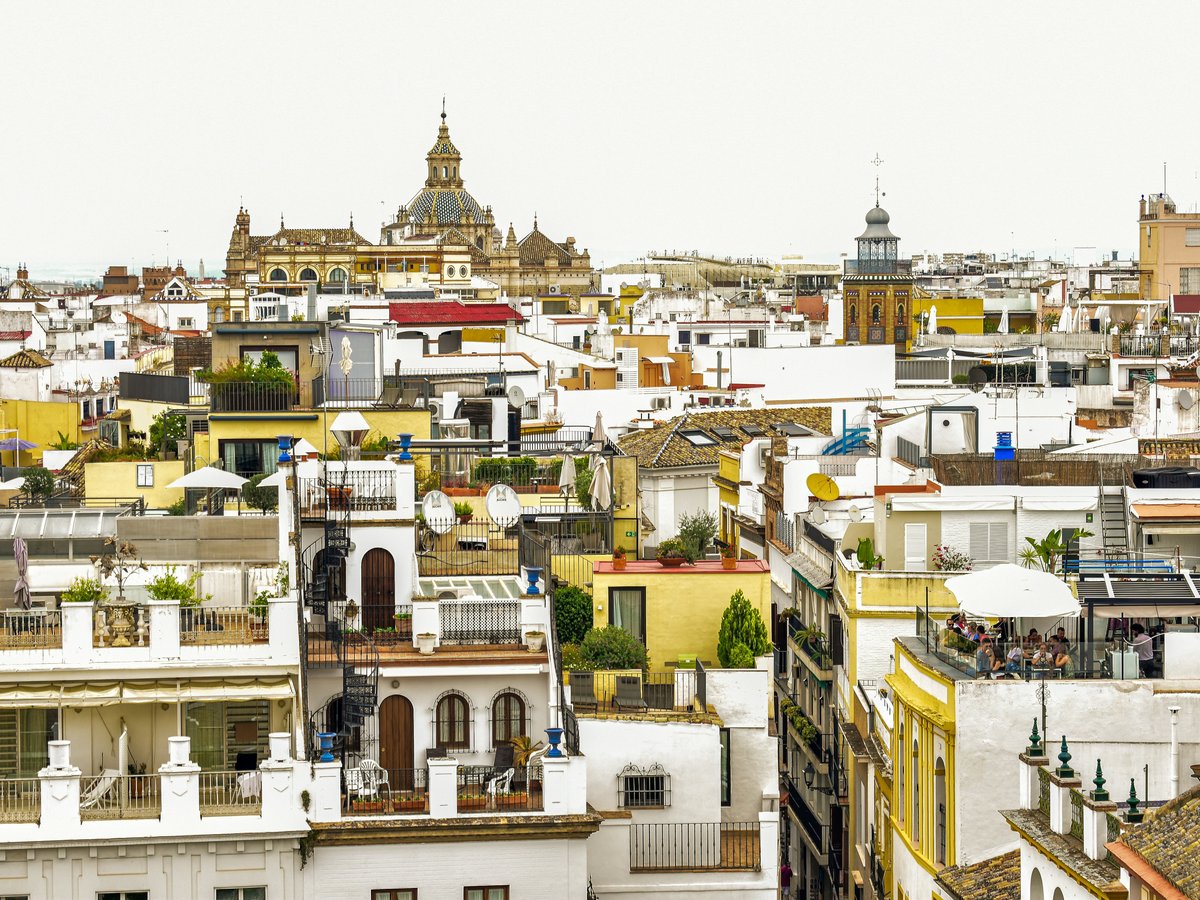
sightseeingThe walkway atop the Metropol Parasol (Las Setas), the wooden lattice structure in Plaza de la Encarnación, gives 360-degree views across Seville's rooftops. November's sunset around 6:00 pm and the low sun angle produce a warmer golden light than summer's overhead glare. The ticket, around 5 euros, includes a drink at the rooftop bar.
November's low sun angle creates the best golden-hour light conditions for rooftop photography, and the comfortable temperature lets you linger rather than retreating from heat.What to eat in November
On menus now
Espinacas con garbanzos
Seville's signature cold-weather tapa. Chickpeas slow-cooked with spinach, cumin, and a splash of vinegar. Bars across El Arenal and Macarena serve it from October through March, and November is when it starts appearing on every menu.
Street food peaks
Castañas asadas
Street vendors appear across Seville from late October, selling paper cones of hot roasted chestnuts for 2-3 euros. The warm, smoky smell follows you through Triana and Santa Cruz on cool November evenings.
What to drink
Mosto
Cloudy, barely-fermented new wine from the autumn grape harvest. It appears in bars around Alameda de Hércules and across the Aljarafe region in November for 1-2 euros a glass. Tastes sweet, slightly fizzy, nothing like aged wine. Gone by January.
In markets
Aceite de oliva nuevo
Fresh-pressed olive oil from the November harvest. The oil is greener, peppery, almost grassy compared to the mellower aged stuff. Mills in the Aljarafe countryside sell it direct during harvest season.
Setas de temporada
November rains bring wild mushrooms to Seville's markets, particularly Mercado de Triana. Local varieties like gurumelos appear in revueltos (scrambled egg dishes) and grilled on their own at tapas bars.
Festival food
Mantecados y polvorones
Crumbly almond-and-lard shortbread from Estepa, about 100 km east of Seville. Production ramps up in November for Christmas, and fresh batches reach Seville's bakeries and markets weeks before they hit shops across the rest of Spain.
Regular events in November
Día de Todos los SantosFree
Spain's All Saints' Day on November 1. Families visit cemeteries, and bakeries sell buñuelos de viento (light fried dough puffs filled with cream). Some shops and banks close for the holiday, though major tourist sites like the Alcázar typically remain open with modified hours.
November 1Festival de Cine Europeo de Sevilla (SEFF)
Seville's annual European film festival, running since 2004, screens over 200 films across 9 days at venues including the Teatro Lope de Vega. The festival attracts directors and industry figures from across Europe. Individual screening tickets run 3-5 euros.
Early to mid-November (typically first or second week)Encendido del Alumbrado NavideñoFree
The official switch-on ceremony for Seville's Christmas street lights, concentrated along Calle Sierpes and surrounding shopping streets. The evening draws large local crowds to see the new designs. The lights then remain on nightly through early January.
Late November (usually final week)Best places this November
Parque de María Luisa
parkSeville's largest park takes on autumn tones in November, with the Plaza de España reflecting golden-leafed trees in its semicircular canal. The 34-hectare park is comfortable for 2-3 hour walks at 20°C. In summer, the park's open spaces become too hot by late morning. November mornings here smell of damp earth and fallen leaves.
El PradoReal Alcázar
monumentThe Mudéjar palace and its 7 hectares of gardens deserve a full morning in November. Summer heat forces most visitors to rush through in under 2 hours. In November you can linger in the Patio de las Doncellas, trace the tile work in the Salón de Embajadores, and walk the gardens at a pace that lets you absorb the detail.
Santa CruzMercado de Triana
marketThe covered market on the Triana side of the Guadalquivir sells seasonal produce, cured meats, and fresh fish. November brings setas (wild mushrooms), chestnuts, and the first mantecados from Estepa. Good for a late-morning snack between tapas stops, with several small bars inside the market hall.
TrianaMuseo de Bellas Artes
museumSpain's second-largest art museum occupies a former convent near Plaza del Museo. The collection of Murillo, Zurbarán, and Valdés Leal paintings is world-class, and November's quieter galleries let you stand in front of Murillo's Inmaculada Concepción without competing for space. A strong rainy-day option.
El ArenalCatedral de Sevilla and the Giralda
monumentThe largest Gothic cathedral in the world by interior area. In November, queue times for climbing the Giralda's 35 ramps (not stairs, the muezzin rode a horse up them) drop to 10-15 minutes from the 45+ common in spring. The rooftop view catches the autumn sunset around 5:45 pm.
Santa CruzAlameda de Hércules
plazaSeville's oldest public garden, laid out in 1574, now the center of the city's bar and nightlife scene. November evenings are cool enough for a jacket but still warm enough to sit at one of the terrace bars. This is where to find mosto and a crowd that skews local rather than tourist.
AlamedaMetropol Parasol (Las Setas)
viewpointThe wooden-lattice structure in Plaza de la Encarnación has a rooftop walkway with panoramic views across the old city. Worth visiting at sunset, around 6:00 pm in November, when the low golden light catches the Giralda. The basement Antiquarium displays Roman and Moorish ruins found during construction.
Encarnación
Your packing checklist
Tick items off as you pack. Your progress saves in this browser.
All packed — have a great trip.
Insider tips
The tapas bars along Calle Betis in Triana have the same river views as pricier restaurants on the Santa Cruz side, at roughly half the cost. Locals tend to eat at spots around Plaza del Altozano instead, which are a 3-minute walk from the waterfront but priced for the neighborhood.
Mosto, the cloudy new wine from the autumn grape harvest, appears in bars across Alameda de Hércules and the Aljarafe towns in November. It costs 1-2 euros per glass and disappears by January. Ask for it by name, because not every bar advertises it on a menu board.
The Metropol Parasol rooftop terrace is worth visiting specifically at sunset, around 6 pm in November. The low autumn sun throws long golden light across the rooftops toward the Giralda. Ticket price is about 5 euros and includes a drink at the bar up top.
Skip the restaurants lining Plaza de España. Walk 10-15 minutes south into the residential blocks of the El Porvenir neighborhood for better cooking at neighborhood prices. The contrast in quality is noticeable.
Avoid these mistakes
- Packing only summer clothes because 'it is southern Spain.' November mornings at 11°C (52°F) are genuinely chilly, especially along the Guadalquivir where cold air settles near the river. Visitors in shorts and sandals at 9 am on the Puente de Triana look miserable.
- Trying to eat dinner at 7 pm. Most kitchens in Seville do not open for dinner service until 8:30 pm, and many locals sit down at 9:30 or 10. Arriving at 7 pm means either a closed restaurant or a dining room with only other tourists, missing the atmosphere entirely.
- Skipping the day trip to Itálica because there are 'enough ruins in the city.' The Roman amphitheater at Itálica in Santiponce, 9 km north, is one of the largest in the Roman Empire. It is far less crowded than any site in central Seville, and November's mild weather makes the exposed, shadeless site comfortable for 2-3 hours.
Practical tips for November
November 1 (Día de Todos los Santos) is a national holiday. Banks and many shops close, though the Alcázar and Catedral typically stay open with modified hours. Check schedules the day before. Sunset in Seville falls around 6:00 pm in early November and 5:50 pm by month's end, about 3 hours earlier than midsummer, so plan outdoor sightseeing for mornings and early afternoons. Restaurant kitchens open for lunch around 1:30 pm and dinner at 8:30 pm. Arriving at 7 pm for dinner means closed doors. Book Alcázar tickets online 1-2 weeks ahead even in low season to avoid the ticket-window queue. Layers work better than a single heavy coat. Mornings can start at 11°C (52°F) and climb to 20°C (68°F) by afternoon. Tap water in Seville is safe to drink. The Seville Card, covering entrance to major monuments, offers better value in November because the comfortable weather lets you fit more visits into each day without heat exhaustion slowing you down.
FAQ
Is November a good time to visit Seville?
November is a genuinely good time to visit Seville. Temperatures around 20°C (68°F) make outdoor sightseeing comfortable all day, which is a major advantage over July and August when the 37-38°C heat makes midday tourism a health risk. Crowds drop well below spring levels, hotel prices fall 25-35% from the April and May peak, and seasonal food like castañas asadas and mosto add a dimension you will not find in other months. The main trade-offs are occasional rain (about 6 days averaging 52mm total), shorter daylight hours with sunset around 6 pm, and a quieter cultural calendar compared to the Semana Santa and Feria de Abril season in spring.
What is the weather like in Seville in November?
Seville in November averages a high of 20°C (68°F) and a low of 11°C (52°F), with about 52mm of rainfall spread across 6 days. Humidity sits at 76%. Mornings feel cool, especially near the Guadalquivir, but afternoons warm up enough for comfortable walking in a t-shirt. Rain tends to arrive in concentrated afternoon bursts rather than all-day grey skies. Pack layers, a light rain jacket, and closed-toe shoes for wet cobblestones in the older neighborhoods.
Is Seville crowded in November?
No. November is low season in Seville. Queue times at the Real Alcázar and Catedral drop well below the spring and summer peaks, and you can walk into most tapas bars without a reservation. The exception is the final week when the Encendido del Alumbrado Navideño (Christmas lights switch-on) draws local crowds to Calle Sierpes and surrounding streets. Even then, the density is nothing like April during Feria.
What should I eat in Seville in November?
November is prime season for several Sevillano specialties. Castañas asadas (roasted chestnuts) from street vendors cost 2-3 euros a cone. Espinacas con garbanzos, the city's signature chickpea-and-spinach tapa, appears on every bar menu as the weather cools. Mosto, the cloudy new wine from the autumn harvest, sells for 1-2 euros a glass at bars around Alameda de Hércules. The first mantecados and polvorones from Estepa arrive in bakeries and markets. Wild mushrooms (setas) show up at Mercado de Triana and in revueltos at tapas bars.
Does it rain a lot in Seville in November?
Moderately. November averages 52mm of rain across about 6 days, which puts it below October's 111mm and December's 92mm but well above the almost bone-dry summer months. The rain typically arrives in short, heavy bursts rather than extended grey spells. You might lose 2-3 hours of an afternoon to a downpour, then have clear skies for an evening walk along the Guadalquivir. A rain jacket and a flexible daily plan handle it well.
Things to Do in Seville in November
 Free cancellation
 White Villages and Ronda Day Tour from Seville
Day trip: 10 hours, free cancellation.
via Viator
Alcazar, Cathedral and Giralda Guided Tour with Priority Tickets
City tour: 3.5 hours.
via Viator Free cancellation
 Cordoba & Carmona with Mezquita, Synagoge & Patios from Seville
Day trip: free cancellation.
via Viator Free cancellation
 3 Cities in One Day: Cordoba, White Village & Ronda from Sevilla
Day trip: 13 hours, free cancellation.
via Viator Free cancellation
 Alcazar of Seville: Exclusive Early Access Tour
City tour: 1.5 hours, free cancellation.
via Viator Free cancellation
 Tour Welcome to Seville in Eco Tuk Tuk Private with Local Guide
City tour: free cancellation.
via ViatorFind a flight to Seville
Live fares to Seville appear here once cookies are accepted.
Last verified by automated review (v1.7.2) on . What is automated review?