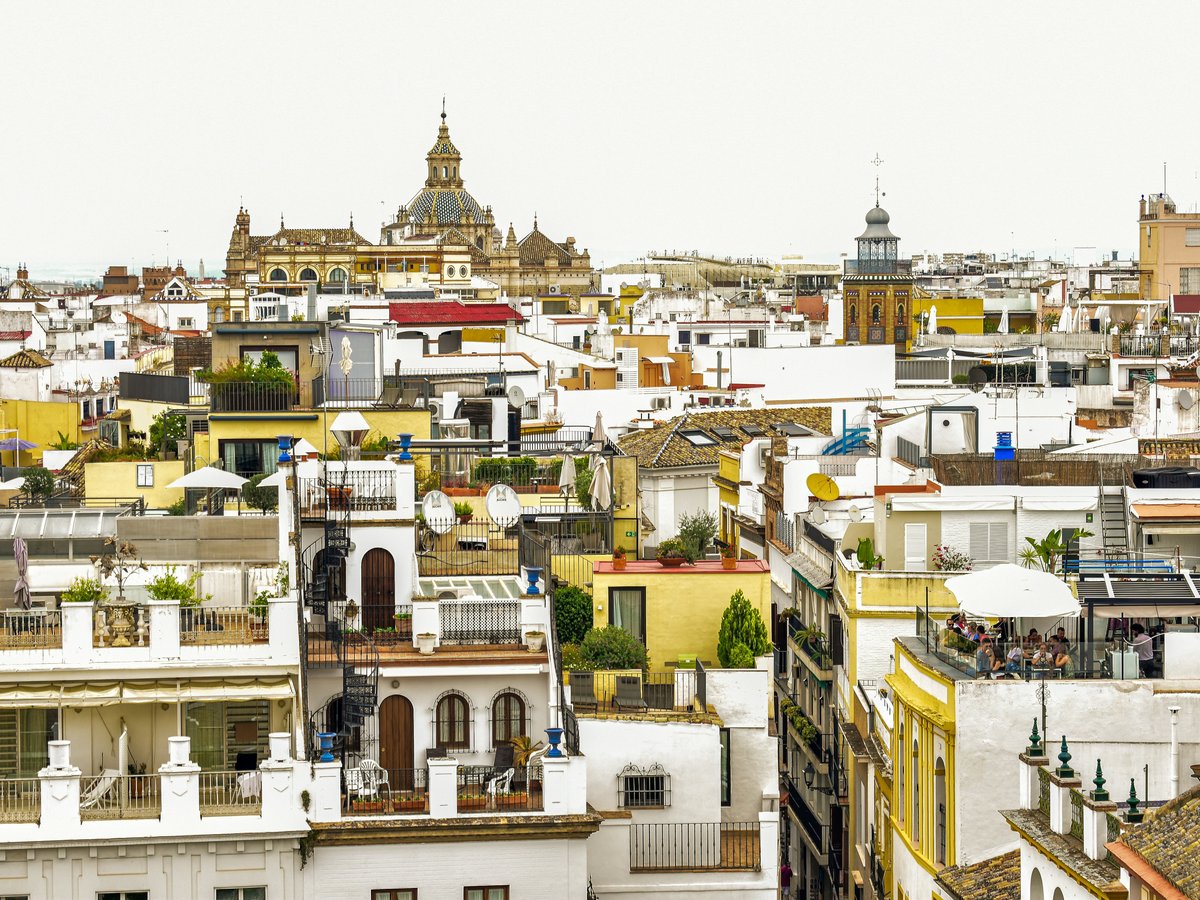
Seville has been a trading city since the Phoenicians, and that mercantile streak still runs through its streets. The city tends to be strongest in three areas. Flamenco goods, from shoes to castanets to polka-dot dresses, are produced locally in workshops that have operated for generations. Ceramics from the Triana neighborhood carry a tradition that dates back to the 13th century, when potters set up along the Guadalquivir's western bank. And Seville's food culture means olive oil, sherry vinegar, and cured ham are bought with the same seriousness locals reserve for picking a barber. Worth noting, Seville is not a fashion capital like Madrid or Barcelona. You won't find cutting-edge Spanish design houses here. What you will find is craft, and the kind of old-school specialty shops where one family has sold one category of goods for 40 or 50 years. The commercial rhythm follows Andalusian hours, which means most independent shops still close between 2pm and 5pm. Shopping here feels slower, more personal, and more rooted in neighborhood identity than in most Spanish cities.
Shopping districts
-
Calle Sierpes and Calle Tetuán
mid-rangeThese two parallel pedestrian streets form Seville's traditional commercial heart, running from Plaza del Duque south toward the Cathedral. Sierpes is the older of the two, lined with small Spanish chain shops, fan vendors, and old-school haberdasheries. Tetuán leans newer, with Zara, Mango, and Massimo Dutti occupying renovated buildings. On Saturday mornings the foot traffic gets thick. You'll notice window displays tend toward the conservative here. Sevillanos dress with a formality that might surprise visitors used to Barcelona's casual style. The side streets between Sierpes and Tetuán hold smaller independent shops selling leather goods, religious items, and mantillas. Some of these side-alley stores have operated since the 1940s and 1950s.
Best for: Spanish high-street fashion, fans, and traditional accessories
-
Triana (Calle San Jacinto and Calle Castilla)
budget to mid-rangeCross the Puente de Isabel II and you're in Triana, a neighborhood that still feels like its own small city. Calle San Jacinto is the main commercial artery, with bakeries, fruit shops, and a handful of independent clothing stores mixed between tapas bars. Calle Castilla and the streets around it hold the ceramic workshops Triana is known for. You can watch potters working in a few of these talleres if you walk in during morning hours. The ceramics here tend to be Sevillano style, geometric patterns in green, blue, and ochre on white tile. Prices run lower than the tourist shops near the Cathedral because you're buying closer to the source. The neighborhood smells like bread and wet clay in the mornings.
Best for: Handmade ceramics, local bakeries, and neighborhood character
-
Calle Feria and Alameda de Hércules
budgetThe Alameda area has changed a lot since the early 2000s. It was rough then. Now it draws a younger, artier crowd, and Calle Feria north of the Alameda holds vintage clothing shops, independent design studios, and a scattering of record stores. Thursday mornings bring the Mercadillo de la Feria flea market to this street. The cafés around the Alameda's twin Roman columns serve flat whites alongside café con leche these days. You might find leather goods, screen-printed posters, or handmade jewelry from local designers in the smaller shops off Calle Feria. The area has a secondhand and DIY energy that the center of Seville lacks.
Best for: Vintage clothing, independent design, and flea market browsing
-
Nervión (Centro Comercial Nervión Plaza)
mid-rangeNervión Plaza sits about 2 kilometers east of the Cathedral, near the Ramón Sánchez-Pizjuán football stadium. This is where Sevillanos go when they want air-conditioned, chain-store shopping without the tourist crowds. El Corte Inglés has a large branch here as well, on Calle Luis de Morales. The surrounding streets hold shoe shops, electronics retailers, and home goods stores. It feels like a normal working neighborhood, which is the point. If you need practical purchases, phone chargers, sunscreen, or a suitcase because yours broke, Nervión is efficient.
Best for: Practical purchases, chain stores, and air-conditioned shopping in summer
-
Barrio de Santa Cruz
premiumThe old Jewish quarter around the Cathedral and Alcázar is Seville's most visited neighborhood, and the shops here know it. Prices on fans, ceramics, and flamenco souvenirs run 30% to 50% higher than the same items in Triana or on Calle Feria. That said, a few genuine artisan shops hold on between the tourist operations. The narrow streets smell like jasmine and orange blossom in April and May. You'll find hand-painted azulejo tiles, leather-bound notebooks, and olive oil soaps in the better shops. The trick is looking for stores where the owner is working behind the counter rather than a bored teenager.
Best for: Souvenirs if you're short on time, but expect tourist markup
-
Calle Asunción (Los Remedios)
mid-rangeLos Remedios is the residential neighborhood south of Triana where middle-class Sevillano families live and shop. Calle Asunción is its commercial spine. You'll find shoe shops, children's clothing, pharmacies, and small boutiques here. No tourists, no English menus, no selfie sticks. The Feria de Abril fairground sits at the western edge of this neighborhood, and during the April Fair week the shops display trajes de flamenca in every window. Outside Feria season, Calle Asunción is quiet and suburban in feel.
Best for: Everyday Spanish shopping without tourist atmosphere
Markets
-
Mercado de Triana
foodThe Triana food market reopened in 2014 after a renovation that kept the original site on the Plaza del Altozano, right at the foot of the Triana bridge. The ground floor holds traditional food stalls selling jamón ibérico, olives, dried fruits, cheeses from the Sierra de Aracena, and fresh fish from the Gulf of Cádiz. Upstairs, a handful of newer gastro-bars serve tapas. The market still functions as a real neighborhood market. Locals wheel shopping trolleys through at 10am on weekday mornings. The smell of cured meat and brined olives hits you at the entrance.
Monday to Saturday, roughly 9am to 3pm, though some stalls keep shorter hours
-
Mercado de la Encarnación (Mercado de las Setas)
foodThis food market sits beneath the Metropol Parasol wooden structure on Plaza de la Encarnación. It reopened in 2011 when the Parasol was completed. The basement level holds a mix of traditional food vendors and some newer prepared-food counters. The produce stalls sell seasonal Andalusian fruits, and you'll find vendors specializing in bacalao, morcilla, and local honey. It's smaller than Triana's market and gets more foot traffic from tourists because of the Parasol above, but the vendors are still serving a neighborhood clientele.
Monday to Saturday, typically 9am to 2:30pm
-
Mercadillo de la Feria (El Jueves)
fleaSeville's oldest flea market has run on Calle Feria and the surrounding streets on Thursday mornings for centuries. The name El Jueves means Thursday. Vendors spread blankets and set up folding tables with old books, vinyl records, vintage clothing, antique tools, brass fittings, old postcards, and the general debris of Sevillano attics. Quality varies wildly. You might spot old flamenco LPs, 1960s movie posters, or a box of Expo '92 memorabilia next to broken alarm clocks. The market winds down by 2pm. Arrive before 11am for the best selection.
Every Thursday morning, roughly 9am to 2pm
-
Mercado Navideño (Plaza de San Francisco)
seasonalDuring the weeks before Christmas, Seville sets up a seasonal market on Plaza de San Francisco, near the Ayuntamiento. Stalls sell nativity figures (belenes are a serious tradition in Andalusia), Christmas sweets like polvorones from Estepa, mantecados, and turrones. The market typically runs from late November through the end of December. Sevillano families come to buy specific figurines for their home nativity scenes, and some vendors have been selling hand-painted pieces for decades.
Late November through December, daily
-
Mercado de Artesanía del Postigo
artisanThis small crafts market operates on Plaza del Cabildo, in the curved arcade near the Cathedral. It leans toward local artisans selling leather goods, jewelry, and painted ceramics. The stalls change somewhat, but regulars include leatherworkers and silversmiths. It's low-key, without the aggressive energy of some tourist markets. The arcade itself is a pleasant spot with arched ceilings.
Varies, but typically weekday and Saturday mornings
-
Mercado de Artesanía on Alameda de Hércules
artisanOn the first Saturday and Sunday of each month, artisan vendors set up around the Alameda de Hércules plaza. The stalls tend toward handmade jewelry, printed textiles, natural cosmetics, and ceramics from younger Sevillano makers. The Alameda's weekend brunch crowd provides a steady stream of browsers. It has the feel of a neighborhood craft fair rather than a formal market.
First weekend of each month, mornings into the afternoon
Souvenirs worth bringing home
Ceramics from Triana are the most genuinely Sevillano thing you can bring home. Look for hand-painted tiles (azulejos) in the traditional blue, green, and ochre palette. Small tiles start around 3 to 5 euros each, and a set of decorative plates can run 15 to 40 euros depending on the workshop. Abanicos (hand fans) are made locally, and Seville is one of the few cities where they're still a functional accessory, not only a tourist prop. Wooden fans with hand-painted fabric tend to be higher quality than the cheap plastic ones sold near the Cathedral. Expect to pay 15 to 30 euros for a decent wood-and-fabric fan. Olive oil from the Andalusian countryside is another strong option. Seville province and neighboring Jaén together produce roughly half of Spain's olive oil, and small-batch bottles from denominación de origen producers make distinctive gifts. A 500ml bottle of quality extra virgin typically costs 6 to 12 euros. Flamenco items, castanets, shoe nails, peinetas (decorative combs), and polka-dot fabric, are produced in and around Seville for working performers, so the local versions tend to be better-made than imports. Sherry vinegar from Jerez, about 90 minutes south, is stocked in every Seville food market and packs well for luggage. Mantecados and polvorones from Estepa, a town about 100 kilometers east, appear in every Sevillano shop from October onward and keep well for weeks.
Practical tips
- Shop hours
- Most independent Seville shops still follow a split schedule. They open around 10am, close between 2pm and 5pm for lunch, then reopen until 8:30pm or 9pm. Saturday afternoons are hit-or-miss. Many smaller shops close Saturday afternoon and all day Sunday. Department stores like El Corte Inglés and shopping centers like Nervión Plaza stay open continuously from 10am to 9:30pm or 10pm, Monday to Saturday. Summer hours (July and August) may shift, with some shops opening later and staying open later.
- Payment methods
- Card payment is widely accepted in Seville, even in smaller shops. Contactless works nearly everywhere. Mind you, some flea market vendors and older market stalls still deal in cash only, so carry some euros if you plan to browse El Jueves or the smaller craft markets. Spanish shops rarely accept non-euro foreign currency.
- Tax refunds (DIVA system)
- Non-EU residents can claim a VAT refund on purchases above 90.16 euros per transaction from a single store. Spain uses the DIVA electronic system. Ask the shop for a DIVA tax-free form at the time of purchase, then validate it at the electronic DIVA kiosk at the airport before you check your luggage. Seville's San Pablo airport has DIVA terminals in the departures area. The refund covers most of the 21% IVA. Processing through companies like Global Blue or Planet involves a service fee that typically reduces the actual refund to around 12% to 15%.
- Bargaining
- Fixed prices are the norm in Seville shops, boutiques, and markets. Bargaining is not expected or welcomed in food markets or retail stores. The exception is El Jueves flea market on Thursdays, where a polite offer on secondhand items is normal. Even there, the haggling is gentle. Offering half the asking price would be considered rude. A 10% to 20% discount request on non-food flea market items is reasonable.
- Siesta gap strategy
- The 2pm to 5pm closure catches visitors off guard, especially in the Triana and Santa Cruz neighborhoods where most shops follow the traditional schedule. Use the siesta hours for the Cathedral, the Alcázar, or a long lunch. The Nervión area and El Corte Inglés stay open through the gap if you need continuous shopping time.
- Carrying ceramics home
- If you buy Triana tiles or plates, most ceramic workshops will wrap purchases in newspaper and cardboard at no charge. For larger orders, some Triana talleres offer shipping within Spain and to EU countries. Tiles survive checked luggage well if wrapped individually. Plates are riskier. Consider buying from a workshop that ships rather than gambling with airline baggage handlers.
FAQ
What are the best days of the week for shopping in Seville?
Weekday mornings between Tuesday and Friday tend to be the most productive for shopping. All shops and markets are open, crowds are lighter than weekends, and you avoid the Monday closures that affect some smaller independent stores. Thursday mornings are particularly good because the El Jueves flea market runs on Calle Feria. Saturday mornings work well for markets and most retail, but many shops close by 2pm on Saturdays and stay shut until Monday.
Is Seville a good city for buying flamenco dresses and accessories?
Seville is likely the best city in Spain for flamenco clothing. The traje de flamenca (the ruffled dress worn at the Feria de Abril) is a Sevillano tradition, and local dressmakers produce them year-round. Ready-to-wear flamenco dresses are sold in shops along Calle Sierpes and in the Triana neighborhood. Custom-made dresses require fittings and several weeks of lead time. Flamenco shoes, shawls, combs (peinetas), and earrings are all produced locally. Prices for a ready-made dress typically start around 100 to 150 euros and can reach well over 1,000 euros for custom work with quality fabrics.
Where should I buy olive oil in Seville?
The food markets, particularly Mercado de Triana, stock bottles from small Andalusian producers at prices lower than tourist shops. Look for olive oil labeled with a denominación de origen like Sierra de Segura, Priego de Córdoba, or Sierra Mágina. El Corte Inglés also carries a wide range of Spanish olive oils in its gourmet food section. Avoid the decorative ceramic bottles sold in souvenir shops near the Cathedral. They tend to contain lower-grade oil at a higher price.
Are Seville shops open on Sundays?
Most independent shops in Seville close on Sundays. Some souvenir shops in the Santa Cruz and Cathedral area remain open, and cafés and restaurants operate normally. El Corte Inglés and Nervión Plaza are generally closed on Sundays, though they may open on designated commercial Sundays (domingos de apertura), which occur about 8 to 10 times per year, often around holiday periods and the Feria de Abril.
What is the Feria de Abril and does it affect shopping?
The Feria de Abril is Seville's annual spring fair, held about 2 weeks after Easter. During Feria week, many shops adjust hours or close early as the city shifts its energy to the fairground in Los Remedios. The weeks before Feria are the peak season for buying flamenco dresses, fans, and accessories. Shops on Calle Sierpes and in Los Remedios fill their windows with trajes de flamenca. If you want to see Seville's commercial culture at its most intense, the pre-Feria shopping period in March and April is it.
How do I tell real Triana ceramics from mass-produced imports?
Genuine Triana ceramics are hand-painted, and you can usually see slight irregularities in the brushwork, which is a sign of quality rather than a flaw. The workshops on Calle Castilla and Calle Alfarería in Triana typically mark their pieces with the taller's name or stamp on the underside. Mass-produced imports tend to have perfectly uniform patterns and feel lighter. If you're buying from a Triana workshop where you can watch the potter or painter at work, you're almost certainly getting the real thing. Prices for hand-painted Triana pieces are higher than factory imports, but the difference is usually 5 to 15 euros per item, not a dramatic markup.
Last verified by automated review (v1.7.2) on . What is automated review?