Stay in Bogota in March
87 hotels in the Trip.com pool for Bogota, from US$11 a night.
Opens Trip.com on Fri 5 Mar to Sun 7 Mar 2027; change the dates there.
March is the wettest month of the year in Bogota. That single fact should shape your expectations before anything else. The city sits at 2,640 meters in the Eastern Cordillera of the Andes, and in March it collects roughly 185mm of rain across 26 days. Daytime highs hover around 19.9°C (68°F), with nights dropping to 9.1°C (48°F). Humidity averages 82%, and when low clouds press against the hills above La Candelaria, the damp seems to push straight through your jacket.
The saving grace is rhythm. Mornings in Bogota tend to break clear or partly cloudy, sometimes with pale sunshine warming the cobblestones by 9am. Rain arrives in the afternoon, usually between 2pm and 6pm, ranging from a brief downpour to a slow drizzle that lasts until dark. You can reliably plan outdoor time before 1pm and pivot to museums or cafés after lunch. The pattern holds on most days, though you will get the occasional morning surprise.
In even-numbered years, March carries one serious draw. The Festival Iberoamericano de Teatro de Bogotá, one of the largest performing arts festivals on the planet, typically opens in the final week of the month. Hundreds of theater companies from over 40 countries fill venues across the city, from Teatro Colón (which has stood since 1892) to improvised stages in public plazas. Without the festival, March is honestly one of Bogota's hardest months to recommend. With it, in a year like 2026, the rain becomes background noise.
Why visit in March
- Festival Iberoamericano de Teatro de Bogotá typically launches in late March during even years like 2026, bringing over 800 performances and free outdoor street theater to stages across the city
- Accommodation rates sit well below the annual average, with wide last-minute availability in neighborhoods like Chapinero and Teusaquillo
- Major museums see noticeably thinner crowds than during the December-January peak, so galleries feel unhurried and spacious
- Mornings before noon typically stay clear at 14-17°C (57-63°F), comfortable walking temperature for touring the colonial center without breaking a sweat
Worth knowing
- Rain falls on the majority of March's days, making it Bogota's wettest month. Afternoon outdoor plans get disrupted more often than not.
- The combination of high humidity and cool air makes 15°C feel closer to 10°C on damp, shadowed streets after sunset. The chill is the kind that settles into your bones.
- Day trips to popular destinations like Zipaquirá's Salt Cathedral carry higher rain risk, and mountain roads toward Villa de Leyva can slow considerably in wet conditions
- Semana Santa preparations begin late month. Some restaurants and shops reduce hours or close in the final days as bogotanos leave the city for the holiday week.
Best for
Think twice if
March sits at the peak of Bogota's first rainy season, which runs roughly from February through May. The city's altitude keeps temperatures nearly constant year-round, so the difference between March and the dry months is water, not heat. Expect overcast skies most afternoons, with showers that range from a 20-minute downpour to a slow drizzle lasting 2-3 hours. Mornings often feel pleasant. Thin sunshine warms stone facades in the old town. By late afternoon, the damp settles and a warm layer becomes necessary. The air carries the smell of wet stone and eucalyptus from the hillside forests east of the city.
Seasonal caution
- UV radiation at Bogota's elevation is roughly 30% more intense than at sea level. Even on overcast March mornings, unprotected skin can burn within 40 minutes. Apply SPF 50 before heading out, especially for extended walks along open stretches of Carrera Séptima.
Year-round climate
Averages from the last 5 years.
| Month | Avg high (°C) | Avg low (°C) | Rainfall (mm) |
|---|---|---|---|
| Jan | 21 | 7 | 57 |
| Feb | 21 | 9 | 110 |
| Mar | 20 | 9 | 185 |
| Apr | 20 | 9 | 159 |
| May | 19 | 9 | 131 |
| Jun | 19 | 9 | 106 |
| Jul | 19 | 8 | 62 |
| Aug | 20 | 8 | 46 |
| Sep | 20 | 8 | 52 |
| Oct | 20 | 8 | 110 |
| Nov | 20 | 9 | 149 |
| Dec | 21 | 8 | 64 |
Holidays and festivals in March
Public holidays
- Saint Joseph's Day(Día de San José)22 March 2027
- Maundy Thursday(Jueves Santo)25 March 2027
- Good Friday(Viernes Santo)26 March 2027
Headline events
Festival Iberoamericano de Teatro de Bogotá
Late March through mid-April (even years only; next edition 2026)
One of the world's largest performing arts festivals, held every two years in Bogota since 1988. Over 800 performances by companies from more than 40 countries fill theaters, parks, and plazas across the city for roughly 17 days. Street performances are free. Indoor shows range from Colombian experimental theater to European contemporary dance. In non-festival (odd) years, this event does not occur.
Best things to do in March
Spend rainy afternoons in the Gold Museum
museumThe Museo del Oro holds over 55,000 pre-Columbian gold pieces across three floors. Founded in 1968, it remains one of the most significant archaeological collections in the Americas. A single visit barely covers the surface. The top-floor darkened vault, where hundreds of gold objects light in sequence, is worth sitting through twice. The weight of all that metal in a dark room does something that photographs cannot replicate.
March's persistent afternoon rain gives you unhurried hours inside without feeling guilty about missing sunshine. Low visitor counts mean you can stand at display cases alone.Booking tipFree entry on Sundays. Weekday mornings before 11am are quietest.
Attend Festival Iberoamericano de Teatro performances
performing artsIn even years like 2026, the festival's opening week falls in late March. Outdoor street performances take over parks and plazas across the city, from Parque Nacional to the streets around Plaza de Bolívar. Indoor ticketed shows range from Colombian experimental theater to European contemporary dance. The energy across the city shifts noticeably during the festival's opening days.
The festival only occurs in even-numbered years, and its opening days fall in the final week of March. This is the single strongest reason to visit Bogota this month.Booking tipIndoor shows at venues like Teatro Jorge Eliécer Gaitán sell out early. Book through the festival's official website as soon as the program drops, typically 6-8 weeks before opening night.
Ride the Ciclovía on Sunday morning
outdoorEvery Sunday and public holiday, Bogota closes over 120 km of roads to motorized traffic. Cyclists, runners, and walkers take over from 7am to 2pm. The Carrera Séptima stretch runs through the heart of the city, past food stalls and live music. Rent a bike near Parque de la 93 or from stands along the route. The atmosphere is social and unhurried.
March mornings tend to be clear and cool, near-ideal riding temperature. The route closes at 2pm, right as afternoon showers typically begin. You get the full experience and dodge the rain.Booking tipNo booking needed. Arrive by 8am for less crowded roads. The Usaquén segment is quieter than the central stretch.
Walk the Bogotá Botanical Garden at peak green
natureThe Jardín Botánico José Celestino Mutis, founded in 1955, covers 19.5 hectares and holds one of Colombia's largest orchid collections. The tropical greenhouse stays warm regardless of outside conditions. Walking trails through the native-forest section are soft underfoot from the rain and thick with fern growth.
Heavy March rainfall pushes the garden to its greenest state of the year. The orchid collection tends to have the most simultaneous blooms during the wet months.Booking tipOpen Tuesday through Sunday. Go between 9am and noon for morning light before the clouds thicken.
Coffee tasting across Chapinero's specialty roasters
food and drinkBogota's specialty-coffee scene clusters in Chapinero, where roasters serve single-origin Colombian beans from Huila, Nariño, and Cauca departments. The neighborhood has over a dozen serious roaster-cafés within walking distance of each other. Spend an afternoon moving between them, tasting different regional profiles while rain runs down the windows.
March falls during the transition between coffee harvest seasons in some Colombian growing regions. Fresh-crop beans from the early-year harvest appear on café menus as limited micro-lots.Booking tipNo booking needed for walk-ins. Reserve cupping sessions 2-3 days ahead at the larger roasters.
Explore the Colombian National Museum on a rainy afternoon
museumHoused in a former prison dating to 1874, the Museo Nacional has operated since 1823, making it one of the oldest museums in the Americas. The permanent collection spans pre-Columbian artifacts, colonial-era religious art, and 20th-century political history. The building itself, with thick stone walls and its panopticon layout, is as absorbing as the exhibits.
Low visitor counts in rainy March mean more breathing room in the museum's narrower gallery corridors. Combined with the afternoon showers, the museum becomes a natural anchor for half-day plans.Booking tipFree on the last Sunday of each month. Audio guides available in English and Spanish.
Watch Semana Santa processions begin in La Candelaria
culturalPalm Sunday 2026 falls on March 29, starting Bogota's Holy Week. Processions move through the streets of the historic center, with participants carrying elaborate pasos (religious floats) past the Primary Cathedral of Bogotá, which dates to 1807. The scent of incense mixes with the wet-stone smell of the rain-slicked plaza. Church services at the cathedral draw large congregations.
Semana Santa 2026 begins on March 29. The Palm Sunday processions are among the most visually striking religious events in the Colombian calendar.Booking tipNo tickets needed for processions. If you want a seat inside the cathedral for Palm Sunday mass, arrive at least 90 minutes early.
What to eat in March
In season: fruit
Mango
Colombian mango season peaks between February and April. Street vendors across Chapinero and the centro sell sliced mango with lime and salt from pushcarts. They're everywhere in March. March mangoes tend to run at their sweetest, deep orange and dripping sticky juice. Tommy Atkins and Mango de Azúcar (honey mango) varieties are the most common.
On menus now
Ajiaco
Bogota's signature soup, made with three varieties of potato, corn on the cob, shredded chicken, and the herb guascas. A side of capers, cream, and avocado arrives separately. The rainy afternoons of March make this the most satisfying time of year to sit in a tiled-floor restaurant with a steaming bowl. The flavor is starchy and warming, with a grassy finish from the guascas that no other Colombian soup shares.
Changua
Traditional Bogotano breakfast soup of milk, water, scallions, and a poached egg. The flavor is subtle, milky and slightly oniony, nothing like the heavier stews of Colombia's Caribbean coast. On a cold March morning in a no-frills cafeteria in Teusaquillo, a bowl of changua feels like the only reasonable way to start the day.
What to drink
Chocolate Santafereño
Hot chocolate made from Colombian cacao tablets, whipped until frothy, served with a chunk of fresh white cheese that you drop into the cup and let soften. The cheese turns salty and stretchy in the hot liquid. Cafés in the historic center serve it alongside almojábanas (cheese bread). March's cool, wet afternoons turn this from a novelty into a necessity.
Aguapanela
Unrefined cane sugar (panela) dissolved in hot water, sometimes served with a piece of fresh cheese or a squeeze of lime. Street vendors sell it from thermoses outside TransMilenio stations during evening rush hour. The flavor is mellow brown sugar with a slight caramel note. On a damp 10°C evening waiting for the bus, it is the drink Bogota reaches for.
Festival food
Empanadas de vigilia
During Lent, which spans all of March in 2026, many street-food vendors swap their usual beef or chicken fillings for fish, beans, or potato. These Lenten empanadas appear at stalls across the city, especially near churches. The tradition intensifies in the final days of March as Semana Santa begins, and bakeries add special Lenten pastries to their cases.
Regular events in March
Día de San José (observed)Free
Public holiday honoring Saint Joseph, moved to Monday March 23 in 2026 under Colombia's Ley Emiliani. Banks, government offices, and many shops close. The Ciclovía runs on this day, making it a bonus weekday cycling opportunity.
March 19 (observed Monday March 23, 2026)International Women's Day marches and eventsFree
Organized marches and rallies on March 8 converge on central Bogota, drawing tens of thousands of participants and temporarily disrupting TransMilenio routes through the centro. Cultural events and film screenings tied to the day run through the first two weeks of March in venues across Chapinero.
March 8Semana Santa opening (Palm Sunday)Free
Holy Week 2026 begins on Palm Sunday, March 29. Street vendors sell palm fronds outside churches across the city. Religious processions wind through the historic center. While the principal public holidays (Jueves Santo and Viernes Santo) fall in early April, the devotional atmosphere shifts noticeably from this day onward.
March 29, 2026Best places this March
Botero Museum
museumFernando Botero donated 123 of his own paintings and sculptures alongside 85 works by Picasso, Monet, Dalí, and other international artists to this museum, which opened in 2000. The permanent collection fills a restored colonial house. On a rainy March afternoon, entire rooms stand empty. Entry is free.
La CandelariaPlaza de Bolívar
landmarkThe central square of Bogota, flanked by the Primary Cathedral, the Capitolio Nacional, the Palacio de Justicia, and the Alcaldía. In late March 2026, the plaza will likely host Festival Iberoamericano street performances and early Semana Santa preparations at the same time. On clear mornings, the Cerros Orientales frame the square in sharp green.
La CandelariaUsaquén neighborhood and Sunday market
marketThe former colonial town, now absorbed into northern Bogota, hosts a weekend flea market along its pedestrian streets. Artisan jewelry, leather goods, and handmade ceramics fill the stalls. March rain thins the crowd, making it easier to browse without being pushed along. Arrive before noon. The surrounding streets hold good lunch options.
UsaquénBogotá Museum of Modern Art (MAMBO)
museumFounded in 1955, the MAMBO sits in the San Martín area and rotates contemporary Colombian and Latin American art through its angular concrete galleries. March exhibitions in even years typically include openings timed to coincide with the theater festival's audience.
San MartínPaloquemao market
marketBogota's largest wholesale market covers an entire city block near the old Estación de la Sabana. The smell hits first. Ripe fruit cuts through wet concrete. In March, the stalls pile high with mangoes, lulos, guanábanas, and papayas from Colombia's warmer lowlands. The flower section fills one wing with roses, orchids, and carnations grown in the Sabana de Bogotá greenhouses.
Los MártiresCerro de Monserrate
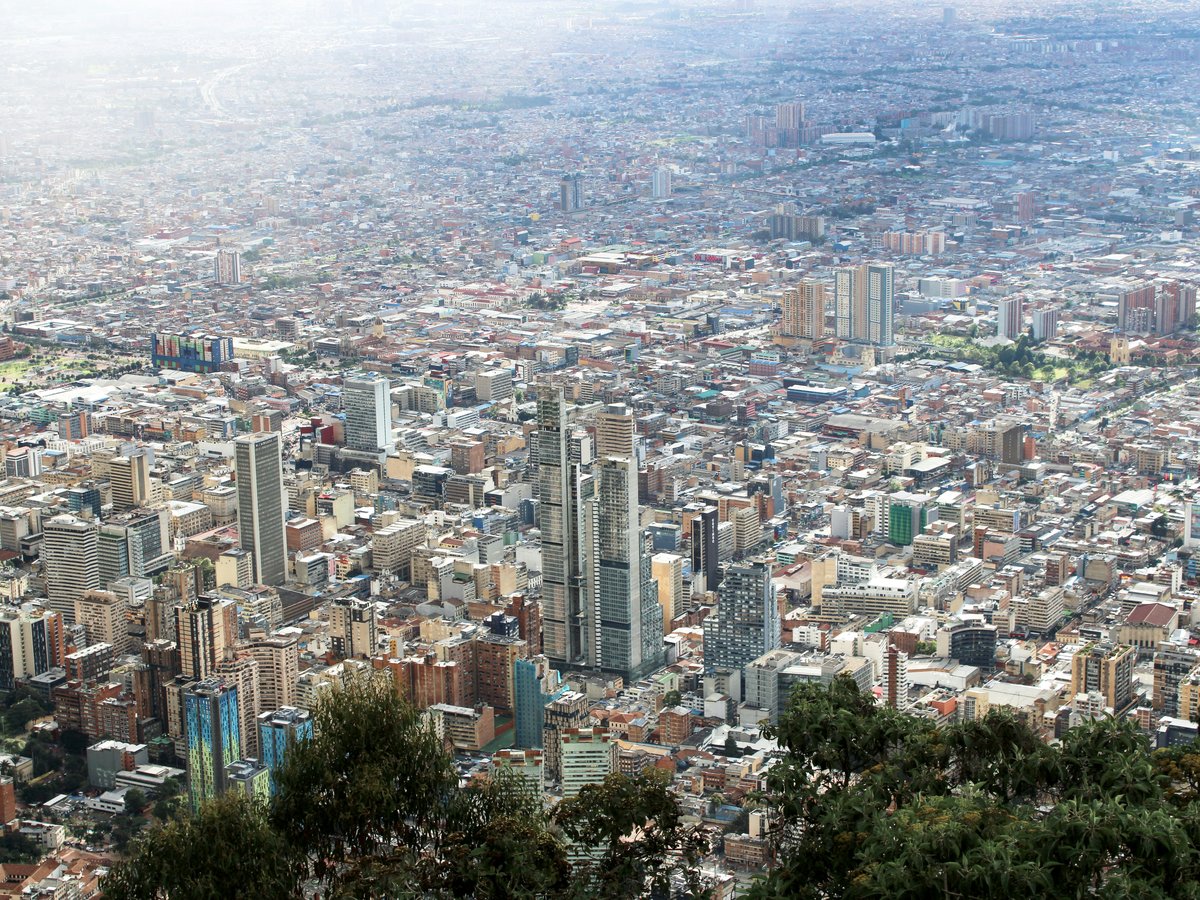
viewpointThe hilltop church and viewpoint at 3,152 meters offers a panorama across the city and the Sabana de Bogotá. The funicular and cable car run daily. In March, timing matters more than any other month. Go early, before 9am if possible, when the sky tends to be clearest. The view at that hour reaches the western edge of the savanna. By afternoon, clouds typically swallow everything above 2,800 meters.
La Candelaria (base)
Your packing checklist
Tick items off as you pack. Your progress saves in this browser.
All packed — have a great trip.
Insider tips
The Usaquén flea market runs every Sunday regardless of rain, but vendors start packing up early when the afternoon showers hit hard. Aim to arrive by 10am and finish by 1pm. The stalls closest to the central park tend to carry the best handmade leather goods.
Restaurants across La Macarena offer almuerzo ejecutivo (set lunch menus) on weekdays at a fraction of dinner pricing. Quality is often higher at lunch because the kitchen is freshest. A typical set menu includes soup, a main course, rice, juice, and a small dessert.
The altitude hits harder than most visitors expect. Spend your first 24-48 hours at low intensity. Avoid climbing Monserrate on foot your first day. The combination of thin air and rainy-season dampness will leave you winded faster than the distance suggests.
TransMilenio, the bus rapid transit, gets extremely crowded during rush hours (roughly 6:30-8:30am and 5-7pm). Outside those windows, it covers the city efficiently. The newer SITP feeder buses are usually less packed and reach neighborhoods like Teusaquillo that the main trunk lines skip.
Avoid these mistakes
- Scheduling all outdoor activities for the afternoon. March rain typically arrives between 2pm and 6pm. Locals plan around this. Hit Monserrate, the Botanical Garden, and the Usaquén market before noon, then shift indoors after lunch.
- Packing for the tropics because Colombia sits near the equator. Bogota sits high in the Andes. Shorts and sandals will leave you shivering by 6pm. Bring layers you would wear for a cool autumn week in a European city.
- Trying to drive to day-trip destinations in the rain. Roads out of Bogota toward Zipaquirá, Villa de Leyva, and Suesca can slow when wet weather meets truck traffic. Intercity buses from the Terminal de Transportes are more reliable and run on predictable schedules.
Practical tips for March
Book accommodations in Chapinero or La Candelaria for walkability to major museums and theater-festival venues. March is low season, so reservations made even a few days ahead will find wide availability, except during the Festival Iberoamericano's opening week in even years. The Día de San José holiday (observed March 23 in 2026) closes banks and government offices. Expect reduced TransMilenio frequency on that day and heavier traffic around Semana Santa's start on March 29 as bogotanos begin leaving by car. Dress in layers you can peel on and off through the day. Morning temperatures around 12-14°C (54-57°F) can climb to nearly 20°C (68°F) by midday before the rain cools everything again. Carry your rain jacket even on mornings that look clear. March showers can arrive with 15 minutes of warning. If you plan to attend Festival Iberoamericano shows, download the festival's mobile app for real-time schedule updates and venue maps. LGBTQ+ travelers will find Bogota relatively welcoming, with the city scoring 7.5/10 for LGBTQ+ friendliness (sourced from TTDI's editorial rubric). Chapinero is the most established LGBTQ+-friendly neighborhood, with bars and community spaces concentrated along the blocks between Calle 58 and Calle 66.
FAQ
Is March a good time to visit Bogota?
Honestly, March is one of the weaker months. It brings the heaviest rainfall of the year, with showers on nearly every day. That said, mornings tend to be clear, temperatures stay mild, and low-season pricing means good value on accommodation. In even years like 2026, the Festival Iberoamericano de Teatro adds a serious cultural reason to visit despite the weather. In odd years, January, August, or December are safer bets.
What is the weather like in Bogota in March?
Cool and wet. Highs average around 19.9°C (68°F) and lows settle near 9.1°C (48°F). Rain falls on roughly 26 of the month's 31 days, mostly in the afternoon. Mornings are typically overcast to partly sunny. The city's elevation means the air feels cooler than the numbers suggest. Pack as you would for a damp autumn week, not a tropical holiday.
Is Bogota crowded in March?
No. March is low season thanks to the rain, and most international tourists visit between December and February. Expect shorter lines at museums, easy restaurant reservations, and open hotel availability. The exceptions are the final week of March in Festival Iberoamericano years, when theater professionals and fans arrive from across Latin America and Europe, and the Palm Sunday weekend as Semana Santa begins.
Is Bogota safe for solo travelers in March?
Bogota scores 4.2/10 for solo-traveler safety (see the TTDI Solo-Safety Index), reflecting real concerns around petty crime and certain neighborhoods after dark. March's rainy evenings mean fewer pedestrians on the streets earlier in the evening, which can make some areas feel less comfortable than in drier months. Stick to well-traveled neighborhoods like Chapinero, Usaquén, and the tourist zone of La Candelaria during daylight. Use rideshare apps rather than hailing taxis from the street, especially at night.
Is Bogota good for families visiting in March?
Bogota scores 6/10 for family friendliness (see the TTDI Family-Friendliness Index). The cool weather and frequent rain can limit outdoor time with young children, but the city's museums, including an interactive children's section at the Gold Museum, and the sheltered paths of the Botanical Garden provide solid options. The Sunday Ciclovía is a great family activity if you time it before the afternoon rain. Plan indoor backup activities for every afternoon in your itinerary.
Things to Do in Bogota in March
 Free cancellation
 Bogota Zipaquira Salt Cathedral Private Tour + Lunch
Day trip: 7 hours, free cancellation.
via Viator Free cancellation
 Bogota: Small Group Tour Zipaquira Salt Cathedral with Pickup
Day trip: 8 hours, free cancellation.
via Viator Free cancellation
 From Hotel - Guatavita and Zipaquirá - Route of the 7 Treasures
Day trip: free cancellation.
via Viator Free cancellation
 Colombia’s Tallest Waterfalls: La Chorrera Hike
Outdoor experience: free cancellation.
via Viator Free cancellation
 Cheapest ZIPAQUIRA & GUATAVITA LAKE Visit 5 Top Sights w/PICKUP
Outdoor experience: free cancellation.
via Viator Free cancellation
 Group Tour Zipaquirá salt cathedral gastro tour
Day trip: free cancellation.
via ViatorLast verified by automated review (v1.7.2) on . What is automated review?