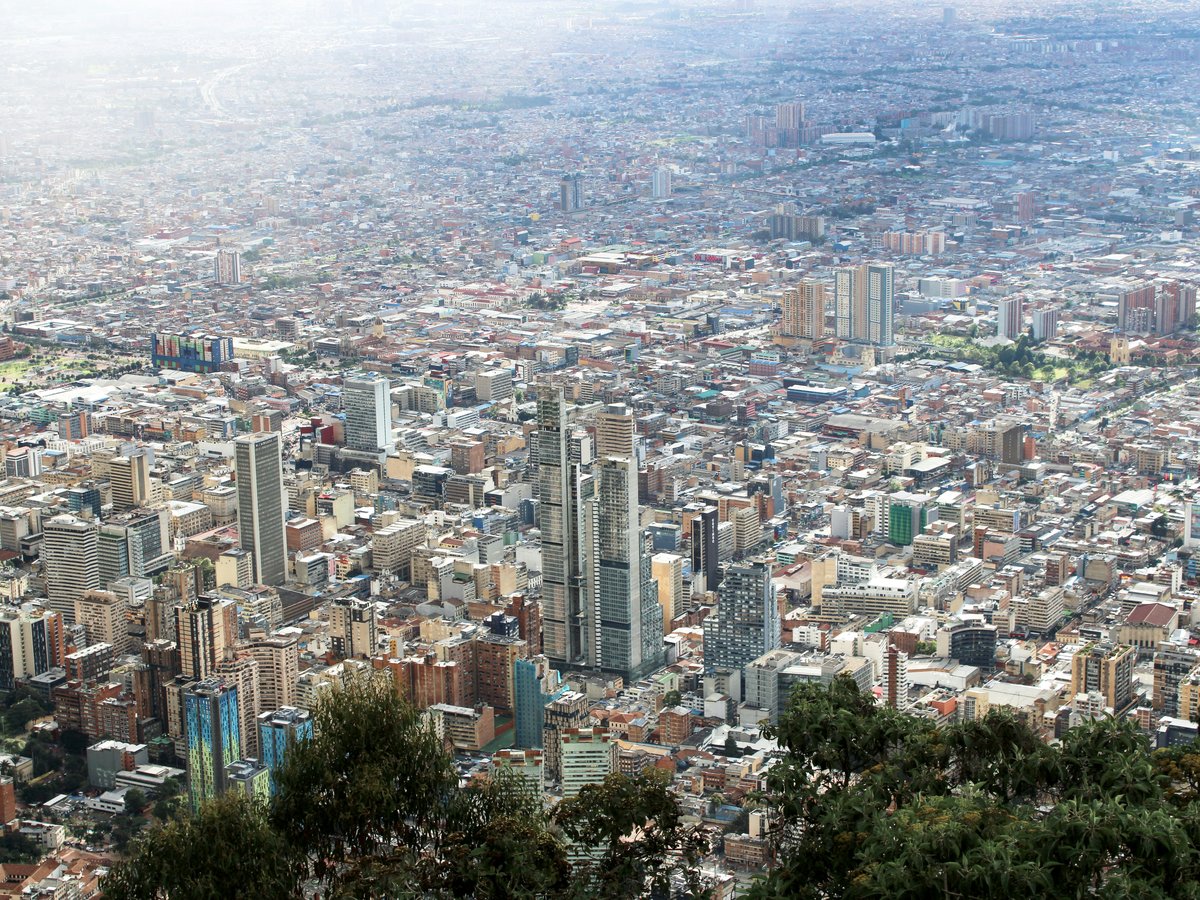
Is Bogota safe?
Bogota scores 4.2 out of 10 for solo-traveler safety (see the TTDI Solo-Safety Index). Phone snatching and express kidnappings are the real threats, not random violence. Usaquén, Chapinero Alto, and Zona T stay populated and well-lit after dark. La Candelaria works by day but turns risky past 9pm for solo walkers. Dial 123 for all emergencies.
Bogota's safety situation for solo travelers reflects current street-level patterns, not the cartel-era reputation of the 1990s. Phone snatching is the primary risk, with most incidents clustered along Carrera 7 and the TransMilenio corridors. Near Plaza de Bolívar, teams on motorcycles grab phones from hands mid-call. Express kidnappings, known locally as the paseo millonario, have dropped from over 1,000 per year in the early 2000s to roughly 60 per year in recent counts. The method follows a script. A fake taxi picks you up, loops through ATM withdrawals for 3 to 5 hours, then drops you off. Never hail a cab off the street. Use InDriver, DiDi, or Uber, which log the driver's plate and route. Scopolamine drugging persists around Chapinero Bajo and parts of La Candelaria after midnight. Do not accept drinks, cigarettes, or food from strangers in Bogota's nightlife areas.
Where you sleep determines most of your risk profile. Usaquén, north of Calle 116, feels like a different district once the sun sets. The restored brick plazas fill with families on weekend evenings, and the walk from TransMilenio's Calle 127 station to the restaurants on Carrera 6A stays well-lit and calm. Chapinero Alto and the Zona T corridor between Calle 82 and Calle 85 draw most solo travelers for the right reasons. Coffee shops stay open past 10pm, sidewalks carry foot traffic, and delivery riders on bikes keep the streets occupied. La Candelaria is worth a daytime walk for the Gold Museum (open since 1968) and the Botero Museum (free admission since 2000). But I wouldn't walk the steep callejones south of Calle 10 alone in the evening. At 2,640 meters, the air stays around 15°C year-round, and most of La Candelaria's side streets empty out well before 10pm.
TransMilenio runs from roughly 4:30am to 11pm on weekdays. During the 7am to 9am crush, the carriages pack tight enough for pickpockets to work stations like Calle 72 and Héroes. You'll feel elbows pressing into your back and hands testing zipper pulls in that press. Off-peak, the system costs around 2,950 COP per ride, under 1 USD at the current rate. After the last TransMilenio run around 11pm, ride-hailing apps become your only safe option. Solo women report that DiDi's Ellas feature surfaces more female drivers in Bogota. Worth noting, the Ciclovía closes 127 km of roads to cars every Sunday from 7am to 2pm. Runners, cyclists, and food-cart vendors fill Carrera 7 and the route through Parque Simón Bolívar. It smells like grilled arepas and mango with lime near the park's north entrance. If you want to meet people on day one, rent from any of the city's docked bikeshare stations and ride the Sunday loop.
Solo dining in Bogota carries zero stigma. The corrientazo lunch set, served at restaurants across Chapinero for 12,000 to 18,000 COP (roughly 4 to 6 USD), arrives at communal tables where solo diners outnumber groups at midday. A typical plate runs a protein, rice, beans, fried plantain, and a steaming bowl of caldo. For dinner, restaurants along Calle 69 in Zona G seat singles without the reservation-for-two barrier. Hostels in La Candelaria like Masaya and Cranky Croc run free walking tours departing around 10am daily, and they remain the fastest route to meeting other solo travelers in the first 24 hours. If you want a group activity without the single supplement, the Monserrate cable car at around 25,500 COP round-trip puts you in a shared cabin where conversation tends to happen by default. Morning rides give you the clearest view from 3,152 meters over the city's terra-cotta rooftops. Afternoon clouds roll in from the eastern cordillera by 2pm most days.
Emergency number: 123
Official travel advisories
Reconsider non-essential travel the most cautious of 3 government assessments
- Government of CanadaLevel 2Exercise a high degree of caution View advisory
- UK Foreign OfficeLevel 2FCDO advises against all but essential travel to parts View advisory
- US State DepartmentLevel 3Reconsider Travel View advisory
Verified from the issuing governments' own feeds.
Areas to avoid
- Ciudad Bolívar (southern Bogota, high crime rate day and night)
- Los Mártires and the former Bronx zone (central, near Santa Fe)
- Santa Fe red-light district (north of La Candelaria)
- San Cristóbal (southern hills, limited police presence)
- La Candelaria south of Calle 10 (after dark)
- Bosa (southwest periphery)
- San Bernardo (between La Candelaria and Los Mártires)
- Las Cruces (east of Los Mártires)
Common concerns
- Phone snatching by motorcycle-mounted teams along Carrera 7
- Express kidnapping (paseo millonario) via unmarked or fake taxis
- Scopolamine drugging in bars and nightlife areas of Chapinero Bajo
- TransMilenio pickpocketing during the 7am to 9am rush
- Altitude sickness at 2,640 meters during the first 48 hours
- Street taxi meter manipulation and route detours
- Protests near Plaza de Bolívar that can block transit and escalate
Last verified by automated review (v1.7.2) on . What is automated review?