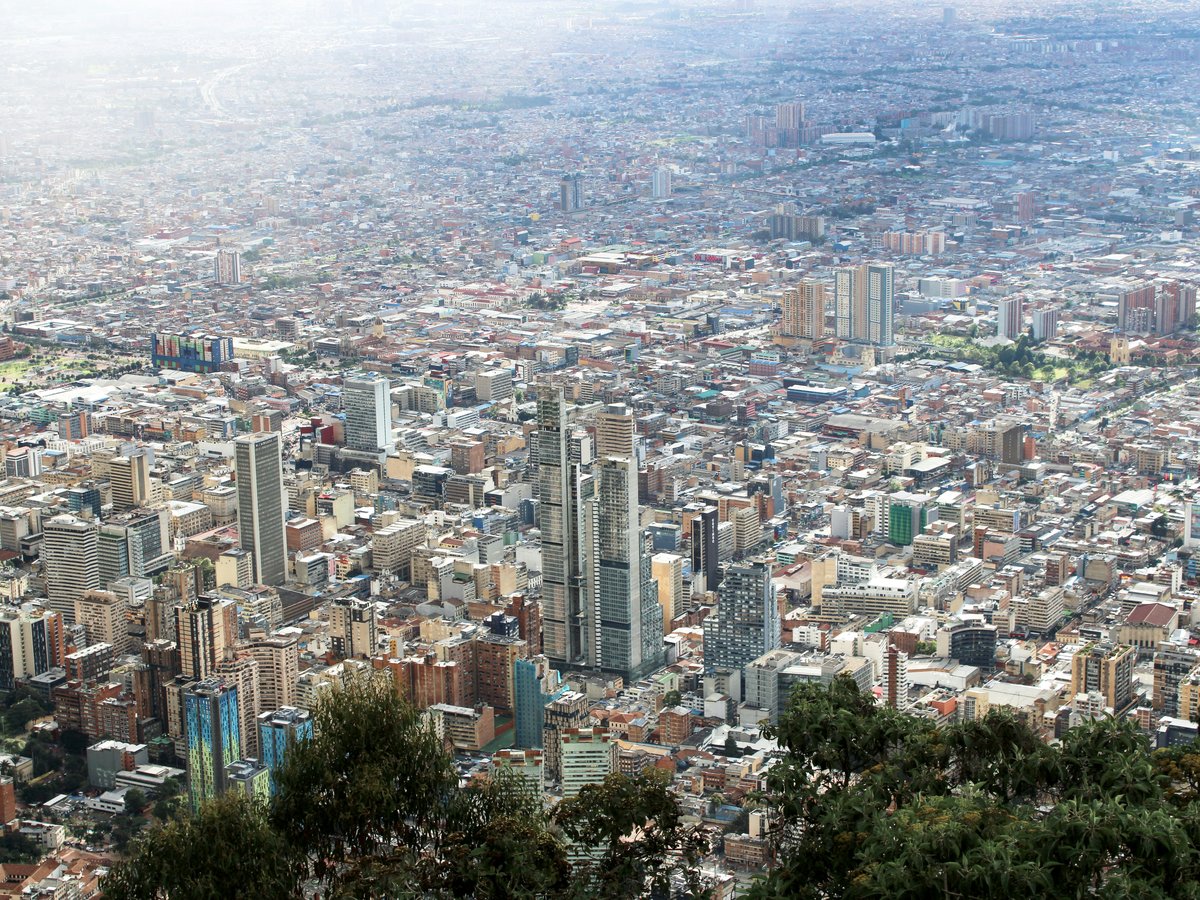
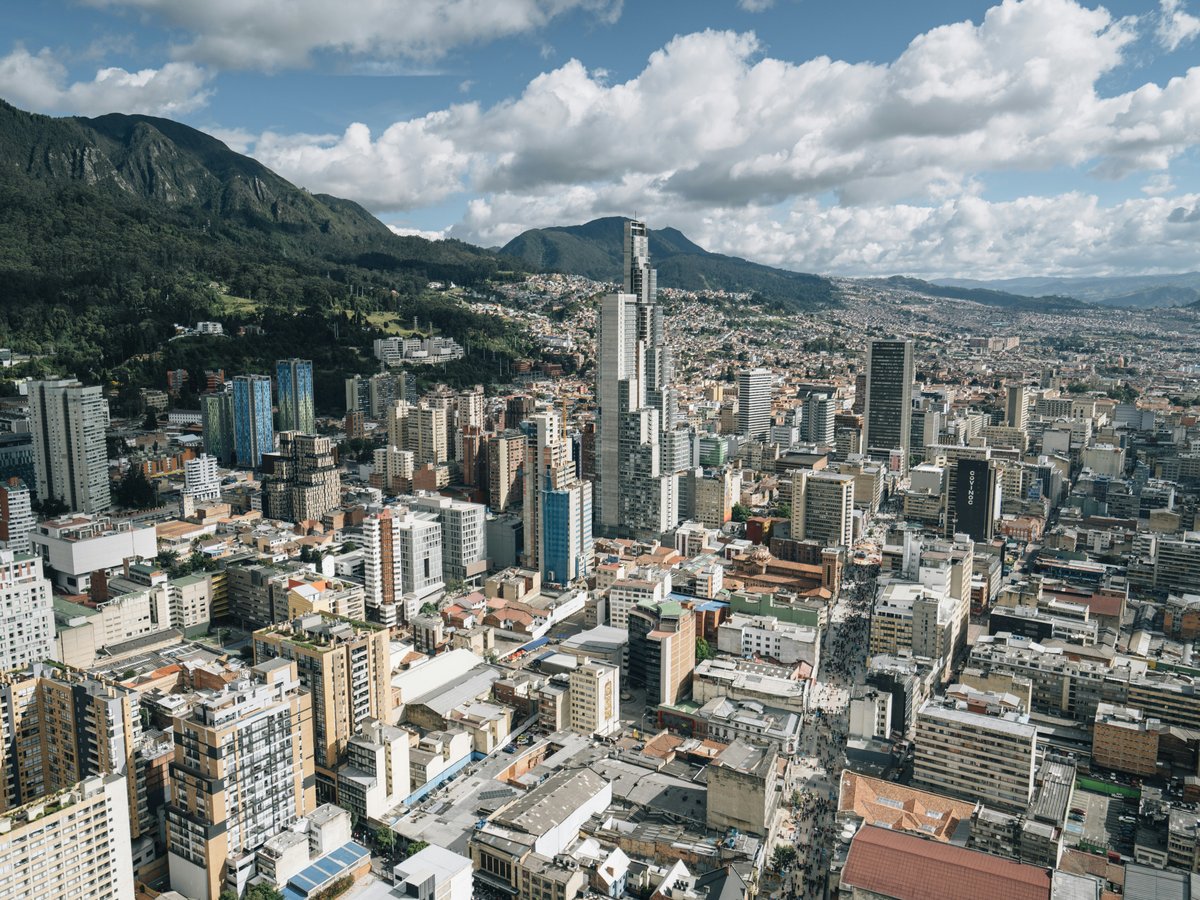
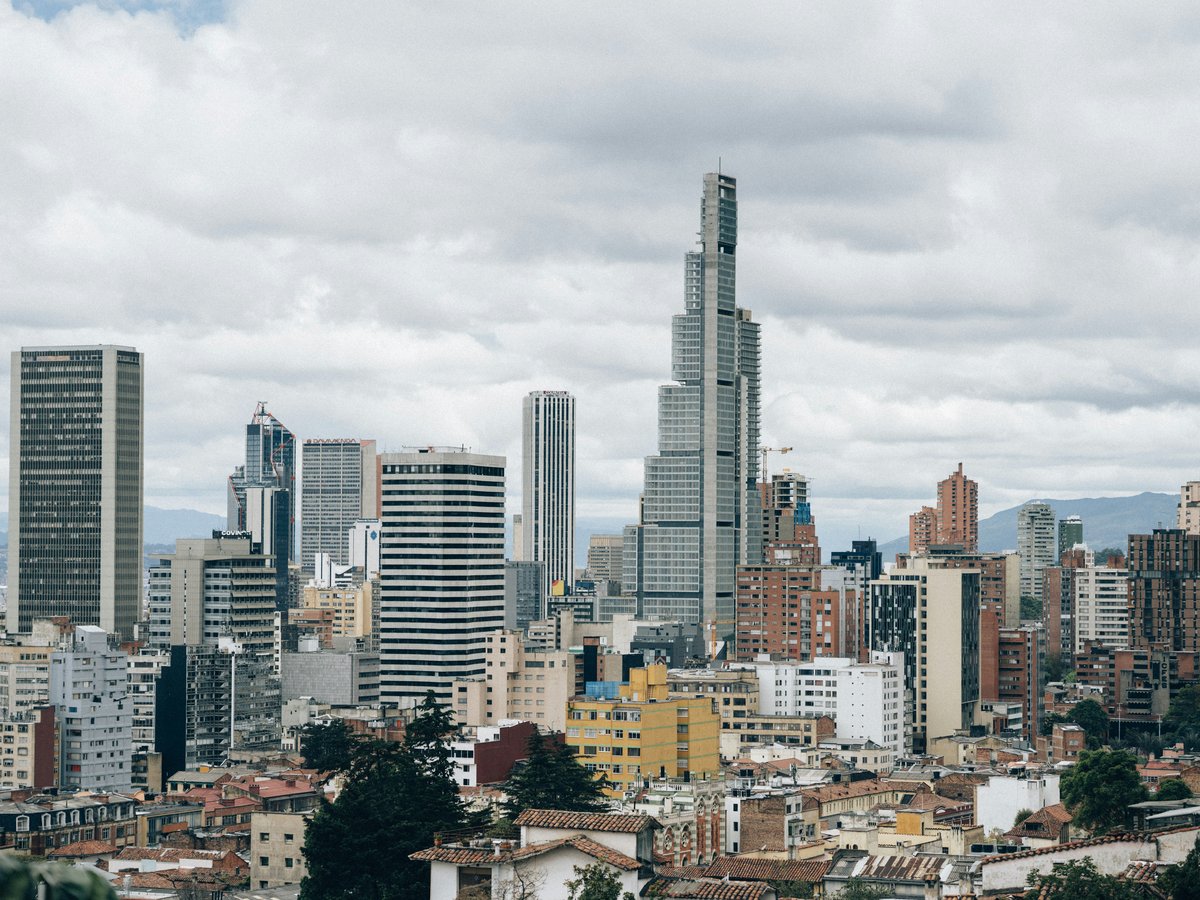
Bogota sits at 2,640 metres above sea level on a plateau backed by the Eastern Cordillera, which means the air is thin enough that your first walk uphill will remind you this is not a coastal city. Seven million people live here in a basin that the Muisca people called home centuries before the Spanish arrived in 1538, and that history layers visibly: colonial churches in La Candelaria give way to mid-century modernist towers in Chapinero, then to the glass-and-steel financial district along the Carrera Séptima corridor. The climate does not behave like the tropics despite sitting just north of the equator; expect 14°C averages, afternoon rain almost any month, and locals in leather jackets and scarves by evening. A typical first day starts in Usaquén's Sunday flea market or with a funicular ride up Monserrate for the view that explains the city's scale, an unbroken spread of red brick stretching to the western edge of the savanna. Bogota's food scene leans heavily on ajiaco, the chicken-and-potato soup served with capers and cream that functions as civic identity in bowl form, and on the bakeries turning out almojábanas and pan de bono that fuel morning commutes. The neighbourhoods visitors actually spend time in cluster along a north-south axis: La Candelaria for museums and street art, Chapinero Alto and Chapinero Gay for restaurants and nightlife, Zona G for upscale dining, Teusaquillo for tree-lined residential streets and mid-century architecture that most tourists never see. TransMilenio, the bus rapid transit system, is crowded and confusing but covers the city's sprawl better than taxis in rush hour. The altitude catches people off guard more than anything else, so take the first day slowly, drink agua de panela, and let your lungs adjust before attempting the Quebrada La Vieja trail at the city's eastern edge.
Bogota in photos
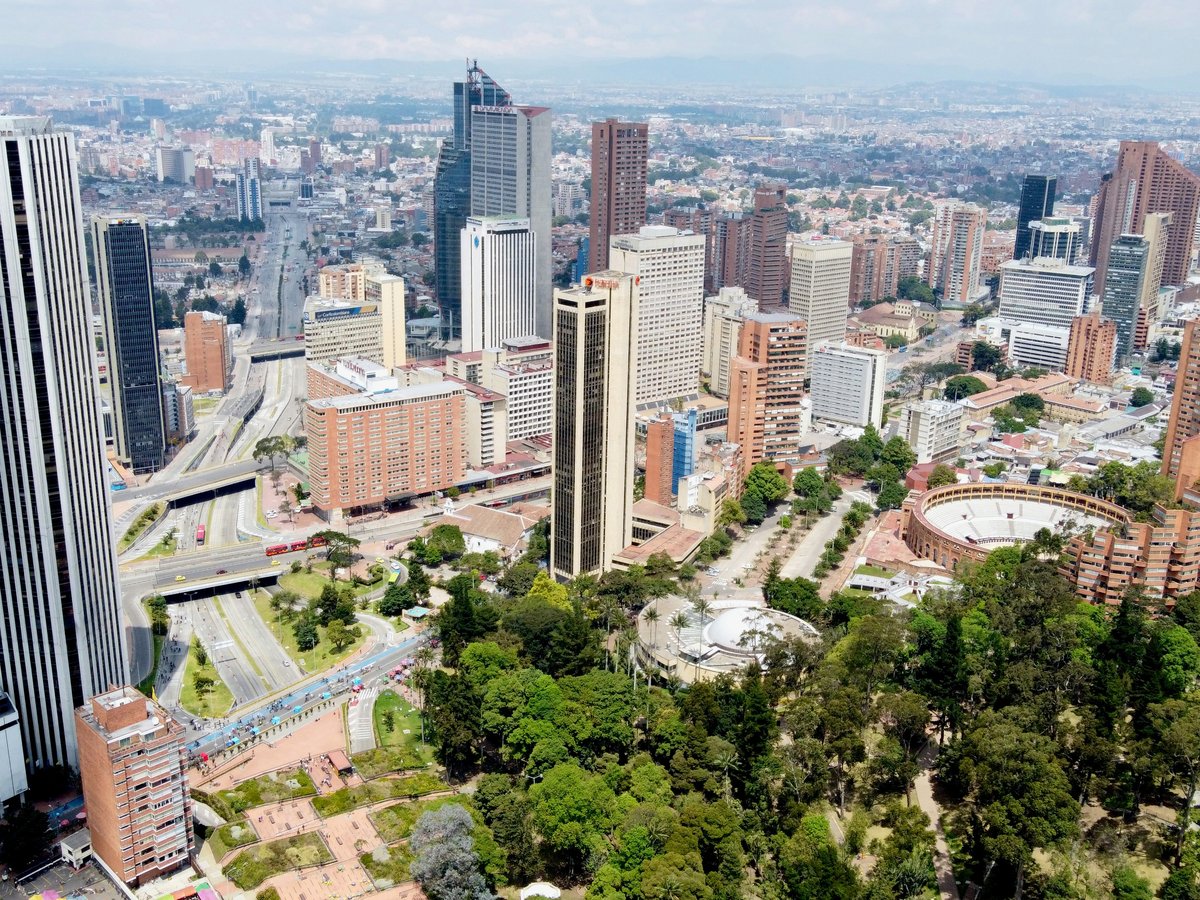
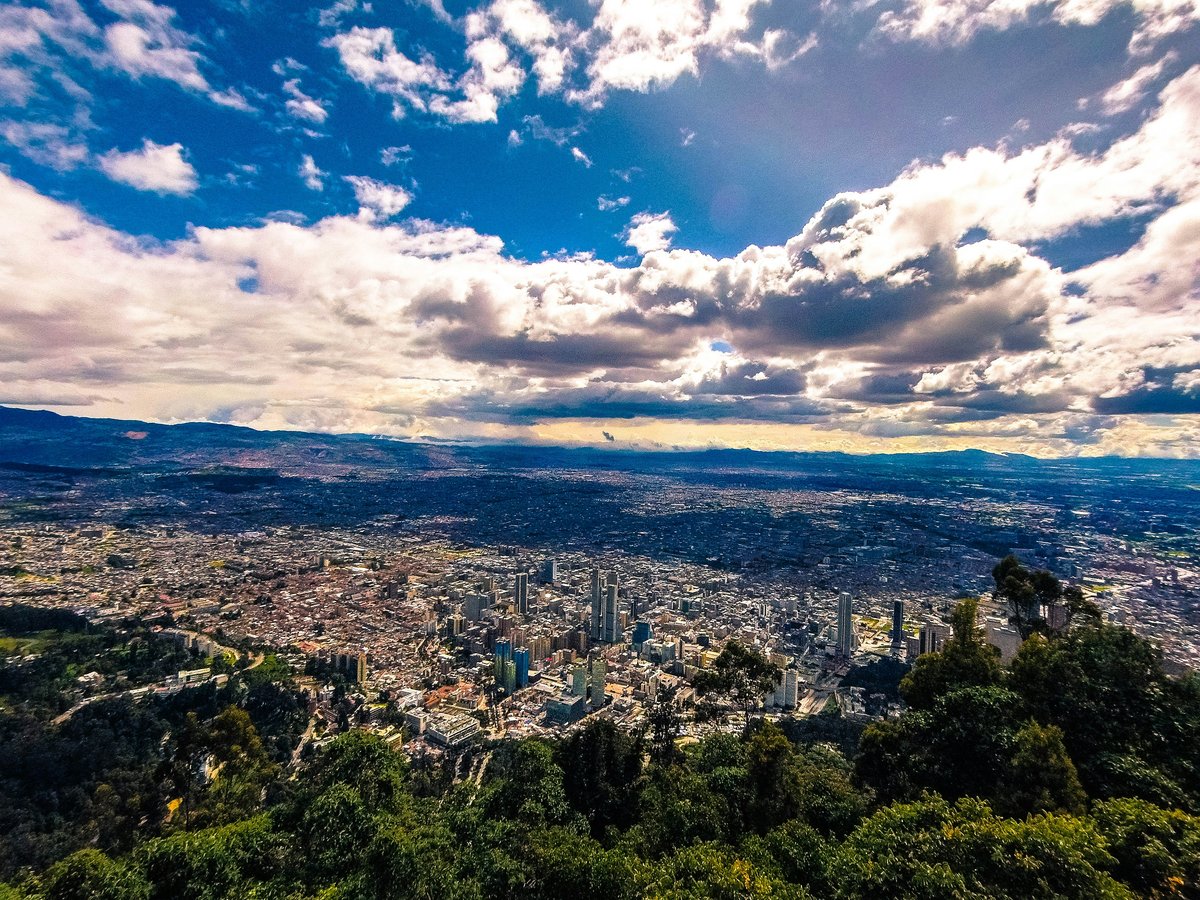
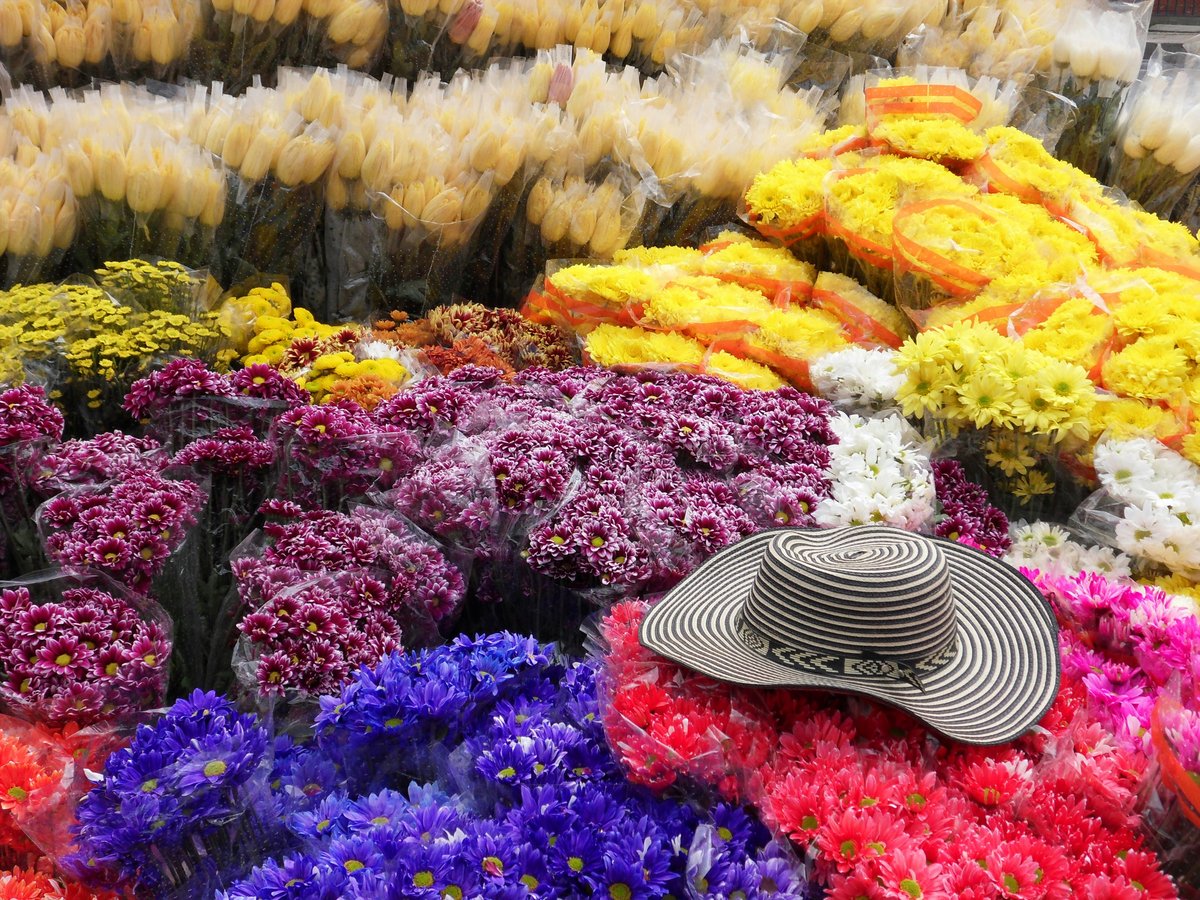
Bogota right now
Answers about Bogota
-
Airport to city
From El Dorado (BOG), take an official yellow taxi from the regulated stand outside arrivals. Fares run 25,000 to 40,000 COP ($8 to $13) on a fixed-rate card, not a meter, so there is no haggling. Budget 30 to 60 minutes depending on destination and traffic. TransMilenio is the budget option at under $1 but impractical with luggage.
Read the full answer → -
Best time to visit
December through February is Bogota's clearest window, with roughly 40mm of rain per month and afternoon temperatures near 19°C at this high-altitude capital. July and August offer a second dry spell. Seasons shift rainfall, not temperature, and October's downpours make La Candelaria's steep cobblestone streets slippery and cold.
Read the full answer → -
Cost per day
Budget $25/day covers a hostel dorm in La Candelaria, corrientazo lunches at 12,000 COP ($4), and TransMilenio at 2,950 COP ($0.96) per ride. Midrange $70 gets a private room in Chapinero and sit-down meals. Luxury $200+ means the W Bogota and tasting menus. Two of the city's best museums are free.
Read the full answer → -
Best day trips
Zipaquirá's Salt Cathedral, 49 km north, is the strongest single-day trip from Bogota. The weekend Turistren train from Estación de la Sabana costs 60,000 COP round trip. Laguna de Guatavita fills a full day with a 2 km guided hike at 3,100 meters and the El Dorado backstory. Villa de Leyva is better as an overnight.
Read the full answer → -
Food culture
Bogota's food culture runs on a four-meal rhythm anchored by the corrientazo, the midday set lunch at neighborhood comedores. Ajiaco, a three-potato chicken soup flavored with the local guascas herb, is the city's signature. Chapinero and La Macarena carry the strongest restaurant concentration. Paloquemao market is where kitchens stock up before dawn.
Read the full answer → -
Getting around
TransMilenio, Bogota's bus rapid transit, handles the heavy lifting. Ridehail apps like Uber, InDriver, and DiDi fill the gaps with upfront pricing. Walking works in La Candelaria and the Zona T area, but the 2,640-meter altitude slows first-timers down. No metro yet. Load a TuLlave card at any TransMilenio station for single-ride fares under $1 USD.
Read the full answer → -
How to get there
Bogota's El Dorado International Airport (BOG) receives direct nonstop service from 8+ US cities, Madrid, and Amsterdam. Round-trip fares from the US run $300-600; from Europe, €500-900. Avianca, LATAM, JetBlue, and Spirit handle most North American routes. Low-season fares between February and May drop 30-40% below December peaks.
Read the full answer → -
Is it safe?
Bogota scores 4.2 out of 10 for solo-traveler safety (see the TTDI Solo-Safety Index). Phone snatching and express kidnappings are the real threats, not random violence. Usaquén, Chapinero Alto, and Zona T stay populated and well-lit after dark. La Candelaria works by day but turns risky past 9pm for solo walkers. Dial 123 for all emergencies.
Read the full answer → -
Where locals go
Chapinero Central between Calle 57 and Calle 63, La Soledad's Parkway strip on Calle 39, and Paloquemao market before 8am. Bogotanos separate sharply by day of week. Weeknight bars in Chapinero peak Tuesday through Thursday. The Sunday ciclovía and Parque El Virrey's pickup fútbol games are the two best entry points for meeting residents.
Read the full answer → -
Must-see
The Gold Museum on Calle 16 in La Candelaria. Its third-floor vault goes dark, then the lights rise on thousands of pre-Columbian gold objects and the room turns amber. Free on Sundays, under $2 on weekdays. No reservation needed. Go before 11am to avoid school groups.
Read the full answer → -
3-day itinerary
Day 1 stays in La Candelaria on foot. Gold Museum at 9:30 AM, Plaza de Bolívar, and the Botero Museum all sit within ten blocks. Day 2 rides the Monserrate funicular at 7:30 AM, then continues to the Colombian National Museum and Chapinero for dinner. Day 3 heads north to the Botanical Garden, Usaquén, and Parque 93. Each day clusters geographically to keep walking manageable at altitude.
Read the full answer → -
What to avoid
Skip the emerald street sellers near the Gold Museum and never hail a taxi off the street in Bogota. Use InDrive or Uber. The high altitude catches first-timers off guard, and the cool, rainy weather is nothing like coastal Colombia. Pack layers and a rain jacket. After dark, stick to Chapinero, Usaquén, or Zona G.
Read the full answer → -
What to pack
Bogota sits at 2,640 meters, where temperatures range 7-19°C year-round. Pack warm layers, not tropical clothing. Bring a packable rain jacket, SPF 50 sunscreen for high-altitude UV, and walking shoes with real tread for La Candelaria's steep streets. Leave the shorts at home.
Read the full answer → -
Where to stay
Chapinero Alto for first-timers. It sits between La Candelaria's museums and the northern business district, with TransMilenio connections reaching both in under 20 minutes. Budget $50-90 per night for a mid-range hotel near the Calle 63 station. La Candelaria puts you beside the Gold Museum and Plaza de Bolívar but gets rough after dark.
Read the full answer →
Deep guides for Bogota
-
Bogota Restaurants: What's Worth It
Twelve restaurants along Bogota's northern spine, from Calle 80 to Cedritos, sorted into two tiers and tested on the nights tourists skip. The question is not which room photographs best, but which you would book on a quiet Wednesday with nobody watching.
Read the guide → -
Best Time to Visit Bogota, by Season
Bogota's total annual temperature swing is 2.1°C. The real question is not heat versus cold but dry versus wet, and whether you are willing to share the driest months with everyone else. A month-by-month projection of the weather data, crowd trade-offs, and the single best window for five kinds of visitor.
Read the guide →
Curated lists for Bogota
accommodation
-
Best boutique hotels
Bogota's accommodation map follows the city's long north-south spine along the Andes foothills, and picking the right neighborhood matters more than picking the right hotel. The northern tier, from Chicó Lago through El Nogal to El Refugio, holds the restaurant density, the embassy quiet, and the tree-lined residential blocks that draw leisure travelers. Mid-city, La Castellana and La Gran Via straddle the Autopista Norte and the commercial corridors, built for business travelers who need transit connections more than ambiance. The western arc, from Quinta Paredes through Ciudad Salitre to Bosques de Modelia and San José de Fontibón, bends toward the airport and the Corferias convention grounds, where rates drop and the neighborhood character shifts from boutique to functional. Mid-range pricing dominates the city: most picks score above 9.0 on Trip.com and land between $83 and $153 a night. Budget and luxury tiers thin out quickly outside the Chicó-Nogal core, so the decision comes down to which part of the city your trip requires, not which price tier. Elevation sits near 2,600 meters, so evenings run cool across every neighborhood, and the eastern slopes catch more rain than the flat western grid.
See the picks → -
Best hostels
Bogota spreads across a high plateau backed by the Eastern Cordillera, and its neighborhoods divide cleanly for the budget traveler. The historic core, anchored by Las Aguas, Las Nieves, La Veracruz, and Bosque Izquierdo, puts colonial plazas, museums, and cheap food within walking range of beds starting at $11 a night. The northern corridor, from Chapinero through La Castellana and Chicó Lago, trades history for transit links, newer buildings, and quieter evenings. Quinta Paredes and Ciudad Salitre Occidental sit closer to the airport and the convention circuit, useful for stopovers but disconnected from the city's social energy. Ten neighborhoods below are ranked by hostel and budget inventory density; each editorial grounds in the area's walking radius, adjacent barrios, and the kind of traveler it rewards. Ratings and nightly prices come from Trip.com listings at the time of curation. Most picks fall between $33 and $80, which reflects Bogota's position as one of South America's better-value capitals.
See the picks → -
Where to stay
Bogota stacks its accommodation neighborhoods along a north-south corridor between the Eastern Hills and the airport plain, and the traveler's real decision is altitude as much as address. The northern business districts around Chicó Lago and El Nogal concentrate the highest-rated inventory, where polished mid-range hotels cluster near Carrera 15 and the Zona T dining scene. Move south toward Quinta Paredes and you trade upscale restaurants for convention-center proximity and lower nightly rates. West of the city center, Bosques de Modelia and the airport strip serve early-morning departures better than evening plans. The old colonial core around Centro Administrativo holds the heritage properties, one TransMilenio trunk line away from the commercial north. Skip the instinct to book by star count alone; in Bogota, the neighborhood sets the ceiling on the trip more than the room does. This guide groups 10 areas by hotel density, grounds each in its walking radius, and names the tier picks that anchor the inventory.
See the picks →
attractions
-
Best free attractions
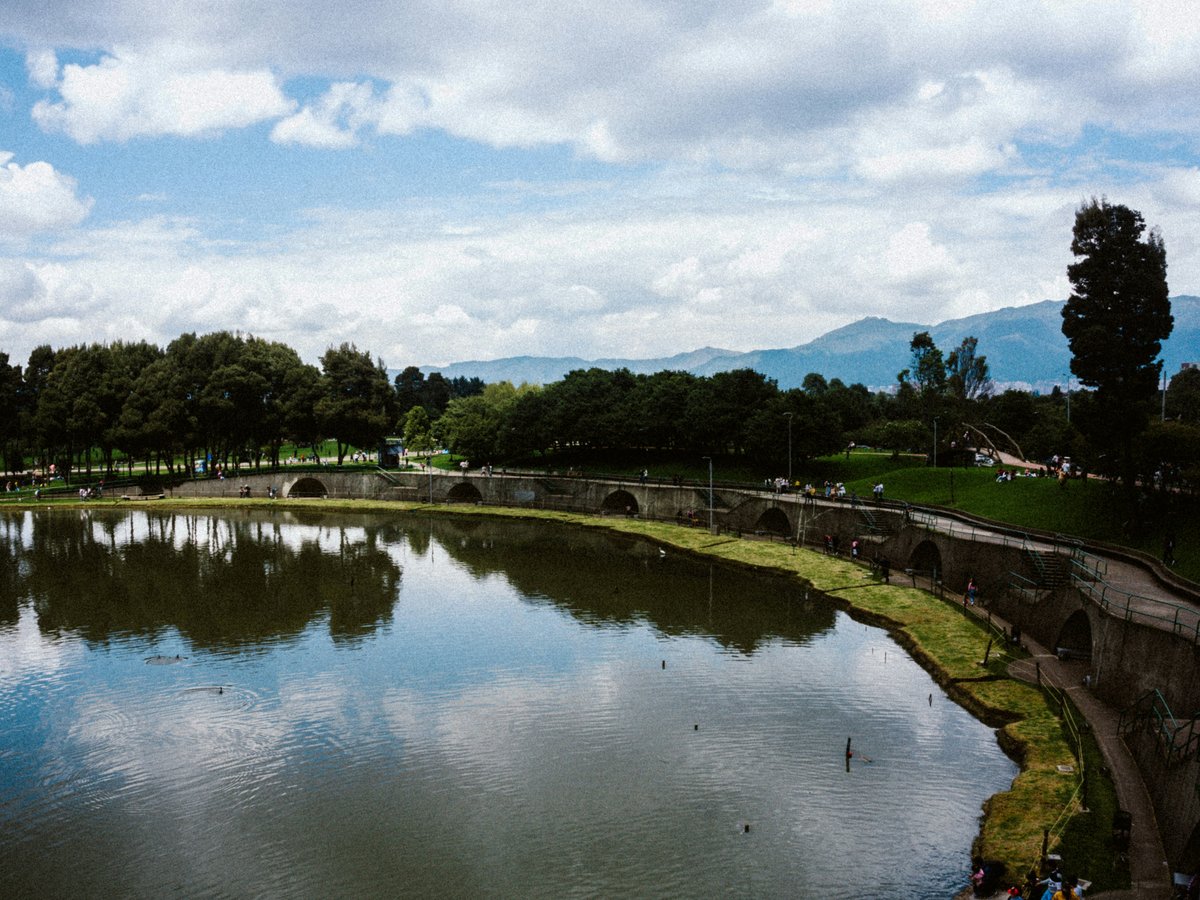
Bogota's free hours belong to its parks, and the city has stacked them at wildly different altitudes and moods. Nine are covered here, from the ceremonial slab of Plaza de Bolívar to the northern lawns of 93 Park and the sprawling Simon Bolivar Park closer to the geographic centre. What ties them together is that none of them charge a peso: these are the places bogotanos spend Sunday, where the ciclovía passes, where families picnic, where the altitude stops feeling like an insult and starts feeling like weather. This list is ordered for a visitor with a week and comfortable shoes, not for a bus tour. Some of these parks sit above 2,600 metres on the savanna; some tumble down into the southern reaches near El Tunal. Read the coordinates as a route, not as trivia: north to south, the city changes character every few kilometres, and the parks are the cleanest way to see it happen. Bring water, sunscreen, and the willingness to walk.
See the picks → -
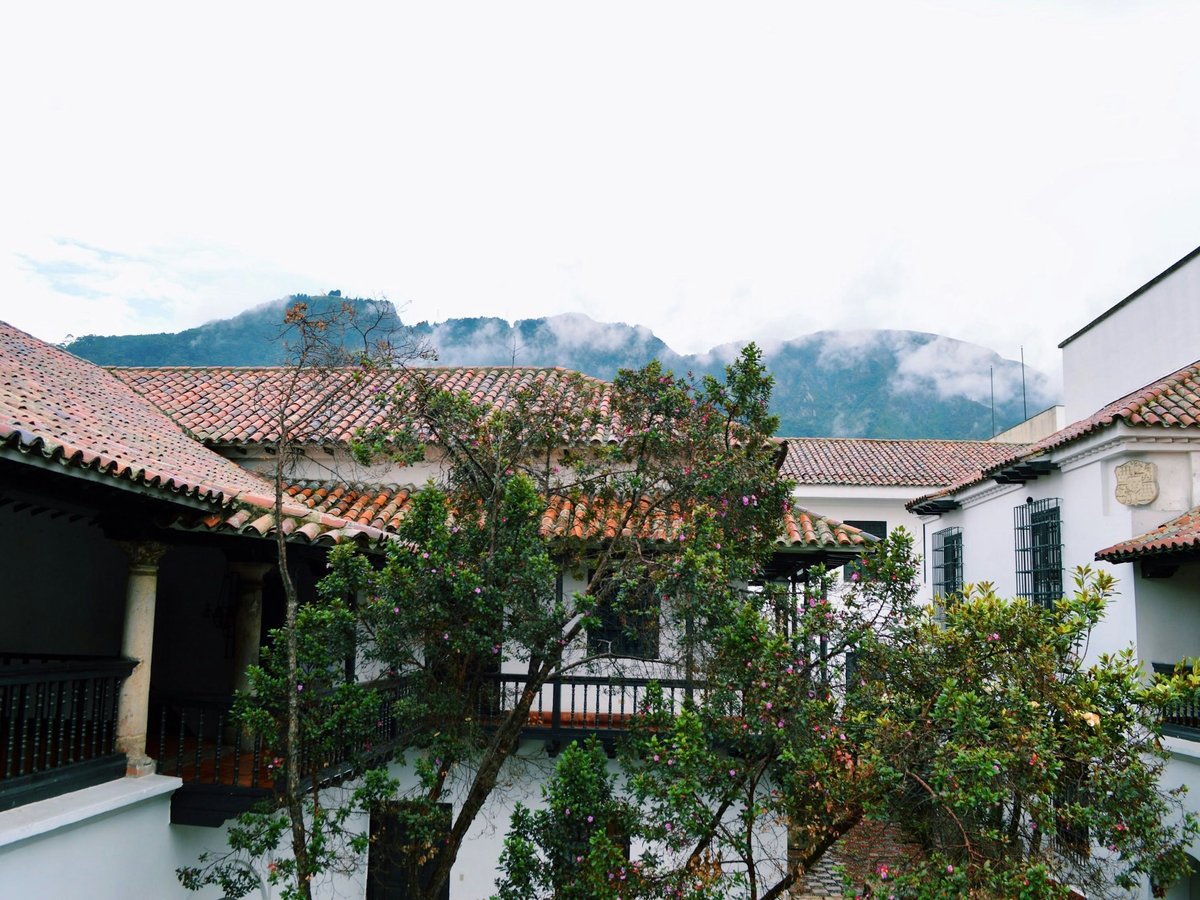
Best museums
Bogota's museum map is unusually generous for a capital its size, and unusually coherent: a pre-Columbian archaeology collection, a national museum, a botanical garden, two dedicated modern and contemporary art houses, an interactive science museum, a Banco de la Republica art museum, a museum built around a single donated collection, a currency museum, a heritage-train operator that runs its rolling stock as living exhibit, and a military museum. Taken together, they read like a city arguing with itself: gold before conquest, canvases after it, science alongside memory. This list is for a visitor who wants more than one afternoon and is willing to cross the city for it. The eleven addresses below stretch from the colonial grid of La Candelaria out to KR 74 in the north-west; plan by neighbourhood, not by day.
See the picks → -
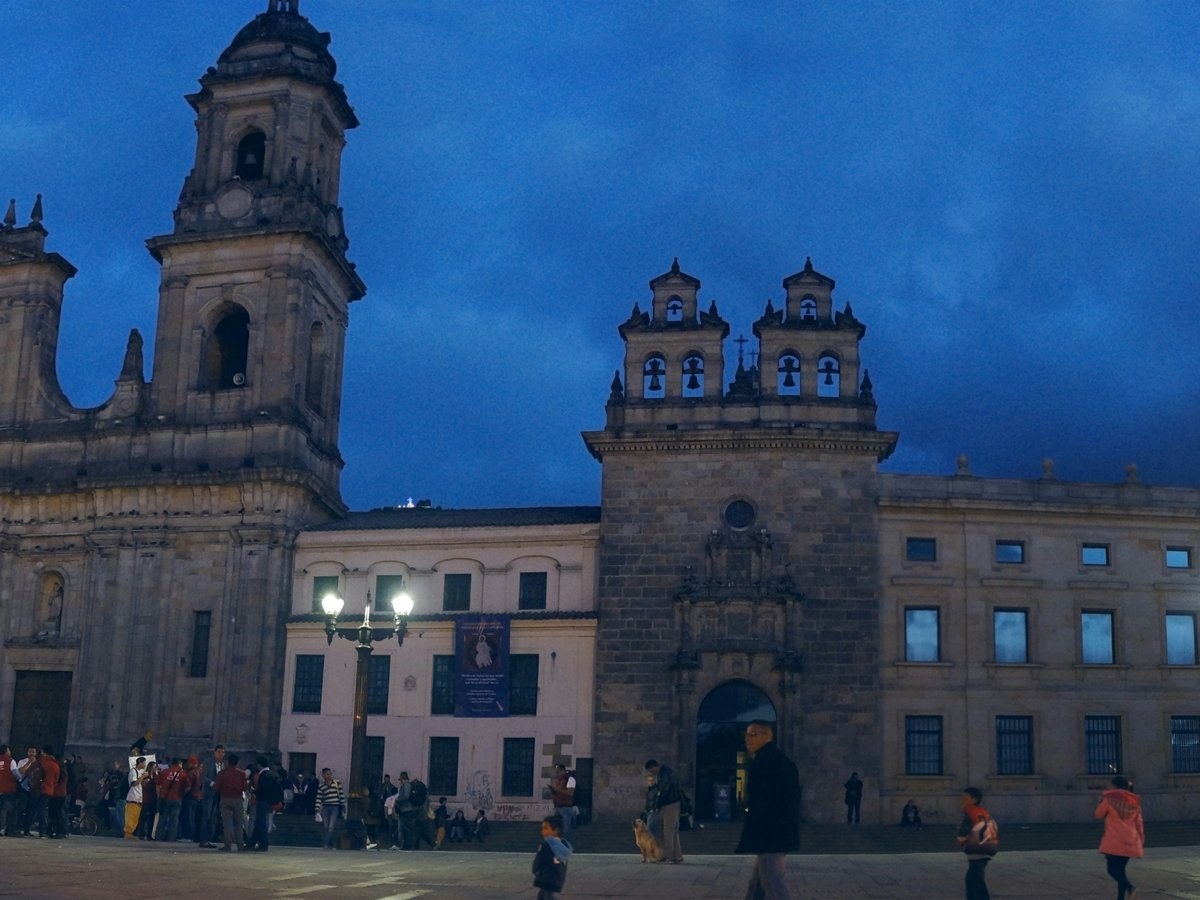
Must-see attractions
Bogotá's must-see roster is not a parade of showpieces; it is a working city's civic memory, stacked from the colonial core up the eastern cordillera and out into the neighbourhoods that swallowed the old sabana. The twelve entries below lean on churches, theatres, a mountain sanctuary, a cemetery, and a bullring, because that is what the record supports: four buildings on this list carry the Colombian national-monument designation, and the cathedral seat of the country anchors the plaza that anchors the map. Skip the checklist approach that treats each stop as a photo; the reward here is reading Bogotá's altitude and history through where its institutions sit, from 4.5967°N on Plaza de Bolívar to the ridge at 4.6052°N above it. This is a list for travellers who want the civic and religious spine of the city in one honest sequence, not a highlights reel scrubbed of everything difficult. Read it as a route, not a menu.
See the picks →
food
-
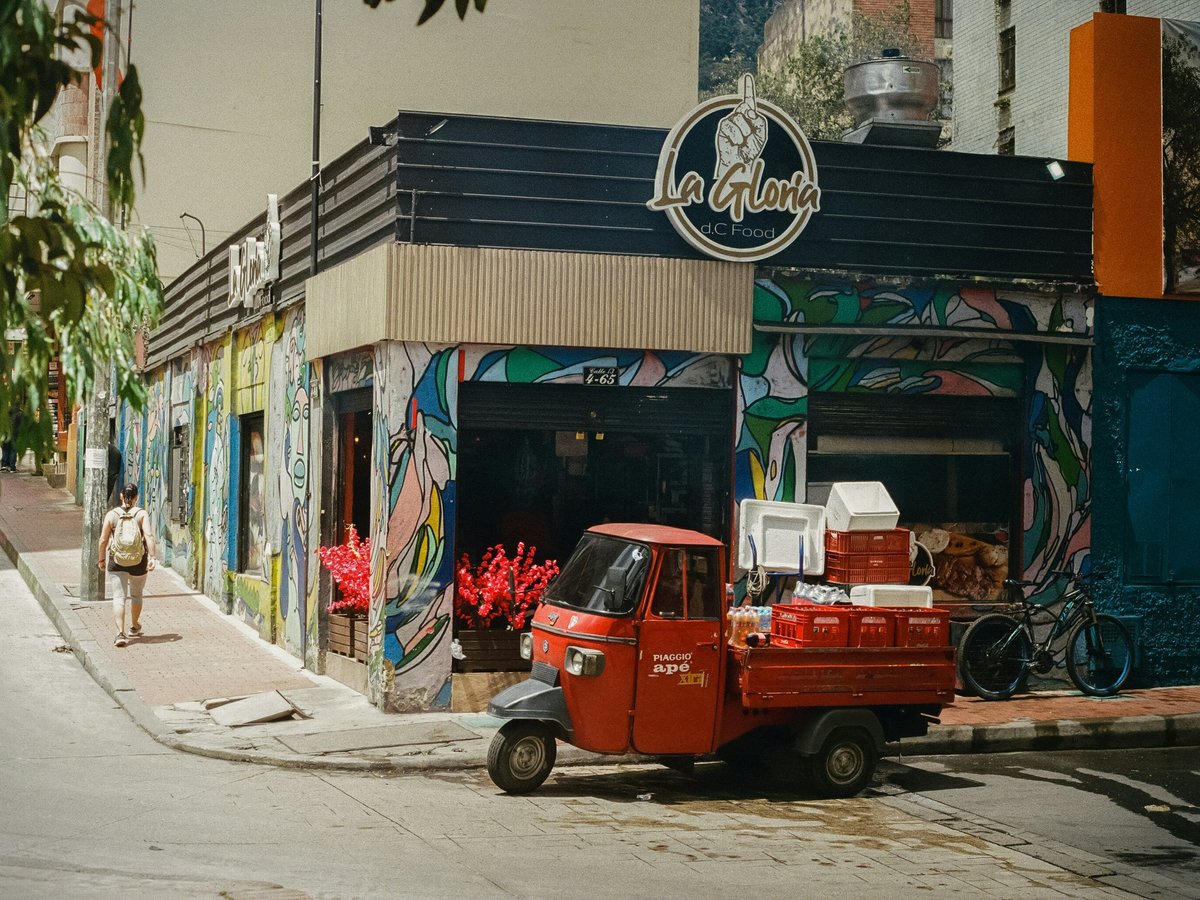
Best cafes
Bogota's cafe map is not one story but several stacked on top of each other. There is the specialty-roaster grammar you would recognise in Melbourne or Oslo, the Colombian-origin chains that treat coffee as a national argument, and the older pasteleria counters where a tinto and a slice of something buttery is still the point. This shortlist runs from the north, up around Calle 140 and Unicentro, down through the Zona G and Chapinero cluster where most of the third-wave work happens, and into La Candelaria, where the room matters as much as the cup. It skips the airport-adjacent placeholders and the mall repeaters that read the same in every city. What is here has an address you can defend: a roaster with its own beans, a bakery that predates the coffee boom, a chocolate shop that has never pretended to be anything else. Read it as a working itinerary for a caffeinated week, not a ranking.
See the picks → -
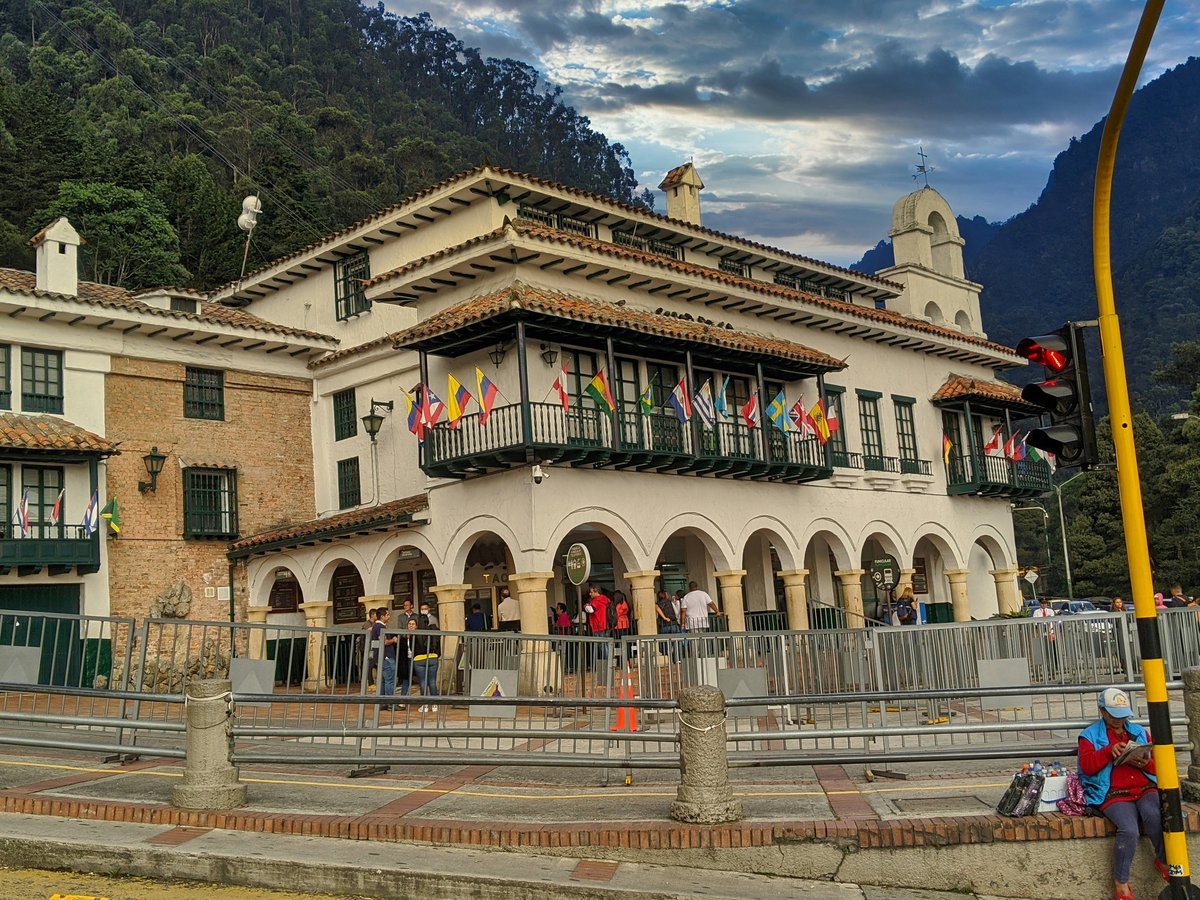
Best restaurants
Bogotá eats at altitude, and the city's restaurants earn their reputations less through spectacle than through stubborn practice: a French kitchen holding to breakfast service, a Nikkei counter grinding through weeknights, a burger cook keeping tight Tuesday-through-Saturday hours. The 12 rooms below sit mostly along the northern spine, from Chapinero and Zona G up through the 80s, 85, and out to Cedritos and Pepe Sierra, with cuisines that read like Bogotá's own mixed accent: French and Colombian under one roof, Peruvian-Nikkei on Calle 85, Korean barbecue and Italian sharing the same block of Calle 81. Not every address is glamorous, and that is the point. This list is for the visitor who would rather book a table where a local eats on a Wednesday than queue for whichever place a magazine crowned last month. Hours, streets, and cuisines below are drawn from each venue's own OpenStreetMap record and confirmed against its site; every factual claim is cited to the bundle.
See the picks →
Browse by traveler type
Book experiences in Bogota
 Free cancellation
 Bogota Zipaquira Salt Cathedral Private Tour + Lunch
Day trip: 7 hours, free cancellation.
via Viator Free cancellation
 Bogota: Small Group Tour Zipaquira Salt Cathedral with Pickup
Day trip: 8 hours, free cancellation.
via Viator Free cancellation
 From Hotel - Guatavita and Zipaquirá - Route of the 7 Treasures
Day trip: free cancellation.
via Viator Free cancellation
 Colombia’s Tallest Waterfalls: La Chorrera Hike
Outdoor experience: free cancellation.
via Viator Free cancellation
 Cheapest ZIPAQUIRA & GUATAVITA LAKE Visit 5 Top Sights w/PICKUP
Outdoor experience: free cancellation.
via Viator Free cancellation
 Group Tour Zipaquirá salt cathedral gastro tour
Day trip: free cancellation.
via Viator Free cancellation
 From hotel Gastronomic Zipaquira and salt cathedral (group tour)
Day trip: free cancellation.
via Viator Free cancellation
 Coffee Farm Tour from Bogotá – Be a Farmer for a Day
Day trip: free cancellation.
via Viator Free cancellation
 Private Bogotá Tour: Candelaria, Gold Museum, Optional Monserrate
City tour: free cancellation.
via Viator Free cancellation
 Visit to Salt Cathedral of Zipaquirá Private Tour. (5 Hrs.)
Day trip: 5 hours, free cancellation.
via Viator Free cancellation
 La Candelaria Bogotá Private City Tour 3H with Transportation
City tour: 3 hours, free cancellation.
via Viator Free cancellation
 Rent a local friend in Bogota
City tour: free cancellation.
via Viator