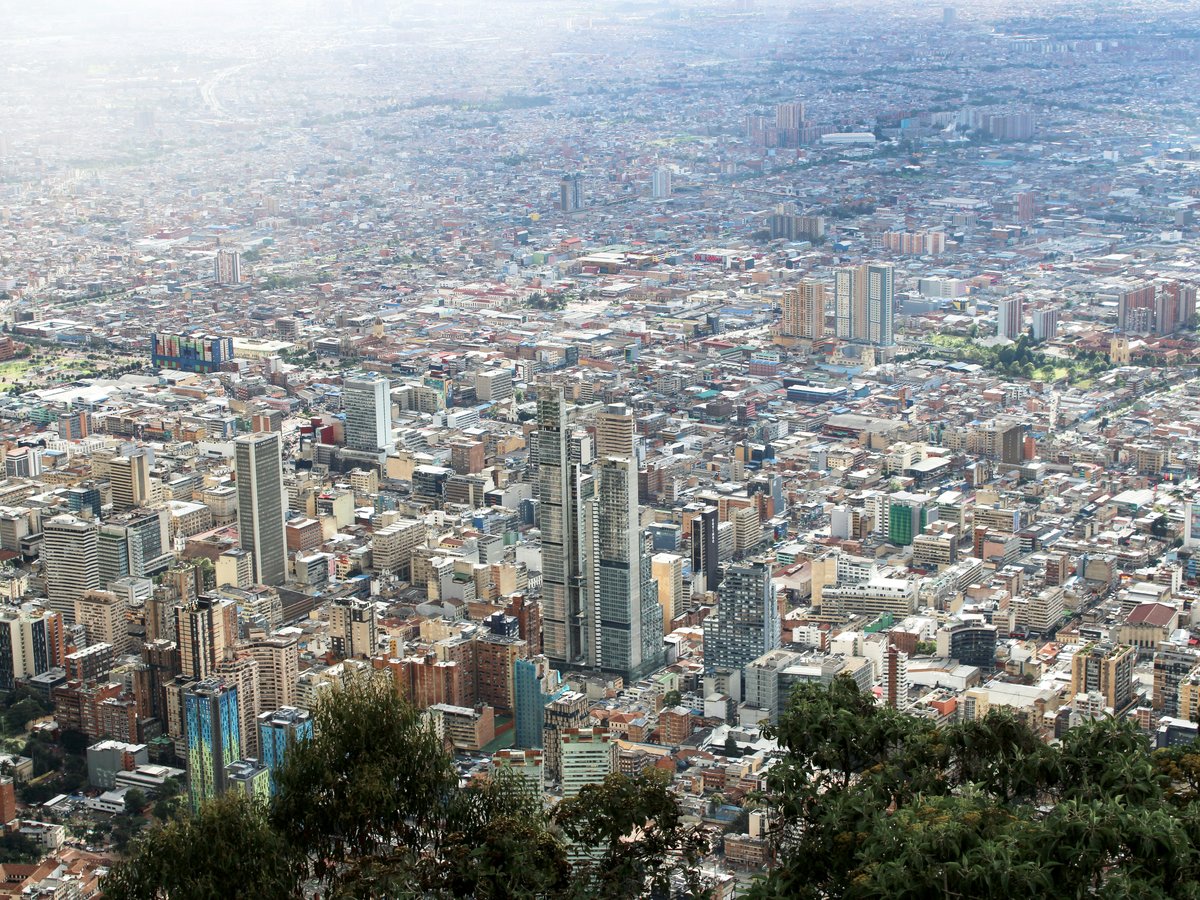
Is Bogota good for digital nomads in 2026?
Bogotá scores 7.8/10 for digital nomads (sourced from TTDI's editorial rubric). Base yourself in Chapinero Alto or Quinta Camacho, where fibre runs 300 to 500 Mbps and supermarkets and per-kilo laundries sit within a few blocks. A month costs about US$2,100. The catches are cold, damp apartments at 2,640 metres, rain on October afternoons, and phone theft.
In Bogotá, pick the barrio before the apartment. Chapinero Alto, between Carrera Séptima and the Eastern Hills, is the best monthly base in the city: a furnished one-bedroom runs 3.5 to 5 million COP a month, the nearest Carulla smells of warm almojábanas by 8 am, and a lavandería charges roughly 7,000 COP a kilo with your clothes back the next day. Quinta Camacho, around Calle 70, is quieter, with brick Tudor-style houses and good coffee. Chicó and Parque 93 feel safest after dark, though rents climb to 6 or 7 million COP. Skip La Candelaria for anything longer than a weekend: the streets around Plaza de Bolívar empty out by 7 pm, the only food shops are corner tiendas, and the steep cobbles turn slick in October rain. Usaquén looks lovely during its Sunday flea market, but it sits far north, and at rush hour a TransMilenio ride from there to Chapinero can take 50 minutes.
Bogotá fibre is fast when it is fibre. Claro, Movistar and ETB all sell fibra óptica plans at 300 to 500 Mbps, but plenty of Airbnb listings still run older coaxial lines, and those can drop to 20 Mbps in the evening. Ask the host for a dated Speedtest screenshot taken inside the unit, and ask which provider supplies the line. The cold surprises more people than the wifi. At 6 am on 19 October 2026 it was 9.5°C with 98% humidity, and almost no apartment in the city has heating, so sheets feel clammy and wardrobes start to smell musty. Get the host to promise a calentador (an electric heater) in writing before you book. A building with a 24-hour portería is worth around 300,000 COP extra a month, because the doormen take deliveries and screen visitors. Across Chapinero, construction drills start at about 7 am on weekdays, so check the street on Google Street View for cranes before you book.
Once working from the flat starts to wear, coworking has a clear edge here. WeWork has several buildings across Bogotá, including locations near Parque 93 and on Calle 100, where a hot desk runs roughly 700,000 to 900,000 COP a month and wifi holds above 200 Mbps. Tinkko is a local chain with branches in Chapinero and Usaquén, and its day passes suit a two-week stay. Cafes are a different story. Amor Perfecto in Chapinero Alto does excellent pour-overs, and the staff tolerate laptops through the morning, but after 3 pm the tasting groups arrive, the tables fill, and the sockets disappear. Azahar is quieter, smells of roasting beans, and has fewer outlets. The free option is the Biblioteca Luis Ángel Arango in La Candelaria, with long wooden tables, hushed reading rooms, and public wifi, though the area empties at dusk. For anyone based in Teusaquillo or Salitre, the Biblioteca Virgilio Barco by Parque Simón Bolívar is the better weekday library.
With the peso at 3,177 to the dollar, a realistic month in Chapinero Alto costs about US$2,100. That pays for 4.5 million COP in rent and a 700,000 COP desk, groceries from Carulla and D1, corrientazo set lunches at around 18,000 COP with soup and fresh lulo juice, DiDi rides, and one weekend trip. Safety is the big trade-off, and Bogotá rates 4.2/10 for solo travellers (see the TTDI Solo-Safety Index). Phones get snatched on Carrera Séptima and inside TransMilenio stations, so keep yours in your pocket on the street and book taxis through an app. Between work blocks, the Sunday Ciclovía closes more than 120 km of roads to cars from 7 am to 2 pm, and the Salt Cathedral at Zipaquirá is a 90-minute day trip. Colombia counts tourist days by calendar year, not by entry, which catches nomads who arrived in January and want to stay until Christmas.
Composite of cafe + coworking download speeds and reliability.
Apartment, coworking membership, food, and transit at a comfortable level.
Coworking spaces
- WeWork Parque 93
- WeWork Calle 100
- Tinkko Chapinero
- Tinkko Usaquén
Visa options
Most nomads enter visa-free on a 90-day PIP stamp and extend it once online through Migración Colombia for another 90 days, up to 180 days per calendar year, so file before the stamp expires or you will be fined. The V Nómada Digital visa allows up to two years, requiring remote income of at least three times Colombia's monthly minimum wage, health insurance valid in Colombia, and an online application through Cancillería.
Last verified by automated review (v1.7.2) on . What is automated review?