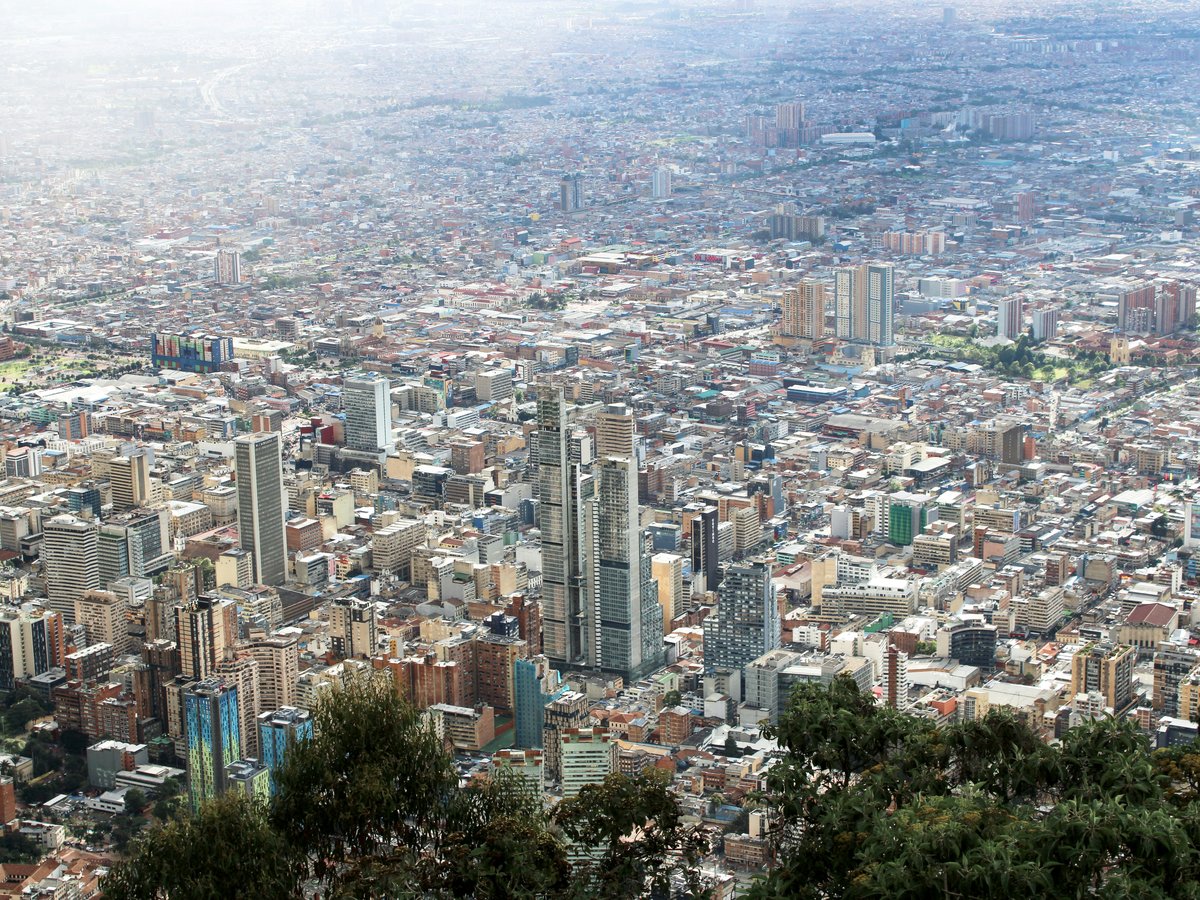
Bogotá's nights start late. Most bogotanos won't leave home before 10 PM on a Friday, and the bigger clubs don't fill up until well past midnight. The city sits at 2,640 meters above sea level, so even in September the temperature drops to around 13°C after sunset. You'll see locals heading out in leather jackets and boots, a contrast to the flip-flop nightlife of Cartagena or Santa Marta. The local word for a night out is 'rumba,' and Bogotá takes its weekend rumba seriously. Thursday through Saturday, entire neighborhoods shift into a different gear. Small tiendas pump reggaeton from doorways, sidewalk vendors sell empanadas to clubgoers at 2 AM, and taxis circle the main strips for fares. Nightlife here stretches across at least 6 distinct districts on both sides of the Carrera Séptima corridor. You move between them depending on what you want, whether that's craft cocktails near Parque de la 93, salsa in La Candelaria, or a bass-heavy DJ set in Chapinero. The city also scores 7.5/10 for LGBTQ+ friendliness (sourced from TTDI's editorial rubric), and Chapinero's scene in particular has grown into one of the most open in Latin America.
The Bar Scene: From Aguardiente Shots to Craft Cocktails
Aguardiente is the spirit you'll encounter most in Bogotá. This anise-flavored liquor from Cundinamarca tends to arrive at the table in a full bottle, not by the glass. Néctar and Antioqueño are the two dominant brands, passed around between rounds of Club Colombia or Poker beer. The cocktail bar scene has grown considerably since around 2018. Neighborhoods like Parque de la 93 and parts of upper Chapinero now have bars doing proper technique with Colombian ingredients. Lulo, maracuyá, and corozo turn up in house creations, and bartenders in these spots tend to know their way around a Negroni variation. Mind you, a cocktail in Parque de la 93 costs 3 or 4 times what a beer runs at a neighborhood cantina. Bogotá Beer Company, usually called BBC, operates locations across the city and has been the gateway to Colombian craft beer for years. Their Chapinero and Usaquén spots fill up on weekend evenings, with patrons spilling onto sidewalk tables despite the cool night air. Smaller craft breweries have been appearing in La Macarena and along Carrera 7 since around 2019. Dive bars and cantinas are where a large part of Bogotá still drinks. In La Candelaria, you'll find dim-lit spots where the jukebox leans toward vallenato and old salsa. The floors tend to be sticky, the walls carry faded Grupo Niche posters, and nobody cares what you're wearing. That said, some of the best conversations in Bogotá happen in those cantinas, especially if your Spanish is decent. Rooftop bars are trickier at this altitude. The chill after dark means most rooftop spots provide blankets or heat lamps, and plenty close their terraces by 10 PM. The ones near Zona T and in Bogotá's northern financial district tend to have better wind protection and longer terrace hours.
Clubbing in Bogotá: Crossover, Reggaeton, and the Derecho de Admisión
The dominant club genre in Bogotá is crossover, a term locals use for the DJ practice of blending reggaeton, salsa, merengue, and pop hits into a single set. On any given Saturday in Zona T, you'll hear Bad Bunny transition into Marc Anthony and then into Héctor Lavoe within 15 minutes. Worth noting, pure reggaeton nights exist too, and they tend to draw a younger crowd, mostly early 20s. Electronic music has carved out a real following in Bogotá over the past decade. Clubs in Chapinero cater to techno and house fans, with lineups that sometimes bring in DJs from Berlin and Buenos Aires. These spots tend to be darker, more minimal in decor, and stricter about phones on the dance floor. Dress codes depend on the venue and the neighborhood. In Zona T and Parque de la 93, bouncers may turn away sneakers or overly casual outfits on busy nights. Chapinero's electronic venues are the opposite. Wear black, wear whatever. La Candelaria's spots rarely enforce any standard at all. The phrase 'derecho de admisión' appears on most club doors in Colombia. It translates to 'right of admission,' giving bouncers broad discretion over entry. In practice, this can work against solo men, large all-male groups, or anyone who appears overly intoxicated. Most clubs don't hit their stride until midnight. If you arrive at 11 PM, you'll likely have the dance floor to yourself for the first hour. Things peak between 1 AM and 3 AM. The old 'Ley Zanahoria' curfew, enacted in the 1990s, once forced venues shut at 3 AM across Bogotá. It has been loosened over the years, and many clubs now operate until 4 AM or later on weekends, though enforcement varies by locality.
Live Music: Salsa, Vallenato, and Rock en Español
Salsa is the heartbeat of Bogotá's live music scene. In La Candelaria and parts of Chapinero, salsa bars feature live bands on Thursday, Friday, and Saturday nights, with sets typically kicking off around 10 PM. The repertoire leans toward salsa dura from the 1970s Fania Records era. Willie Colón and Rubén Blades are the names you'll hear most. If you can dance salsa caleña or salsa en línea, you'll find partners. If you can't, nobody judges you for trying. Vallenato, the accordion-driven folk genre from Colombia's Caribbean coast, has a strong presence in Bogotá's bars. Thursday nights in particular tend to draw vallenato acts, and the atmosphere in these spots is warm. People sing along. Loudly. Gaira Café, the venue co-founded by Carlos Vives, blends Colombian traditional music with a restaurant-bar format. Cumbia and tropical sounds fill the space most nights, and the food keeps tables full before the music picks up. Teatro Colón, the national theater founded in 1892, hosts orchestral performances, jazz ensembles, and occasional world music acts in a 19th-century hall near Plaza de Bolívar. The acoustics in the main auditorium are worth the ticket alone. Rock en español has a dedicated underground in Bogotá. Smaller venues in Chapinero Central and Galerías host local bands on weeknights, and the sound ranges from punk to indie to stoner rock. To be fair, Friday and Saturday draw bigger lineups, but Wednesday open-mic nights can surprise you. Jazz appears in pockets across La Macarena and northern Chapinero. A handful of bars book trios and quartets on Thursday and Friday evenings, with sets starting earlier than salsa, around 8 or 9 PM.
Nightlife neighborhoods
-
Zona T and Zona Rosa
Upscale, loud, and crowded on weekends. Designer shops by day, club queues by night. The T-shaped pedestrian area fills with well-dressed 20- and 30-somethings moving between bars and clubs. Cologne and perfume mix with the smell of street-food arepas drifting from corner carts at 1 AM.
- Best for
- Groups looking for a polished, high-energy night out on Friday or Saturday. Expect higher prices than most other Bogotá neighborhoods.
-
Chapinero
The most eclectic nightlife zone in the city. Upper Chapinero has cocktail bars and restaurants, while Chapinero Central hosts electronic clubs, rock bars, alternative scenes, and the largest LGBTQ+ district. Theatron, which fills a former cinema with around 13 themed rooms across multiple floors, is likely the biggest LGBTQ+ venue in Latin America. On weekends, the streets here hum with foot traffic past midnight.
- Best for
- Anyone who wants range. Electronic music fans, the LGBTQ+ community, indie crowds, and cocktail drinkers all share this neighborhood.
- Standouts
- Theatron
-
La Candelaria
Bogotá's colonial historic center turns into a bohemian, backpacker-friendly bar district after dark. Cobblestone streets reflect the glow from small bar fronts. Cheap aguardiente, live salsa, and a younger international crowd. The buildings here date back centuries, and drinking in a converted colonial house has a texture you won't find in the northern neighborhoods.
- Best for
- Budget-conscious travelers, salsa lovers, and anyone who prefers character over polish. Best on Thursday and Friday nights.
-
Parque de la 93
A well-maintained park ringed by upscale restaurants, cocktail bars, and wine spots. The crowd skews older than Zona T, more 30s and 40s, and the atmosphere is calmer. Sidewalk terraces fill early on Friday evenings. By 11 PM the restaurant crowd gives way to the bar crowd.
- Best for
- Date nights, after-dinner cocktails, and anyone who wants good drinks without the volume of a club district.
-
Usaquén
A former colonial village absorbed by the city, now a leafy northern district with brick-front bars and restaurants along narrow streets. Quieter than Zona T, with a more relaxed pace. The air smells faintly of eucalyptus from the nearby Cerros Orientales. Weekend bar nights have a genuine neighborhood feel.
- Best for
- A mellow evening with good food and wine, especially for couples or small groups. Saturday nights are the busiest.
-
La Macarena
A compact, artsy neighborhood near the Centro Internacional. Small restaurants and bars line the sloped streets between Carrera 4 and Carrera 5. The crowd tends toward artists, writers, and university types. Quieter than Chapinero but with real character and good jazz on Thursdays.
- Best for
- Low-key evenings with good food, conversation, and occasional live jazz. Thursday through Saturday.
Safety after dark
Bogotá's solo-traveler safety sits at 4.2/10 (see the TTDI Solo-Safety Index), and nightlife hours require extra awareness. The most important rule is transport. Always use ride-hailing apps like Uber, InDriver, or DiDi after dark. Never hail a random taxi off the street at night, particularly in La Candelaria or the Centro. 'Paseo millonario' incidents, where a driver takes victims to ATMs under duress, still occur in Bogotá, though they have dropped significantly since the early 2000s. Walk on well-lit, populated streets when moving between venues. Chapinero and Zona T are generally manageable on foot, but the blocks between nightlife districts can be empty and poorly lit.
Watch your drink. Scopolamine, locally called 'burundanga,' is a tasteless, odorless substance that can incapacitate within minutes. Don't accept drinks from strangers, and keep your glass in your line of sight. If a conversation feels staged, particularly from someone who approached you unprompted, trust your instinct and move on.
Travel in groups when possible, especially women traveling in Bogotá. Keep your phone in a front pocket or zipped bag. Carry only the cash you plan to spend and leave your passport at your accommodation. Petty theft rises sharply after midnight around club entrances and ATMs near Zona T and Chapinero.
Practical tips
- Tipping
- Most bars and restaurants in Colombia add a 10% voluntary service charge, called 'propina voluntaria,' to the bill. You'll be asked 'Desea incluir el servicio?' at payment. Saying yes is standard, though it is technically optional. For bar-only tabs, rounding up or leaving 10% in cash is appreciated by staff.
- Cash and Cards
- At the current rate of roughly 3,092 COP to 1 USD, nightlife spending goes far by North American or European standards. Most upscale bars and clubs in Bogotá accept cards, but smaller cantinas, tiendas, and street vendors are cash-only. Carry denominations of 10,000 and 20,000 COP for smoother transactions at smaller spots.
- Closing Times
- Weeknight bars in most Bogotá neighborhoods close between midnight and 1 AM. Weekend venues stay open until 3 or 4 AM, sometimes later in Chapinero and Zona T. Restaurants that double as bars tend to stop food service around 11 PM but keep drinks flowing.
- Covers and Entry
- Many bars in Bogotá charge no cover at all. Clubs in Zona T and Chapinero may charge on Friday and Saturday nights, with the fee sometimes including a drink or two. If you show up before midnight, the cover sometimes drops or disappears entirely. Guest lists circulate on Instagram, so check the venue's page before heading out.
- What to Wear
- Bogotá's altitude means nights are consistently cool, even in the warmer months. Bring a jacket you're comfortable wearing inside, because some older buildings lack heating. Zona T and Parque de la 93 lean dressier. Chapinero and La Candelaria are forgiving. Comfortable shoes matter on uneven sidewalks between venues.
- Age and ID
- The legal drinking age in Colombia is 18. Clubs and some bars check ID at the door. A passport or a clear photo of it on your phone is typically accepted for foreigners. Colombians use their 'cédula de ciudadanía,' so having your own government-issued ID ready speeds up entry.
FAQ
What time should I go out in Bogotá?
Most locals start pre-gaming at home or at a restaurant around 9 or 10 PM. Bars in neighborhoods like Zona T and Chapinero pick up around 11 PM. Clubs don't reach their peak until 1 AM or later on weekends. If you show up before midnight, you'll often find a quieter space and sometimes a reduced cover.
Is Bogotá's nightlife safe for solo travelers?
The city's solo safety rating is below average, and nightlife compounds the risk. Stick to populated nightlife districts after dark. Use ride-hailing apps rather than street taxis, keep valuables minimal, and avoid walking alone through poorly lit blocks between neighborhoods. Groups of 3 or more are considerably safer. The safety guidance above covers scopolamine, transport scams, and theft in more detail.
What do locals drink in Bogotá?
Aguardiente remains the defining spirit of a Bogotá rumba, typically ordered by the bottle for the table. Club Colombia and Poker are the two most common beer brands. Bogotá Beer Company has built a strong craft following across several locations. Cocktail bars lean on tropical fruit bases like lulo and maracuyá. Wine tends to be more popular in upscale districts like Usaquén.
Do I need to know Spanish to enjoy the nightlife?
It helps considerably. Outside of La Candelaria's backpacker bars and a few international spots in Zona T, English is limited. Menus, drink names, and door conversations happen in Spanish. Even basic phrases go a long way toward making your evening in Bogotá run smoother.
Is Bogotá good for LGBTQ+ nightlife?
Bogotá has one of the stronger LGBTQ+ reputations in Latin America, reflected in the editorial friendliness score noted in the introduction. Chapinero is the center of the scene, with Theatron as the anchor venue. The surrounding blocks between Calle 58 and Calle 64 host a concentration of gay bars, clubs, and cafés. Bogotá Pride, typically held in late June or early July, draws large crowds to the same streets.
How much should I budget for a night out?
A casual evening at a cantina in La Candelaria could stay under 50,000 COP for several beers and a snack. A night at cocktail bars in Parque de la 93 or Zona T might run 150,000 to 250,000 COP per person with drinks and a late bite. Club entry adds to that on weekends, though early arrival and guest lists can cut the cost.
Last verified by automated review (v1.7.2) on . What is automated review?