Stay in Bogota in July
87 hotels in the Trip.com pool for Bogota, from US$11 a night.
Opens Trip.com on Fri 2 Jul to Sun 4 Jul 2027; change the dates there.
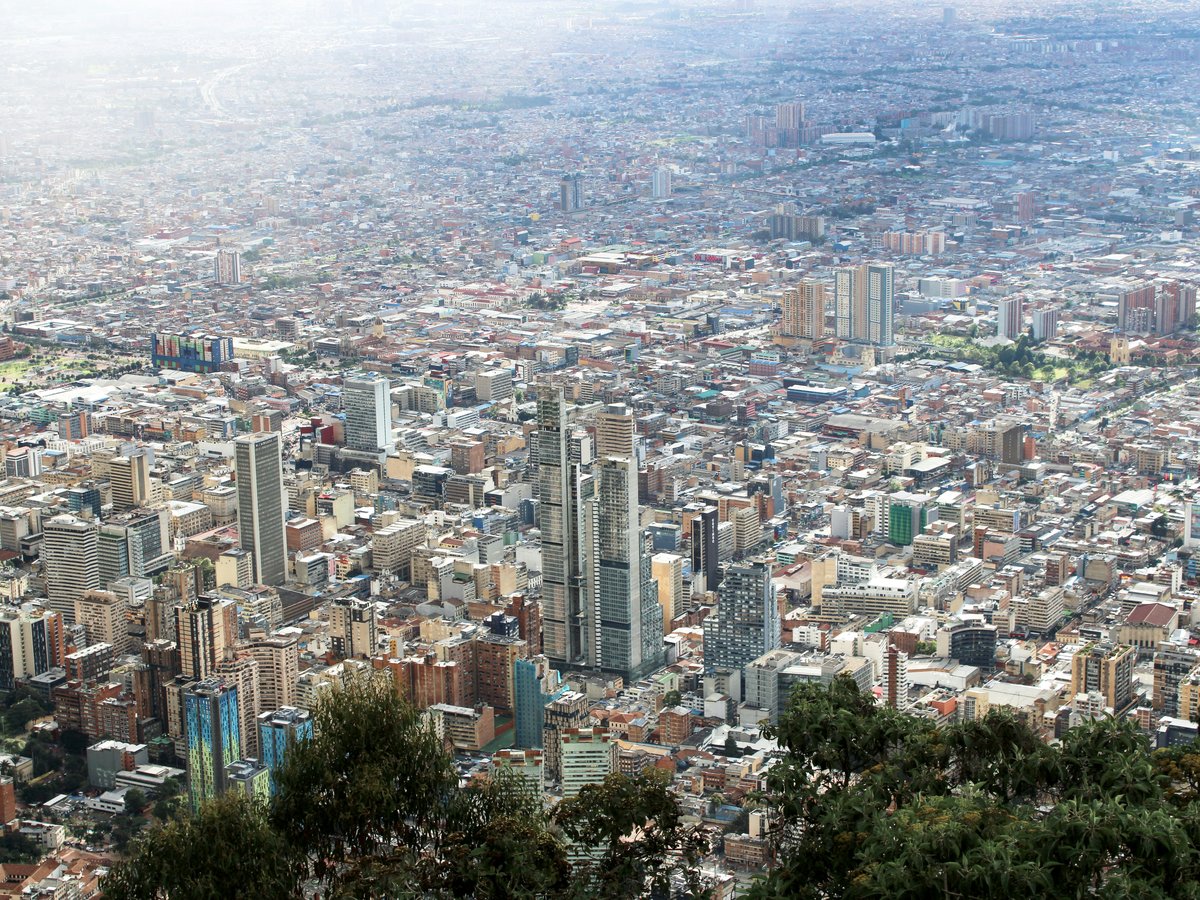
July in Bogota falls in the veranillo, a dry window between the city's two rainy seasons. After March and April dump close to 185mm and 159mm respectively, July brings roughly a third of that total. Morning skies tend to clear by 8 or 9am, though clouds still build across the Sabana after lunch. Bogota sits at 2,640 meters (8,660 feet) above sea level, so expect temperatures closer to a cool European autumn than to the tropical heat most visitors picture when they think of Colombia.
Independence Day on July 20 anchors the month. Military parades pass through Plaza de Bolívar, cultural venues across the historic center open for free, and the long weekend pulls many Bogotanos toward warmer lowland towns. The capital feels slightly emptier as a result. Worth noting, the city's bigger festival season typically arrives in August with the Festival de Verano at Parque Simón Bolívar. July is the calmer lead-in.
The drier conditions and gentler crowds make July a strong month for covering ground on foot. The Ciclovía runs with fewer rain delays, Monserrate's summit emerges through clearer morning skies, and Chapinero's cafe terraces stay dry well into the afternoon.
Why visit in July
- Rainfall drops significantly from the wet-season months. July is one of the three driest months in Bogota's calendar, and the hilly neighborhoods between La Candelaria and La Macarena are far more comfortable to walk without daily downpours.
- The national holiday brings free museum entry and cultural programming across the historic center, including at institutions that normally charge admission.
- The mid-year holiday break draws locals out of the city toward warmer destinations. This thins crowds at major attractions and frees up restaurant reservations that would be harder to get in December.
- The veranillo coincides with school holidays in North America and Europe, making July a convenient month for international visitors who need to travel during fixed vacation periods.
Worth knowing
- Afternoon cloud cover and brief rain showers still appear on roughly half the days, so outdoor photography and sunset viewpoints remain weather-dependent after noon.
- Nighttime temperatures catch visitors off guard. Travelers who arrive from warmer Colombian cities like Medellín or Santa Marta often step off the plane in shorts and regret it within an hour.
- The mid-year school break drives domestic tourism to surrounding pueblos, which makes weekend day trips to Zipaquirá or Villa de Leyva slightly more crowded and harder to book last-minute.
Best for
Think twice if
July sits in Bogota's veranillo dry window. Mornings start cool enough for a sweater, with temperatures climbing into the high teens by early afternoon before clouds tend to build. Rain arrives in short afternoon bursts rather than daylong soakings. Humidity readings might sound high on paper, but the altitude keeps the air from feeling sticky the way Barranquilla or the Caribbean coast does. You'll see rain on roughly half the days, though most showers pass within 30 minutes. Clear mornings are the norm, so front-load your outdoor plans before noon.
Seasonal caution
- UV radiation at Bogota's elevation is significantly stronger than at sea level. Sunburn can develop within 20 minutes of direct exposure, even on days with partial cloud cover.
- Mild altitude effects, including headache, shortness of breath, and fatigue, affect many visitors in the first 24 to 48 hours. Stay hydrated, limit alcohol on arrival day, and ease into physical activity.
Year-round climate
Averages from the last 5 years.
| Month | Avg high (°C) | Avg low (°C) | Rainfall (mm) |
|---|---|---|---|
| Jan | 21 | 7 | 57 |
| Feb | 21 | 9 | 110 |
| Mar | 20 | 9 | 185 |
| Apr | 20 | 9 | 159 |
| May | 19 | 9 | 131 |
| Jun | 19 | 9 | 106 |
| Jul | 19 | 8 | 62 |
| Aug | 20 | 8 | 46 |
| Sep | 20 | 8 | 52 |
| Oct | 20 | 8 | 110 |
| Nov | 20 | 9 | 149 |
| Dec | 21 | 8 | 64 |
Holidays and festivals in July
Public holidays
- Saint Peter and Saint Paul(San Pedro y San Pablo)5 July 2027
- Our Lady of Chiquinquirá Day(Día de la Virgen de Chiquinquirá)12 July 2027
- Declaration of Independence(Declaracion de la Independencia de Colombia)20 July 2027
Best things to do in July
Hike Monserrate at dawn
outdoorThe 3,152-meter summit overlooks the entire Sabana de Bogotá. The trail from the eastern edge of the historic center takes 60 to 90 minutes on foot, or you can ride the funicular or cable car.
July's drier mornings produce some of the clearest summit views of the year. Wet-season months often cover the peak in cloud before 10am.Booking tipThe funicular and cable car have limited capacity on weekends. Arrive before 8am or go on a weekday.
Free museum circuit on the national holiday
cultureThe Gold Museum, founded in 1968, holds one of the world's largest collections of pre-Columbian gold. The Colombian National Museum, which opened in 1823, occupies a former prison building. Both sit within a 15-minute walk of the main square.
The national holiday brings free entry to major museums that normally charge. Special exhibitions and cultural programming fill the long weekend.Booking tipNo booking needed for the free-entry day, but expect longer queues at the Gold Museum by mid-morning.
Ciclovía without rain
outdoorBogota's car-free cycling corridor runs over 120 kilometers every Sunday through neighborhoods from Usaquén in the north to the southern districts. The route passes through the city's largest park and along the Séptima, the main north-south avenue.
July's lower rainfall means fewer rain-dampened Sundays. The national holiday also adds an extra Ciclovía day during the week.Booking tipBike rental stands appear along the route each Sunday. No advance booking needed, but arrive early for the best selection.
Day trip to Zipaquirá Salt Cathedral
day tripThe Salt Cathedral sits inside an active salt mine roughly 50 kilometers north of the capital. The underground nave reaches about 180 meters below the surface and holds 14 stations of the cross carved from halite rock. Buses from Portal del Norte take around 90 minutes.
Drier roads and clearer weather make the bus ride more comfortable. The colonial town of Zipaquirá itself is more pleasant to explore on foot when it is not raining.Booking tipGo on a weekday if possible. The mid-year school break fills the cathedral with domestic tour groups on weekends.
Browse the Usaquén Sunday market
shoppingThe Sunday flea market fills the colonial streets of Usaquén with artisan vendors, antique dealers, and food stalls. The market typically runs from 9am until late afternoon.
The outdoor market depends on decent weather. July's drier Sundays bring the full complement of vendors, and browsing is more pleasant without sheltering under awnings between stalls.Walk the Jardín Botánico de Bogotá
natureThe Jardín Botánico José Celestino Mutis, founded in 1955, covers 19 hectares and focuses on Andean and páramo ecosystems. The orchid greenhouse alone is worth an hour.
The outdoor paths through the Andean forest section turn muddy in the wet months. July's drier conditions let you cover the full grounds without sinking into soft earth.Watch or run the Media Maratón de Bogotá
sportBogota's half-marathon draws thousands of runners through the city's central avenues. The altitude makes it a popular training race for international distance runners.
The race is typically scheduled between late July and early August. The cool, relatively dry weather suits distance running at altitude.Booking tipRegistration usually opens months in advance and sells out. Check the official race website by April if you want to run.
What to eat in July
In season: fruit
Feijoa
Highland feijoa season runs June through August. Fruit stalls across the city sell them by the bag, and most juice shops blend them fresh to order. The flavor sits somewhere between guava and pineapple with a gritty, seed-studded texture.
Curuba
Banana passionfruit ripens through the highland cool season. Street vendors blend it into juice with milk and a touch of sugar. The tart, floral taste is distinctly Andean.
On menus now
Ajiaco bogotano
Bogota's signature three-potato soup with shredded chicken and the herb guascas. July evenings are cold enough to make a bowl feel medicinal. Traditional restaurants in the old quarter serve it alongside rice, capers, cream, and half an avocado.
Changua
A traditional Bogota breakfast soup of milk, water, a poached egg, and stale bread. It looks unpromising but tastes like warmth. Bakeries across Teusaquillo and the colonial quarter still serve it from 6am.
Street food peaks
Obleas con arequipe
Thin wafer sandwiches filled with arequipe, a thick caramel spread. Vendors add shredded cheese or blackberry jam on request. The holiday weekends bring extra stalls to the main plazas.
What to drink
Chocolate santafereño
Hot chocolate served alongside a wedge of fresh cheese for dipping. The cool mornings in July make this Bogota breakfast staple feel necessary rather than quaint.
Regular events in July
Colombian Independence DayFree
National holiday with military parades, cultural events, and free museum entry across the capital. The long weekend drives domestic travel and gives the city a festive atmosphere.
July 20Día de la Virgen del CarmenFree
Patron saint of drivers and transporters. Decorated buses, taxis, and trucks parade through neighborhoods, especially in southern Bogota, with blessings at local churches.
July 16Media Maratón de Bogotá
One of South America's major half-marathon events. Thousands of recreational and competitive runners follow a course through Bogota's central avenues.
Late July (date varies by year, sometimes falls in early August)Holiday CiclovíaFree
An extra car-free cycling day on the national holiday, in addition to the regular Sunday Ciclovía sessions. Over 120 kilometers of corridors open to cyclists, runners, and pedestrians.
July 20 (when it falls on a weekday)Best places this July
Plaza de Bolívar
landmarkThe central square sits flanked by the Primary Cathedral of Bogotá (completed 1807), the congress building, and the Palacio de Justicia. July's dry weather makes the open cobblestone plaza comfortable for lingering, and the Independence Day military parade passes directly through.
La CandelariaParque Simón Bolívar
parkAt 113 hectares, this is the city's largest urban park. July weekends bring joggers, cyclists, and kite-flyers to the lakeside paths that stay muddy through the wetter months. The August festival season fills the park with stages, but in July you get the green space without event infrastructure.
TeusaquilloPaloquemao market
marketOne of Bogota's largest wholesale food markets. The fruit section stretches across several aisles, and July brings highland feijoa at seasonal prices. The flower section on the upper level rivals more tourist-oriented spots at significantly lower cost.
PaloquemaoTeatro Colón
theaterBogota's national theater, opened in 1892, runs a full performance calendar through July. The recently restored interior makes it one of the most striking theater spaces on the continent. Cultural programming tends to intensify around the national holiday week.
La CandelariaLa Macarena
neighborhoodThis small hillside neighborhood between the historic center and Chapinero concentrates some of Bogota's best independent restaurants along Carrera 4A. July's dry evenings make the uphill walk pleasant, and the outdoor tables lining the narrow streets are at their most inviting without rain.
La MacarenaBotero Museum
museumThe Botero Museum, established in 2000, houses Fernando Botero's donated collection of his own work alongside pieces by Picasso, Dalí, and Monet. The colonial building in the historic center is free to enter year-round, but July's drier weather makes the walk between here and the neighboring Gold Museum more pleasant.
La Candelaria
Your packing checklist
Tick items off as you pack. Your progress saves in this browser.
All packed — have a great trip.
Insider tips
TransMilenio, Bogota's bus rapid transit backbone, gets crushingly crowded during rush hours from 6:30 to 9am and 5 to 7:30pm. Traveling mid-morning or early afternoon is a completely different experience.
Aguapanela con queso. Ask for this at any corner bakery or tienda. It is hot panela water, made from unrefined cane sugar, with a chunk of fresh cheese dropped in. It sounds odd. The warm, sweet-salt combination works. Bogotanos drink it every cold morning, and July mornings are cold.
The Jardín Botánico hosts a Sunday farmers' market near its entrance with produce from Cundinamarca highland growers. Prices run well below what you'll find at the more tourist-oriented Usaquén market a few kilometers north.
Not every museum opts into the free-entry program on the national holiday. To be fair, the largest institutions typically participate, but smaller galleries sometimes keep regular hours. Check the city government's cultural agenda online a few days before.
The best empanadas in Bogota are the ones fried in front of you at small street stands, not the ones sitting in glass display cases. Look for stands with the longest local queues, usually near TransMilenio stations around noon.
Avoid these mistakes
- Packing only tropical clothing because Colombia is in South America. Bogota's July weather is closer to San Francisco in October than to Cartagena in any month. First-time visitors regularly shiver through their first evening in a T-shirt.
- Scheduling a full outdoor day without checking the afternoon forecast. July mornings are typically clear, but clouds build after noon and brief showers are likely. Front-load your outdoor plans before midday.
- Attempting the Monserrate trail on your first day in the city. The combination of altitude and steep elevation gain is a reliable recipe for headache and nausea. Give yourself at least one easier day before tackling the hike.
- Assuming Independence Day closures only affect government offices. Banks, some pharmacies, and many small shops close on the holiday and sometimes the surrounding days. Stock up on essentials the day before.
Practical tips for July
Book accommodations in La Candelaria or Chapinero for walkability to most attractions. The Independence Day long weekend fills popular hotels, so reserve at least two weeks ahead for July 18 to 22. TransMilenio covers most of the city but has no luggage space, so use a ride-hailing app from El Dorado International Airport. The airport-to-center journey typically takes 30 to 60 minutes depending on traffic. Most museums close on Mondays, which catches visitors off guard if they arrive on a weekend and plan to sightsee the following week. Colombia runs on UTC-5 year-round with no daylight saving changes. The voluntary service charge (propina voluntaria) shown on restaurant bills is genuinely optional despite occasional pressure from servers. Carry a photocopy of your passport rather than the original.
FAQ
Is July a good time to visit Bogota?
July is genuinely a good month to visit. The veranillo dry window means more outdoor time than the wet months of March through May, and the national holiday adds cultural programming to the calendar. The weather stays cool, so pack for autumn rather than summer. It is not the absolute best month for weather alone (August is slightly drier), but July's combination of events, manageable crowds, and dry conditions makes it one of the stronger options.
What is the weather like in Bogota in July?
Cool and mostly dry. Daytime temperatures reach the upper teens Celsius (mid-60s Fahrenheit), and nights drop enough to need a proper jacket. Rain tends to come in short afternoon bursts on roughly half the days, but mornings are usually clear. The humidity sits around 80%, though it does not feel oppressive at altitude the way it would at sea level.
Is Bogota crowded in July?
Moderately. The mid-year school break brings domestic tourists, and the Independence Day long weekend fills central hotels. But international visitor numbers stay below the December and January peak. Outside the holiday weekend, you should not struggle to find accommodations, and most attractions remain manageable with short queues.
Is Bogota safe for solo travelers in July?
Safety does not vary by season in Bogota. The city scores 4.2 out of 10 for solo-traveler safety (see the TTDI Solo-Safety Index). Use ride-hailing apps instead of street taxis, keep valuables in a front-carry bag, avoid displaying expensive electronics in crowded areas, and stay in well-traveled neighborhoods like Usaquén and the Zona Rosa after dark. The colonial center is fine during the day but quieter at night.
Is Bogota a good destination for families?
Bogota scores 6 out of 10 for family friendliness (see the TTDI Family-Friendliness Index). The Gold Museum, Botanical Garden, and Parque Simón Bolívar all work well for families with children. July's cool weather means kids will need warm layers, and altitude can affect young children more noticeably than adults. Plan a quieter first day to let everyone acclimatize.
Things to Do in Bogota in July
 Free cancellation
 Bogota Zipaquira Salt Cathedral Private Tour + Lunch
Day trip: 7 hours, free cancellation.
via Viator Free cancellation
 Bogota: Small Group Tour Zipaquira Salt Cathedral with Pickup
Day trip: 8 hours, free cancellation.
via Viator Free cancellation
 From Hotel - Guatavita and Zipaquirá - Route of the 7 Treasures
Day trip: free cancellation.
via Viator Free cancellation
 Colombia’s Tallest Waterfalls: La Chorrera Hike
Outdoor experience: free cancellation.
via Viator Free cancellation
 Cheapest ZIPAQUIRA & GUATAVITA LAKE Visit 5 Top Sights w/PICKUP
Outdoor experience: free cancellation.
via Viator Free cancellation
 Group Tour Zipaquirá salt cathedral gastro tour
Day trip: free cancellation.
via ViatorLast verified by automated review (v1.7.2) on . What is automated review?