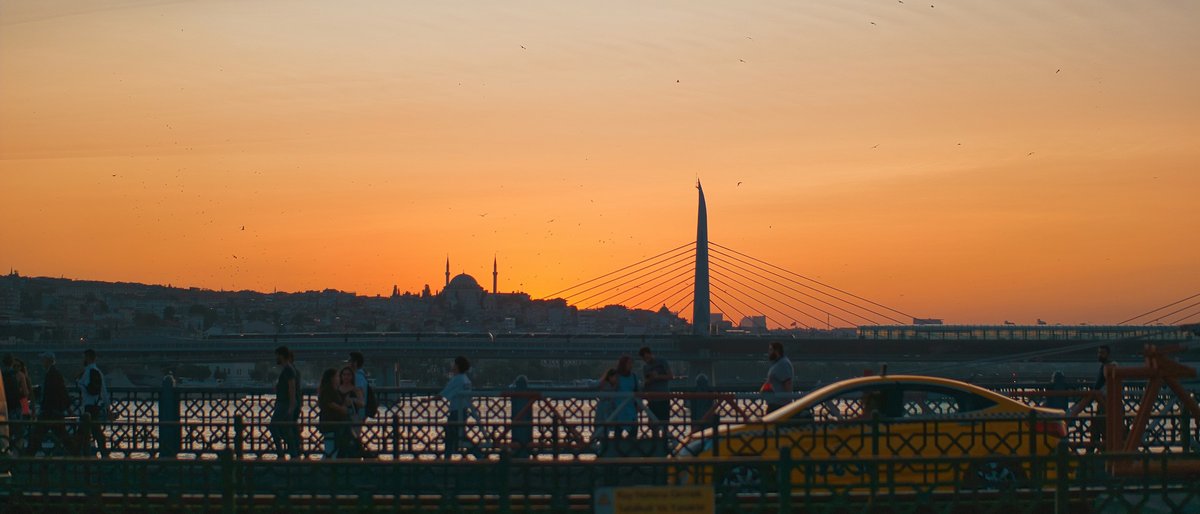
Compare every Turkey city in March →
Stay in Istanbul in March
77 hotels in the Trip.com pool for Istanbul, from US$29 a night.
Opens Trip.com on Fri 5 Mar to Sun 7 Mar 2027; change the dates there.
March in Istanbul is the tail end of winter, and it still feels like it. Expect daytime highs around 12°C (54°F) with nights dropping to about 5°C (41°F): cold enough that you'll want proper layers, not just a light jacket tossed over a t-shirt. The Bosphorus wind has a way of cutting right through you on exposed hilltops and ferry crossings, which makes the actual temperature feel a few degrees colder than the thermometer suggests. That said, this is a month of transition. By the last week, you might catch an afternoon warm enough to sit outside at a çay garden without hunching into your coat. Might.
The real draw of March is Nevruz, the Persian and Turkic new year celebration on March 21st, which brings bonfires, folk dancing, and a palpable energy to neighborhoods with large Kurdish populations: Esenyurt, Bağcılar, and parts of Sultanbeyli. It's one of the more genuine cultural moments you can stumble into, completely separate from anything packaged for tourists. The tulip season is also beginning to stir by late March, with the earliest blooms appearing in Emirgan Park and Gülhane Park, though the real explosion of color typically holds off until April.
Pricing works in your favor here. March sits firmly in the shoulder season, so hotel rates in Sultanahmet and Beyoğlu tend to run noticeably lower than what you'd pay in May or October. Crowds at the major sites (Hagia Sophia, Topkapı Palace, the Grand Bazaar) are manageable on weekdays. You won't have the place to yourself, but you also won't be shuffling through rooms shoulder-to-shoulder. It's a trade-off: less-than-ideal weather for better access to the city.
Why visit in March
- Shoulder-season hotel rates: expect to pay 20-30% less than peak months like May, September, or October, with good availability even on short notice
- Shorter queues at major sites like Hagia Sophia and Topkapı Palace, on weekday mornings when you might wait 15 minutes instead of an hour
- Early tulip blooms begin appearing in Emirgan Park and Gülhane Park by late March, giving you a preview without April's crowds
- Nevruz celebrations on March 21st offer a window into Kurdish and Turkic culture that most tourists never encounter
- The cooler weather is good for walking-heavy itineraries through hilly neighborhoods like Balat, Fener, and Cihangir: you won't be drenched in sweat by noon
Worth knowing
- Cold, damp weather with an average of 13 rainy days means you'll likely lose at least a few afternoons to gray skies and drizzle
- The Bosphorus wind chill makes exposed areas like the Galata Bridge, ferry terminals, and rooftop terraces uncomfortable without proper layering
- Outdoor dining and rooftop bar season hasn't started: many terraces remain closed or covered, limiting one of Istanbul's signature pleasures
- Daylight is still relatively short, with sunset around 6:30 PM, cutting into evening sightseeing time
Best for
Think twice if
March in Istanbul feels like late winter trying to become spring but not quite getting there. Days typically reach about 12°C (54°F), which sounds mild enough until the wind off the Bosphorus hits you on the Galata Bridge: then it feels more like 7 or 8°C. Nights settle around 5°C (41°F), cold enough that you'll want a proper coat for evening walks. Rain is a constant companion, with roughly 76mm spread across 13 days, though these tend to be intermittent showers rather than all-day downpours. Humidity sits around 77%, giving the air a damp quality that makes the cold feel sharper than the numbers suggest. By the last week of March, you might get a handful of days pushing toward 15°C with some genuine sunshine: a teaser of what April will bring.
Seasonal caution
- The Bosphorus wind chill can make 12°C feel closer to 5-7°C on exposed waterfront areas and ferry crossings: dress for the wind, not just the thermometer
- Wet cobblestones in historic districts like Sultanahmet, Balat, and the Grand Bazaar approaches become slippery: wear shoes with proper grip
Year-round climate
Averages from the last 5 years.
| Month | Avg high (°C) | Avg low (°C) | Rainfall (mm) |
|---|---|---|---|
| Jan | 10 | 5 | 91 |
| Feb | 10 | 4 | 76 |
| Mar | 12 | 5 | 76 |
| Apr | 17 | 9 | 70 |
| May | 21 | 13 | 57 |
| Jun | 27 | 18 | 42 |
| Jul | 30 | 21 | 33 |
| Aug | 30 | 22 | 20 |
| Sep | 26 | 18 | 48 |
| Oct | 20 | 13 | 53 |
| Nov | 17 | 10 | 100 |
| Dec | 12 | 7 | 90 |
Holidays and festivals in March
Public holidays
- Eid al-Fitr First Day (Tentative Date)(Ramazan Bayramı 1. Gün (Tentative Date))10 March 2027
- Eid al-Fitr Second Day (Tentative Date)(Ramazan Bayramı 2. Gün (Tentative Date))11 March 2027
- Eid al-Fitr Third Day (Tentative Date)(Ramazan Bayramı 3. Gün (Tentative Date))12 March 2027
Headline events
Nevruz (Nowruz): Spring Equinox Celebration
March 21
The ancient Persian and Turkic new year marking the spring equinox, celebrated with bonfires, folk music, traditional dancing, and communal meals. In Istanbul, the celebrations are strong in neighborhoods with large Kurdish populations. Bonfires are lit at dusk, people jump over flames for purification, and the atmosphere is electric. It's a meaningful cultural event, not a tourist production, which is exactly what makes it worth seeking out.
Best things to do in March
Bosphorus ferry from Eminönü to Anadolu Kavağı
sightseeingThe classic Bosphorus cruise route runs year-round, but March offers something the summer crowds don't get: near-empty upper decks, moody low clouds dragging across the waterline, and Ottoman yalı mansions reflected in steel-gray water. The full route to Anadolu Kavağı takes about 90 minutes each way, with the return trip catching the late afternoon light. Bring a hot simit from the dock vendors and a çay from the onboard canteen.
Dramatically fewer passengers than summer means you can sit on the upper deck and photograph both shorelines without fighting for position. The winter light creates a completely different atmosphere from the postcard-blue summer version.Booking tipNo advance booking needed, just show up at the Eminönü ferry terminal. Weekday sailings are quieter than weekends.
Walking the Balat and Fener neighborhoods
neighborhood explorationThese adjoining neighborhoods on the Golden Horn waterfront have become Instagram-famous for their colorful Ottoman-era row houses, but in March the selfie crowds are thin. The steep cobblestone streets wind past Greek Orthodox churches, synagogues, and small antique shops. Stop into a local kahvehane for Turkish coffee: you'll likely be the only tourist there. The iron-red facade of the Phanar Greek Orthodox College looming above the rooftops is a sight that catches you off guard every time.
The summer and autumn tourist traffic that now clogs these narrow streets hasn't materialized yet. You can photograph the famous colorful houses without waiting for people to clear the frame, and local shop owners have time to chat.Topkapı Palace without the crush
culturalIstanbul's most-visited museum is a different experience in March. The Harem section, which can feel claustrophobic in July with hundreds of bodies generating heat in small tiled rooms, is navigable and quiet enough that you can study the İznik tile work. The Treasury is the same: you might spend 10 minutes at the Spoonmaker's Diamond display instead of being shoved past it. The courtyards are cold but atmospheric, with bare plane trees and the occasional dusting of rain.
Summer visitor counts at Topkapı regularly exceed 10,000 per day. In March, you're looking at a fraction of that, on weekday mornings. The difference in experience quality is substantial.Booking tipBuy tickets online the night before to skip even the short March queue. Visit on a Tuesday or Wednesday morning for the quietest experience. The museum is closed on Tuesdays, so Wednesday it is.
Early tulip scouting at Emirgan Park
natureIstanbul's annual Tulip Festival officially launches in April, but the earliest varieties start blooming in the last ten days of March at Emirgan Park on the European shore of the Bosphorus. The park's three historic Ottoman pavilions (the Yellow, White, and Pink) serve as landmarks among the flower beds. It's not the full carpet of color you'd see in mid-April, but there's something satisfying about catching the first blooms before the festival infrastructure goes up.
You're getting a preview of the tulip season without the crowds, staged photo opportunities, or restricted paths that the official April festival brings. The park itself is peaceful in late March.Booking tipFree entry year-round. Take the 25E bus from Kabataş or a taxi from Sarıyer.
Rainy-day hammam circuit
wellnessMarch's frequent rain makes this the ideal month to finally commit to a proper Turkish bath experience. The historic hammams: Çemberlitaş Hamamı near the Grand Bazaar, Kılıç Ali Paşa Hamamı in Tophane, and Ayasofya Hürrem Sultan Hamamı between the Blue Mosque and Hagia Sophia: are all less booked in March than peak season. The contrast of stepping from cold, damp streets into a steaming marble göbektaşı is one of Istanbul's great sensory experiences.
Lower demand means easier booking at premium hammams that require weeks of advance notice in summer. The cold-to-warm transition also makes the experience more dramatic than doing it in August when you're already overheated.Booking tipBook Kılıç Ali Paşa at least 3-4 days ahead even in March: it's the most sought-after. Çemberlitaş usually has same-day availability.
Grand Bazaar browsing at actual browsing pace
shoppingThe Grand Bazaar with 4,000+ shops can feel like being trapped in a beautiful, aggressive maze during peak months. March changes the dynamic. Shopkeepers have more time, more patience, and more willingness to explain their craft: whether that's hand-painted ceramics, leather work, or antique carpet restoration. The warren of covered streets feels atmospheric rather than suffocating when the foot traffic is halved.
Significantly reduced tourist traffic means shopkeepers engage differently: less hard-sell, more conversation. You'll also have better negotiating use, for carpets and ceramics.Booking tipGo in the morning before 11 AM for the calmest experience. The bazaar is closed on Sundays.
Istanbul Archaeology Museums deep dive
culturalThree museums in one complex: the main Archaeology Museum, the Museum of the Ancient Orient, and the Tiled Kiosk: sitting right below the first courtyard of Topkapı Palace. The Alexander Sarcophagus alone justifies the visit, but the Mesopotamian collection in the Ancient Orient wing is what stays with you. March's quiet galleries let you stand in front of the Treaty of Kadesh (the oldest known peace treaty in human history) without anyone bumping your elbow.
Indoor museum days are a natural fit for March weather, and low visitor numbers mean you can take your time with exhibits that deserve more than a passing glance.Booking tipAllow at least 3 hours for all three buildings. The complex closes at 5 PM: arrive by 1 PM at the latest.
Çamlıca Hill sunset viewing
sightseeingThe recently completed Çamlıca Mosque (the largest in Turkey) sits atop Çamlıca Hill on the Asian side, with panoramic views across the Bosphorus, the Golden Horn, and the entire historic peninsula. On a clear March evening, the sunset paints the water gold while the call to prayer echoes from hundreds of minarets below. The hilltop park has tea gardens where you can sit with a glass of çay and watch the city light up. On overcast days, the fog rolling between the minarets is its own kind of spectacle.
March sunsets hit at a reasonable hour (around 6:30 PM) meaning you don't have to stay out until 9 PM like you would in June. The winter-to-spring light has a quality that summer's harsh glare lacks.Booking tipFree to visit. Take the Marmaray to Üsküdar and then a taxi or bus up the hill. Arrive 45 minutes before sunset for the best position.
What to eat in March
In season: fruit
Taze badem (green almonds)
Street vendors start selling fresh green almonds in late March: eaten whole, shell and all, while they're still soft and slightly sour. You'll spot them on carts near ferry terminals and along İstiklal Caddesi. Locals dip them in salt and eat them as a walking snack. The texture is crunchy and wet, nothing like a dried almond.
On menus now
Kuzu tandir (slow-roasted spring lamb)
As the first spring lambs appear at butchers in March, slow-roasted tandir lamb becomes a seasonal fixture at traditional lokantası restaurants. The meat is cooked for hours until it falls apart, typically served over pide bread to soak up the juices. The flavor is noticeably different from the lamb you'll find in summer: younger, more tender, with a sweetness to the fat.
Çilekli muhallebi (strawberry milk pudding)
The first Turkish strawberries from the Aegean coast start arriving in late March, and pastane shops celebrate by topping their muhallebi (a wobbly, rosewater-scented milk pudding) with fresh sliced strawberries. It's a simple combination that marks the turning point from winter desserts to spring ones.
Street food peaks
Pırasa böreği (leek börek)
Leeks peak in late winter and early spring, and March is when you'll find the best pırasa böreği at neighborhood börekçi shops. Thin yufka pastry filled with leeks, sometimes mixed with cheese or egg, baked or fried until the layers shatter. The leeks have a mild sweetness at this time of year that disappears by May.
In markets
Hamsi (Black Sea anchovies)
March is the tail end of hamsi season, and locals know this is your last chance until November. These small Black Sea anchovies are fried whole in cornmeal, baked into rice pilavs, or folded into a cornbread called hamsi böreği. The fish counters at Karaköy and Beşiktaş fish markets still have good stock in early March, but they thin out fast.
Regular events in March
Istanbul Film Festival pre-season screenings
The main festival runs in April, but late March typically sees preview screenings and panel discussions at Atlas Cinema in Beyoğlu and Kadıköy cinemas on the Asian side. The program usually features Turkish independent cinema alongside international selections. Check the IKSV website for specific dates as the schedule shifts yearly.
Late MarchNevruz neighborhood celebrationsFree
Beyond the main Nevruz observance on March 21st, various neighborhoods hold smaller gatherings throughout the week: communal meals, music performances, and bonfire gatherings. Sultanbeyli and Esenyurt host some of the larger community events.
March 18-23Istanbul Coffee Festival early edition
Some years the coffee festival falls in late March rather than April, featuring Turkish and specialty coffee roasters, brewing workshops, and tastings across multiple venues. The exact timing varies: it's worth checking closer to date.
Late March (varies by year)Çanakkale Victory Day (March 18)Free
A national commemoration of the 1915 Gallipoli naval victory. Istanbul marks it with ceremonies, museum exhibitions, and military parades. Schools and government buildings fly flags, and some museums offer free or discounted entry. It's a solemn rather than festive occasion, but it offers genuine insight into Turkish national identity.
March 18Best places this March
Gülhane Park
parkIstanbul's oldest public park, sitting just below Topkapı Palace, is where the first crocuses and early tulips appear in March. The long allée of plane trees hasn't leafed out yet, giving you clear sightlines down to the Golden Horn that you won't get in summer. The park's tea garden near the lower gate serves hot sahlep (a thick, cinnamon-dusted winter drink made from orchid tubers) which is typically only available through March before vendors switch to cold drinks.
SultanahmetKadıköy Market district
marketThe grid of market streets behind the Kadıköy ferry terminal on the Asian side is where Istanbulites shop for food. In March, the fish stalls are piled with the last of the season's hamsi and levrek, the greengrocers display fresh artichokes and wild herbs, and the pickle shops are at their most pungent. The atmosphere is completely different from the tourist-oriented Spice Bazaar: rougher, louder, and more real. The smell of fresh-ground coffee from Fazıl Bey's has been pulling people in since 1923.
KadıköyKuzguncuk village
neighborhoodA tiny neighborhood on the Asian shore of the Bosphorus, squeezed between Üsküdar and Beylerbeyi, with a single main street lined with wooden Ottoman houses painted in pastels. In March, the famous Kuzguncuk plane tree is still bare, the weekend brunch crowds haven't arrived yet, and you can walk the entire neighborhood in an hour with almost no company. The small Greek church, Armenian church, synagogue, and mosque within a few hundred meters of each other tell a story about Istanbul's multicultural past.
KuzguncukPierre Loti hilltop café
viewpointNamed after the French novelist who frequented it, this café sits atop a hill in Eyüp overlooking the Golden Horn. Take the cable car up from the Eyüp Sultan Mosque: in March, you'll likely have the gondola to yourself. The view on a gray March day, with mist sitting in the valley and the Golden Horn reflecting pewter light, is more atmospheric than the clear summer version. Order a Turkish coffee and watch the ferries trace lines across the water below.
EyüpChora Church (Kariye Mosque)
historical siteRecently reopened as a mosque after years of restoration, the Chora's Byzantine mosaics and frescoes are among the finest surviving examples anywhere: rivaling anything in Ravenna. March visitor numbers are low enough that you can stand beneath the Anastasis fresco in the parekklesion and study the details without being hurried along. The surrounding Edirnekapı neighborhood is well off the tourist trail and has a few excellent local pide restaurants.
EdirnekapıArnavutköy waterfront
neighborhoodA slender strip of Ottoman-era wooden houses along the European Bosphorus shore, between Bebek and Ortaköy. In March, the seafood restaurants here are quiet enough to get waterfront tables that require booking weeks ahead in summer. The wooden facades reflected in the gray-green water, fishing boats bobbing at dock: it's the kind of scene that rewards a slow afternoon walk. The scent of grilled fish drifts from the small restaurants even on cold days.
Arnavutköy
Your packing checklist
Tick items off as you pack. Your progress saves in this browser.
All packed — have a great trip.
Insider tips
The Eminönü-Kadıköy ferry at sunset is one of Istanbul's greatest free experiences, and in March you can stand at the stern railing without competing for space. Time it for the 5:30 PM crossing and watch the Sultanahmet skyline turn gold behind you as you cross to Asia.
For the best simit in the city, skip the carts near the tourist sites and look for the vendors carrying wooden trays on their heads near Beşiktaş ferry terminal: the simit there tends to be fresher, crispier, and about half the price of what you'll pay in Sultanahmet.
Istiklal Caddesi is the famous pedestrian street, but the real character of Beyoğlu lives in the side passages: Çiçek Pasajı, Atlas Pasajı, and the narrow alleys off Nevizade Sokak. In March, the meyhane tavernas along Nevizade are lively without the summer overflow crowds, and you can usually get a table without a reservation on weeknights.
If you're visiting mosques, go during the 30 minutes after morning prayer rather than midday. The light coming through stained glass in the Blue Mosque and Süleymaniye Mosque is at its most dramatic in the morning, and you'll share the space with a handful of worshippers rather than tour groups.
The Asian side (Kadıköy, Moda, Üsküdar) is where locals live and eat. A single afternoon ferry ride across puts you in neighborhoods where menus aren't translated into English and prices drop by 30-40% compared to Sultanahmet. March is good for this because the Asian side's outdoor café culture hasn't kicked in yet, pushing everyone into cozy indoor spots.
Avoid these mistakes
- Packing for spring weather because the calendar says March: Istanbul in March is winter, full stop. The average high is only 12°C (54°F) and the wind chill makes it feel colder. People who pack light jackets and sneakers spend their first day buying emergency layers from shops on İstiklal Caddesi.
- Booking a Bosphorus cruise on the first available day instead of watching the forecast: if you have flexibility, wait for a clear day. The difference between a sunny Bosphorus cruise and a gray, windy one is enormous. March gives you enough days to be selective.
- Spending all your time on the European side and treating the Asian side as an optional day trip. Kadıköy and Üsküdar are not secondary attractions: they're where the city's best food, most authentic neighborhoods, and most relaxed atmosphere live. Give the Asian side at least two full days.
- Underestimating walking distances because the map looks compact: Istanbul is built on hills, and what looks like a 10-minute walk on Google Maps becomes 20 minutes when you're climbing steep cobblestone streets in Cihangir or descending from Süleymaniye to the Golden Horn. Factor in extra time and don't over-schedule your days.
Practical tips for March
Book mosque visits around prayer times: five daily prayers each close the mosque to tourists for 20-30 minutes, and arriving just as a prayer starts means standing outside in March cold. Check prayer times the night before and plan accordingly. Hagia Sophia in particular has longer prayer closures since its reconversion to a mosque.
The İstanbulkart transit card is essential: it works on ferries, trams, metro, and buses, and saves roughly 50% versus buying single tickets. Buy one at any metro station kiosk for a small deposit and top it up as needed. Two people can share one card by tapping twice.
Restaurant hours shift in March: many places don't open for dinner until 7 PM, and last orders at traditional lokantası lunch spots happen by 3 PM. The Grand Bazaar closes at 7 PM and is shut all day Sunday. The Spice Bazaar keeps similar hours.
If you're visiting during Nevruz week (around March 21), some neighborhoods may have road closures or increased police presence for celebrations. This is normal and not a safety concern, but it can affect transit routes in areas like Sultanbeyli.
Book any intercity travel (buses or flights to Cappadocia) at least a week ahead, as domestic tourism picks up around Nevruz. Istanbul hotels are generally fine with shorter notice in March, but specific rooms at boutique properties in Sultanahmet or Galata go fast.
FAQ
Is March a good time to visit Istanbul?
It's decent but not ideal. You're getting shoulder-season prices and smaller crowds at major sites, which is a genuine advantage. The trade-off is cold, damp weather (averaging 12°C (54°F) highs with frequent rain) that limits outdoor dining and rooftop experiences. If you're primarily interested in history, architecture, food, and museums, March works well. If you want warm evenings by the Bosphorus, wait until May or June. We'd rank it around 8th out of 12 months overall.
What is the weather like in Istanbul in March?
Cold and unpredictable. Average highs around 12°C (54°F), lows near 5°C (41°F), with about 76mm of rain spread across 13 days. Humidity hovers around 77%, which makes the cold feel sharper. The Bosphorus wind amplifies everything: exposed areas like the Galata Bridge or ferry terminals feel significantly colder than sheltered streets. You might get a few sunny days pushing toward 15°C in the last week, but don't count on it. Pack as if you're visiting a cold, rainy European city.
Is Istanbul crowded in March?
No: this is one of the quieter months for tourism. You'll notice the difference most at headline attractions like Hagia Sophia, Topkapı Palace, and the Grand Bazaar, where summer queues of an hour or more shrink to 15-20 minutes. The streets of Sultanahmet and Beyoğlu are noticeably less packed. That said, Istanbul is a city of 16 million people, so 'quiet' is relative: public transit at rush hour is still packed, and popular restaurants still fill up on weekend evenings.
Can you see tulips in Istanbul in March?
Barely. Istanbul's famous tulip season officially runs in April, but the earliest-blooming varieties start showing color in the last week of March, at Emirgan Park and Gülhane Park. If you're visiting in the first three weeks of March, you won't see tulips. If you're there in the final week, you might catch the very beginning. For the full tulip experience with millions of blooms across the city, you'd need to come in mid-April.
What should I wear in Istanbul in March?
Layer for cold, wet, and windy conditions. A wind-resistant insulated jacket is the most important piece, not a light windbreaker, but something with real insulation. Underneath, a merino wool base layer adds warmth without bulk. Waterproof shoes with good grip are critical for wet cobblestones. Bring a scarf that can double as mosque head covering, a compact umbrella, and consider packing gloves and a warm hat for ferry crossings and hilltop viewpoints. You'll be glad you overpacked for warmth.
Things to Do in Istanbul in March
 Free cancellation
 Best of Istanbul 1, 2 or 3-Day Private Guided Istanbul Tour
Cruise: free cancellation.
via Viator Free cancellation
 Istanbul Bosphorus Sunset Cruise Experience on Luxury Yacht
Cruise: 2.2 hours, free cancellation.
via Viator Free cancellation
 Istanbul Mega Lufer Dinner Cruise Bosphorus and Show Pvt Table
Day trip: 3 hours, free cancellation.
via Viator Free cancellation
 Istanbul Sunset Luxury Yacht Cruise Experience with Local Guide
Cruise: 2 hours, free cancellation.
via Viator Free cancellation
 Istanbul Bosphorus Sunset Luxury Yacht Cruise with Snacks
Day trip: 2.5 hours, free cancellation.
via Viator Free cancellation
 Istanbul Bosphorus Yacht Cruise with Live Guide & Asian Side Stop
Day trip: 2.5 hours, free cancellation.
via ViatorFind a flight to Istanbul
Live fares to Istanbul appear here once cookies are accepted.
Last verified by automated review (v1.7.1) on . What is automated review?