Compare every Turkey city in December →
Stay in Istanbul in December
77 hotels in the Trip.com pool for Istanbul, from US$29 a night.
Opens Trip.com on Fri 4 Dec to Sun 6 Dec 2026; change the dates there.
December in Istanbul is cold, grey, and wet, and that's precisely what makes it one of the more honest months to experience the city. Expect daytime temperatures around 12°C (54°F) dropping to 7°C (45°F) at night, with about 12 rainy days spread across the month. The Bosphorus takes on this moody, slate-colored quality that photographs surprisingly well, and the call to prayer echoing through fog over Sultanahmet has a weight to it that you simply don't get in summer. The tourist crowds thin out considerably after the first week, which means you can stand inside Hagia Sophia without someone's selfie stick in your peripheral vision.
That said, let's be direct: if your mental image of Istanbul involves rooftop drinks at sunset and long walks along the waterfront in shirtsleeves, December will disappoint you. The wind off the Bosphorus cuts right through you, on the ferry crossings, and shorter daylight hours (sunset arrives around 4:45pm) limit how much you can pack into a day. Rain tends to come in bursts rather than all-day downpours, but you'll still want to plan around it. The upside is real, though: this is shoulder season pricing with off-season crowds, and the city's indoor life (the hammams, the covered bazaars, the meyhanes with their warm meze spreads) is arguably at its best when there's cold rain outside the window.
December also brings a particular energy to the city. New Year's Eve is the big event here: Turkey doesn't formally celebrate Christmas, but the secular New Year celebration is enormous, along İstiklal Caddesi and around Taksim. The Grand Bazaar and Spice Bazaar are stocked for gift-giving season, and you'll find seasonal treats like salep and roasted chestnuts on seemingly every corner. It's a month that rewards slow, indoor-focused travel. Mind you, if you only have three days and want to hit every major sight, the short daylight and weather interruptions will test your patience.
Why visit in December
- Dramatically fewer tourists at major sites: Topkapı Palace, the Basilica Cistern, and Hagia Sophia are all manageable without the summer queues that can run 90 minutes or more
- Hotel rates drop roughly 25-35% from summer peak, with good four-star options in Sultanahmet and Beyoğlu at genuine mid-range prices
- The hammam experience peaks in cold weather: stepping into a 400-year-old steam room when it's 8°C outside is a different experience than doing so in July heat
- Seasonal street food hits its stride: roasted chestnuts, corn on the cob, and cups of hot salep from vendors along the Bosphorus waterfront
- New Year's Eve celebrations are impressive, with the entire İstiklal Caddesi corridor turning into a massive street gathering
Worth knowing
- Roughly 12 rainy days means you'll likely lose 2-3 afternoons to weather: outdoor plans need flexible backup options
- Daylight runs from about 7:30am to 4:45pm, giving you barely 9 hours of usable light for sightseeing and photography
- The Bosphorus wind chill is no joke: exposed ferry crossings and waterfront walks feel significantly colder than the thermometer suggests
- Some rooftop restaurants and outdoor terraces close or operate reduced hours, limiting the city's famous waterfront dining scene
Best for
Think twice if
December brings Istanbul's full winter personality: grey skies, intermittent rain, and a persistent chill amplified by wind off the Bosphorus and the Golden Horn. Temperatures hover around 12°C (54°F) during the day and drop to roughly 7°C (45°F) at night, though the humidity at 81% makes it feel colder than the numbers suggest. Rain comes in short, sharp bursts rather than day-long downpours: you might get 20 minutes of hard rain followed by a break, then another spell an hour later. Snow is possible but rare, maybe once or twice a month, and it rarely sticks in the city center. The real challenge is the wind: the Bosphorus is a wind tunnel, and exposed spots like the Galata Bridge or the Asian-side ferry terminals can feel bitter. You'll get the occasional crisp, clear day where the light over the water is spectacular, but plan for overcast as your baseline.
Seasonal caution
- The Bosphorus wind chill can push the perceived temperature well below the actual 7-12°C range: exposed ferry crossings and waterfront promenades feel significantly colder, in the late afternoon
- Wet cobblestones on Istanbul's steep streets create genuine slip hazards, in Balat, Fener, and the backstreets of Sultanahmet: wear shoes with proper grip
Year-round climate
Averages from the last 5 years.
| Month | Avg high (°C) | Avg low (°C) | Rainfall (mm) |
|---|---|---|---|
| Jan | 10 | 5 | 91 |
| Feb | 10 | 4 | 76 |
| Mar | 12 | 5 | 76 |
| Apr | 17 | 9 | 70 |
| May | 21 | 13 | 57 |
| Jun | 27 | 18 | 42 |
| Jul | 30 | 21 | 33 |
| Aug | 30 | 22 | 20 |
| Sep | 26 | 18 | 48 |
| Oct | 20 | 13 | 53 |
| Nov | 17 | 10 | 100 |
| Dec | 12 | 7 | 90 |
Holidays and festivals in December
Is New Year's Eve celebrated in Istanbul?
31 December 2026
New Year's Eve is an imported celebration in Istanbul rather than a local tradition, and the city marks it visibly. Our catalog lists 14 bookable New Year's Eve activities around the date.

Istanbul New Year's Eve Dinner Cruise With Fireworks Shows 2026
- 5–6 hr
- Free cancellation
- Easy pace
For a full refund, cancel at least 24 hours before the scheduled departure time.

Bosphorus New Year's Eve dinner cruise & party, Istanbul 2027
- 4–5 hr
- Free cancellation
- Easy pace
For a full refund, cancel at least 24 hours before the scheduled departure time.

Istanbul New Years Eve 2027 Bosphorus Dinner and Party Cruise
- 5 hr
- Free cancellation
- Easy pace
For a full refund, cancel at least 24 hours before the scheduled departure time.

Istanbul Bosphorus New Year's Eve Dinner Cruise Party in Istanbul
- 5 hr
- Easy pace
Headline events
Istanbul New Year's Eve Celebrations
December 31
While not a structured festival, New Year's Eve in Istanbul is a massive event. İstiklal Caddesi fills with tens of thousands of people, restaurants along the Bosphorus host elaborate dinner-and-countdown packages, and the city puts on fireworks visible from both the European and Asian sides. It's the closest thing Turkey has to a national party night, and Istanbul is the epicenter. The atmosphere along the waterfront (ferries lit up, the bridges illuminated, crowds gathered at Ortaköy and Karaköy) is something you won't forget easily.
Best things to do in December
Hammam Circuit
wellnessDecember is arguably the best month to experience Istanbul's historic hammams. The contrast between the cold, damp outside air and the hot marble interior is powerful: you feel it in your bones when you step onto the heated göbektaşı (belly stone). Çemberlitaş Hamamı near the Grand Bazaar and Kılıç Ali Paşa Hamamı in Tophane are both centuries-old and well-maintained. The experience is relaxing: a full scrub, foam wash, and soak runs about 60-90 minutes.
Cold, damp weather outside makes the hot steam rooms feel transformative rather than redundant: in summer it's just more heat on heatBooking tipBook Kılıç Ali Paşa at least 3-4 days ahead, for weekend afternoon slots. Walk-ins are easier at Çemberlitaş on weekday mornings.
Covered Bazaar Exploration
shoppingThe Grand Bazaar and Spice Bazaar are indoor spaces that come alive in December. The Grand Bazaar's 60+ covered streets stay dry and relatively warm, and the pre-New Year gift-buying season means vendors are stocked deep with ceramics, textiles, and metalwork. The Spice Bazaar is thick with the smell of dried fruits, Turkish delight, and spice mixes. Worth noting: the crowds inside these bazaars in December are a fraction of July; you can stop and examine things without blocking foot traffic.
Rain and cold drive visitors indoors, but the bazaars are designed for exactly this: covered, heated by the press of people, and stocked for the gift-giving seasonBooking tipGo early on a weekday morning: the bazaars open around 9am and the first hour is noticeably calmer.
Meyhane Dinner Crawl in Beyoğlu
foodIstanbul's meyhane tradition (long, slow dinners of small meze plates with rakı) is at its atmospheric peak in winter. The narrow streets of Asmalımescit and Nevizade Sokak in Beyoğlu are lined with these tavern-restaurants, their windows fogged from the warmth inside. You sit, order a spread of cold and warm meze, and the evening develops over two or three hours. Live fasıl music at some spots. The rakı goes cloudy when you add cold water: they call it lion's milk.
Cool weather and long dark evenings create the perfect setting for slow, indoor rakı-and-meze dinners that feel rushed and overheated in summerBooking tipReservations are smart for Friday and Saturday nights in Asmalımescit. Weeknights you can usually walk in.
Bosphorus Ferry Crossing at Dusk
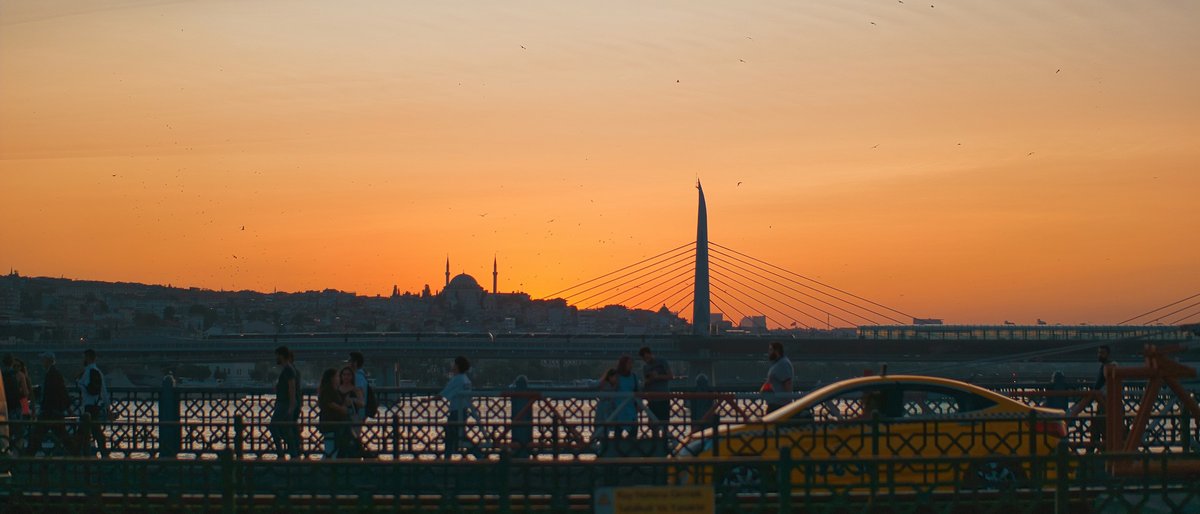
sightseeingThis is not a tourist boat tour: it's the regular commuter ferry between Karaköy and Kadıköy, or Eminönü to Üsküdar. The crossing takes about 20 minutes and costs almost nothing. In December, the light at dusk (around 4:30pm) turns the minarets and the Topkapı Palace silhouette into these dark shapes against a pale orange sky. The air is cold and sharp on the upper deck. You'll smell roasted corn and diesel. It's the cheapest and most memorable thing you can do in the city.
December's early sunsets mean you catch golden hour on a late-afternoon commuter ferry without having to stay out until 9pm as you would in summerBooking tipNo booking needed, just tap an Istanbulkart at the turnstile. Sit on the right side heading to Kadıköy for the best Sultanahmet views.
İstiklal Caddesi and Taksim New Year's Atmosphere
cultureIn the last two weeks of December, İstiklal Caddesi transforms. The street is decorated, the shops extend their hours, and there's a building energy toward New Year's Eve. Street musicians are out in force despite the cold. The historic red tram inches through the crowd. It's not Christmas in the Western sense (Turkey is a secular republic with a Muslim majority) but the New Year commercial energy is real and the decorations are impressive.
The New Year's countdown is Istanbul's biggest secular celebration, and the atmosphere along İstiklal in the last two weeks of December is specific to this periodPrinces' Islands Day Trip on a Quiet Day
day tripThe Princes' Islands (Büyükada, the largest) are a summer zoo, packed with day-trippers. In December, they're nearly empty. The horse carriages are gone now (replaced by electric vehicles), the pine forests are quiet, and you can walk the coastal path around Büyükada without encountering more than a handful of people. The ferry ride out takes about 90 minutes and passes close to the Asian shore. Bring layers: it's windier on the islands.
Summer crowds of 30,000+ daily visitors drop to a trickle, letting you experience the islands' architecture and coastal paths in near-solitudeBooking tipCheck the ferry schedule carefully: winter service is reduced to 4-5 departures per day. Miss the last return ferry and you're stuck overnight.
Turkish Coffee and Bookshop Circuit in Kadıköy
foodKadıköy on the Asian side has become Istanbul's most interesting neighborhood for independent bookshops, vinyl stores, and small coffee roasters. December weather makes this a perfect indoor-hopping day: start at the Kadıköy fish market for a late breakfast, then wander the backstreets between Moda and the main bazaar street. Turkish coffee here is served in the traditional way: thick, unfiltered, in a small cup with a glass of water and maybe a piece of lokum on the side.
Cold, rainy weather makes a slow day of café-hopping and browsing indoors feel deliberate rather than like you're hiding from the sunBooking tipTake the ferry from Karaköy to Kadıköy rather than the metro: it's more scenic and drops you right in the market area.
Visiting Hagia Sophia and the Blue Mosque Without Crowds
sightseeingIn summer, Hagia Sophia regularly hits its daily visitor cap, and the Blue Mosque has queues stretching back toward the Hippodrome. December changes the equation entirely. Midweek mornings in particular can feel almost private: you might share Hagia Sophia's main floor with a few dozen people rather than a few thousand. The interior lighting in winter, on overcast days when the dome windows glow against the grey outside, has a particular quality that the summer glare doesn't produce.
Visitor numbers drop sharply from the summer peak, and the winter light through the high windows creates an atmosphere the summer crowds never get to experienceBooking tipHagia Sophia now requires timed-entry tickets for non-Muslim visitors: book online a few days ahead, for morning slots.
What to eat in December
In season: fruit
Tangerine and Pomegranate
Both fruits peak in December across Turkey. Fresh-squeezed pomegranate juice vendors line the streets near the Spice Bazaar and Eminönü, and tangerines show up in markets for next to nothing. The pomegranate juice is tart and cold, which seems counterintuitive in winter, but it's a ingrained habit here. Tangerines you'll see people peeling on the ferry, filling the cabin with that citrus oil smell.
On menus now
Kelle Paça Çorbası
A rich, collagen-heavy sheep's head and trotter soup that Istanbullus swear by as a cold-weather staple and a hangover cure. It's served at dedicated lokantas that often open very early in the morning. The flavor is deep and beefy, served with a squeeze of lemon and crushed garlic. Not for the squeamish, but it's one of those dishes that makes sense the moment the temperature drops.
Kabak Tatlısı
Baked pumpkin slices drenched in sugar syrup and topped with crushed walnuts and thick kaymak cream. Pumpkin is at its peak in late autumn and early winter, and you'll find this dessert on nearly every lokanta and meyhane menu in December. The sweetness is intense: the caramelized edges of the pumpkin contrast with the cool, fatty kaymak in a way that works surprisingly well.
Street food peaks
Kestane Kebap (Roasted Chestnuts)
The smell of roasting chestnuts from sidewalk vendors is essentially the scent of Istanbul in December. You'll find them in paper bags near Taksim, along İstiklal, and at the Eminönü waterfront. They're best eaten hot, split open and slightly charred, while you're walking. A cheap, warming street snack that feels right for the season.
What to drink
Salep
A warm, creamy drink made from wild orchid root flour, dusted with cinnamon. Street vendors sell it from brass urns all along the Bosphorus waterfront and near the ferry terminals. The texture is thick, almost silky, and it warms you from the inside on cold days. It's become harder to find the real thing made with genuine salep flour (most vendors use a starch substitute) but the taste is still comforting.
Boza
A thick, fermented millet drink with a slightly sour, yeasty flavor, traditionally served cold but consumed almost exclusively in winter. Vefa Bozacısı in Fatih has been serving it since 1876 and is still the definitive spot. It's topped with roasted chickpeas and a sprinkle of cinnamon. An acquired taste, to be fair (the fermented tang surprises some people) but it's tied to Istanbul's winter identity.
Regular events in December
Akbank Jazz Festival
One of Turkey's oldest jazz festivals, typically held in late November through early December. International and Turkish jazz acts perform across several venues in Beyoğlu and Kadıköy. Worth checking the lineup if your dates overlap: some years the festival wraps up in November, other years it bleeds into the first week of December.
Late November to early DecemberIstanbul Shopping FestFree
A city-wide retail event running through much of December, with participating shops in the Grand Bazaar, İstiklal Caddesi, and major malls offering coordinated discounts. It's commercially driven but the discounts at carpet shops and leather goods stores in the bazaar district can be meaningful: 15-30% off is common.
Throughout DecemberContemporary Istanbul Art Exhibitions
Istanbul's gallery scene is active in December, with new exhibitions opening at Istanbul Modern (recently relocated to its Renzo Piano-designed building in Karaköy), Pera Museum in Beyoğlu, and the smaller galleries along Bomontiada in Şişli. Not a single event but a seasonal wave: the art calendar picks up in autumn and stays strong through winter.
Ongoing through DecemberKadıköy Street Food FestivalFree
A periodic weekend street food gathering along the Kadıköy waterfront, featuring regional Turkish food vendors alongside fusion and contemporary street food. It runs on select weekends: check local listings as dates shift year to year. The December editions tend to focus on warming foods: soups, grilled meats, baked goods.
Select weekends in DecemberWhirling Dervish Ceremonies
The Mevlevi Sema ceremonies are held year-round, but December has particular significance: Şeb-i Arus, the anniversary of Rumi's death on December 17, is the most important date in the Mevlevi calendar. While the main Şeb-i Arus observance is in Konya, Istanbul's Galata Mevlevihanesi and the Hodjapasha Cultural Center both hold special ceremonies in mid-December. These are spiritual observances, not performances: dress and behave respectfully.
Mid-December, around December 17Best places this December
Çemberlitaş Hamamı
hammamA 16th-century Mimar Sinan-designed hammam steps from the Grand Bazaar. In December, the steam rising from the heated marble and the warmth of the building against the cold outside is the definitive Istanbul winter experience. Less touristy than some alternatives but well-run and welcoming to first-timers.
FatihVefa Bozacısı
foodOperating since 1876, this tiny shop in the Vefa neighborhood serves Istanbul's defining winter drink: boza. The interior hasn't changed much in a century: mirrors, marble counter, brass urns. December is peak boza season and the shop stays busy, in the evenings. Atatürk's glass is still on display behind a velvet rope.
FatihIstanbul Modern
museumThe city's premier contemporary art museum reopened in its striking new Renzo Piano building on the Karaköy waterfront. Good for a rainy December afternoon: the collection is strong, the building itself is worth seeing, and the top-floor café has panoramic Bosphorus views. Takes 2-3 hours to see properly.
KaraköyBalat and Fener Neighborhoods
neighborhoodThese adjacent neighborhoods along the Golden Horn have become Istanbul's most photogenic streets: colorful Ottoman-era row houses stacked up hillsides, Greek and Armenian churches, and a growing number of small cafés. December means fewer Instagram tourists blocking the narrow streets, though watch your footing on the steep, wet cobblestones. The light on overcast days flatters the pastel facades.
FatihPierre Loti Hill and Café
viewpointTake the cable car up from the Eyüp waterfront to this hilltop named after a French novelist who loved Istanbul. The view over the Golden Horn in December, in late afternoon when the mist settles, is moody and striking. The café itself is touristy, but the tea is cheap and the panorama is real. Combine it with a visit to the Eyüp Sultan Mosque below.
EyüpKaraköy and the Galata Tower Area
neighborhoodThe steep streets climbing from the Karaköy waterfront up to the Galata Tower are lined with independent cafés, design shops, and small galleries. December is a good time to wander here: the cafés are warm, the streets less congested, and the tower views over the Old City catch whatever winter light is on offer. The backstreets between Galata and Tünel are where the interesting finds are.
BeyoğluSpice Bazaar (Mısır Çarşısı)
marketSmaller and more focused than the Grand Bazaar, the Spice Bazaar in Eminönü is a sensory experience in December: bins of Turkish delight, stacked pyramids of spices, dried fruit displays, and vendors pressing samples of pomegranate molasses and honey into your hands. The air smells like cumin, cinnamon, and dried rose petals. Less overwhelming than the Grand Bazaar and easier to navigate in an hour.
EminönüOrtaköy Waterfront
waterfrontThe small square beside the ornate Ortaköy Mosque, with the Bosphorus Bridge looming directly overhead, is one of Istanbul's most distinctive spots. In December, the kumpir (loaded baked potato) and waffle vendors are still operating, and the Sunday craft market sometimes runs. The mosque lit up at night with the bridge behind it is a classic Istanbul photograph, and December's early darkness means you can catch it by 5pm.
Beşiktaş
Your packing checklist
Tick items off as you pack. Your progress saves in this browser.
All packed — have a great trip.
Insider tips
The Istanbulkart transit card works on ferries, trams, buses, and the metro: load one up at any metro station and you'll save roughly 50% versus buying individual tokens. The ferry from Karaköy to Kadıköy costs about the same as a glass of tea and gives you a better Bosphorus experience than the expensive tourist boat tours.
For Turkish breakfast (the full spread with cheeses, olives, eggs, honey, kaymak, and endless tea) skip the overpriced Sultanahmet spots and take the ferry to Kadıköy. The backstreets behind the fish market have several dedicated kahvaltı spots where locals eat, at half the tourist-area price.
The Grand Bazaar has dramatically different pricing depending on which entrance you use and how deep you go. The shops near the main Beyazıt and Nuruosmaniye gates are the most expensive; the deeper artisan workshops along the back alleys of the bazaar are where the real craftspeople work and prices reflect actual value rather than tourist markup.
If you want to see a whirling dervish ceremony that's a genuine spiritual practice rather than a tourist show, go to the Galata Mevlevihanesi rather than the dinner-and-show packages advertised in Sultanahmet. The December ceremonies around Şeb-i Arus (December 17) carry particular significance.
Taxis in Istanbul are notorious: some drivers run rigged meters or take long routes. Use the BiTaksi app, which works like Uber but with licensed yellow cabs, and you'll get GPS-tracked rides with upfront fare estimates. The metro and tram system is honestly good enough for most tourist routes.
Avoid these mistakes
- Packing only for mild European winter weather: visitors from Western Europe underestimate the Bosphorus wind chill. The thermometer might read 10°C but exposed waterfront areas feel like 3-4°C. Dress for wind, not just temperature.
- Booking a Bosphorus dinner cruise for New Year's Eve without researching the operator: some are good experiences, but many overcharge dramatically for mediocre food and a captive audience. The free waterfront celebrations at Ortaköy or Karaköy are often more atmospheric and cost nothing.
- Trying to see both the European and Asian sides in a single rushed day: the ferry crossings, while scenic, eat into your daylight hours. In December's short days, pick one side per day. Spend a full day on the Asian side in Kadıköy and Moda rather than trying to squeeze it into a morning between Old City sights.
- Not checking mosque prayer times before visiting: mosques close to non-Muslim visitors during the five daily prayers, and in December the prayer schedule shifts with the shorter days. Friday midday is the longest closure. Check times the morning of your visit to avoid arriving at Hagia Sophia or the Blue Mosque during a 30-45 minute closure window.
Practical tips for December
Book Hagia Sophia tickets online in advance: timed-entry tickets are now required for non-Muslim visitors and while December demand is lower than summer, morning slots still fill up a few days out. The major museums (Topkapı Palace, Istanbul Archaeological Museums) keep winter hours from November through March, typically closing an hour earlier around 4:30-5pm, so plan your museum days accordingly and start early. Turkish lira exchange rates fluctuate significantly: withdraw cash from ATMs rather than exchanging at airport or tourist-area bureaux, but avoid the ATMs inside the Grand Bazaar which tend to have worse rates. Most restaurants and shops accept credit cards, but smaller lokanta restaurants, street vendors, and some bazaar stalls are cash-only. For New Year's Eve, restaurants along the Bosphorus require reservations weeks in advance and many charge a fixed-price premium menu; if that's not your style, the free public celebrations at Ortaköy or along the Galata Bridge are where locals go. The T1 tram line connecting the airport bus at Kabataş to Sultanahmet is the most useful transit line for tourists: it runs until about midnight, later on New Year's Eve. Dress conservatively if visiting mosques: women need a headscarf and covered limbs, men need long trousers. December clothing usually covers this naturally, but carry a dedicated scarf.
FAQ
Is December a good time to visit Istanbul?
It's a fair time, not the best, not the worst. You'll deal with cold weather around 7-12°C (45-54°F), rain on roughly a third of the days, and short daylight hours with sunset before 5pm. The trade-off is significantly fewer tourists at major sites, lower hotel prices outside the New Year's week, and Istanbul's indoor culture (hammams, bazaars, meyhane dinners) is at its best in winter. If you're primarily interested in outdoor sightseeing and warm-weather activities, April through June or September through October are better choices. But if you enjoy atmospheric, slower-paced city travel with a food and culture focus, December works well.
What is the weather like in Istanbul in December?
Cold, grey, and damp. Average highs sit around 12°C (54°F) with lows near 7°C (45°F), and humidity runs around 81%. You'll see rain on about 12 days of the month (roughly 90mm total) though it tends to come in bursts rather than all-day drizzle. Snow is possible but uncommon in the city center. The real factor most visitors underestimate is the wind: the Bosphorus funnels cold air through the city, making waterfront areas and ferry crossings feel considerably colder than the temperature suggests. Clear, sunny days do happen and they're gorgeous, but plan for overcast as your default.
Is Istanbul crowded in December?
Not compared to summer. The massive tour groups that pack Hagia Sophia and Topkapı in July thin out dramatically. You can visit the Basilica Cistern midweek without queuing, and the Grand Bazaar is busy but navigable. The main exception is the last week of December, New Year's Eve: İstiklal Caddesi and Taksim get extremely crowded on the 31st, and Bosphorus-view restaurants book out well in advance. Domestic tourism picks up slightly for the school holiday period in the final week, but it's nothing like peak season.
Is it worth visiting Istanbul for New Year's Eve?
If you enjoy big public celebrations, yes. Istanbul takes New Year's Eve seriously: it's the city's biggest secular celebration. İstiklal Caddesi fills with huge crowds, the Bosphorus waterfront hosts fireworks visible from both continents, and restaurants run special countdown menus. The atmosphere is exciting. That said, the last week of December sees a noticeable price spike in hotels and Bosphorus-view venues, and the crowds on the 31st itself can be overwhelming. If crowds stress you out, the quieter first two weeks of December are a better bet.
What should I wear in Istanbul in December?
Layer for cold, wet, and windy conditions. A waterproof jacket with a hood is the single most important piece: umbrellas are nearly useless in the Bosphorus wind. Waterproof shoes with rubber soles are critical because Istanbul's cobblestone streets get dangerously slick when wet. Underneath, a thermal base layer, a wool or fleece mid-layer, and a warm scarf will keep you comfortable. Women should carry a headscarf for mosque visits. You don't need heavy arctic gear (temperatures rarely drop below freezing) but dressing too lightly is the most common mistake winter visitors make.
Things to Do in Istanbul in December
 Free cancellation
 Best of Istanbul 1, 2 or 3-Day Private Guided Istanbul Tour
Cruise: free cancellation.
via Viator Free cancellation
 Istanbul Bosphorus Sunset Cruise Experience on Luxury Yacht
Cruise: 2.2 hours, free cancellation.
via Viator Free cancellation
 İstanbul Mega Lüfer Dinner Cruise Bosphorus and Show - Pvt. Table
Day trip: 3 hours, free cancellation.
via Viator Free cancellation
 Istanbul Sunset Luxury Yacht Cruise Experience with Local Guide
Cruise: 2 hours, free cancellation.
via Viator Free cancellation
 Istanbul Bosphorus Yacht Cruise with Live Guide & Asian Side Stop
Day trip: 2.5 hours, free cancellation.
via Viator Free cancellation
 Istanbul Bosphorus Sunset Luxury Yacht Cruise with Snacks
Day trip: 2.5 hours, free cancellation.
via ViatorFind a flight to Istanbul
Live fares to Istanbul appear here once cookies are accepted.
Last verified by automated review (v1.7.1) on . What is automated review?