Compare every Turkey city in February →
Stay in Istanbul in February
77 hotels in the Trip.com pool for Istanbul, from US$29 a night.
Opens Trip.com on Fri 5 Feb to Sun 7 Feb 2027; change the dates there.
February in Istanbul is cold, grey, and damp, and honestly, that's part of its charm if you come prepared. Daytime temperatures hover around 10°C (50°F), dropping to near 4°C (39°F) at night, with a persistent chill that the Bosphorus wind tends to sharpen into something that cuts right through a thin jacket. You'll likely see rain on roughly ten days of the month, though it usually arrives as drizzly spells rather than all-day downpours. The city feels quieter than usual. Major tourist sites like the Hagia Sophia and Topkapı Palace still draw visitors, but the summer crush is months away, and you can stand inside the Blue Mosque without being shoulder-to-shoulder with tour groups.
That said, February is one of Istanbul's least glamorous months. The famous skyline looks its best under clear skies, and those are in shorter supply right now. Some rooftop restaurants and Bosphorus-side terraces close for the season or feel uncomfortably exposed to the wind. But the trade-offs are real: hotel prices sit well below the annual average, the indoor food scene is at its winter peak (think steaming bowls of lentil soup and fresh-baked simit from corner carts) and the handful of snow days that sometimes arrive dust the minarets in white, which is beautiful.
For travelers who prefer museums, markets, and meals over sunbathing and outdoor sightseeing marathons, February is a well reasonable time to visit. You won't get postcard weather, but you will get a more local, less performative version of the city. Mind you, if your heart is set on a Bosphorus cruise or long walks through the old city without layering up, wait until May.
Why visit in February
- Hotel rates drop roughly 30-40% below the summer peak: you can stay in well-located Sultanahmet or Beyoğlu properties for a fraction of high-season prices
- Major sites like Hagia Sophia, Basilica Cistern, and Topkapı Palace have noticeably shorter queues, so you spend more time looking and less time waiting
- Istanbul's winter food culture peaks in February: hearty soups, roasted chestnuts from street vendors, and seasonal seafood like hamsi (Black Sea anchovies) are everywhere
- The occasional snowfall transforms the city skyline into something photogenic: minarets and domes dusted in white against a grey sky
- Turkish bath (hamam) culture feels most natural in cold weather: stepping from a frigid street into a steamy, centuries-old marble chamber hits differently in February than in August
Worth knowing
- Grey, overcast skies are the norm rather than the exception: expect limited sunshine and a persistent damp chill that 10°C doesn't fully convey
- The Bosphorus wind can be biting, making waterfront walks and open-air ferry rides uncomfortable without serious layering
- Daylight hours are short: sunset comes before 6pm, which limits the window for outdoor sightseeing and photography
- Some seasonal restaurants, rooftop bars, and Bosphorus-side terraces close entirely or operate on reduced winter hours
Best for
Think twice if
February in Istanbul feels like late winter hanging on stubbornly. The average high sits at 10.1°C (50°F) and the low around 3.7°C (39°F), though the wind off the Bosphorus tends to make it feel a few degrees colder than the thermometer suggests. Rainfall totals about 76mm spread across roughly 10 rainy days, not torrential, but steady enough that you'll want waterproof layers close at hand. Humidity runs at 79%, which gives the cold a damp, penetrating quality. Snow is possible but not guaranteed; when it arrives, it typically lasts a day or two before melting. Fog occasionally rolls in off the water in the mornings, along the Golden Horn.
Seasonal caution
- Wind chill along the Bosphorus and on exposed hilltops can push the perceived temperature well below freezing, even when the actual air temperature is above 0°C: dress for wind, not just cold
- Occasional snowfall can disrupt city transport, bus routes on steeper hills and ferry services across the Bosphorus: check İDO and Şehir Hatları schedules on snowy mornings
Year-round climate
Averages from the last 5 years.
| Month | Avg high (°C) | Avg low (°C) | Rainfall (mm) |
|---|---|---|---|
| Jan | 10 | 5 | 91 |
| Feb | 10 | 4 | 76 |
| Mar | 12 | 5 | 76 |
| Apr | 17 | 9 | 70 |
| May | 21 | 13 | 57 |
| Jun | 27 | 18 | 42 |
| Jul | 30 | 21 | 33 |
| Aug | 30 | 22 | 20 |
| Sep | 26 | 18 | 48 |
| Oct | 20 | 13 | 53 |
| Nov | 17 | 10 | 100 |
| Dec | 12 | 7 | 90 |
Best things to do in February
Turkish Bath (Hamam) Circuit
wellnessVisiting a historic hamam in February is the most seasonally appropriate thing you can do in Istanbul. The contrast between the cold, damp street and the hot marble interior of a place like Çemberlitaş Hamamı or Kılıç Ali Paşa Hamamı is therapeutic. Steam rises off the heated göbektaşı (navel stone), the marble radiates warmth into your bones, and the cold waiting outside makes the experience better.
Cold, damp February weather makes the transition from frigid streets into steamy marble interiors far more dramatic and physically rewarding than in warm monthsBooking tipKılıç Ali Paşa fills up on weekends: book at least 3-4 days ahead for a Saturday slot. Weekday mornings are quieter and cheaper at most hamams.
Grand Bazaar and Spice Bazaar Without the Crowds
shoppingThe Grand Bazaar in February feels like a different place compared to July. You can browse without being swept along by tour groups, and shopkeepers have more time (and motivation) to chat and negotiate. The covered structure keeps you dry while you wander the 4,000+ shops. The nearby Spice Bazaar smells intensely of dried herbs, Turkish delight, and ground coffee: the aromas seem to concentrate in the cold air.
Low tourist season means significantly fewer crowds, better negotiating use with vendors, and a more relaxed atmosphere in both marketsBosphorus Ferry on a Clear Day
sightseeingOn the occasional clear February day (and they do happen) a Bosphorus ferry ride delivers the Istanbul skyline in its most dramatic winter light. Low sun, sharp shadows across the waterfront yalıs (wooden mansions), and fog lifting off the water. Take the public Şehir Hatları ferry from Eminönü rather than a private tour boat: it's a fraction of the price and the same views.
Winter light creates dramatic photography conditions, the ferry is nearly empty compared to summer, and the low angle of the sun illuminates the Asian and European shorelines differently than in other seasonsBooking tipNo booking needed, just show up at the Eminönü dock. Check the weather forecast the night before and go on the clearest day available.
Hagia Sophia and Topkapı Palace Deep Visits
cultureFebruary's thin crowds mean you can spend quality time inside these two landmarks without feeling rushed or hemmed in. At Hagia Sophia, you can stand under the main dome and look up without someone's selfie stick in your peripheral vision. Topkapı Palace's indoor sections (the Harem, the treasury, the relics rooms) are all heated, and the courtyards, while cold, offer clear views across the Golden Horn.
Visitor numbers are at annual lows, allowing for unhurried exploration of rooms and exhibits that feel impossibly crowded from May through OctoberBooking tipBuy a Museum Pass Istanbul online before arriving: it covers both sites and lets you skip the ticket queue entirely.
Meyhane Crawl in Beyoğlu
food_and_drinkA meyhane is a traditional Turkish tavern serving meze and rakı, and February is when this indoor drinking-and-eating culture feels most alive. The narrow streets around Nevizade Sokak and Asmalımescit fill with the sound of clinking glasses and conversation spilling from warm, crowded dining rooms. Order a spread of cold meze (atom (spicy tomato paste), haydari (thick yoghurt with herbs), acılı ezme) alongside rakı that turns milky white when you add water.
Cold evenings make the warm, convivial atmosphere of a meyhane feel essential rather than optional: this is Istanbul's version of winter hyggeBooking tipFriday and Saturday nights on Nevizade Sokak get packed even in winter: arrive by 7:30pm or book a table for groups of 4+.
Basilica Cistern Visit
cultureThe underground cistern is naturally cool and atmospheric year-round, but in February the experience is enhanced by the fact that the subterranean temperature feels warmer than outside. The dripping water, dim lighting, and columns reflected in shallow pools create a mood that pairs well with a grey winter day above ground. It's recently been renovated with improved lighting and walkways.
Low crowds mean you can photograph the Medusa head columns and reflective water without dozens of other visitors in frame: something nearly impossible from May to OctoberBooking tipBuy tickets online to avoid the outdoor queue, even in February there can be a short wait at the entrance.
Istanbul Archaeology Museums
cultureThis three-building complex near Topkapı Palace houses one of the world's great antiquities collections, including the Alexander Sarcophagus and artifacts spanning Mesopotamian, Egyptian, and Ottoman periods. February is when you can explore it at your own pace, spending as long as you like in front of pieces that deserve more than a passing glance.
Indoor activity well suited to cold or rainy days, with February crowds so thin you may have entire galleries to yourselfÇay (Tea) Crawl Across Neighbourhoods
food_and_drinkFebruary is the month to embrace Istanbul's tea culture fully. Ducking into a tiny çay bahçesi (tea garden) or a café in Balat, Kadıköy, or Cihangir for a tulip-shaped glass of strong black tea becomes a rhythm: walk, get cold, drink tea, warm up, repeat. The tea itself costs almost nothing, and the ritual of wrapping your hands around a hot glass while watching the street is one of Istanbul's simplest pleasures.
Cold weather transforms tea from a casual habit into a genuine necessity: you'll drink more çay in February than in any summer month, and each glass means moreWhat to eat in February
In season: fruit
Pomegranate
Fresh-squeezed pomegranate juice vendors still operate through February, their ruby-red fruit piled high. The juice is tart, cold, and surprisingly refreshing even in winter. You'll spot the distinctive hand-press machines at juice stands across Beyoğlu and around the Spice Bazaar.
On menus now
Hamsi (Black Sea Anchovies)
February is the tail end of hamsi season, and Istanbul goes slightly mad for these tiny, silvery fish. You'll find them pan-fried in cornmeal, baked into rice pilafs, and even folded into a cornbread called hamsi ekmek. The smell of frying hamsi drifts from lokanta kitchens across Eminönü and Karaköy.
Kelle Paça Çorbası
A rich, slow-cooked sheep's head and trotter soup that Istanbullus swear by as a cold-weather cure-all. It's thick, gelatinous, served with a squeeze of lemon and a splash of vinegar. Not for the squeamish, but warming on a damp February night. Best eaten at dedicated soup shops (çorbacı) that stay open late.
Kuru Fasulye
White bean stew cooked in a tomato-based sauce, typically served with pilav (buttered rice) and pickled vegetables. It's one of those dishes that locals eat weekly in winter: hearty, cheap, and found at nearly every neighbourhood lokanta. The best versions have been simmering since morning.
Street food peaks
Kestane Kebap (Roasted Chestnuts)
Street vendors with small charcoal braziers appear on practically every busy corner in winter. The smell (smoky, sweet, slightly burnt at the edges) is one of February Istanbul's signature scents. Sold in paper cones, they warm your hands as much as your stomach.
What to drink
Sahlep
A thick, creamy hot drink made from orchid root flour, dusted with cinnamon. It's the winter drink of Istanbul, sold from street carts and in cafés alike. The texture sits somewhere between hot chocolate and custard. comforting when you've been walking through cold rain for an hour.
Regular events in February
Istanbul Shopping Fest (İstanbul Shopping Fest)Free
A city-wide retail event with discounts across major shopping centres and boutiques in districts like Nişantaşı, İstiklal Caddesi, and the malls along Büyükdere Caddesi. Not quite as dramatic as it sounds, but genuine discounts on Turkish leather, textiles, and ceramics do appear.
Late January through mid-February (dates shift annually)Valentine's Day Along İstiklal CaddesiFree
Turkey takes Valentine's Day more seriously than you might expect. İstiklal Caddesi and the cafés around Galata Tower fill with couples, restaurants offer special menus, and flower sellers multiply overnight. It's a lively evening scene even if you're not celebrating.
February 14Istanbul Coffee Festival (Winter Edition)
Istanbul's specialty coffee scene has grown rapidly, and winter editions of coffee events draw local roasters and baristas to show seasonal blends. Typically held in a converted industrial or cultural space, with tastings, workshops, and Turkish coffee demonstrations.
Varies: usually mid to late FebruaryBest places this February
Kadıköy Market District
marketThe Asian-side market neighbourhood around Güneşlibahçe Sokak is at its most authentic in winter, when the stalls are stocked with seasonal produce and the tourist ratio drops sharply. Fishmongers display glistening hamsi, cheese sellers offer tastings of aged kaşar, and the narrow streets smell of roasting coffee. It's also more sheltered from wind than the European-side waterfront.
KadıköyBalat and Fener Neighbourhoods
neighborhoodThese colourful, hilly neighbourhoods along the Golden Horn are photogenic year-round, but February's muted light and empty streets give them a completely different character: moodier, quieter, more genuine. The Greek Orthodox Patriarchate and the Church of St. Saviour in Chora (Kariye Museum) are both here, and both are worth the walk. Stop into one of the small cafés on Vodina Caddesi to thaw out.
Fatihİstiklal Caddesi and Galata Tower
landmarkThe pedestrian avenue connecting Taksim Square to Galata Tower stays lively even in February. Bookshops, record stores, and covered passages (pasajlar) like Çiçek Pasajı provide warmth and distraction. The Galata Tower observation deck, while cold and windy, offers clear views on days when the clouds lift.
BeyoğluÇamlıca Hill
viewpointOn a clear February day (check the forecast first) Çamlıca Hill on the Asian side offers panoramic views of the entire city, the Bosphorus, and both bridges. The recently built Çamlıca Mosque is Turkey's largest, and the hilltop tea gardens serve hot drinks with the view. It's quieter in winter and worth the trek if visibility cooperates.
ÜsküdarSüleymaniye Mosque Complex
landmarkMimar Sinan's masterwork sits on the Third Hill and feels contemplative in winter. The courtyard is usually empty enough to appreciate the proportions properly, and the interior, lit by hundreds of small windows, glows warmly against the grey sky outside. The old kitchen buildings behind the mosque now house restaurants serving traditional Ottoman dishes: a good lunch stop.
FatihPierre Loti Hill and Eyüp Sultan Mosque
viewpointTake the cable car up Pierre Loti Hill for views over the Golden Horn, then walk down through the old Ottoman cemetery. The hilltop café, named after the French novelist who loved Istanbul, serves Turkish coffee with a view that's atmospheric when morning fog sits in the valley below. Eyüp Sultan Mosque at the base is one of Islam's holiest sites outside Mecca and Medina.
Eyüp
Your packing checklist
Tick items off as you pack. Your progress saves in this browser.
All packed — have a great trip.
Insider tips
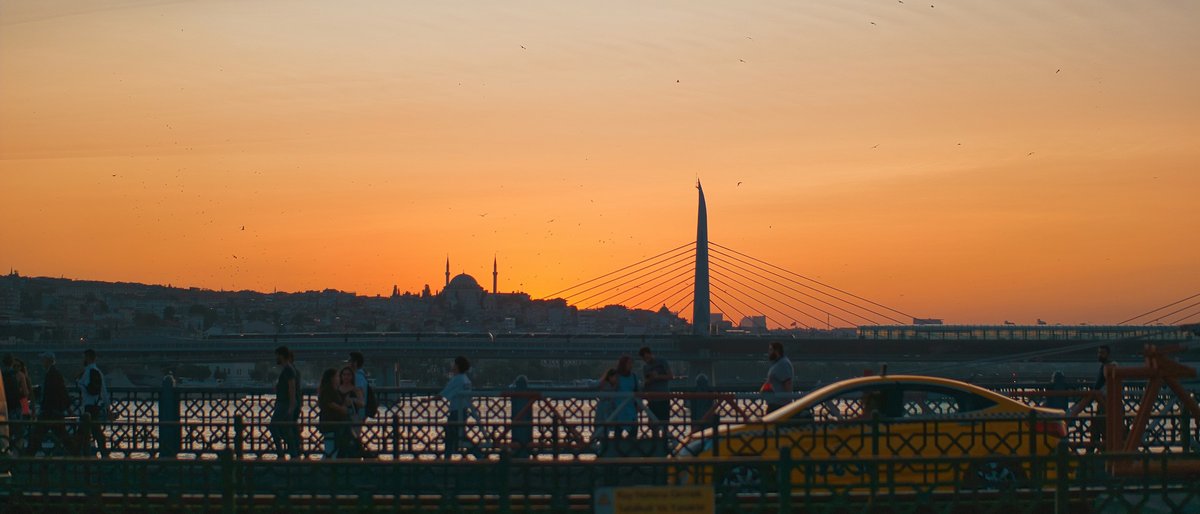
The vapur (public ferry) between Eminönü and Kadıköy costs a few lira on an Istanbulkart and gives you essentially the same Bosphorus views as a tourist cruise at roughly one-tenth the price. Ride it at sunset on a clear day: the skyline of the old city lit by low golden light from the water is one of Istanbul's finest free experiences.
For hamsi (anchovies), skip the tourist restaurants along the Galata Bridge and head to the fish restaurants inside Kadıköy's market area instead. The quality is noticeably better, prices are lower, and the whole scene (fishmongers shouting, steam rising from grills) has genuine energy.
If it snows, go immediately to the gardens behind Süleymaniye Mosque or to Gülhane Park. Istanbul under fresh snow is rare and fleeting, usually melting within a day, and the views of the Golden Horn and Bosphorus through snow-dusted trees are extraordinary. Locals know this and head there too, so you'll find a surprisingly warm atmosphere.
Load an Istanbulkart at any metro station before you do anything else. It works on ferries, buses, trams, and the metro, and gives you a significant discount over single-ride tickets. You can now get a virtual Istanbulkart on your phone through the app, though the physical card is still more reliable.
The best lokanta (working-class restaurant) lunch in the old city is in the streets behind the Spice Bazaar towards Süleymaniye, not along the tourist corridors of Sultanahmet. Look for places where the display counter has a dozen pots of different stews and rice: point at what looks good, sit down, and eat a full meal for well under the equivalent of five euros.
Avoid these mistakes
- Dressing for the thermometer instead of the wind chill: 10°C with high humidity and Bosphorus wind feels closer to 3 or 4°C on exposed waterfront areas. Pack as if it's colder than the forecast says.
- Booking a Bosphorus tour boat on the first available day without checking the weather: choppy water and grey skies make for a miserable, expensive experience. Wait for a clear day and take the public ferry instead.
- Planning a full day of outdoor sightseeing without building in indoor warming stops: after two hours of walking in February cold, you need a hamam visit, a museum, or at minimum a long çay break to reset before heading back out.
- Eating exclusively in Sultanahmet, where restaurants cater to tourist expectations and charge accordingly: crossing the Galata Bridge to Beyoğlu or taking the ferry to Kadıköy opens up dramatically better food at lower prices.
Practical tips for February
Book your Hagia Sophia visit online in advance, even in February there can be a queue for walk-up tickets, and the online system lets you select a time slot. The Museum Pass Istanbul covers several major sites and is worth it if you plan to visit three or more. Mosque visits are free but require modest dress: women should bring a headscarf (loaner scarves are available at major mosques but tend to be well-worn), and everyone should cover knees and shoulders, which February clothing handles naturally. The tram from Sultanahmet to Kabataş runs frequently and connects to the funicular up to Taksim, making the T1 line your most useful transit tool. Most museums close on Mondays, so plan your week accordingly: use Monday for market visits, hamam trips, or neighbourhood walks instead. Restaurant hours are fairly standard, though some waterfront spots close early on quiet winter weekdays. Tipping is not expected at casual lokanta-style restaurants, but leaving 5-10% at sit-down restaurants with table service is normal. If you're visiting during a cold snap with snow, check ferry schedules that morning: Bosphorus crossings occasionally get suspended in rough weather.
FAQ
Is February a good time to visit Istanbul?
It's decent but not ideal. February is one of the colder, greyer months, with temperatures around 10°C (50°F) during the day and near 4°C (39°F) at night. You won't get the sunny, warm experience that May through October offers. That said, the trade-offs (low prices, thin crowds at major sites, and peak winter food culture) make it a reasonable choice for travelers who prioritize indoor attractions, food, and budget over weather. It ranks around 9th out of 12 months overall.
Does it snow in Istanbul in February?
It can, though it's not guaranteed. Istanbul sees snow a few times most winters, and February is one of the likelier months for it. When it does snow, it tends to be light and melts within a day or two in the city centre, though accumulation is possible during cold snaps. Snow can briefly disrupt ferry services and bus routes on steep hills, but the metro and tram continue running. If you happen to catch a snow day, the views are special.
What should I wear in Istanbul in February?
Layer warmly and prioritize wind and water resistance. A windproof winter coat, waterproof boots with good grip, thermal base layers, a scarf, gloves, and a beanie are all necessary, not optional extras. The 79% humidity makes the cold feel more penetrating than the temperature alone suggests. You'll move between heated interiors and cold streets constantly, so layers you can easily add and remove work better than one heavy coat over a t-shirt.
Is Istanbul crowded in February?
No: February is solidly low season. You'll encounter far fewer tourists at Hagia Sophia, the Grand Bazaar, Topkapı Palace, and other major sites compared to the summer months. Some spots that require hour-long waits in July can be walked into immediately in February. The city doesn't feel empty (Istanbul is a metropolis of 16 million and is always alive) but the tourist density drops noticeably, which makes for a more relaxed and real feel.
Are Bosphorus cruises worth it in February?
On a clear day, yes: the winter light over the water and the skyline can be striking. On a grey, windy day, not really: you'll be cold, the views will be flat, and the experience feels like a letdown compared to what you see in photos. Rather than booking a private tour boat, take the public Şehir Hatları ferry from Eminönü. It's a fraction of the cost, covers the same water, and if conditions are poor you've only spent a few lira rather than a significant chunk of your daily budget.
Things to Do in Istanbul in February
 Free cancellation
 Best of Istanbul 1, 2 or 3-Day Private Guided Istanbul Tour
Cruise: free cancellation.
via Viator Free cancellation
 Istanbul Bosphorus Sunset Cruise Experience on Luxury Yacht
Cruise: 2.2 hours, free cancellation.
via Viator Free cancellation
 Istanbul Mega Lufer Dinner Cruise Bosphorus and Show Pvt Table
Day trip: 3 hours, free cancellation.
via Viator Free cancellation
 Istanbul Sunset Luxury Yacht Cruise Experience with Local Guide
Cruise: 2 hours, free cancellation.
via Viator Free cancellation
 Istanbul Bosphorus Sunset Luxury Yacht Cruise with Snacks
Day trip: 2.5 hours, free cancellation.
via Viator Free cancellation
 Istanbul Bosphorus Yacht Cruise with Live Guide & Asian Side Stop
Day trip: 2.5 hours, free cancellation.
via ViatorFind a flight to Istanbul
Live fares to Istanbul appear here once cookies are accepted.
Last verified by automated review (v1.7.1) on . What is automated review?