Compare every Turkey city in November →
Stay in Istanbul in November
77 hotels in the Trip.com pool for Istanbul, from US$29 a night.
Opens Trip.com on Fri 6 Nov to Sun 8 Nov 2026; change the dates there.
November is when Istanbul remembers it sits between two seas and the weather stops being polite about it. Expect daytime highs around 16.8°C (62°F) dropping to 10.3°C (51°F) at night, with 100mm of rain spread across roughly nine days: that's nearly double what October brings. The city takes on this particular grey-silver quality where the Bosphorus blends into the sky and minarets punch through low clouds. It's moody, honestly. The summer tourist crush is long gone, and you'll find yourself standing alone in parts of Hagia Sophia that had thirty-person queues in July.
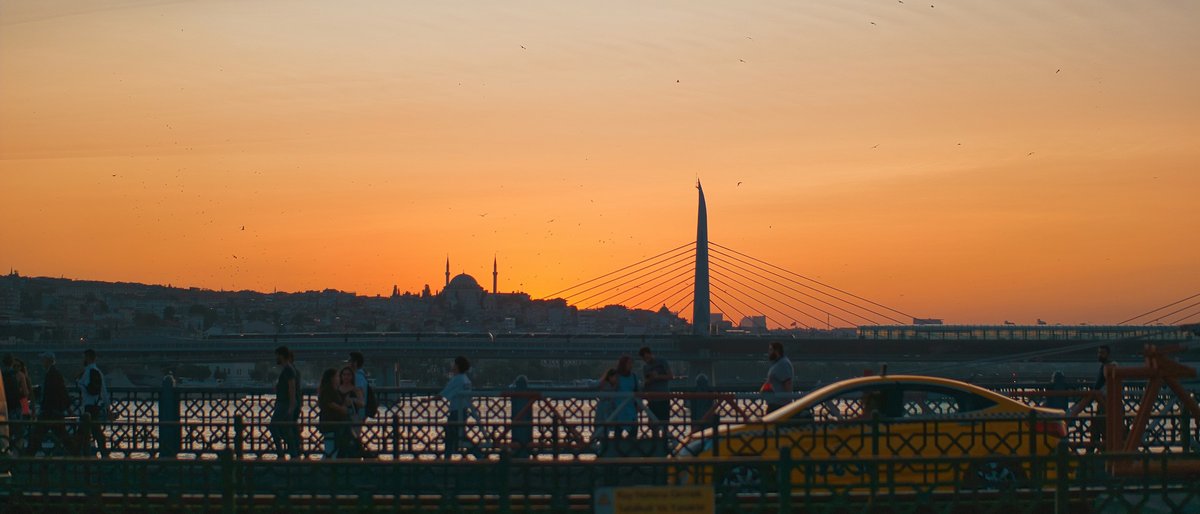
That said, this isn't a month you visit for the weather. You visit because Istanbul in autumn has a certain inward quality: the tea houses fill up, the smell of roasting chestnuts and corn drifts through Eminönü, and the city feels like it belongs to the people who live there. Hotel rates drop noticeably from summer peaks, and you can get into restaurants along the Bosphorus that are booked solid from May through September. The rain tends to come in bursts rather than all-day drizzles, so you'll still get stretches of clear, cool days where the light over the Golden Horn is worth the trip alone.
Mind you, November is not peak Istanbul. If you want warm evenings on rooftop terraces or swimming off the Princes' Islands, wait for June. But if you're the kind of traveler who likes cities when they're being themselves rather than performing for tourists (and you own a decent rain jacket) November has a lot going for it.
Why visit in November
- Hotel rates drop 25-35% from summer highs, and boutique hotels in Beyoğlu and Sultanahmet regularly offer upgrade deals to fill rooms
- Major sites like Topkapı Palace, the Basilica Cistern, and the Grand Bazaar have noticeably shorter queues: weekday mornings you might have entire gallery rooms to yourself
- Autumn light over the Bosphorus creates some of the best photography conditions of the year, with low-angle sun cutting through clouds in ways summer's flat brightness never manages
- Chestnut and pomegranate season peaks, and the food scene shifts toward hearty Ottoman-style stews, fresh-baked simit, and sahlep served from street carts: the seasonal eating is good
- The city's cultural calendar picks up with film festivals, contemporary art exhibitions, and gallery openings across Karaköy and Kadıköy
Worth knowing
- 100mm of rainfall across about nine days means you will get rained on, not a question of if, but when, and some of those downpours hit hard enough to flood underpasses in low-lying neighborhoods like Eminönü
- Daylight shrinks noticeably, with sunset around 5pm by month's end, which cuts into sightseeing time and means late-afternoon ferry rides happen in the dark
- The Bosphorus wind picks up in November and can make ferry crossings and waterfront walks feel considerably colder than the thermometer suggests: that 10°C with wind off the water feels more like 5°C
- Some rooftop bars and outdoor terraces close for the season or move to enclosed winter setups, which changes the atmosphere
Best for
Think twice if
November marks Istanbul's transition into proper autumn weather. Highs sit around 16.8°C (62°F) during the day, which feels pleasant enough in sunshine but quickly turns chilly when clouds roll in or the Bosphorus wind picks up. Nights drop to about 10.3°C (51°F), and you'll want layers by late afternoon. Rainfall jumps to 100mm across roughly nine rainy days: the wettest month alongside December. Humidity hovers around 77%, which gives the air that damp, penetrating quality that makes 12°C feel colder than it sounds. The rain pattern tends toward sudden heavy showers rather than persistent drizzle, so you might get a solid soaking on your way to the Grand Bazaar and then see blue sky an hour later.
Seasonal caution
- The Bosphorus wind chill factor can make temperatures feel 5-8°C colder than reported, on ferries and along the waterfront promenades: dress for conditions well below the stated 10-17°C range
- Flash flooding occasionally affects low-lying areas around Eminönü and parts of the historic peninsula after heavy downpours, temporarily blocking underpasses and subway entrances
Year-round climate
Averages from the last 5 years.
| Month | Avg high (°C) | Avg low (°C) | Rainfall (mm) |
|---|---|---|---|
| Jan | 10 | 5 | 91 |
| Feb | 10 | 4 | 76 |
| Mar | 12 | 5 | 76 |
| Apr | 17 | 9 | 70 |
| May | 21 | 13 | 57 |
| Jun | 27 | 18 | 42 |
| Jul | 30 | 21 | 33 |
| Aug | 30 | 22 | 20 |
| Sep | 26 | 18 | 48 |
| Oct | 20 | 13 | 53 |
| Nov | 17 | 10 | 100 |
| Dec | 12 | 7 | 90 |
Best things to do in November
Bosphorus ferry on a grey day
sightseeingTaking the full-length Bosphorus ferry from Eminönü to Anadolu Kavağı in November is a completely different experience from the summer version. The crowds thin to a fraction, the shoreline palaces and waterfront yalı mansions look properly atmospheric shrouded in mist, and you can get a window seat without camping out at the terminal an hour early. Bring a hot tea from the onboard vendor and sit on the upper deck if the rain holds off.
Summer crowds vanish, making this a contemplative ride rather than a packed tourist shuttle. The autumn mist and low clouds give the Bosphorus its most photogenic mood.Booking tipThe full-length public ferry (not the short tourist cruise) departs from Eminönü around 10:35am. Get there 20 minutes early in November, even with lower crowds, the good seats fill up.
Explore Kadıköy's food markets
foodThe Asian-side neighborhood of Kadıköy has the city's best produce market, and November is when the autumn harvest is at its peak. Pomegranates, quinces, persimmons, fresh walnuts, and locally pressed olive oil from the recent harvest all show up in the market stalls along the streets behind the ferry terminal. The fish market section (with its rows of gleaming bonito, bluefish, and hamsi (anchovies)) peaks in November as the Bosphorus fish migration is in full swing.
The autumn harvest and Bosphorus fish migration converge in November, making this the single best month for the Kadıköy market's produce and seafood selection.Booking tipGo on a weekday morning before 11am to avoid the weekend crush. The market closes early on Sundays.
Gallery-hopping in Karaköy and Beyoğlu
cultureIstanbul's contemporary art scene ramps up in autumn after the summer lull. The galleries clustered around Karaköy, along İstiklal Caddesi, and in the back streets of Çukurcuma tend to open their strongest shows in October and November. SALT Galata, Arter, and Istanbul Modern (in its permanent Karaköy home) all typically have fresh exhibitions running. It's free to browse most smaller galleries, and the neighborhood cafés between them make natural rest stops when the rain picks up.
The autumn exhibition calendar peaks in November, with galleries mounting their most ambitious shows before the year-end holidays. Rain drives people indoors anyway: you might as well look at art.Booking tipIstanbul Modern charges admission; most smaller galleries are free. Check opening hours online: many close Mondays.
Hamam (Turkish bath) in the cold weather
wellnessThere is no better time to experience a traditional Turkish bath than when it's grey and damp outside. Stepping from a cold November street into the steam-filled marble interior of a 500-year-old hamam is one of those contrasts that makes you understand why this tradition exists. The heat soaks into your bones in a way that just doesn't register the same in July when you're already overheated.
The cold, damp weather outside makes the contrast with the heated marble interior restorative rather than just a cultural checkbox. This is how hamams were meant to be experienced.Booking tipBook Kılıç Ali Paşa Hamamı or Çemberlitaş Hamamı at least 3-4 days ahead for weekend slots. Weekday mornings are easier to get and less crowded.
Catch the bonito and hamsi season
foodNovember is the peak of the Bosphorus fish migration, and two fish dominate: palamut (bonito) and hamsi (Black Sea anchovies). Every meyhane and balık restaurant in the city puts seasonal fish at the center of the menu. Head to the fish restaurants under the Galata Bridge or, better yet, to Kumkapı or the meyhane strip in Beyoğlu for a proper fish dinner with rakı. Hamsi is served pan-fried, baked into rice, or stuffed into bread.
The Bosphorus fish migration peaks in November, making this the single best month for fresh bonito and anchovies: both tied to Istanbul's food identity.Booking tipThe popular meyhanes in Nevizade Sokak get packed on Friday and Saturday nights. Go Thursday or book ahead.
Walk the Theodosian Walls at sunset
sightseeingThe 6.5km stretch of the ancient land walls (built in the 5th century to protect Constantinople) runs through neighborhoods that most tourists never see. In November, the late-afternoon light hits the crumbling towers and arched gates in ways that golden-hour chasers dream about. The walk from Yedikule to Edirnekapı passes through residential areas where kids play football against Byzantine stonework. It feels less like tourism and more like time travel.
The low November sun angle creates dramatic side-lighting on the ancient stonework, and the lack of tourists means you'll likely have entire stretches to yourself. The cooler temperature makes the long walk comfortable rather than exhausting.Booking tipStart at Yedikule and walk north in the late afternoon to catch the best light. No booking needed: the walls are open and free. Stick to daylight hours.
Visit Sultanahmet without the crowds
sightseeingThe core historic sites (Hagia Sophia, the Blue Mosque, Topkapı Palace, the Basilica Cistern) are different experiences when you're not fighting through tour groups. November weekday mornings give you something close to having these places to yourself. You can stand under the Hagia Sophia dome and hear the acoustics rather than a hundred simultaneous tour guide microphones.
Tourist numbers drop significantly from summer peaks. The major sites don't change, but your experience of them transforms when you have space to look and think.Booking tipBuy museum passes online in advance to skip even the reduced November queues. Visit Hagia Sophia right at opening, even in low season, it fills by midday.
Explore Balat and Fener neighborhoods
neighborhoodThese adjoining neighborhoods along the Golden Horn have become Istanbul's most photogenic residential quarter: crumbling Ottoman-era wooden houses painted in bright colors, steep cobblestone streets, Greek Orthodox churches, and a growing number of small cafés and vintage shops. In November, the autumn light and occasional puddles on the stone streets add a filmic quality that summer's harsh overhead sun flattens out.
Cooler temperatures make the steep hillside walking comfortable, autumn light is more flattering for the colorful facades, and the café seats that are impossible to get in summer are easily available.Booking tipNo booking needed. Go on a weekday: the streets are narrow and weekend Instagram crowds (even in November) can clog them. Start from the Fener ferry stop and work uphill.
What to eat in November
In season: fruit
Pomegranate (Nar)
November is peak pomegranate season in Turkey, and you'll see mountains of them at markets in Kadıköy and Eminönü. Fresh-squeezed pomegranate juice (tart, deep red, slightly astringent) is sold from glass-fronted carts everywhere. The fruit also shows up scattered over salads, worked into muhammara dip, and reduced into nar ekşisi sauce for kebabs.
On menus now
Kelle Paça Çorbası
This rich, gelatinous sheep's head and trotter soup is the cold-weather staple that Istanbullus swear by. It appears on menus in November and stays through winter. The broth is slow-simmered overnight, finished with garlic and vinegar, and traditionally eaten in the early morning hours. It's an acquired taste, but it's rooted in the city's food culture.
Ayva Tatlısı (Quince Dessert)
Quince season peaks in November, and this slow-poached dessert: quince halves cooked in sugar syrup until they turn a deep amber-red, then topped with kaymak (clotted cream): shows up at lokanta-style restaurants and home kitchens across the city. The flavor is floral and honey-like, nothing like raw quince.
Street food peaks
Kestane (Roasted Chestnuts)
Street vendors set up charcoal braziers on seemingly every corner starting in November. The smell alone (smoky, sweet, slightly burnt) is one of the defining sensory experiences of autumn in Istanbul. You'll find the best ones near Taksim and along the Galata Bridge, sold in paper cones that warm your hands.
What to drink
Sahlep
This warm, thick, milky drink made from wild orchid root flour appears only in the cold months. Dusted with cinnamon and served steaming from street carts, it has a creamy, slightly floral taste unlike anything else. The texture sits somewhere between hot chocolate and a thin pudding. November is when it first shows up and the vendors are still enthusiastic about getting it right.
Boza
A fermented millet drink with a thick, slightly sour, yeasty taste, traditionally sold by street vendors who call out 'boo-zaa' through residential neighborhoods on cold evenings. November is when the boza vendors start their rounds. Vefa Bozacısı in Fatih has been serving it since 1876 and still tops it with roasted chickpeas and a drizzle of cinnamon.
Regular events in November
Istanbul Art WeekFree
A week-long program of gallery openings, artist talks, and special exhibitions coordinated across the city's major art institutions and independent spaces. Centered in Beyoğlu and Karaköy with satellite events on the Asian side.
Mid-November (dates shift annually)Akbank Jazz Festival
One of Turkey's longest-running jazz festivals brings international and Turkish jazz musicians to venues across Istanbul over roughly two weeks. Concerts range from intimate club shows to larger theater performances.
Late October through mid-NovemberRepublic Day (Cumhuriyet Bayramı)Free
Celebrated on October 29 but the national holiday mood often carries into November's first days. Flags line the streets, public buildings are illuminated, and there's a general sense of civic pride. Government offices and some businesses close.
October 29 (effects into early November)Istanbul MarathonFree
One of the only marathons in the world that crosses two continents, with the route going from the Asian side over the Bosphorus Bridge into Europe. Even if you're not running, the atmosphere along the bridge route is worth catching. The bridge is closed to traffic for the morning, which is extraordinary in a city this car-dominated.
First or second Sunday of NovemberYapı Kredi Culture and Arts FestivalFree
Programming at the Yapı Kredi Culture Centre on İstiklal Caddesi typically includes book launches, panel discussions, film screenings, and small exhibitions throughout November. A reliable source of free cultural events in central Beyoğlu.
Throughout NovemberBest places this November
Emirgan Park
parkOne of Istanbul's finest parks, set along the Bosphorus in the Sarıyer district. In November, the last of the autumn foliage (the plane trees and oaks) gives the hillside grounds a golden-copper palette. The park's three historical Ottoman pavilions have been converted into cafés where you can sit with a Turkish coffee and watch leaves drift onto the water. Far quieter than the spring tulip festival crowds.
EmirganKadıköy Produce Market (Kadıköy Çarşı)
marketThe warren of market streets behind the Kadıköy ferry terminal is at its seasonal best in November. The fish stalls are piled with fresh Bosphorus catch, the fruit vendors have pomegranates and quinces, and the olive oil merchants are selling the season's first cold press. The surrounding streets are lined with meze shops, coffee roasters, and antique dealers.
KadıköyÇamlıca Hill
viewpointThe highest point on Istanbul's Asian side offers panoramic views of the city, the Bosphorus, and the Sea of Marmara. On a clear November day (and you will get some) the visibility can be notable. The recently completed Çamlıca Mosque sits at the summit. Worth timing for late afternoon when the European side catches the western light.
ÜsküdarPierre Loti Hill and café
viewpointA hilltop in the Eyüp district overlooking the Golden Horn, reached by cable car from the Eyüp Sultan Mosque. The autumn mist that settles over the Golden Horn in November mornings makes this viewpoint atmospheric. The café is touristy, but the view is earned. Combine with a visit to the Eyüp Sultan Mosque complex below.
EyüpGrand Bazaar (Kapalıçarşı)
marketThe covered bazaar is good year-round, but November adds a practical dimension: when the rain hits, the vaulted stone ceilings and labyrinthine covered passages become appealing shelter rather than just a shopping destination. With fewer tourists, the shopkeepers are more relaxed and more willing to chat. The leather, ceramic, and textile shops deep inside the bazaar (away from the entrance corridors) reward slow exploration.
FatihArnavutköy waterfront
neighborhoodThis Bosphorus village between Bebek and Ortaköy has a row of beautifully preserved wooden Ottoman mansions along the waterfront. In November, the neighbourhood empties of summer diners and you can walk the narrow lanes, admire the architecture, and stop at a fish restaurant that in July would have had a wait. The waterfront at dusk, with the lights of the Asian shore across the strait, is quietly spectacular.
ArnavutköyIstanbul Modern
museumThe city's premier contemporary art museum, now in its permanent Renzo Piano-designed building on the Karaköy waterfront. November's exhibition calendar is typically strong, and the museum's glass-walled restaurant overlooking the Bosphorus is one of the better spots for a rainy-day lunch. The building itself (clean lines, natural light, views of the water) is worth the visit.
KaraköySüleymaniye Mosque and surrounding medrese
historic siteSinan's masterpiece sits on the Third Hill and the courtyard has open views across the Golden Horn. In November, on weekday mornings, you might be one of only a handful of visitors in the courtyard. The soup kitchens (now restaurants) in the old medrese buildings behind the mosque serve traditional Ottoman fare: try the beans and rice at one of them for a proper local lunch.
Fatih
Your packing checklist
Tick items off as you pack. Your progress saves in this browser.
All packed — have a great trip.
Insider tips
The fish sandwiches (balık ekmek) served from the boats at Eminönü are the famous version, but locals tend to prefer the ones at Karaköy's shore-side stalls: same fish, less tourist markup, and you can watch the ferries come and go while you eat.
November is when the new season's olive oil arrives in Istanbul's markets. If you visit the Kadıköy market, look for vendors offering tastings of taze sızma (fresh cold-press): the difference between fresh-harvest and months-old oil is stark, and a good bottle makes a far better souvenir than a ceramic plate.
The Istanbul Marathon (early November) closes the Bosphorus Bridge to traffic for the only time all year. Even if you're not running, walking onto the bridge at dawn with the city spread below you on both sides is a once-in-a-lifetime experience. Check registration early: fun run spots fill up.
For hamam visits, go mid-morning on a weekday. The tourist hamams like Çemberlitaş are at their emptiest between 10am and noon Tuesday through Thursday. The experience changes completely when you're not sharing the heated marble platform with twenty other people.
If you're caught in a downpour, the Basilica Cistern is one of the best possible places to be: it's underground, atmospheric, and the sound of rain filtering through 1,500-year-old stone adds to the ambiance rather than detracting from it.
Avoid these mistakes
- Packing only a light sweater and no waterproof layer because 17°C sounds mild: on paper it's fine, but the wind chill off the Bosphorus and the persistent damp make November Istanbul feel much colder than the numbers suggest. You'll see locals in proper winter coats by mid-month.
- Scheduling a tight one-day itinerary that relies on walking between Sultanahmet, Beyoğlu, and the Bosphorus waterfront without accounting for rain delays: when a heavy November downpour hits, you might lose an hour sheltering under an awning, and the steep hills between neighborhoods become treacherous when wet.
- Taking the short tourist Bosphorus cruise instead of the full public ferry to Anadolu Kavağı: the tourist boats turn around halfway and miss the best scenery. In November, the full ferry is half-empty and the round trip (with lunch at the top) is one of the day's best uses.
- Assuming the Asian side isn't worth the ferry crossing: Kadıköy and Üsküdar in November are where Istanbul feels most like a city people live in rather than a museum. The food is better, prices lower, and the Bosphorus views looking back toward Europe are the ones you'll remember.
Practical tips for November
November daylight runs roughly 7am to 5pm, which means planning your outdoor sightseeing for the middle of the day and saving museums and indoor activities for early morning and late afternoon. Most major mosques close to visitors during prayer times: check the daily namaz schedule (it shifts with the season) and plan accordingly. The İstanbulkart transit card works on ferries, trams, metro, and buses: load it at any kiosk and tap on. Ferries to the Princes' Islands run a reduced winter schedule starting in November, so check times at şehirhatlari.istanbul before making the trip. Restaurant reservations are rarely needed in November except at the most popular meyhanes on Friday and Saturday nights. Dress modestly for mosque visits: shoulders and knees covered for everyone, head covering for women. Carry a plastic bag for your shoes: you'll remove them at mosque entrances and the floors can be damp from other visitors' wet shoes. The Grand Bazaar closes on Sundays. Museum passes purchased online skip the queue and save money if you're visiting three or more paid sites.
FAQ
Is November a good time to visit Istanbul?
November is a solid shoulder-season choice. You'll deal with rain (about 100mm across nine days) and shorter daylight, but in exchange you get dramatically fewer tourists at major sites, lower hotel prices, and Istanbul's autumn food scene at its peak. It's not the best month (that's likely April, May, September, or October) but it's good for travelers who prefer atmosphere over sunshine and don't mind layering up.
What is the weather like in Istanbul in November?
Average highs around 16.8°C (62°F) and lows near 10.3°C (51°F), with 77% humidity that makes the chill feel sharper than the numbers suggest. Rain comes in bursts (nine rainy days averaging 100mm total) rather than persistent drizzle. The Bosphorus wind is the variable most people underestimate. On a calm, sunny November day it feels pleasant. On a windy, grey day it feels like proper winter. Bring layers for both.
Is Istanbul crowded in November?
No: November is one of the quieter months for tourism. The summer peak (June-August) and shoulder season (September-October) are over, and the Christmas/New Year uptick hasn't started. You'll share the major sites mostly with Turkish domestic visitors and school groups. The Grand Bazaar and Spice Bazaar always have people, but nothing close to summer levels. Restaurants that require reservations in July will seat you on arrival.
Can you swim or do beach activities in Istanbul in November?
Not comfortably. Water temperatures in the Bosphorus and Sea of Marmara drop to around 14-15°C (57-59°F) by November, and the Princes' Islands beach clubs shut down by mid-October. This is a city-culture, food, and history month: save the waterfront lounging for June through September.
What should I budget for Istanbul in November?
November sits in the moderate range for Istanbul. A mid-range hotel in Beyoğlu or Sultanahmet runs roughly 25-35% less than summer rates. A sit-down dinner with rakı at a meyhane might run 500-800 TL per person. Transit is cheap: an İstanbulkart ferry or metro ride costs under 20 TL. Museum entries range from free (most mosques) to 300-600 TL for major sites like Topkapı Palace. Budget travelers can manage comfortably; Istanbul's street food and public transit make it accessible even on modest spending.
Things to Do in Istanbul in November
 Free cancellation
 Best of Istanbul 1, 2 or 3-Day Private Guided Istanbul Tour
Cruise: free cancellation.
via Viator Free cancellation
 Istanbul Bosphorus Sunset Cruise Experience on Luxury Yacht
Cruise: 2.2 hours, free cancellation.
via Viator Free cancellation
 Istanbul Mega Lufer Dinner Cruise Bosphorus and Show Pvt Table
Day trip: 3 hours, free cancellation.
via Viator Free cancellation
 Istanbul Sunset Luxury Yacht Cruise Experience with Local Guide
Cruise: 2 hours, free cancellation.
via Viator Free cancellation
 Istanbul Bosphorus Sunset Luxury Yacht Cruise with Snacks
Day trip: 2.5 hours, free cancellation.
via Viator Free cancellation
 Istanbul Bosphorus Yacht Cruise with Live Guide & Asian Side Stop
Day trip: 2.5 hours, free cancellation.
via ViatorFind a flight to Istanbul
Live fares to Istanbul appear here once cookies are accepted.
Last verified by automated review (v1.7.1) on . What is automated review?