Compare every Turkey city in January →
Stay in Istanbul in January
77 hotels in the Trip.com pool for Istanbul, from US$29 a night.
Opens Trip.com on Fri 1 Jan to Sun 3 Jan 2027; change the dates there.
January in Istanbul is cold, grey, and wet, and that honesty matters more than sugarcoating it. Expect daytime temperatures around 10°C (51°F) that drop to near 5°C (40°F) at night, with a persistent dampness that makes the cold feel sharper than the numbers suggest. The Bosphorus wind is the thing nobody warns you about. It cuts through layers in a way that 10°C back home simply doesn't. Rain comes roughly every third day, sometimes as a fine mist that just never stops, sometimes as proper downpours that send everyone scurrying into the nearest çay house.
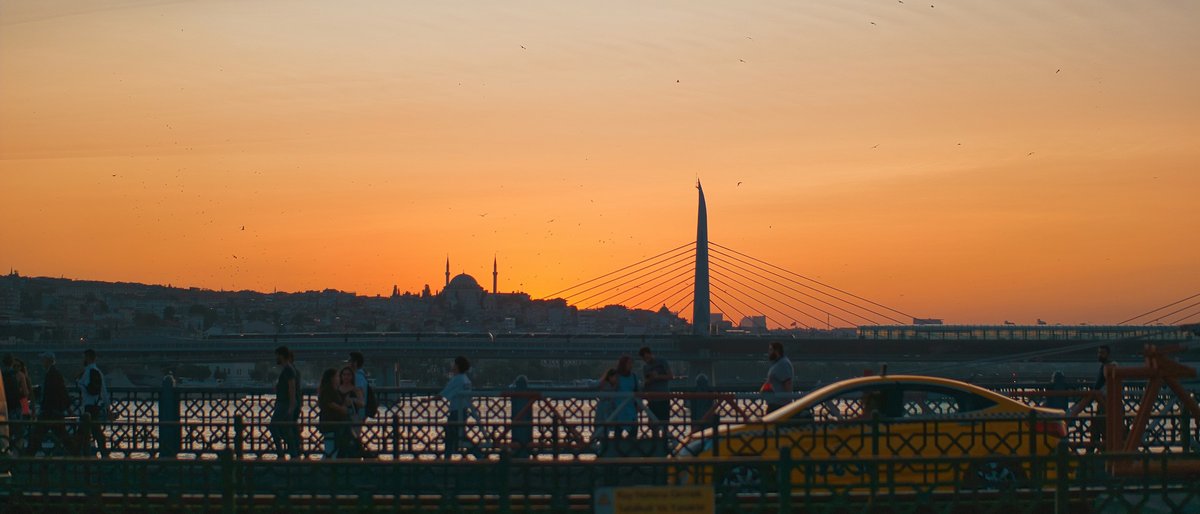
That said, there's a real case for January if you know what you're getting into. Istanbul's tourism machine runs at a fraction of its summer capacity. The Hagia Sophia, which can feel like a rugby scrum in July, is almost contemplative in January. Hotel rates tend to drop significantly across most neighborhoods. The city turns inward in winter, and that inward-facing Istanbul is, to be fair, more authentic than the terrace-and-rooftop version tourists usually see. You'll find yourself in meyhanes where you're the only foreigner, drinking warm salep on rain-slicked cobblestones in Balat, watching fishermen on the Galata Bridge through fog.
Mind you, this is not a beach trip and not a walking-tour-in-a-t-shirt trip. January rewards the traveler who likes museums, food, hot drinks, and long conversations. If you want to sit on a terrace overlooking the Bosphorus in sunshine, come in May or September. If you want to understand how Istanbul lives when the tourists thin out, January has a quiet appeal that the guidebooks rarely capture.
Why visit in January
- Hotel rates drop considerably from summer peaks: boutique hotels in Sultanahmet and Beyoğlu that stretch the budget in July become noticeably more affordable in January
- Major sites like Hagia Sophia, Topkapı Palace, and the Basilica Cistern have dramatically shorter queues, sometimes no queue at all
- The winter food scene peaks: this is prime season for rich Ottoman stews, fresh fish from the Bosphorus, roasted chestnuts on every corner, and the warm milky drink salep that you cannot get in summer
- Fewer tourists means more genuine interactions with locals: shopkeepers in the Grand Bazaar are more relaxed and less pushy when foot traffic is low
Worth knowing
- Cold, damp weather with an average of 12 rainy days makes extended outdoor sightseeing tiring: you'll want to break up walks with indoor stops
- Daylight is limited to roughly 9.5 hours, with sunset around 5:15 PM, which compresses your sightseeing window considerably
- The Bosphorus ferry experience (one of Istanbul's highlights) is far less pleasant in January wind and rain than in warmer months
- Some rooftop restaurants and outdoor venues close for winter or operate with reduced hours, limiting the nightlife and dining scene
Best for
Think twice if
January in Istanbul feels like a proper Northern European winter with a Mediterranean twist. Temperatures hover around 10°C (51°F) during the day and drop to about 5°C (40°F) at night. The 79% humidity makes that cold feel bone-deep: the damp kind that gets into your joints. Rain arrives roughly 12 days out of the month, totaling about 91mm. Snow is possible but not common within the city center; when it does fall, it tends to melt within a day or two, though it can briefly shut down traffic. The Bosphorus generates its own microclimate, and wind chill along the waterfront can make it feel several degrees colder than the reported temperature. Overcast skies are the norm rather than the exception.
Seasonal caution
- Bosphorus wind chill can push perceived temperatures well below freezing on exposed waterfront walkways and ferry decks: dress for 5-10°C colder than the forecast when near the water
- Snow, while infrequent in central Istanbul, can cause significant transport disruption when it does hit: flights get delayed, the steep hills in Cihangir and Balat become hazardous, and traffic gridlocks city-wide
- Wet cobblestones on the steep slopes of Beyoğlu, Sultanahmet, and Balat are a genuine slip hazard: waterproof shoes with proper tread are a safety item, not a comfort one
Year-round climate
Averages from the last 5 years.
| Month | Avg high (°C) | Avg low (°C) | Rainfall (mm) |
|---|---|---|---|
| Jan | 10 | 5 | 91 |
| Feb | 10 | 4 | 76 |
| Mar | 12 | 5 | 76 |
| Apr | 17 | 9 | 70 |
| May | 21 | 13 | 57 |
| Jun | 27 | 18 | 42 |
| Jul | 30 | 21 | 33 |
| Aug | 30 | 22 | 20 |
| Sep | 26 | 18 | 48 |
| Oct | 20 | 13 | 53 |
| Nov | 17 | 10 | 100 |
| Dec | 12 | 7 | 90 |
Holidays and festivals in January
Public holidays
- New Year's Day(Yılbaşı)1 January 2027
Best things to do in January
Turkish Hamam Experience
wellnessWinter is when a traditional hamam visit makes the most visceral sense. You step out of the cold, wet streets into a marble-domed steam room where the heat seeps into your bones. The göbektaşı (the heated marble slab in the center) feels like a revelation when you've been shivering outside. The scrubbing, soaping, and rinsing ritual leaves your skin feeling almost improbably soft afterward.
Cold, damp January weather makes the contrast between the frigid streets and the steamy marble interior feel dramatic in a way that summer visits simply can't replicate.Booking tipMidweek mornings tend to be the quietest. The historic hamams in Sultanahmet get tour groups even in winter, so arriving early helps.
Grand Bazaar Winter Browsing
shoppingThe Grand Bazaar is a covered labyrinth of over 4,000 shops, and in January the normally overwhelming crowd pressure eases considerably. The carpet sellers still offer çay, the leather merchants still draw, but there's space to stop and look. The air inside smells of spice, wool, and old stone. You can wander for hours without the claustrophobia that hits in peak season.
Low tourist numbers mean vendors are more inclined toward genuine conversation and less inclined toward aggressive sales pitches. You'll likely get better attention and possibly better prices simply because the foot traffic is lighter.Hagia Sophia Without the Crowds
sightseeingIn summer, the queue to enter Hagia Sophia can stretch for well over an hour. In January, you might walk right in. The interior: that impossibly vast dome, the gold mosaics catching whatever grey light filters through the windows: feels almost meditative when you're not shoulder-to-shoulder with hundreds of other visitors. The chill inside the building is noticeable, so keep your jacket on.
January crowd levels are a fraction of summer, which transforms the experience from hectic tourist attraction to something closer to the contemplative space it was built to be.Bosphorus Ferry in Winter Fog
sightseeingThis one comes with a caveat: it's cold, and the wind on the open deck is biting. But the winter Bosphorus has a moody, almost cinematic quality that the summer version lacks. Fog curls around the waterfront yalıs, the minarets of the Asian shore appear and disappear, and the ferry horn sounds through the mist. Sit inside with a glass of çay from the onboard vendor and watch through the windows if the deck is too much.
The winter atmosphere (fog, grey water, muted shorelines) creates a completely different Bosphorus experience than the sunny postcards suggest. It's not better or worse, just strikingly different.Booking tipThe short Eminönü-to-Kadıköy commuter ferry is cheaper and more local-feeling than the full tourist cruise. Runs frequently, no booking needed.
Museum Marathon
cultureIstanbul's museum density is staggering, and January is the month to work through them. The Istanbul Archaeology Museums alone could absorb half a day. The Chora Church mosaics are impressive. The Museum of Turkish and Islamic Arts in the old Ibrahim Pasha Palace tends to be nearly empty in winter. A Museum Pass Istanbul covers most major sites and usually pays for itself in two or three visits.
Rain and cold naturally push you indoors, and the reduced crowds mean you can stand in front of exhibits without jostling. What feels like a compromise in summer becomes the natural rhythm of a January visit.Çay House Hopping in Balat
food_and_drinkBalat's steep, narrow streets are lined with colorful Ottoman-era houses and an increasing number of small cafés and çay houses. In January, the neighborhood has a quiet, local energy that the Instagram-driven summer crowds tend to overwhelm. Duck into a çay house, order a tulip glass of dark Turkish tea, and watch the neighborhood go about its business through a steamed-up window. The smell of coal smoke hangs in the air.
The neighborhood's character is most visible in winter when tourist foot traffic drops and the cafés are filled with locals rather than people posing for photos on the colorful stairs.Underground Cistern Visit
sightseeingThe Basilica Cistern is underground, so weather is irrelevant, but the low crowds in January make the atmosphere markedly different. The dripping water echoes in the vaulted space, the Medusa head columns are easy to approach, and the dim lighting feels atmospheric rather than frustrating when you're not being pushed along by a crowd behind you.
The cistern's temperature stays relatively constant year-round, making it a natural refuge from January cold. Plus, the dramatically reduced visitor numbers let you absorb the eerie beauty of the space.Turkish Cooking Class
food_and_drinkSeveral neighborhood cooking schools run winter-focused classes centered on Ottoman stews, mantı (Turkish dumplings), and winter mezes. You'll typically start with a market visit (the Kadıköy market on the Asian side is a common choice) picking up ingredients before heading to a kitchen to cook and eat together. The dishes tend to be heartier in winter: think slow-braised lamb, thick lentil soups, and flaky börek.
Winter cooking classes focus on the comfort food repertoire that defines cold-weather Turkish cuisine: dishes you're less likely to encounter in a summer-focused class.Booking tipClasses run with smaller groups in January, which often means more hands-on time. Book a day or two ahead rather than day-of, since some operators reduce their winter schedule.
What to eat in January
On menus now
Kelle Paça Çorbası
A rich, gelatinous lamb head and trotter soup that locals swear cures everything from hangovers to the common cold. It's slow-cooked for hours and served with garlic and vinegar. Decidedly not for the squeamish, but this is peak-winter Turkish comfort food at its most honest. Restaurants specializing in it tend to be open late into the night.
Hamsi (Black Sea Anchovies)
January is prime hamsi season. These small, silvery fish from the Black Sea are at their fattiest and most flavorful right now. You'll find them pan-fried, baked into cornbread (hamsi ekmeği), folded into rice pilaf, even tucked into a kind of anchovy pizza. The Bosphorus-side restaurants in Arnavutköy and Bebek tend to do them well.
Street food peaks
Kestane Kebap (Roasted Chestnuts)
Charcoal-roasted chestnuts sold from carts on practically every major corner in Beyoğlu and Eminönü. The smell alone (smoky, sweet, slightly nutty) is the defining street scent of Istanbul in winter. They come in paper cones and warm your hands as well as your stomach.
What to drink
Salep
A warm, thick, milky drink made from wild orchid root flour, dusted with cinnamon. Street vendors sell it from brass urns, and the flavor is somewhere between vanilla pudding and warm milk. It's only available in the cold months: trying to order it in July will get you a confused look.
Boza
A fermented millet drink with a thick, porridge-like consistency and a slightly sour, yeasty tang. It's been a winter staple in Istanbul for centuries. Vefa Bozacısı in Fatih has been serving it since 1876: the mustard-yellow interior hasn't changed much since. Sprinkle roasted chickpeas on top, as the locals do.
Regular events in January
Istanbul Shopping FestFree
A citywide shopping event that typically runs through late January, with participating stores across the Grand Bazaar, İstiklal Caddesi, and major malls offering seasonal discounts. Not the most cultural of events, but if you're already here, the timing works.
Late December through late JanuaryBeyoğlu Winter Cinema Screenings
Several independent cinemas in Beyoğlu (Atlas, Beyoğlu Sineması) run winter film series featuring Turkish and international art house films, sometimes with English subtitles. The neighborhood's cinema culture is one of its quieter draws.
Throughout JanuaryBest places this January
Hagia Sophia
historicalThe 1,500-year-old former cathedral and mosque is at its most peaceful in January. The vast interior feels contemplative without summer crowds, and the Byzantine mosaics catch the muted winter light in a way that feels almost deliberate.
SultanahmetTopkapı Palace
historicalThe sultans' large palace complex overlooking the Bosphorus. In January, you can linger in the Harem section and the treasury without being herded through. The courtyard views over the Golden Horn are hauntingly beautiful in fog.
SultanahmetGrand Bazaar
shoppingOne of the world's oldest and largest covered markets. Winter strips away the peak-season chaos, leaving a more navigable, conversational atmosphere. Carpet and ceramic shops are happy to serve çay and talk at length when business is slower.
BeyazıtBalat and Fener
neighborhoodThese neighboring districts along the Golden Horn have Ottoman-era wooden houses painted in faded pastels, Greek Orthodox churches, and a growing café scene. January keeps the selfie crowds at bay, leaving you to explore the steep lanes with just the locals and a few cats for company.
FatihKadıköy Market
marketCross to the Asian side by ferry and wander through the Kadıköy produce market: a sensory riot of fresh fish stalls, spice shops, olive vendors, and pickle sellers. The winter selection leans toward citrus, pomegranates, and root vegetables. Less touristy than the Spice Bazaar.
KadıköyIstanbul Archaeology Museums
museumThree museums in one complex, housing artifacts from Sumerian tablets to Alexander's sarcophagus. Criminally undervisited even in summer, and virtually empty in January. You could spend three hours here easily.
SultanahmetChora Church (Kariye Mosque)
historicalThe Byzantine mosaics and frescoes here rival anything in Ravenna. The church's smaller scale makes the art feel intimate: you're standing inches from 14th-century gold-leafed scenes. Worth the trip to the Edirnekapı neighborhood.
EdirnekapıGalata Tower
viewpointThe medieval stone tower offers panoramic views over the Golden Horn, Sultanahmet, and the Bosphorus. On a clear January day (they do happen) the view stretches to the Princes' Islands. On a foggy day, the city dissolves below you in a way that's equally compelling.
BeyoğluSüleymaniye Mosque
religiousArguably more beautiful than the Blue Mosque and typically far less crowded. The Mimar Sinan masterpiece sits on a hilltop above the Golden Horn, and the surrounding complex includes old medrese buildings converted to atmospheric cafés. The courtyard in winter, with wet stone and grey sky, is quietly impressive.
Fatihİstiklal Caddesi and Beyoğlu
neighborhoodIstanbul's famous pedestrian avenue still pulses with energy in January: bookshops, music stores, meyhanes, and the nostalgic red tramcar clanging through the crowd. The side streets ( Asmalımescit and Çukurcuma) hide antique shops, vinyl bars, and small galleries worth discovering.
Beyoğlu
Your packing checklist
Tick items off as you pack. Your progress saves in this browser.
All packed — have a great trip.
Insider tips
The Kadıköy ferry from Eminönü costs a fraction of the tourist Bosphorus cruise and gives you a solid 20-minute ride across the strait with locals commuting home: better atmosphere, better value, and a great excuse to explore the Asian side.
Many hamams offer midweek winter slots that are significantly quieter than weekends. Going on a Tuesday or Wednesday morning might mean you have the hot room nearly to yourself.
The back streets of Karaköy, between the Galata Bridge and the tower, have quietly become one of Istanbul's best café and brunch neighborhoods. Most of these spots don't appear in standard guidebooks yet but are well-known to locals.
If it snows (even lightly) head to the Sultanahmet district at dawn. Snow on the domes of the Blue Mosque and Hagia Sophia is one of Istanbul's most photogenic moments, and it rarely lasts past midday.
Çay (Turkish tea) is served everywhere and typically costs very little. Accepting a shopkeeper's offer of çay doesn't obligate you to buy anything: it's a genuine hospitality gesture. Drink the tea, have the conversation.
The Museum Pass Istanbul covers most major sites and lets you skip ticket queues. Even in January when queues are shorter, it tends to pay for itself quickly if you're visiting more than two or three sites.
Avoid these mistakes
- Packing for the reported temperature without accounting for wind chill and humidity: 10°C in Istanbul feels significantly colder than 10°C in a dry climate, near the water.
- Trying to do all outdoor sightseeing in one marathon day instead of mixing indoor and outdoor activities: the cold and damp will wear you down faster than you expect.
- Skipping the Asian side entirely: Kadıköy and Üsküdar have excellent food scenes and a more local feel, and the ferry ride itself is one of the best experiences in the city.
- Assuming everything operates on summer hours: some attractions and restaurants reduce their hours or close certain days in winter, so checking ahead saves wasted trips.
- Wearing smooth-soled shoes on Istanbul's hilly, cobblestoned streets in the rain: this is a recipe for a fall, on the steep slopes in Cihangir, Balat, and parts of Sultanahmet.
Practical tips for January
January's limited daylight means structuring your days around the roughly 9.5 hours of light you'll get. Sunrise is around 7:30 AM and sunset hits by 5:15 PM, so early starts pay off. Most major mosques close to tourists during prayer times: checking the daily schedule helps avoid a wasted walk. Public transit (the Istanbulkart works on ferries, trams, metro, and buses) is the most practical way to move around the city in winter, when rain makes walking long distances unpleasant. Indoor attractions like museums and hamams make natural afternoon or rainy-day activities. Restaurants in tourist areas may close earlier in winter, so dinner reservations or arriving by 7 PM is wise if you have a specific place in mind. Tipping is customary but not as structured as in the US: rounding up or leaving 5-10% at restaurants is standard. Carry cash for smaller establishments, çay houses, and street food vendors, as card acceptance is common at restaurants and shops but less reliable at market stalls and smaller cafés.
FAQ
Is January a good time to visit Istanbul?
It depends on what you're after. January is cold, grey, and wet, not good for outdoor dining or long walks in sunshine. But it's one of the cheapest months to visit, the major sites have dramatically fewer visitors, and the city's winter food scene is special. If you're comfortable with indoor-focused travel and layering up for outdoor stretches, there's a lot to recommend it. If you need warm weather to enjoy a trip, you'll likely be happier in May or September.
Does it snow in Istanbul in January?
It can, though it's not guaranteed. Snow tends to fall a few times each winter, but in central Istanbul it usually melts within a day or two. When it does stick, it can disrupt traffic and flights: the city's hilly geography doesn't handle snow well. That said, a dusting of snow on the mosque domes is beautiful, if short-lived.
What should I wear in Istanbul in January?
Layers are the key. A thermal base, a warm wool or fleece mid-layer, and a waterproof outer shell will handle most conditions. Waterproof boots with proper tread are non-negotiable: the cobblestones get dangerously slick in rain. A warm scarf and hat matter more than you'd think, along the Bosphorus where wind chill drops the perceived temperature well below what your phone's weather app says.
Are the Bosphorus ferry cruises running in January?
Yes, the major ferry routes run year-round. The full tourist cruise from Eminönü operates on a reduced winter schedule, typically one departure per day. The commuter ferries (Eminönü to Kadıköy, Karaköy to Üsküdar) run frequently throughout the day and offer a similar waterfront experience at a fraction of the cost. Just be prepared for cold wind on deck.
Is the Grand Bazaar open in January?
The Grand Bazaar is open year-round, Monday through Saturday, closing only on Sundays and major national holidays. January is one of the quieter months, which means less crowding and more willingness from vendors to chat and negotiate. It's also a covered market, so weather doesn't affect the experience once you're inside.
Things to Do in Istanbul in January
 Free cancellation
 Best of Istanbul 1, 2 or 3-Day Private Guided Istanbul Tour
Cruise: free cancellation.
via Viator Free cancellation
 Istanbul Bosphorus Sunset Cruise Experience on Luxury Yacht
Cruise: 2.2 hours, free cancellation.
via Viator Free cancellation
 Istanbul Mega Lufer Dinner Cruise Bosphorus and Show Pvt Table
Day trip: 3 hours, free cancellation.
via Viator Free cancellation
 Istanbul Sunset Luxury Yacht Cruise Experience with Local Guide
Cruise: 2 hours, free cancellation.
via Viator Free cancellation
 Istanbul Bosphorus Sunset Luxury Yacht Cruise with Snacks
Day trip: 2.5 hours, free cancellation.
via Viator Free cancellation
 Istanbul Bosphorus Yacht Cruise with Live Guide & Asian Side Stop
Day trip: 2.5 hours, free cancellation.
via ViatorFind a flight to Istanbul
Live fares to Istanbul appear here once cookies are accepted.
Last verified by automated review (v1.7.1) on . What is automated review?