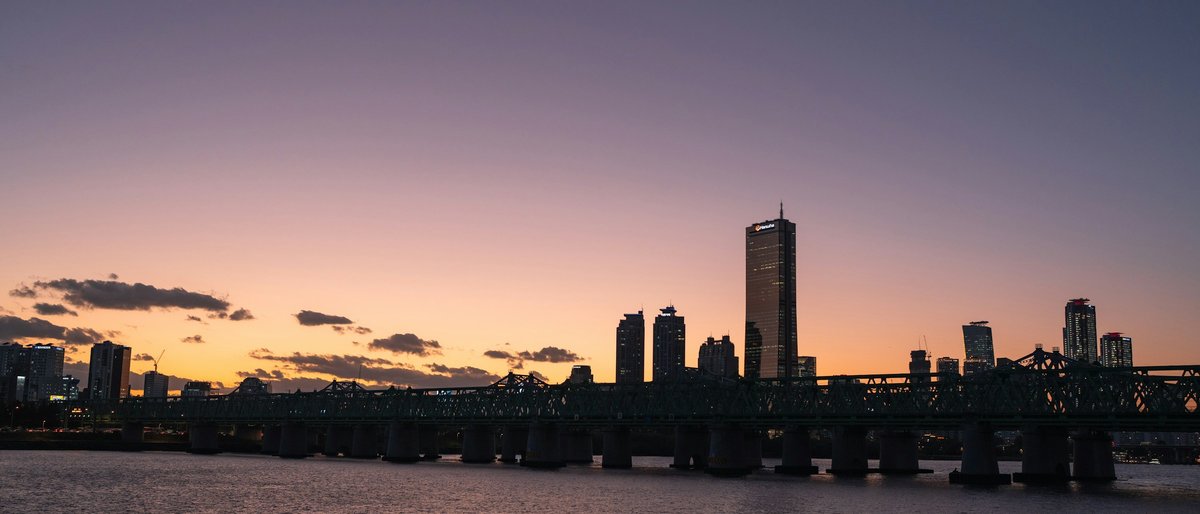
Stay in Seoul in April
104 hotels in the Trip.com pool for Seoul, from US$17 a night.
Opens Trip.com on Fri 2 Apr to Sun 4 Apr 2027; change the dates there.
April is cherry blossom month in Seoul, and honestly, it might be the single best time to see the city. The trees along Yeouido's Yunjung-ro explode into pale pink canopies somewhere around the first or second week: the exact timing shifts year to year, which keeps everyone guessing until the Korean Meteorological Administration issues its forecast. Daytime temperatures sit around 18°C (65°F), cool enough for walking all day without wilting, though mornings still carry a chill at 7°C (45°F). You'll want layers.
That said, April isn't without its frustrations. Fine dust (hwangsa, the yellow dust that blows over from the Gobi Desert and northern China) tends to spike in spring. Some days the sky turns a hazy grey-brown and the air quality index climbs high enough that locals pull out their KF94 masks and stay indoors. It's not every day, and it's not as bad as March, but it's real. You might get three or four rough days scattered through the month. Check the air quality forecast each morning before planning anything outdoors.
The upside, though, is considerable. The city feels electric in April. Koreans treat cherry blossom season as a genuine cultural moment: picnic blankets appear under every flowering tree, convenience stores stock special seasonal drinks, and the parks fill with families and couples from dawn until well past dark. Pair that with comfortable walking weather, spring produce hitting the markets, and hotel prices that haven't yet climbed to the May-June peaks, and you've got a strong month for a visit.
Why visit in April
- Cherry blossoms peak in early-to-mid April: Yeouido, Seokchon Lake, and Namsan are spectacular, and the whole city leans into the season with pop-up festivals and seasonal food
- Temperatures around 18°C (65°F) make Seoul one of the most walkable cities on earth this month: cool enough for palace visits, hikes, and market wandering without overheating
- Spring light is soft and warm, making it arguably the best month for photography at places like Changdeokgung's Secret Garden and the Bukchon hanok neighborhood
- Seasonal Korean produce (spring greens, fresh ssuk (mugwort), and strawberries) starts appearing in restaurant menus and market stalls
Worth knowing
- Yellow dust (hwangsa) from the Gobi Desert can degrade air quality for several days mid-month, occasionally pushing AQI into unhealthy ranges: this is not theoretical, it happens most Aprils
- Cherry blossom crowds are intense, at Yeouido and Seokchon Lake on weekends: expect shoulder-to-shoulder foot traffic along the main paths
- Hotel prices climb noticeably during blossom peak, in Myeongdong and Gangnam: rates can jump 30-50% above the annual average for a window of about ten days
- Mornings and evenings are still cool enough to catch you off guard if you packed only for spring warmth: 7°C (45°F) at dawn is jacket weather
Best for
Think twice if
April in Seoul feels like proper spring after months of bitter cold. Daytime highs average around 18.3°C (65°F), which is comfortable in a light jacket or even just a long-sleeve shirt by midday. Mornings and evenings drop to about 7°C (45°F), so the temperature swing through the day is noticeable. Rainfall comes to roughly 74mm across about 7 days: typically light-to-moderate showers rather than the heavy downpours that arrive with summer monsoon season. Humidity sits at a reasonable 66%, far below the oppressive levels of July and August. The overall feel is crisp and pleasant, with occasional grey days mixed in.
Seasonal caution
- Yellow dust (hwangsa) events typically occur several times in April, blowing fine particulate matter from the Gobi Desert across the Korean Peninsula. On bad days, PM10 levels can exceed 150 μg/m³. Check AirKorea (airkorea.or.kr) each morning and consider staying indoors or wearing a KF94 mask when levels spike.
Year-round climate
Averages from the last 5 years.
| Month | Avg high (°C) | Avg low (°C) | Rainfall (mm) |
|---|---|---|---|
| Jan | 2 | -7 | 19 |
| Feb | 5 | -5 | 17 |
| Mar | 12 | 1 | 58 |
| Apr | 18 | 7 | 74 |
| May | 22 | 12 | 126 |
| Jun | 27 | 18 | 169 |
| Jul | 30 | 23 | 305 |
| Aug | 29 | 23 | 289 |
| Sep | 26 | 18 | 215 |
| Oct | 19 | 10 | 104 |
| Nov | 12 | 2 | 56 |
| Dec | 3 | -5 | 30 |
Headline events
Yeouido Cherry Blossom Festival (영등포 여의도 봄꽃축제)
Early to mid-April (varies with bloom timing, usually 7-10 day window)
Seoul's signature spring event. The roughly 1,800 cherry trees lining Yunjung-ro on Yeouido Island burst into bloom, and the street closes to traffic for a festival that draws over a million visitors across its run. Street food stalls, live performances, and evening illuminations turn the riverside into a massive outdoor gathering. The exact dates shift each year based on bloom timing, but it typically falls in early-to-mid April. Worth seeing at night: the trees lit from below against the dark river are striking.
Seokchon Lake Cherry Blossom Festival
Early to mid-April (follows Yeouido by 1-3 days typically)
The lake next to Lotte World in Songpa-gu is ringed by around 1,000 cherry trees that create a continuous pink canopy along the walking path. Less chaotic than Yeouido but still draws serious crowds on weekends. The reflection of blossoms on the lake surface is what keeps photographers coming back. Food trucks and pop-up markets set up along the perimeter. Locals tend to prefer this to Yeouido for a slightly more relaxed experience, though 'relaxed' is relative during peak bloom.
Best things to do in April
Cherry blossom viewing along the Yeouido and Seokchon Lake paths
natureWalking under a full canopy of cherry blossoms is one of those experiences that lives up to expectations. Yeouido's Yunjung-ro is the most famous stretch, but Seokchon Lake has a quieter alternative with water reflections. Go on a weekday morning if you can: weekends are overwhelming. Bring a picnic blanket and join the locals sitting under the trees with fried chicken and beer.
Cherry blossoms bloom for roughly 7-10 days in early-to-mid April: miss the window and you'll see bare branches or scattered petals insteadBooking tipNo booking needed, but arrive before 9am on weekdays to enjoy the paths without crowd pressure
Hiking Bukhansan National Park
outdoorSeoul's signature mountain sits right at the city's northern edge, and April is arguably the best hiking month. The air is cool enough to climb comfortably, the trails aren't yet slippery with summer rain, and the mountainsides are just starting to green up. The Baegundae peak trail rewards you with a panoramic view of the entire Seoul basin. You'll smell pine resin and feel granite under your hands on the final scramble.
Temperatures around 15-18°C are good for strenuous hiking: summer heat and monsoon rain make the same trails significantly harder and more dangerous from June onwardBooking tipPopular trails now require a reservation through the national park booking system on weekends and holidays: book a few days ahead
Changdeokgung Secret Garden tour
cultureThe rear garden of Changdeokgung Palace opens for guided tours that wind through a landscape designed over 500 years ago. In April, the garden's maples and cherry trees are in fresh leaf, the lotus ponds are clear, and the old pavilions sit against a backdrop of soft green. The guides tell stories about the Joseon kings who walked these paths. The whole experience is quieter and more contemplative than the main palace grounds.
Spring foliage transforms the garden: the fresh green canopy and occasional cherry blossoms create conditions that look completely different from winter's bare branches or summer's dense overgrowthBooking tipEnglish-language tours run at fixed times (usually 10:30am and 2:30pm) and sell out quickly in April; book online at least a week ahead through the Cultural Heritage Administration website
Namsan Tower sunset walk
outdoorThe hike up Namsan from the Hoehyeon or Huam-dong trailheads takes about 40 minutes and deposits you at one of the best viewpoints in the city. Time it for late afternoon: you'll climb in comfortable spring air, reach the top as the sun drops, and watch Seoul's skyline shift from golden hour into a carpet of lights. The cherry trees along the lower slopes add color in early April. On a clear day, the visibility stretches for miles.
April's moderate temperatures make the uphill walk pleasant rather than punishing, and the lower humidity means better visibility for sunset views than you'll get in summerBooking tipThe tower observation deck charges admission, but the outdoor viewing areas around the base are free and arguably better for photography
Explore Ikseon-dong's hanok cafes and shops
cultureThis cluster of renovated traditional Korean houses in Jongno has become one of Seoul's most photogenic neighborhoods. April is when the courtyard cafes set out outdoor seating, the narrow alleys fill with afternoon light, and you can sit with a coffee watching the foot traffic without freezing or sweating. The shops tend toward ceramics, indie fashion, and specialty tea: it's a good place to spend a slow afternoon.
Outdoor seating opens up in April as temperatures climb above 15°C: in winter these courtyards are too cold to enjoy, and in summer the alleys trap heatGwangjang Market spring greens tasting
foodSeoul's oldest market is always worth visiting, but in April the vegetable vendors pile their stalls with freshly arrived bom-namul: spring mountain greens, mugwort, shepherd's purse, and wild garlic. The bindaetteok (mung bean pancake) stalls are famous, but walk past them to the raw beef section and the vendors selling seasonal jeon (savory pancakes). The smell of sesame oil and sizzling batter fills the covered arcade.
Spring greens are only available fresh for a few weeks: by May the season shifts and the market's character changesBooking tipGo before 11am to avoid the worst crowds, or after 8pm when tour groups thin out
Hangang River cycling along the cherry blossom paths
outdoorSeoul's riverside bike paths run for over 40km along both banks of the Han River, and several stretches pass under cherry blossom canopies in April. You can rent bikes from automated stations along the river using the Seoul Bike (Ttareungyi) app: it costs almost nothing. The stretch from Yeouido east toward Banpo Bridge is good in blossom season. Pack kimbap from a convenience store and stop at one of the riverside parks for lunch.
Cherry blossoms line specific sections of the riverside paths, and the mild temperatures make cycling enjoyable rather than a battle against heat or coldBooking tipSeoul Bike (Ttareungyi) requires a Korean phone number for the app: alternatively, rental shops near Yeouido Hangang Park rent bikes by the hour without registration
Night cherry blossom viewing at Seoul Forest
natureSeoul Forest in Seongdong-gu is less famous than Yeouido for blossoms but has the advantage of evening illuminations without the same crushing crowds. The park stays open after dark, and the trees are lit in a way that makes the pink petals glow against the night sky. Bring a blanket and something warm to drink: temperatures drop quickly after sunset in April. The deer enclosure nearby adds an unexpected touch.
The park's cherry trees bloom on roughly the same schedule as Yeouido, but evening lighting installations are specifically set up for the blossom seasonWhat to eat in April
In season: fruit
Strawberries (딸기)
Korean strawberries hit their sweet spot in late March through April. The Seolhyang variety is the most common: larger and sweeter than what you might be used to, with a fragrance that hits you before you even bite in. You'll find them everywhere: stacked at fruit stands, layered into cafe desserts, and filling the famous strawberry sandwiches at bakeries across the city. Prices drop from their winter peak as supply increases.
On menus now
Naengi-guk (shepherd's purse soup)
A delicate, clear soup made with shepherd's purse greens that Koreans consider the taste of early spring. The flavor is mild and slightly nutty, served with doenjang (fermented soybean paste) in many home-cooking style restaurants. Appears on menus in March and lingers through April before the greens get too tough.
What to drink
Cherry blossom-themed cafe drinks
Seoul's cafe culture goes all-in on cherry blossom season. Expect cherry blossom lattes, pink-tinted desserts, and limited-edition drinks at chains and independent cafes alike. The flavor is usually a light floral sweetness: some are good, others are mainly photogenic. Starbucks Korea and local chains release collectible cherry blossom cups that people queue for on launch day.
In markets
Ssuk (mugwort) dishes
Spring mugwort appears in everything from rice cakes (ssuk-tteok) to soups and even lattes during April. The herb has an earthy, slightly bitter flavor and a distinctive deep green color. Traditional markets like Gwangjang sell freshly made ssuk-tteok that's still warm: the texture is soft and chewy with a grassy fragrance you won't find the rest of the year.
Bom-namul (spring wild greens)
A collective term for the wild mountain greens (dalrae (wild chives), dallae, minari (water parsley), and others) that peak in April. Restaurants across Seoul feature special bom-namul bibimbap or serve them as banchan. The flavors are sharper and more complex than cultivated greens. Markets in Jongno and Mapo-gu sell bundles of freshly foraged namul from the surrounding mountains.
Festival food
Hwajeon (flower pancakes)
Small, sweet rice pancakes pressed with edible flower petals: traditionally azalea petals in spring. This is a centuries-old Korean tradition tied to the third lunar month. You'll find them at traditional teahouses in Insadong and Bukchon, where they're served alongside floral teas. The taste is subtle and lightly sweet, more about the ritual and the look than bold flavor.
Regular events in April
Seoul International Women's Film Festival
An independent film festival focused on women directors and gender-related themes, screening at theaters around Sinchon and Hongdae. A mix of Korean and international films with English subtitles for many screenings.
Mid-April (varies yearly, usually 5-7 day run)Jinhae Cherry Blossom Festival (day trip from Seoul)Free
While technically in Changwon city, this massive cherry blossom festival is Korea's largest and draws many Seoul residents on weekend day trips via KTX. Over 350,000 cherry trees bloom simultaneously along the Yeojwacheon stream: the scale is hard to overstate. Doable as a long day trip from Seoul.
Late March to early April (10-day festival window)Seoul Bamdokkaebi Night MarketFree
Seasonal night markets along the Hangang River parks reopen in April after their winter hiatus. Food trucks, craft vendors, and live performances line the riverbanks at Yeouido, Banpo, and other locations on Friday and Saturday evenings. The atmosphere is casual and local: more young couples and friend groups than tourists.
Weekends from mid-April through OctoberNational Museum of Korea spring exhibitionsFree
The national museum typically launches new special exhibitions in spring. The permanent collection is always free, and the museum grounds feature cherry trees and a reflecting pond that make the outdoor areas worth visiting even if you skip the galleries inside. One of the best free cultural experiences in Seoul.
Ongoing through AprilBest places this April
Yeouido Yunjung-ro (Cherry Blossom Road)
parkThe most famous cherry blossom viewing street in Seoul. About 1,800 trees create a continuous pink tunnel along the National Assembly building. The road closes to cars during the festival, turning into a slow-moving river of people, food stalls, and photo ops. Beautiful, but go early on weekdays if you want breathing room.
YeouidoSeokchon Lake
parkA quieter alternative to Yeouido with about 1,000 cherry trees ringing the lake. The reflections of blossoms on the water surface make this the better spot for photography. Lotte World's amusement park tower looms in the background, giving the photos an only-in-Seoul quality.
Songpa-guChangdeokgung Palace and Secret Garden
historic siteThe best-preserved Joseon palace, and the Secret Garden behind it is at its most beautiful in spring. Fresh green canopy, flowering trees, and centuries-old pavilions reflected in stone-lined ponds. The guided tour format keeps crowds manageable, unlike the self-guided main palace grounds.
JongnoBukchon Hanok Village
neighborhoodThe traditional Korean house neighborhood between Gyeongbokgung and Changdeokgung palaces. In April, the tile roofs contrast beautifully against cherry blossoms and fresh green trees. Best visited early morning before the crowds arrive: after 10am the narrow alleys can feel congested, and residents have posted signs asking for quiet.
JongnoInwangsan Shamanic Shrines trail
hiking trailA less-touristed mountain trail on Seoul's western edge that passes by active shamanic shrines and the old Seoul Fortress Wall. In April, the rocky trail offers clear views over the city without the crowds of Bukhansan. You'll likely hear the sound of shamanic ceremonies drifting from the shrine buildings below: an atmosphere you won't find on any other urban hike.
JongnoGyeongui Line Forest Park
parkA converted above-ground railway line turned into a narrow linear park running through Yeonnam-dong. The neighborhood's cafes spill out onto the park in April as outdoor seating opens for the season. Cherry and magnolia trees line the path. It's essentially Seoul's answer to New York's High Line, but at ground level and surrounded by independent coffee shops and wine bars.
Mapo-guGwangjang Market
marketSeoul's oldest and arguably best traditional market. The covered arcade keeps you dry on rainy April days. The bindaetteok stalls near the east entrance are legendary, but the seasonal spring greens vendors and the raw beef alley deeper inside are what make an April visit distinct from other months.
JongnoBanpo Bridge Rainbow Fountain
landmarkThe bridge's fountain show restarts for the season in April, sending arcs of water off both sides of the bridge in choreographed patterns, lit with colored lights after dark. Best viewed from the Banpo Hangang Park below. Combine it with an evening stroll or a visit to the Banpo night market if it's running.
Seocho-gu
Your packing checklist
Tick items off as you pack. Your progress saves in this browser.
All packed — have a great trip.
Insider tips
The cherry blossoms along Yangjae-cheon stream in southern Seoul are just as beautiful as Yeouido but draw a fraction of the crowds. Locals in Gangnam know this: tourists mostly don't. Take Line 3 to Yangjae station and walk south along the stream.
Check the real-time air quality on the Misemeonji (미세먼지) app or AirKorea website every morning before planning outdoor activities. Locals live by these apps in spring: a clear-looking sky can still have poor particle counts. On bad days, pivot to indoor plans: museums, department store food halls, jjimjilbang (Korean spas).
If you're visiting Gwangjang Market, walk past the famous tourist-facing stalls at the entrance and head deeper inside. The vendors selling seasonal namul and homemade tteok toward the center of the market offer better prices and more interesting spring specialties than the bindaetteok stalls that every guidebook recommends.
Korea's convenience stores (CU, GS25, 7-Eleven) release limited cherry blossom-flavored snacks and drinks every April. They're cheap, often tasty, and make better souvenirs than most of what you'll find in tourist shops. The cherry blossom beer from some craft breweries is also worth tracking down.
Book your Bukhansan hiking permits for weekends through the national park reservation system (reservation.knps.or.kr) as soon as your travel dates are confirmed. The quota system was introduced to manage trail erosion and weekend slots fill up weeks in advance during cherry blossom season.
Avoid these mistakes
- Visiting Yeouido for cherry blossoms on a Saturday afternoon and expecting a pleasant experience: the crowds during peak weekend hours are dense enough that you'll spend more time in foot traffic than looking at trees. Go on a weekday morning or try alternative blossom spots like Yangjae-cheon or Seoul Forest instead.
- Packing only light spring clothes and leaving the warm layer at home: the 11°C temperature swing between morning lows and afternoon highs catches a lot of visitors off guard. People who dressed for 18°C at the hotel end up shivering at a 7°C morning temple visit.
- Ignoring the yellow dust forecasts and spending a high-AQI day hiking or doing extensive outdoor sightseeing: this could fairly be called a genuine health concern, for anyone with respiratory sensitivity. Always check the forecast before committing to a full outdoor day.
- Trying to time your trip to the exact cherry blossom peak based on forecasts from months ahead: bloom dates shift by a week or more depending on that year's temperatures. If you have flexibility, watch the Korea Meteorological Administration's bloom forecasts released in March, but otherwise just aim for the first two weeks of April and accept some uncertainty.
Practical tips for April
Book accommodation at least three to four weeks ahead if you're visiting during the first two weeks of April: cherry blossom season is one of Seoul's tightest booking windows. Central areas like Myeongdong and Jongno fill first, but Hongdae and Mapo offer good transit access at slightly lower rates. Download the Naver Map app rather than relying on Google Maps: Naver has far more accurate transit directions, walking routes, and real-time bus information for Seoul. T-money transit cards work on all buses and subways and can be bought at any convenience store. Most restaurants and shops accept card payment, but market stalls and some street food vendors are cash-only, so carry at least 50,000 won in small bills. Seoul's palaces offer free admission if you wear hanbok (traditional Korean clothing): rental shops cluster around Gyeongbokgung and charge roughly 15,000-20,000 won for a few hours, which more than covers the admission savings while giving you a fun photo opportunity among the spring blossoms. Be aware that some smaller museums and galleries close on Mondays. The Gyeongui Line Forest Park area in Yeonnam-dong and the cafes around Ikseon-dong get notably busier on weekends: visit these on weekday afternoons for a calmer experience.
FAQ
Is April a good time to visit Seoul?
April is one of the best months to visit Seoul, likely ranking in the top two or three alongside October and May. The cherry blossoms are the headline draw, but the comfortable temperatures, the return of outdoor dining and night markets, and the general energy of the city in spring all contribute. The main caveats are yellow dust days that can affect air quality and the crowds at popular blossom spots on weekends. If you can handle those trade-offs, April is a strong choice.
What is the weather like in Seoul in April?
Expect average highs around 18°C (65°F) and lows around 7°C (45°F), with roughly 74mm of rain spread across about 7 days. Humidity sits at 66%, which feels comfortable. The days are generally pleasant for walking and outdoor activities, but mornings and evenings are noticeably cool. Rain tends to come in light showers rather than heavy downpours. The wild card is yellow dust: fine particulate matter from the Gobi Desert that can degrade air quality on certain days.
When do cherry blossoms bloom in Seoul?
Seoul's cherry blossoms typically reach full bloom somewhere between late March and mid-April, with the exact timing varying year to year depending on winter and early spring temperatures. The Korea Meteorological Administration releases bloom forecasts in March. Peak viewing usually lasts about 7-10 days. Yeouido is the most famous spot, but Seokchon Lake, Seoul Forest, and Yangjae-cheon stream are strong alternatives with somewhat smaller crowds.
Is Seoul crowded in April?
Yes, noticeably so: at cherry blossom hotspots on weekends. Yeouido during the blossom festival can feel overwhelming. However, Seoul is a large city with good transit, and moving away from the top three or four blossom spots reveals a much calmer city. Weekday visits to popular areas make a significant difference. Overall crowd levels are high but manageable if you plan around the peak spots and times.
Do I need to worry about yellow dust in Seoul in April?
It's worth being aware of, yes. Hwangsa (yellow dust) events occur multiple times most springs, carrying fine sand and pollution particles from China and Mongolia across the Korean Peninsula. On bad days, the air takes on a hazy quality and the AQI can climb into ranges that affect people with respiratory sensitivity. Most days are fine, but checking the forecast each morning via the AirKorea website or Misemeonji app is a habit worth building into your routine. Carry a few KF94 masks just in case.
Things to Do in Seoul in April
 Free cancellation
 Best DMZ Tour Korea from Seoul (Suspension Bridge & JSA Museum)
Day trip: free cancellation.
via Viator Free cancellation
 Best DMZ Tour Seoul: Defector Q&A, 3rd Tunnel & Suspension Bridge
Day trip: free cancellation.
via Viator Free cancellation
 DMZ Tour: Defector Q&A, Tunnel & Suspension Bridge /Hotel pick up
Day trip: 7 hours, free cancellation.
via Viator Free cancellation
 DMZ: NK Defector, 3rd Tunnel, Suspension Bridge, Hotel Pick-up
Day trip: 7 hours, free cancellation.
via Viator Free cancellation
 DMZ tour from Seoul; North Korean Defector Meet up & 3rd Tunnel
Day trip: 6.5 hours, free cancellation.
via Viator Free cancellation
 DMZ Tour from Seoul: 3rd Tunnel, Dora Observatory & Defector Talk
Day trip: free cancellation.
via ViatorFind a flight to Seoul
Live fares to Seoul appear here once cookies are accepted.
Last verified by automated review (v1.7.2) on . What is automated review?