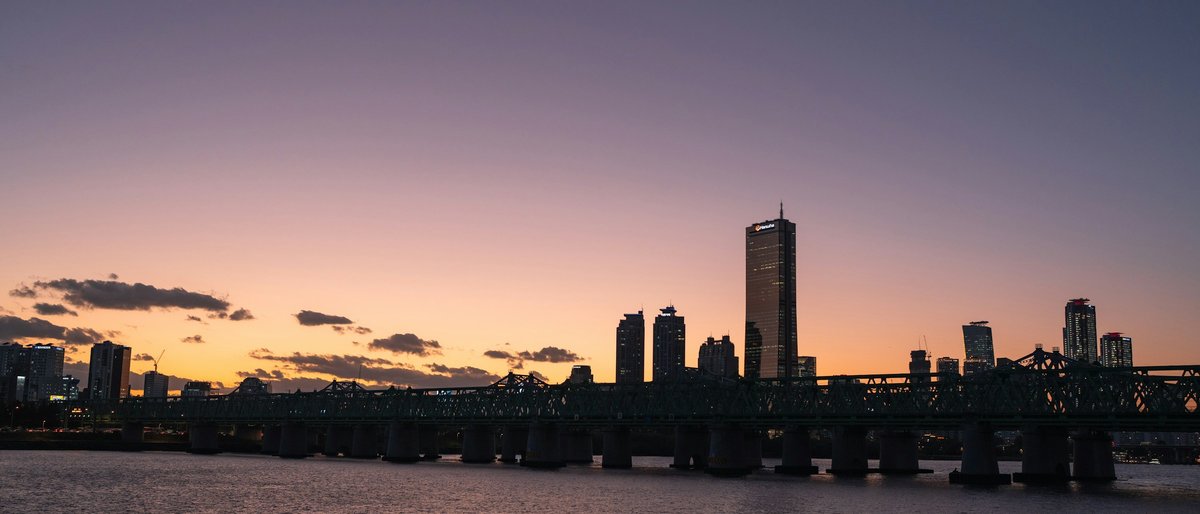
Stay in Seoul in October
104 hotels in the Trip.com pool for Seoul, from US$17 a night.
Opens Trip.com on Fri 2 Oct to Sun 4 Oct 2026; change the dates there.
October is, to be honest, probably the single best month to be in Seoul. The summer monsoon has finally cleared out, the oppressive humidity drops from its July-August peak into something comfortable, and the city's mountains (which ring nearly every neighborhood) start turning shades of orange and crimson that you have to see in person to believe. Daytime temperatures hover around 19°C (66°F), cool enough for walking all day without that drenched-in-sweat feeling but warm enough that you won't need a heavy coat. Nights dip to about 10°C (50°F), so you'll want a layer.
The catch? Everyone knows October is peak autumn in Korea. Koreans themselves are out in force: hiking trails like Bukhansan get packed on weekends, and popular foliage spots like Namsan Tower can feel like rush hour. Hotel prices reflect this. You're not paying summer-monsoon discounts anymore. That said, the crowds tend to concentrate at well-known viewpoints, and the city is large enough that you can find your own quiet corner in neighborhoods like Seongsu-dong or along the lesser-walked sections of the Cheonggyecheon stream.
There's also a solid cultural calendar this month. The Busan International Film Festival typically wraps up in early October, but Seoul picks up the cultural baton with events like the Seoul Lantern Festival preparation and various neighborhood festivals. The food scene shifts too: street vendors start selling hotteok again, roasted chestnuts appear on corners near Insadong, and the persimmons at any traditional market are at their absolute peak. If you had to pick one month for Seoul, this would likely be it.
Why visit in October
- Autumn foliage peaks mid-to-late October across Seoul's mountains and parks: the ginkgo-lined streets near Gyeongbokgung Palace turn a striking gold that photographers chase every year
- The monsoon is over and rainfall drops to about 104mm, roughly a third of what July and August bring, so you can plan outdoor days with some confidence
- Temperatures in the 10-19°C range (50-66°F) make Seoul one of the most walkable cities on earth this month, no heat exhaustion, no frozen fingers
- Air quality tends to improve compared to spring's yellow dust season, giving you clearer views from spots like Inwangsan and the N Seoul Tower observation deck
- Seasonal Korean food hits its stride: persimmons, chestnuts, new-crop rice, and the start of kimjang preparation season bring a different energy to markets
Worth knowing
- This is peak domestic travel season: Korean families are chasing the same foliage you are, and popular trails see hour-long traffic jams on weekend mornings
- Hotel rates climb noticeably above the annual average, on weekends and around the Hangul Day holiday on October 9th
- You'll still get rain: 104mm across roughly 9 days means about one in three days has some precipitation, and an October cold front can bring a surprisingly raw, damp chill
- Late October nights around 5-7°C can catch visitors off guard if they've only packed for the pleasant daytime temperatures
Best for
Think twice if
October in Seoul feels like proper autumn. Mornings carry a crispness: you'll step outside and notice your breath just barely visible on the coldest days late in the month. By midday the sun warms things into a comfortable range where a light jacket is enough. The humidity has dropped from summer's suffocating 85%+ down to about 77%, which still isn't dry by desert standards but feels worlds apart from July. Rain comes in bursts rather than the all-day monsoon downpours of summer: you might get a grey morning that clears by lunch, or a front that moves through overnight. The light has a golden quality that photographers talk about, in the hour before sunset when the ginkgo trees along Deoksugung Stone Wall Road seem to glow.
Year-round climate
Averages from the last 5 years.
| Month | Avg high (°C) | Avg low (°C) | Rainfall (mm) |
|---|---|---|---|
| Jan | 2 | -7 | 19 |
| Feb | 5 | -5 | 17 |
| Mar | 12 | 1 | 58 |
| Apr | 18 | 7 | 74 |
| May | 22 | 12 | 126 |
| Jun | 27 | 18 | 169 |
| Jul | 30 | 23 | 305 |
| Aug | 29 | 23 | 289 |
| Sep | 26 | 18 | 215 |
| Oct | 19 | 10 | 104 |
| Nov | 12 | 2 | 56 |
| Dec | 3 | -5 | 30 |
Holidays and festivals in October
Public holidays
- National Foundation Day(개천절)5 October 2026
- Hangul Day(한글날)9 October 2026
Headline events
Seoul Autumn Foliage Season
Mid-October to early November, peaking around October 20-30
Not a single organized event but a city-wide phenomenon that defines October travel to Seoul. The mountains ringing the city (Bukhansan, Namsan, Inwangsan, Gwanaksan) transform into walls of red, orange, and gold from mid-October through early November. Ginkgo-lined boulevards near palaces turn bright yellow. Koreans treat foliage viewing (단풍놀이, danpung-nori) as a seasonal ritual, and the entire city orients around it for these few weeks.
Best things to do in October
Bukhansan National Park Foliage Hiking
natureBukhansan's granite peaks and forested valleys turn into a canvas of red maples and golden oaks in October. The Bukhansanseong trail offers some of the most concentrated foliage, with sections where the canopy forms a solid tunnel of color. The air smells of damp earth and fallen leaves, and the temperature is good for sustained climbing.
Peak autumn color occurs mid-to-late October, and comfortable temperatures in the 10-18°C range make the steep ascents far more manageable than summerBooking tipStart before 8am on weekends to avoid trail congestion: by 10am the main routes become crowded. Weekday mornings are substantially quieter.
Gyeongbokgung Palace in Hanbok
cultureWearing a hanbok (traditional Korean dress) gets you free entry to the main palaces, and October is the month when this makes sense: the weather cooperates, and the foliage provides a backdrop that makes every photo look composed. The throne hall courtyard framed by turning trees has a particular quality of light in the late afternoon.
Comfortable temperatures make wearing hanbok pleasant rather than sweaty, and the autumn colors against the palace architecture create the best photo conditions of the yearBooking tipHanbok rental shops in Anguk-dong are cheaper on weekdays. Reserve online for weekend rentals to avoid the 30-minute queues at popular shops.
Namsan Tower Sunset Walk
natureWalking up Namsan rather than taking the cable car lets you pass through layers of changing foliage: the lower slopes turn later than the summit, so you get a gradient effect. Arriving at the top for sunset gives you the city lights coming on against a backdrop of mountains still catching the last golden light.
The foliage on Namsan's slopes peaks in late October, and the clear autumn air gives noticeably better visibility for city views than the hazy summer monthsGwangjang Market Evening Food Tour
foodSeoul's oldest market takes on a different character in autumn: the stalls selling bindaetteok (mung bean pancakes) get busier as people crave hot, crispy food in the cooling weather. The smell of sizzling batter mixes with sesame oil and the sharp tang of fresh kimchi. Sit at the counter and watch the ajumma work the griddle.
Cooler temperatures make the packed, steamy market halls more bearable than in summer, and autumn comfort foods like hotteok and roasted chestnuts join the regular lineupBooking tipGo on a weekday evening around 6pm. Weekend afternoons are nearly impassable in the main alleys.
Changdeokgung Secret Garden Tour
cultureThe Huwon (rear garden) of Changdeokgung Palace is restricted to guided tours, which limits crowds and lets you experience the 300-year-old trees in relative calm. In October, the maples around Buyongji Pond turn deep red, reflecting in the still water. The guide walks you through at a pace that lets you look.
The Secret Garden's centuries-old maples produce some of the most intense autumn color in central Seoul, typically peaking in the last week of OctoberBooking tipEnglish-language tours run at set times and sell out days ahead in October. Book online through the Cultural Heritage Administration site as soon as tickets open.
Seongsu-dong Cafe and Gallery Hopping
cultureSeoul's answer to Brooklyn has converted warehouses full of independent roasteries and small galleries. October's weather makes walking between them enjoyable: you're not ducking into cafes to escape heat or rain but choosing them deliberately. The neighborhood has a creative energy that feels distinct from the more tourist-oriented areas.
The mild, dry weather makes exploring this walkable neighborhood on foot comfortable for hours, and several galleries time their autumn exhibitions to coincide with the foliage seasonHaneul Park Sunset and Silver Grass
natureBuilt on a former landfill, Haneul (Sky) Park sits atop Mapo's hills and fills with fields of silver grass (억새, eoksae) that catch the October light. At sunset, the grass turns gold and silver against the skyline. There's something satisfying about watching a city of 10 million from a quiet hilltop covered in swaying grass.
The silver grass fields peak in October, and the annual Seoul Eulalia Festival typically runs in mid-October, though the grass is worth seeing even outside the festival datesBooking tipThe stairs up are steep: about 300 steps. Arrive 45 minutes before sunset for the best light. The park closes after dark, so time it carefully.
Ikseon-dong Hanok Alley Wandering
cultureThis cluster of renovated 1920s hanok houses turned into cafes, shops, and small restaurants has a particular charm in autumn when the narrow alleys funnel cooler air and the old tile roofs frame patches of blue sky. The scale is intimate: you turn a corner and find a courtyard cafe you'd have walked right past.
The cool, clear weather and golden afternoon light through the narrow alleys create the best conditions for leisurely exploration without summer's oppressive heatWhat to eat in October
In season: fruit
Hongsi (Ripe Persimmons)
Soft, jelly-like ripe persimmons appear at every market stall in October. The Gyeongdong Market near Jegi-dong has good selections: vendors let you taste before buying. The texture is almost custard-like, sweet without being cloying.
Street food peaks
Goon-bam (Roasted Chestnuts)
Street vendors firing up their chestnut roasters is one of the sensory markers of autumn in Seoul. The smell of charring shells drifts through Insadong and Bukchon Hanok Village. Sold in paper bags, they warm your hands as much as your stomach on cool evenings.
Hotteok (Sweet Filled Pancakes)
These crispy-outside, gooey-inside pancakes filled with brown sugar, cinnamon, and crushed nuts return to street carts as the weather cools. The best ones have a thin, almost shattering crust. Vendors near Namdaemun Market draw long lines by late afternoon.
What to drink
Chrysanthemum Tea (Gukhwacha)
Dried chrysanthemum flowers steeped into a light, floral tea become a staple at traditional teahouses in Insadong and Bukchon. The slightly bitter, honey-like flavor pairs well with Korean rice cookies. The flowers themselves are in bloom across the city's parks.
In markets
Shin-sal (New Crop Rice)
October marks the rice harvest, and restaurants across Seoul start advertising 햅쌀 (new crop rice). The difference is real: freshly harvested rice has a slightly sweet, sticky quality and a sheen that stored rice lacks. Simple dishes like bibimbap taste noticeably better this month.
Festival food
Songpyeon (Pine-Scented Rice Cakes)
While technically a Chuseok food from September, leftover songpyeon: small rice cakes filled with sesame, chestnut, or red bean and steamed over pine needles: still appears at traditional markets into early October. The pine needle fragrance is distinctive.
Regular events in October
Seoul Eulalia Festival (Haneul Park)Free
A celebration of the silver grass fields atop Haneul Park in Mapo-gu, with evening lighting installations, photo zones, and cultural performances. The park stays open later than usual during the festival period.
Mid-October (usually a week around October 15-20)Itaewon Global Village FestivalFree
A street festival in Itaewon celebrating Seoul's international community with food stalls, music stages, and cultural performances from resident foreign communities. The neighborhood shuts down to traffic for the day.
Mid-October (one weekend day)Seoul International Fireworks FestivalFree
A major fireworks competition held along the Han River near Yeouido, drawing several hundred thousand spectators. International teams compete with choreographed displays set to music. The riverbank fills up hours early.
Early to mid-October (one Saturday evening)Jongmyo Jerye (Royal Ancestral Rite)Free
An annual Confucian ceremony at Jongmyo Shrine honoring the Joseon Dynasty kings, featuring court music and dance that has been performed in essentially the same form for over 500 years. It's a UNESCO Intangible Cultural Heritage event and one of the more solemn, moving things you can witness in Seoul.
First Sunday in October (some years varies)Seoul Bamdokkaebi Night MarketFree
Seasonal night markets along the Han River at locations like Yeouido and Banpo, with food trucks, handcraft vendors, and buskers. The autumn edition runs on Friday and Saturday evenings through October before closing for winter.
Fridays and Saturdays through OctoberBest places this October
Bukhansan National Park
natureSeoul's backyard mountain, and the reason you came in October. The Bukhansanseong course through the fortress wall section offers the best foliage concentration. The granite peaks above the treeline give you both color and dramatic rock formations in a single view.
GangbukDeoksugung Stone Wall Road (Jeongdong-gil)
walking pathA short but atmospheric walking path lined with ginkgo trees that turn bright yellow in mid-to-late October. The stone wall of Deoksugung Palace runs along one side, and the whole stretch has a quieter, more contemplative feel than the main palace areas.
Jung-guChangdeokgung Palace and Huwon
cultureThe Secret Garden behind the palace contains some of the oldest and most striking maples in central Seoul. The guided tour format works in your favor: you see the garden at a measured pace rather than rushing through.
Jongno-guNamsan Park and N Seoul Tower
natureWalking up through the forested slopes rather than taking the cable car lets you move through layers of foliage at different stages. The observation deck at the top gives panoramic views that in October's clear air can extend well beyond the city limits.
Jung-guHaneul Park
natureThe silver grass fields on this hilltop park are at their peak in October. The climb is worth it for the combination of swaying grass and city skyline. Go at sunset if you can manage the timing.
Mapo-guGyeongbokgung Palace
cultureThe largest of the five grand palaces, and the one where the changing of the guard ceremony happens. In October, the open courtyards frame the mountains behind the palace in full autumn color: a perspective most photos don't capture because they face the wrong direction.
Jongno-guInwangsan Shamanist Trail
natureA less-touristed mountain trail on Seoul's western edge that passes shamanist shrines tucked between boulders. In October the trail is quieter than Bukhansan, the foliage is equally striking, and the views over the old city walls toward the downtown skyline are unobstructed.
Jongno-guOlympic Park
natureA surprisingly peaceful expanse of parkland with sculpture gardens, walking paths, and one of the best collections of large ginkgo trees in Seoul. The Mongchontoseong fortress mound inside the park gives an elevated view over the turning canopy. Far fewer tourists than the palace areas.
Songpa-gu
Your packing checklist
Tick items off as you pack. Your progress saves in this browser.
All packed — have a great trip.
Insider tips
The big-name foliage viewpoints (Bukhansan summit, Namsan cable car) are packed on weekends, but Inwangsan's shamanist trail and the fortress wall walk between Bugaksan and Naksan see a fraction of the traffic with foliage that's just as striking. Locals know this, which is why you'll see more Korean hikers in their 60s and 70s than tour groups.
Gwangjang Market's famous bindaetteok stalls have long lines at the main entrance, but walk deeper into the market past the fabric section and you'll find nearly identical pancakes with a five-minute wait instead of thirty. The ajummas further in tend to be more generous with the portions too.
For persimmons, skip the tourist-oriented fruit displays at department stores and go to Gyeongdong Market near Jegi-dong station. The prices are roughly half, and the vendors will teach you the difference between dangam (firm, eaten like an apple) and hongsi (soft, eaten with a spoon) if you show interest.
Korean transit cards (T-money) work on virtually everything: subway, bus, even some taxis and convenience stores. Load one at any convenience store and you'll avoid fumbling for change. The transfers between bus and subway within 30 minutes are free, which matters when you're hopping between foliage spots across the city.
If you want the Changdeokgung Secret Garden experience without the crowds, the Thursday evening moonlight tours run occasionally in October. They require advance booking through the Cultural Heritage Administration and sell out within minutes of release, but the experience of the garden at night, lit by lanterns, is something else entirely.
Avoid these mistakes
- Planning a Bukhansan hike for a Saturday morning and expecting a quiet nature experience: weekend mornings in October see trail congestion that rivals rush hour. Some sections near the summit become single-file queues. Go on a Tuesday or Wednesday morning and you'll have stretches of trail entirely to yourself.
- Packing only for the pleasant 19°C daytime temperature and getting caught shivering at a sunset viewpoint or on an evening Han River walk. The 10°C lows arrive faster than you'd expect once the sun drops behind the mountains, and exposed ridgelines and riverbanks add wind chill on top of that.
- Trying to see all five major palaces in a single day: they're spread across several kilometers, and by palace three the architectural details blur together. Pick two, spend real time in each, and save the others for another day. Gyeongbokgung and Changdeokgung with its Secret Garden make the strongest pairing.
- Skipping Hangul Day on October 9th as just another holiday: many shops and some restaurants close, and the palaces offer special free admission and cultural programs. It's one of the better days to visit the palace grounds if you're already in the city, but you need to plan meals and shopping around the closures.
Practical tips for October
Book hotels at least two to three weeks ahead for October stays, for weekends: this is peak season and popular areas like Myeongdong, Jongno, and Hongdae fill up. Midweek rates can be 20-30% cheaper than Friday-Saturday. The Hangul Day public holiday on October 9th means some businesses close, but palaces often offer free entry and special programs. Dress in layers: you'll add and remove them multiple times per day as you move between shaded trails and sunny plazas. Naver Map is far more reliable than Google Maps for Seoul navigation, for bus routes and walking paths. Download it before you arrive. The subway runs until around midnight, but last trains vary by line: check the Naver Map app for exact times rather than assuming. If you're planning mountain hikes, register your hiking plan at the park entrance: it's free and takes two minutes. October's shorter daylight hours mean sunset comes around 5:45pm by month's end, which matters if you're on a trail. Convenience stores like CU and GS25 stock surprisingly good warmed foods (hot tteokbokki, steamed buns, and decent coffee) which makes them ideal refueling stops between activities.
FAQ
Is October a good time to visit Seoul?
October is widely considered the best month to visit Seoul. The monsoon rains are over, summer's humidity has eased, and the autumn foliage across the city's mountains and palace grounds is at its peak. Temperatures sit in a comfortable 10-19°C range (50-66°F) that makes walking all day realistic. The main trade-off is higher hotel prices and crowds at popular foliage spots, on weekends. But for overall experience (weather, scenery, food, cultural events) October is hard to beat.
What is the weather like in Seoul in October?
Expect average highs around 19°C (66°F) and lows around 10°C (50°F), with about 104mm of rainfall spread across 9 days. Humidity sits around 77%, which feels comfortable compared to summer's oppressive levels. Early October tends to be slightly warmer and can still feel like late summer on sunny afternoons, while late October brings noticeably cooler mornings and the first hints of approaching winter chill. Rain comes in shorter spells rather than all-day downpours, so a packable rain jacket handles most situations.
When does the autumn foliage peak in Seoul?
Foliage timing varies by elevation and tree species, but in Seoul proper, peak color typically falls between October 20th and November 5th. Higher-elevation areas like the upper slopes of Bukhansan turn first, usually by mid-October, while lower areas and ginkgo-lined streets in neighborhoods like Jongno tend to peak in the last week of October. The Secret Garden at Changdeokgung Palace often holds color into early November. Weather patterns can shift the window by a week in either direction: an early cold snap pushes things earlier.
Is Seoul crowded in October?
Yes, noticeably so: at foliage viewpoints and hiking trailheads on weekends. October is peak season for both international visitors and Korean domestic tourism. Bukhansan National Park sees its highest foot traffic of the year on October weekends. That said, Seoul is a large city with good transit, and you can avoid the worst crowds by visiting popular spots on weekdays, starting hikes early in the morning, or choosing less-famous mountains like Inwangsan or Achasan. Weekday palace visits are substantially calmer than weekends.
How many days should I spend in Seoul in October?
Five to seven days gives you enough time to see the major palaces, do at least two mountain hikes during the foliage peak, explore several neighborhoods on foot, and spend proper time at markets and in the food scene without rushing. If you have fewer days, prioritize: one full palace day (Gyeongbokgung plus Changdeokgung Secret Garden), one mountain day (Bukhansan or Inwangsan), and at least one evening at Gwangjang Market. Three days feels rushed but doable if you're focused.
Things to Do in Seoul in October
 Free cancellation
 Best DMZ Tour Korea from Seoul (Suspension Bridge & JSA Museum)
Day trip: free cancellation.
via Viator Free cancellation
 Best DMZ Tour Seoul: Defector Q&A, 3rd Tunnel & Suspension Bridge
Day trip: free cancellation.
via Viator Free cancellation
 DMZ Tour: Defector Q&A, Tunnel & Suspension Bridge /Hotel pick up
Day trip: 7 hours, free cancellation.
via Viator Free cancellation
 DMZ: NK Defector, 3rd Tunnel, Suspension Bridge, Hotel Pick-up
Day trip: 7 hours, free cancellation.
via Viator Free cancellation
 DMZ tour from Seoul; North Korean Defector Meet up & 3rd Tunnel
Day trip: 6.5 hours, free cancellation.
via Viator Free cancellation
 DMZ Tour from Seoul: 3rd Tunnel, Dora Observatory & Defector Talk
Day trip: free cancellation.
via ViatorFind a flight to Seoul
Live fares to Seoul appear here once cookies are accepted.
Last verified by automated review (v1.7.1) on . What is automated review?